#afghans-in-the-us
#afghans-in-the-us
[ follow ]
#immigration-enforcement #immigration #afghanistan #refugees #displacement #human-rights #immigration-policy
fromThe Conversation
2 days agoHow Islamophobic rhetoric leaves an impact on the mental health of Muslim Americans
A study by the Center for the Study of Organized Hate found that the average number of Islamophobic posts jumped from 2,000 to 6,000 each day on X alone in the first six days of the conflict.
Philosophy

fromwww.theguardian.com
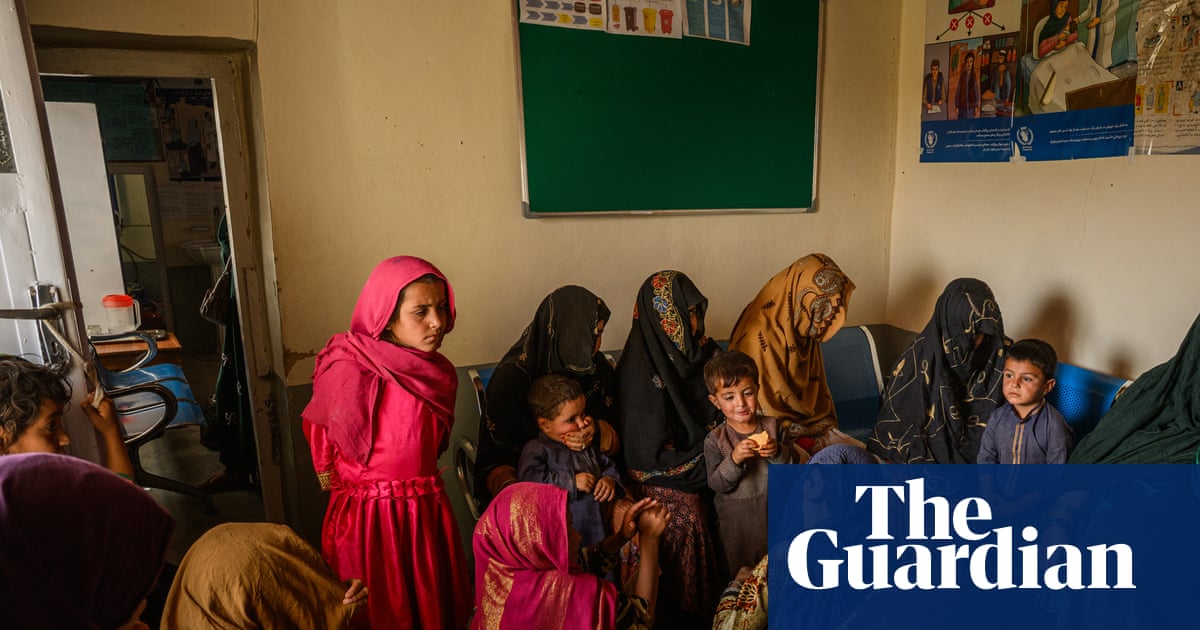
4 weeks agoThis is the saddest moment': families search for loved ones on Eid after Kabul hospital strike
Faqiri rushed to the rehabilitation center after the airstrike, but could not find his brother among the survivors. He spent the next two days visiting hospitals in Kabul, but there was no sign of Qais.
Healthcare
fromHyperallergic
1 month agoFlying Back With the Birds to My Hometown of Tehran
Distance does not soften the terror. It only deepens my helplessness. In moments like this, I realize that geography is not measured in miles, but in attachment. War rearranges distance. These days I find myself returning to "The Conference of the Birds," the 12th-century poem by Attar of Nishapur, seeking meaning through ancient wisdom about spiritual journeys and transformation.
Arts
fromwww.theguardian.com
1 month agoNaima review triumphant note of hope fuels engrossing insight into the immigrant experience
Naima dives deep into life goals with a fierce passion, yet she often finds herself buffeted by currents. Sixteen years ago, she had moved to the country for love, only to be mistreated by her Swiss husband. Since her diploma was not recognised in Switzerland, she went from managing a team of 48 to being wholly dependent on her partner.
Women in technology
Healthcare
fromwww.aljazeera.com
1 month agoFamilies search for loved ones after deadly Pakistan strikes on Kabul rehab
Pakistani air strike on Kabul's Omar Addiction Treatment Hospital killed hundreds of civilians according to Taliban authorities, while Pakistan denies targeting civilians and claims precision strikes on military installations.
fromFortune
1 month agoMore than 3 million Iranians have been displaced so far since the war started, setting up a potential migration crisis | Fortune
If they let me, I will stay in Van until the war ends. If the war doesn't end, maybe I'll go back and die. Pourkaz is one of the 3.2 million people in Iran who the U.N. refugee agency estimates have been displaced since the U.S.-Israel war with Iran started. While some are seeking shelter in safer parts of Iran or one of its neighboring countries, others are returning from abroad, heading toward the fighting to protect their families and homes.
Europe news
fromenglish.elpais.com
1 month agoAfghan asylum seeker dies the day after being detained by ICE: His family deserves answers'
It is not normal for a healthy 41-year-old man to die less than 24 hours after being taken into government custody, said Shawn VanDiver, president of AfghanEvac, a San Diego-based group that helps Afghans who sought refuge in the United States after cooperating with U.S. authorities during the war in Afghanistan.
US news
fromenglish.elpais.com
1 month agoThe shattered dream of migrating to the US and the odyssey of returning: I was in jail for four months. That's the only way I got to know New York'
Laime Arold, a 26-year-old Haitian, buys energy bars at a small shop on the side of the Pan-American Highway in southern Chiapas, Mexico. Jose Adan, a Honduran, prays aloud in a park in Tapachula, asking God to protect him from kidnappers and the police along the way. Gerardo Aguilar, a Venezuelan, travels at 60 miles per hour, lying across two seats on a bus headed for Guatemala. The three all have something in common: they are in Mexico and they are migrants. None of them are heading north. They are heading south.
Miami food
US Elections
fromBuzzFeed
1 month agoFormer US Residents, Tell Us Why You Left And Your Unfiltered Thoughts About America Right Now
Record numbers of Americans are leaving the country, citing exhaustion from financial stress, lack of work-life balance, inadequate healthcare, and political polarization compared to better social systems abroad.
#pakistan-afghanistan-conflict


World news
fromwww.theguardian.com
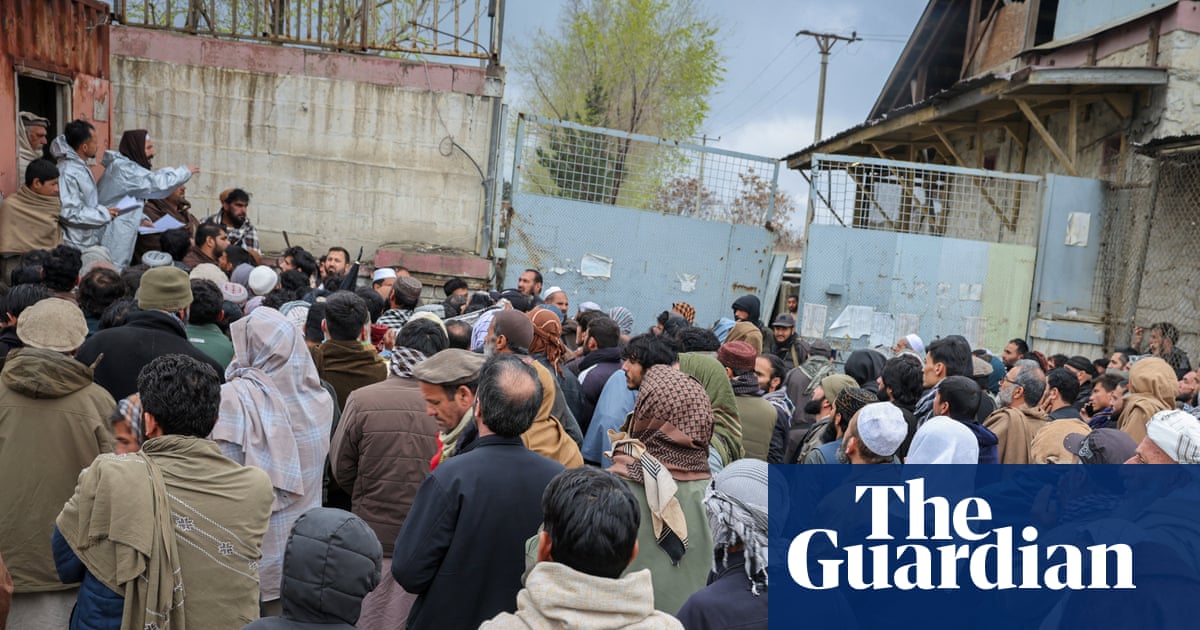
1 month agoAfghans search for loved ones at Kabul rehab centre hit by Pakistani airstrike
Pakistan conducted an airstrike on a Kabul drug rehabilitation center, killing over 400 people according to Afghan Taliban claims, marking the deadliest attack in the ongoing conflict between the two countries.
Careers
fromBusiness Insider
1 month agoI moved from the US to Ireland. I'm so happy with my choice, but there are a few things I wish I'd known before relocating.
Moving to Ireland requires substantial savings due to high living costs, physical presence for job applications, and competitive employment market, particularly in Dublin.
fromwww.theguardian.com
1 month agoI am trying to live': Haitians in Mexico seek community despite broken immigration systems
With time, as his research led to police intervention, he caught the attention of the city's gangs. In November 2024, during a period of escalating violence in the Haitian capital, gang members entered the compound where Gensley lived. They burned the radio station, my home and many other things in the area. They even killed his dog.
US news
fromIndependent
1 month agoUkrainian stories: 'When we arrived here, we were like aliens from another planet. I had to start my life from scratch'
Four years on from the invasion, we talk to the Ukrainians who have settled in Co Kerry, why they chose to come here, the heartbreaking stories from their homeland, and dealing with the 'small percentage of haters'
Miscellaneous
fromHyperallergic
1 month agoEveryday Traces of NYC's SWANA Diaspora
Unlike virtually all other non-European ethnicities, SWANA - or Middle Eastern/North African (MENA), as used in the show - is grouped under "White" on the US census. It's not just the census, though. It's medical forms, college applications, just about anything with a check box for ethnicity. Efforts have been made to change this, with some success. More institutions are adding a separate category on forms - and one might appear on the 2030 census.
Arts


fromwww.bbc.com
1 month agoMahmood to set out curbs to asylum seeker support
The Home Office says the changes, due to take effect in June, will restrict accommodation and support payments to "those who genuinely need it". Ministers say the new rules will also remove assistance from asylum seekers who work illegally or break the law.
UK politics
UK politics
fromwww.independent.co.uk
1 month agoHow many visas go to countries that have been affected by the halt on grants?
The UK government banned study visas for citizens from Afghanistan, Cameroon, Myanmar, and Sudan, despite these nations representing less than one percent of all study visas issued.
fromwww.cbc.ca
1 month agoFIRST PERSON | Winter shaped me as a child of immigrants. With the season now unpredictable, I'm surprised by my nostalgia | CBC News
The snow day email arrives before dawn, glowing softly on my phone. Even after all these years, that early morning message still feels like a small miracle a quiet signal that the city has agreed to pause. As a child, it felt like winning a secret lottery. As an adult and a school principal, the feeling hasn't left me.
Canada news
fromWIRED
2 months ago'I'm Witnessing a Lot of Emptiness': How ICE Uprooted Normal Life in Minneapolis
After an Immigration and Customs Enforcement (ICE) officer shot and killed Renee Nicole Good two weeks ago, the rules and rhythms of daily life in Minneapolis definitively changed. More than 2,000 federal officers have been let loose on the city purportedly in search of undocumented immigrants. Schools, churches, and daycares have all been in the crosshairs-there is no safe haven from ICE enforcement in the Twin Cities-and in response, the city's residents have come together to create rapid response networks to protect their neighbors.
US politics
World news
fromwww.theguardian.com
1 month agoNow they only deport': Afghans trapped in Pakistan arrested and sent back after open war' breaks out
Pakistan is blocking Afghan refugees from leaving the country via air travel and deporting them, citing military tensions with Afghanistan over cross-border strikes against Taliban militants.
fromBusiness Insider
1 month agoI left Iran at age 12 and never went back because it never felt safe. At 48, I can finally picture returning home.
Two or three weeks ago, I would've thought that Iran might be free by the time I was 90, and I could die there. I had this vision of me walking through the airport with a cane. Now, at age 48, I can see myself making a trip back to Iran within the next year, and potentially living there permanently within the next five.
World news
US politics
fromFortune
2 months agoNative Americans, literally the furthest thing from immigrants, fear deportation amid unprecedented ICE actions | Fortune
Many Native Americans are securing tribal ID cards as proof of U.S. citizenship and protection from ICE raids while tribes ease access to those IDs.
World news
fromwww.theguardian.com
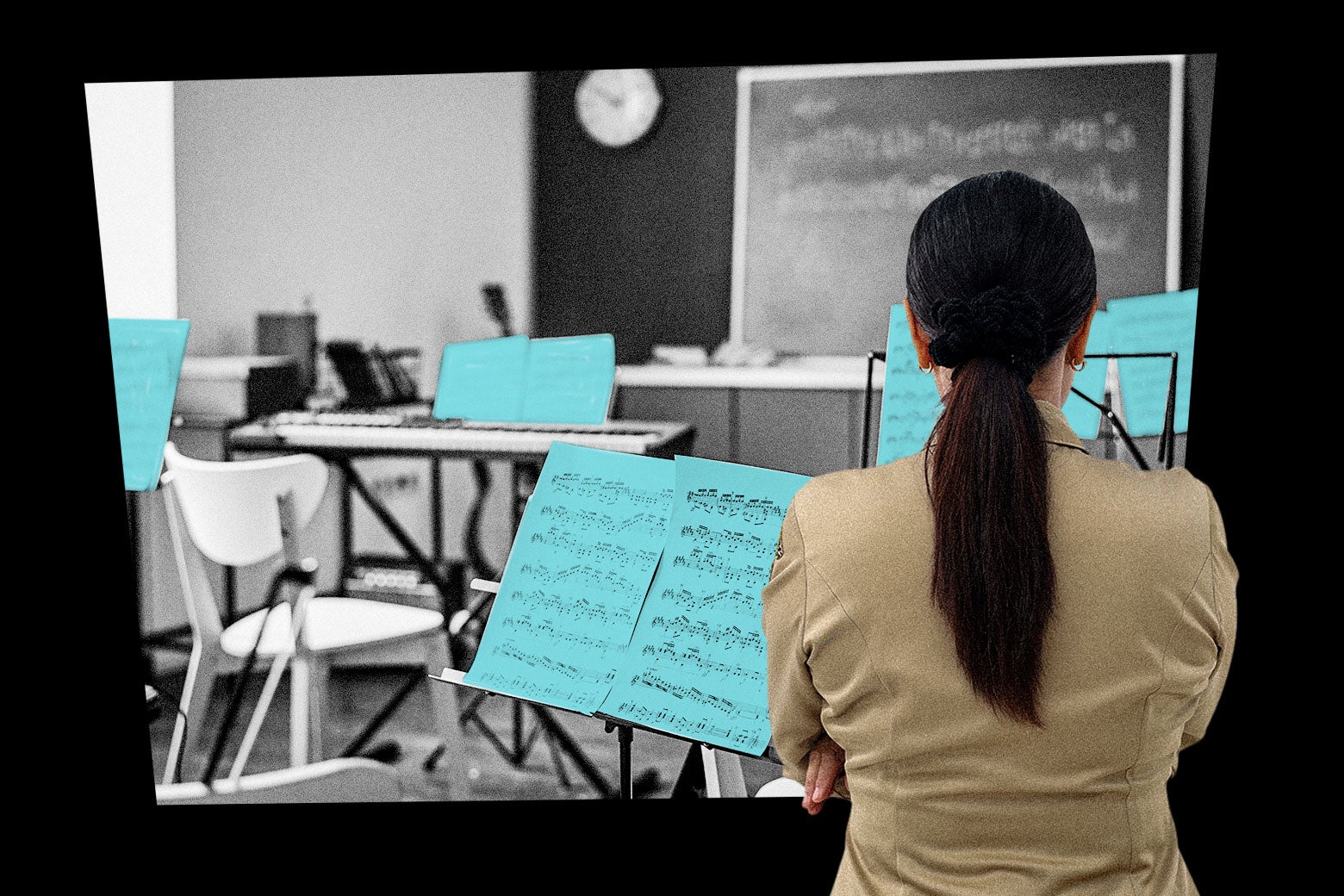
1 month agoThe Taliban are burning musical instruments in the name of morality. It is an assault on all culture
The Taliban systematically destroys Afghanistan's musical culture through instrument burning, music bans, and persecution of musicians as part of their fundamentalist enforcement of sharia law.
World news
fromwww.dw.com
1 month agoAfghan Taliban attacks met with Pakistani strikes on Kabul
Afghanistan and Pakistan engaged in escalating border fighting on Thursday, with conflicting accounts of casualties and territorial gains, stemming from tensions following the Taliban's 2021 return to power.
[ Load more ]