#agricultural-imports
#agricultural-imports
[ follow ]
fromwww.aljazeera.com
4 months agoAngry farmers block Brussels roads with tractors over Mercosur trade deal
Hundreds of tractors have clogged the streets of Brussels as farmers converged on the Belgian capital to protest against the contentious trade agreement between the European Union and South American nations they say will destroy their livelihoods. The demonstrations erupted on Thursday as EU leaders gathered for a summit where the fate of the Mercosur deal hung in the balance. More than 150 tractors blocked central Brussels, with an estimated 10,000 protesters expected in the European quarter, according to farm lobby Copa-Cogeca.
Miscellaneous
fromFortune
4 months agoChina slashes EU pork tariffs to 19.8% from 62.4% | Fortune
China will impose tariffs of up to 19.8% on pork imports from the European Union, a drastic drop from preliminary tariffs of up to 62.4%, its Commerce Ministry said Tuesday. The ministry's announcement followed an investigation the Chinese side launched into imports of pork from the trading bloc after the EU imposed provisional tariffs on China-made electric vehicles. Beijing also levied anti-dumping duties on European brandy, most notably cognac produced in France, though major brandy producers received exemptions.
Miscellaneous

fromenglish.elpais.com
5 months agoThe era of scarcity: Climate change threatens the future of food
Last May, the Japanese Minister of Agriculture resigned after commenting that he never bought rice because his supporters gave it to him. Taku Eto's petulance wouldn't have generated so much public unrest if it weren't for the fact that rice is scarce in the country and its price has doubled in just a few months. Japan is experiencing a severe crisis with this staple grain, to the point that the government has released 500,000 tons from national reserves to curb rising costs.
Agriculture
fromwww.mediaite.com
5 months agoTrump Slashes China Tariffs After Truly Great Meeting' with Xi Jinping
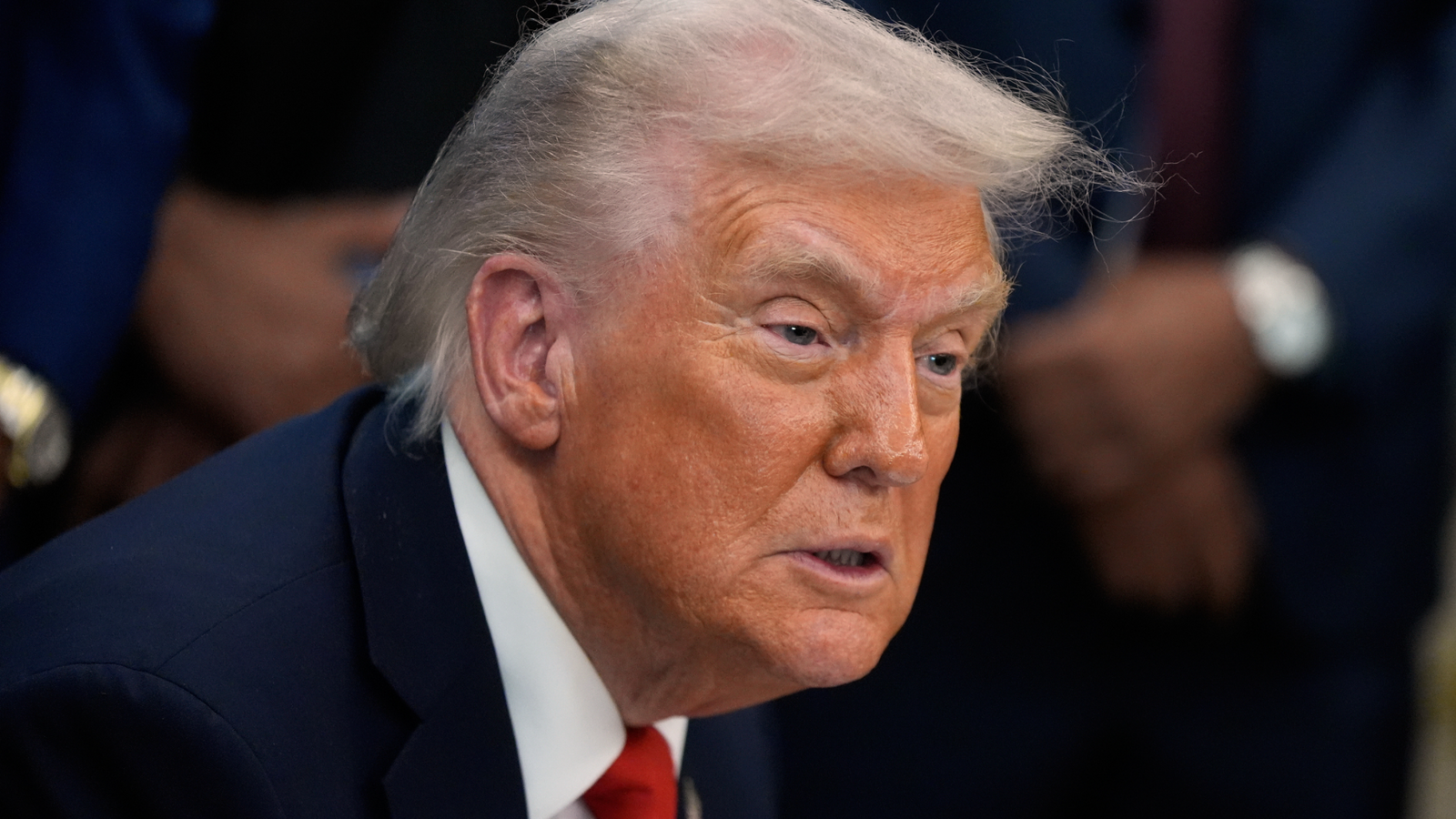
Speaking aboard Air Force One after the summit at Gimhae Air Base in Busan, Trump said tariffs on Chinese goods would drop to 47 percent, down 10 percent from previous levels, while Beijing agreed to delay rare earth mineral restrictions for a year and resume large-scale purchases of American soybeans. I would say on a scale from 1 to 10, with 10 being the best, I would say the meeting was a 12, Trump said. A truly great meeting.
US politics
fromTasting Table
7 months agoWhy You Can't Legally Bring Mexican Bologna Into The US - Tasting Table
Various fruits and vegetables have been prohibited from entering the U.S. at different times, typically in an attempt to keep pests and diseases from entering the nation's agricultural system. Presently, even cooked products like bologna and ham from Mexico are restricted due to the potential of harboring diseases like classical swine fever. This does not prevent the import of Mexican pork products into the U.S., but the law requires that these products be accompanied by veterinary documentation showing them to be disease free - not the sort of thing that someone with a trunk full of bologna is likely to have on hand.
Agriculture
[ Load more ]