#appropriations
#appropriations
[ follow ]
#government-shutdown #congress #continuing-resolution #immigration-enforcement #dhs-funding #us-senate

#government-shutdown


US politics
fromNextgov.com
6 months agoSenate moves shutdown-ending deal that would ensure backpay and unwind some federal layoffs
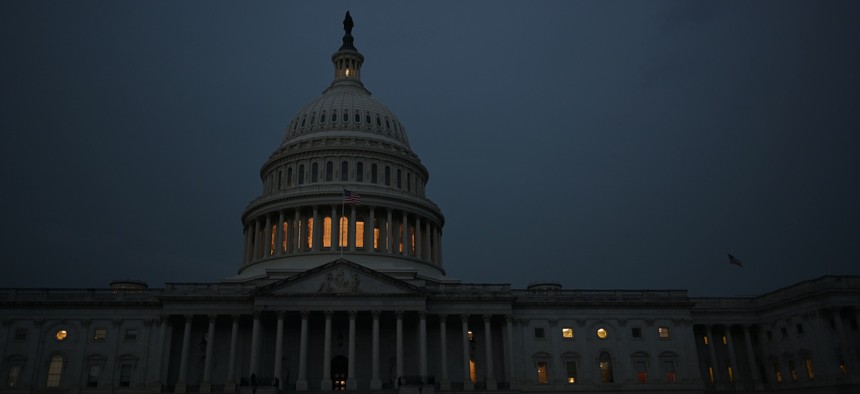
The Senate approved funding to reopen agencies through at least Jan. 30, provide full-year funding for VA, USDA and the legislative branch, and block federal layoffs through January.
fromInside Higher Ed | Higher Education News, Events and Jobs
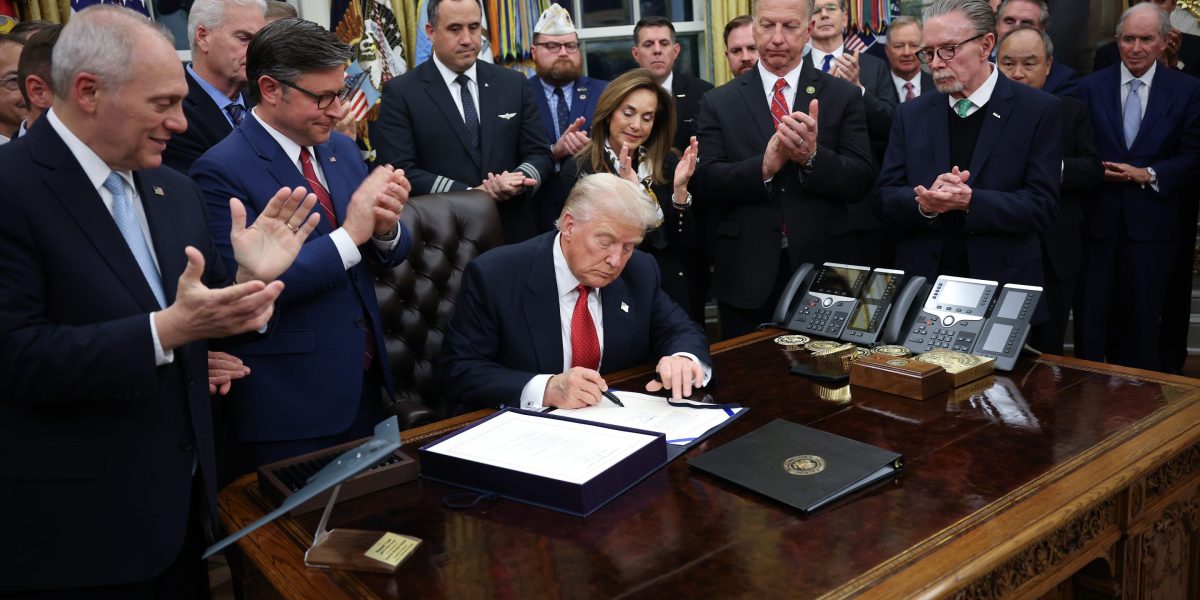
3 months agoHow Congress's Budget Could Hamper Trump ED Agenda
These new restrictions-which can be found throughout the appropriations bill for the Department of Education and other sections of the 11-part funding package that was signed into law last week-are part of what policy experts describe as a bipartisan attempt to rebuke the Trump administration's budget proposal and restore Congress's power of the purse. Historically, the language of these budget bills has largely stayed the same, serving as little more than a template into which lawmakers plug that year's dollar amounts and policy riders.
US politics
US politics
fromWashingtonian - The website that Washington lives by.
3 months agoCould Trump Tear Down the Kennedy Center Like He Did the East Wing? - Washingtonian
Statute, trustees' rules, and appropriations prohibit demolition of the Kennedy Center; demolition would lack legal authority and violate federal funding laws.

US politics
fromNextgov.com
4 months agoTrump administration gets less tech funding than requested in new bicameral bills
Congressional negotiators reduced funding for the Information Technology Oversight and Reform account and provided $8 million instead of the administration's requested $19.6 million.
US politics
fromNextgov.com
6 months agoGovernment spending package includes money for House modernization efforts
Congress allocated $4 million to the Modernization Initiatives Account to advance House and Senate modernization efforts, including casework tracking and staff-directory and accessibility tools.
fromAxios
7 months agoMike Johnson hit with new Republican dissent over shutdown strategy in private call
The intrigue: It's not just the members who spoke up on the call who are questioning their party's refusal to even come to the negotiating table with Democrats. "I do think we should be negotiating the ACA tax credits and have that compromise to put in the Approps bills," Rep. Don Bacon (R-Neb.), a retiring centrist, told Axios. "We don't need [it] for the CR, but if we all negotiate in good faith within the Approps process, we may break the ice jam."
US politics
fromwww.theguardian.com
7 months agoRepublicans show first noticeable crack on shutdown as it becomes longest in US history
Marjorie Taylor Greene, a representative of Georgia, on Monday morning criticized Johnson's strategy, calling on the House to return to session immediately. The House should be in session working, Greene wrote on X. We should be finishing appropriations. Our committees should be working. We should be passing bills that make President Trump's executive orders permanent. I have no respect for the decision to refuse to work.
US politics
fromAxios
7 months agoIRS tells employees furlough backpay guaranteed, while WH counters in memo
A letter from Acting IRS Human Capital Officer David Traynor to IRS employees stated that although workers would be "placed in non-pay and non-duty status during the furlough," GEFTA requires that federal workers who are "furloughed or required to work during a lapse in appropriations to be compensated for the period of the lapse." It adds that they must be compensated on the "earliest date possible" after the lapse comes to a close.
US politics
fromwww.dw.com
8 months agoUS Supreme Court allows Trump's massive foreign aid freeze DW 09/27/2025
The Supreme Court, which has a 6-3 conservative majority, said that the "asserted harms" to Trump's conduct of foreign affairs "appear to outweigh the potential harm" faced by potential recipients of the foreign aid. The court said the emergency order is not a "final determination" on the freeze, as it plays out in the lower courts. "The relief granted by the Court today reflects our preliminary view, consistent with the standards for interim relief," the Supreme Court order said.
US politics


fromThe Cipher Brief
10 months agoThe Math Behind Trump's $1 Trillion Defense Budget
The President's FY '26 National Defense Budget requests $1.01 trillion, which is a 13 percent increase from FY '25 enacted levels. This includes $848.3 billion for DoD's discretionary budget and $113.3 billion in mandatory funding for DoD.
US politics
[ Load more ]