#broadcasting-regulations
#broadcasting-regulations
[ follow ]
#fcc #first-amendment #trump-administration #trump #media-regulation #equal-time-rule #press-freedom #journalism



#copyright
Intellectual property law
fromIPWatchdog.com | Patents & Intellectual Property Law
3 days agoOther Barks & Bites for Friday, April 10: DISH Wins Copyright Appeal Over Arabic TV Retransmissions; Fifth Circuit Awards Google Transfer on Mandamus; and Third Circuit Says Online Publication of Copyrighted Building Codes is Transformative
The article covers significant legal developments in copyright and patent issues, including court rulings and corporate partnerships in the AI sector.
#trump
Left-wing politics
fromwww.mediaite.com
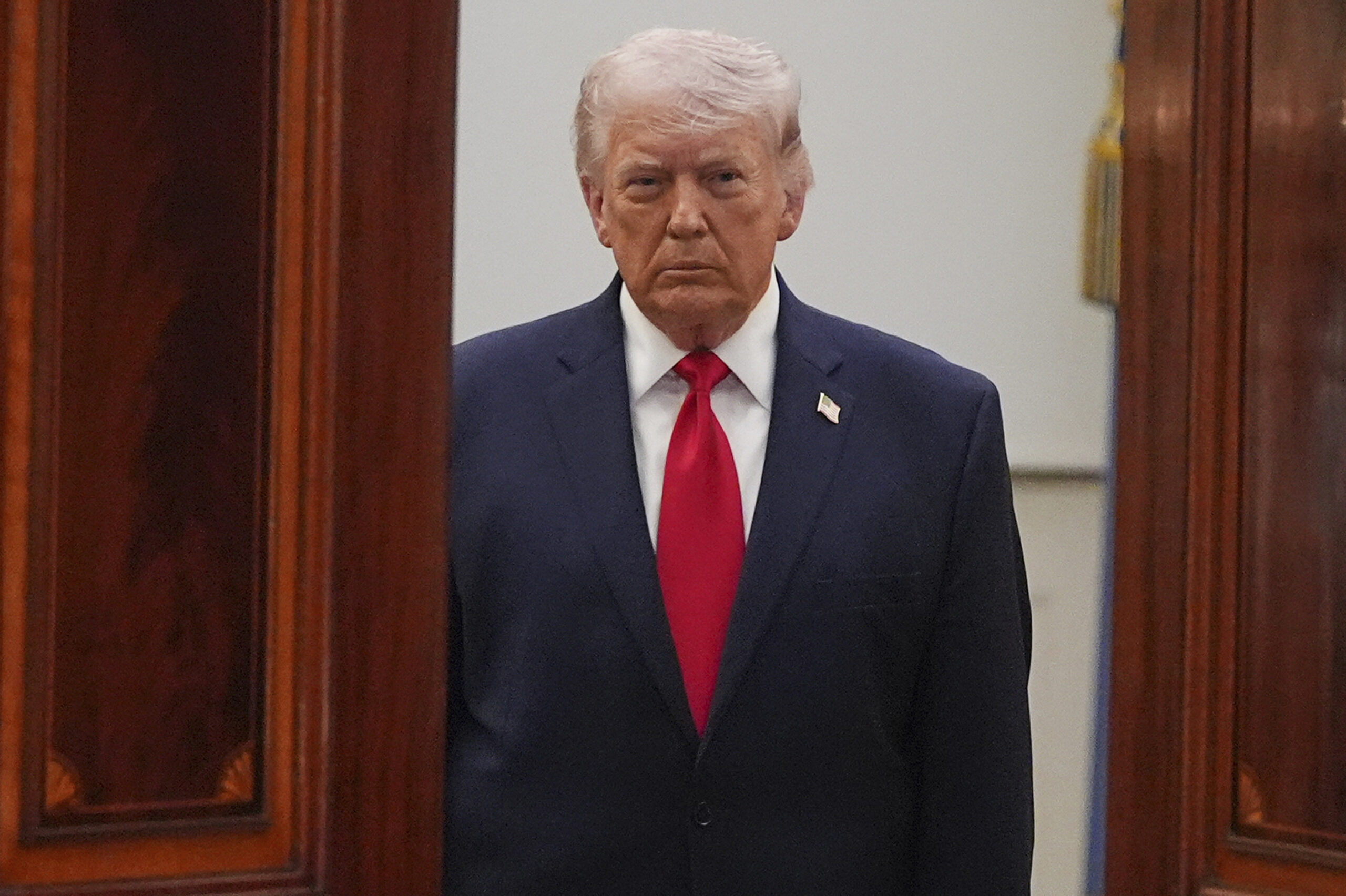
5 days agoPBS Reporter Says Trump Hung Up on Her After She Asked About His Threat About Wiping Out a Civilization'
Trump's controversial statements and abrupt phone call with PBS correspondent highlight tensions surrounding the Iran ceasefire and ongoing conflicts in the region.
#first-amendment
Media industry
fromwww.theguardian.com
4 weeks agoRepublican rebukes FCC chair's threats to revoke broadcast licenses over Iran war
FCC Chair Brendan Carr threatened to revoke broadcaster licenses for spreading fake news about Iran, sparking bipartisan criticism over First Amendment concerns and government overreach.
fromwww.mediaite.com
4 days agoFox Business Reporter Climbs Nearly 2,000-Foot Broadcast Tower With FCC Boss Because We're Crazy'
Darren Botelho described the experience of climbing the North Carolina tower with FCC Chair Brendan Carr as an out-of-body experience, emphasizing the height they reached was comparable to stacking the Empire State Building and the Washington Monument.
Media industry
fromTelecompetitor
1 month agoUniversal Service critical to network sustainability: Report
A 40% reduction in USF support would mean that broadband operators couldn't continue operations on existing networks, threatening the long-term viability of broadband access in rural areas. About half of the cost of network operating expenses are due to labor costs, which rise faster than inflation in rural areas.
Non-profit organizations
fromArs Technica
1 month agoFCC chair calls Paramount/WBD merger "a lot cleaner" than defunct Netflix deal
Paramount said that it lined up "an aggregate $24 billion commitment from three sovereign wealth funds" from Gulf countries, specifically Saudi Arabia, Abu Dhabi, and Qatar. Paramount said at the time that the sovereign wealth funds "agreed to forgo all governance rights (including board representation)."
Venture
US news
fromEngadget
1 month agoFCC approves the merger of cable giants Cox and Charter
The FCC approved Charter Communications' $34.5 billion acquisition of Cox Communications, citing benefits including job repatriation, rural broadband expansion, lower prices, and elimination of DEI-based hiring practices.
#fcc-enforcement

US politics
fromArs Technica
1 month agoTrump FCC's equal-time crackdown doesn't apply equally-or at all-to talk radio
FCC Chairman Brendan Carr selectively enforces equal-time rules on TV talk shows while avoiding similar enforcement on conservative-dominated talk radio, raising concerns about unequal regulatory application.
Media industry
fromFortune
4 weeks agoFCC's Carr threatens TV broadcast licenses over news coverage | Fortune
FCC Chairman Brendan Carr threatened to revoke broadcaster licenses for news coverage deemed inaccurate, citing public interest requirements and following Trump's complaints about media coverage.
US politics
fromArs Technica
1 month agoTrump FCC's equal-time crackdown doesn't apply equally-or at all-to talk radio
FCC Chairman Brendan Carr selectively enforces equal-time rules on TV talk shows while avoiding similar enforcement on conservative-dominated talk radio, raising concerns about unequal regulatory application.
Media industry
fromFortune
4 weeks agoFCC's Carr threatens TV broadcast licenses over news coverage | Fortune
FCC Chairman Brendan Carr threatened to revoke broadcaster licenses for news coverage deemed inaccurate, citing public interest requirements and following Trump's complaints about media coverage.
Television
fromRoger Ebert
2 months agoA Tribute to Former FCC Chair and Media Champion Newton Minow | Features | Roger Ebert
Newton Minow transformed television and public broadcasting by creating PBS, advancing UHF access and satellite communications, promoting closed captioning, and supporting educational programming.
#fcc-regulation
Media industry
fromPoynter
3 weeks agoThe FCC chair is pushing 'pro-American' content. That's not how a free press works. - Poynter
FCC Chair Brendan Carr is promoting a 'Pledge America' campaign encouraging broadcasters to air patriotic content and pro-American programming while threatening media licensing over coverage deemed unfavorable to the Trump administration.
Media industry
fromBusiness Insider
4 weeks agoFCC chair threatens to pull licenses of broadcasters airing 'distortions' about the Iran war
FCC Chair Brendan Carr threatened to revoke broadcasters' licenses for airing misleading coverage of the Iran war, citing the requirement that broadcasters operate in the public interest.
fromBoston.com
1 month agoStephen Colbert says network lawyers pulled James Talarico interview over FCC equal time fears
"He was supposed to be here, but we were told in no uncertain terms by our network's lawyers, who called us directly, that we could not have him on the broadcast," Colbert said on his program, "The Late Show with Stephen Colbert." "Then I was told, in some uncertain terms, that not only could I not have him on, I could not mention me not having him on. And because my network clearly doesn't want us to talk about this, let's talk about this."
US news
fromWIRED
3 weeks agoFCC Enforcement Chief Offered to Help Brendan Carr Target Disney, Records Show
Noting that he had been a broadcaster himself, Hadley wrote that the 'absolute lack of accountability has always confused (and sickened) me,' telling Carr and Delacourt: 'Please, do not let up, and let me know if I can help in any way.'
Media industry
Media industry
fromwww.mediaite.com
3 weeks agoTrump FCC Head Promotes Pledge for Media to Run Pro-America' Content Days After Threat Over Negative Coverage
FCC Chairman Brendan Carr launched a 'Pledge America' campaign urging broadcasters to air patriotic programming and pro-America content instead of what he characterizes as anti-American media.
Media industry
fromFast Company
3 weeks agoCould the government pull a TV station off the air over its news coverage? Trump's comments raise the question
The Trump administration threatened broadcast licenses of news organizations over Iran war coverage, but legal experts say these threats lack enforceable legal basis.
Media industry
fromwww.theguardian.com
3 weeks agoTrump's FCC chair wants American media to work like Iran's state TV | Caitlin Vogus
FCC Chair Brendan Carr threatens to revoke broadcaster licenses for reporting Trump dislikes, using legally baseless threats to suppress critical news coverage and discourage media scrutiny of the Trump administration.
Media industry
fromwww.mediaite.com
1 month agoBrendan Carr Threatens Media Licenses After Trump Complaints
FCC Chair Brendan Carr threatened to revoke broadcaster licenses for spreading fake news and misleading coverage, citing low public trust in legacy media and broadcasters' obligation to serve the public interest.
Media industry
fromAdExchanger
1 month agoLocal Media Needs Consolidation To Compete, But An Outdated Legal Standard Stands In The Way | AdExchanger
Local broadcasters need regulatory changes to gain scale and modernize, enabling competition with Big Tech and better serve local advertisers and communities.
fromArs Technica
2 months agoTrump FCC investigates The View, reportedly says "fake news" will be punished
The FCC Media Bureau's January 21 public notice to broadcast TV stations said that despite a 2006 decision in which the FCC exempted The Tonight Show with Jay Leno from the rule, current entertainment shows may not qualify for that exemption. "Importantly, the FCC has not been presented with any evidence that the interview portion of any late night or daytime television talk show program on air presently would qualify for the bona fide news exemption," the notice said.
Media industry
[ Load more ]