#carbo-cycle
#carbo-cycle
[ follow ]
#sustainability #climate-change #renewable-energy #environmental-impact #energy-consumption #biodiversity
#climate-change



World politics
fromwww.theguardian.com
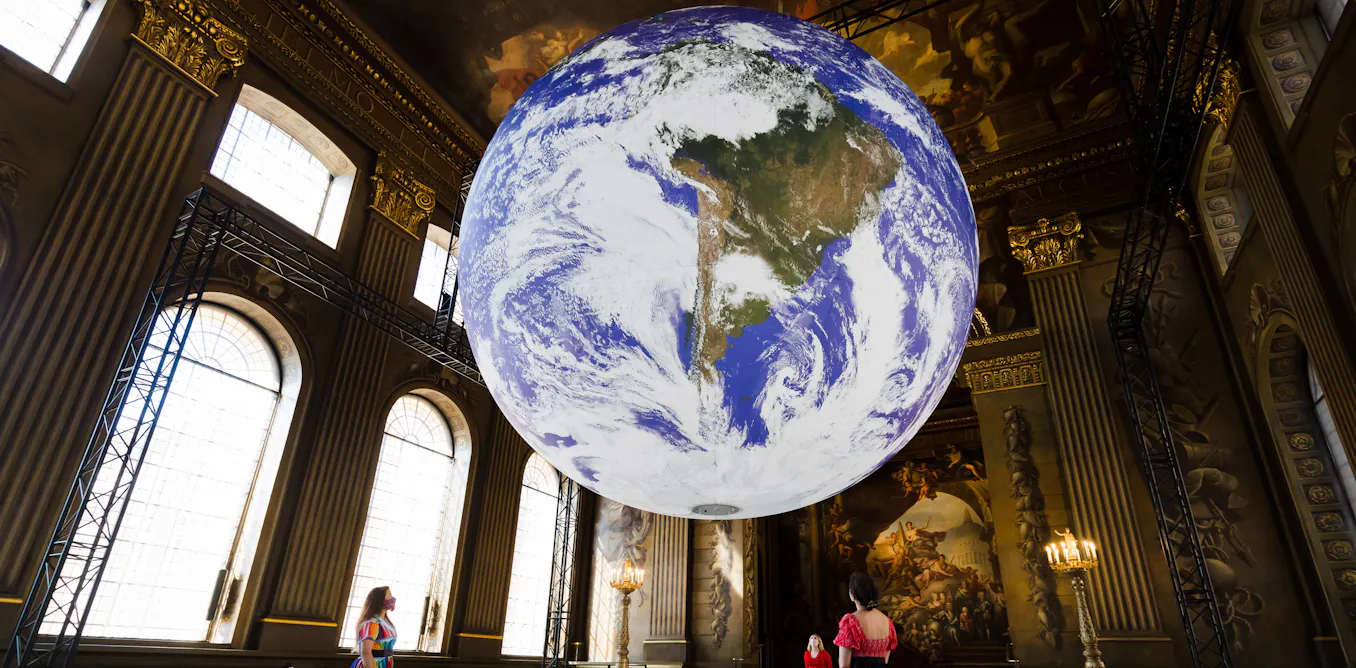
6 days agoWorld held hostage by reliance on fossil fuels, Christiana Figueres warns and climate health impacts are mother of all injustices'
Countries' reliance on fossil fuels is causing health impacts from climate change, described as the mother of all injustices.
fromArchDaily
17 hours agoMapping the Technosphere: Architecture as an Interface Between Systems and Territories
Architecture can no longer be conceived as an isolated object, detached from the technical networks that sustain contemporary life. This condition calls for new readings and approaches.
Design
Gadgets
fromLondon Business News | Londonlovesbusiness.com
1 day agoUnderstanding the impact of smart technology on household energy consumption - London Business News | Londonlovesbusiness.com
Smart home technology requires user action and guidance to effectively reduce energy bills, rather than relying solely on devices for savings.
fromDaily Coffee News by Roast Magazine
4 days agoStudy: 'Default Nudge' to Oat Milk Reduces Carbon Footprint of Cafe Drinks
The baseline use of plant-based milk prior to instituting oat milk as the default was 16.6%. That jumped to 51.9% when baristas informed guests oat milk was the default option.
Coffee

#ai
Artificial intelligence
fromThe Nation
1 week agoThe AI Boom Is a Climate Bust
AI is increasingly being used to spread climate change disinformation, complicating efforts to combat the climate crisis.

fromwww.kaltblut-magazine.com
1 month agoThe Climate Crisis
At a young age, I learned quickly how oil wealth and power could burn the land while people struggled. I saw heat rise off the streets, the Nile strained, and the air thickened with injustice. In my teenage years, through Aotearoa, being on the edge of the Pacific, I felt the ocean breathing heavy, swallowing the shores of islands that have done the least to cause this harm.
Photography
Design
fromArchDaily
4 weeks agoRethinking Architecture at the Scale of Planetary Systems
Contemporary architecture operates within interconnected technological systems—energy networks, data infrastructures, and global logistics—that fundamentally shape what can be built, its affordability, performance, and waste production.

Agriculture
fromEarth911
3 weeks agoConvenience Comes at the Environment's Expense
Fast delivery convenience carries significant environmental costs through packaging waste, carbon emissions, and resource consumption, but individual yard management choices can meaningfully reduce environmental impact at a local scale.
Environment
fromLondon Business News | Londonlovesbusiness.com
2 weeks agoWhat decarbonisation means for the unseen machinery of trade - London Business News | Londonlovesbusiness.com
Decarbonisation in shipping relies on improving existing vessels' efficiency through retrofits, maintenance, and performance data rather than solely on new technologies.
fromComputerWeekly.com
3 weeks agoWhy IT leaders need to consider AI's energy footprint | Computer Weekly
We are making sure that we have renewable energy powering all of our datacentre footprint. We have 100% renewable power today that is powering all of Azure, and we're very proud to build that base and essentially stimulate renewable energy around the world and in the UK.
Environment
Environment
fromwww.theguardian.com
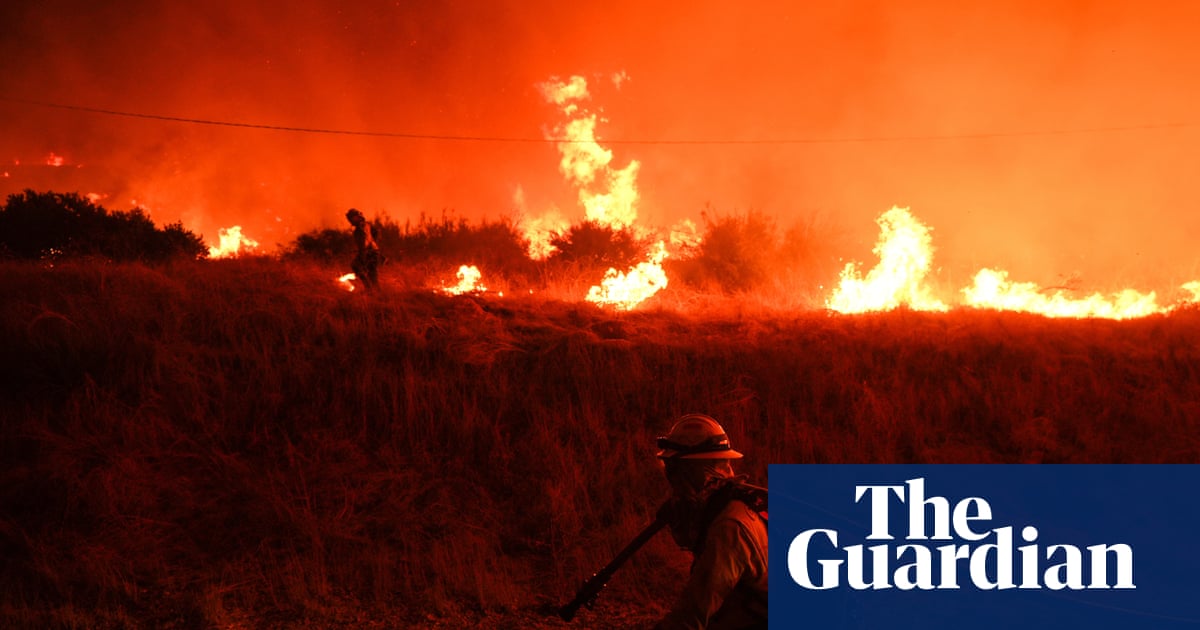
4 weeks agoRevealed: the world's worst mega-leaks of methane driving global heating
Satellite analysis reveals dozens of massive methane leaks from oil, gas, and landfill facilities worldwide in 2025, primarily in Turkmenistan, with most leaks preventable through simple maintenance or fixable at no cost since captured methane can be sold.
fromwww.theguardian.com
1 month agoClaims that AI can help fix climate dismissed as greenwashing
Tech companies are conflating traditional artificial intelligence with generative AI when claiming the energy-hungry technology could help avert climate breakdown, according to a report. Most claims that AI can help avert climate breakdown refer to machine learning and not the energy-hungry chatbots and image generation tools driving the sector's explosive growth of gas-guzzling datacentres, the analysis of 154 statements found.
Artificial intelligence

Environment
fromMail Online
1 month agoGlobal warming has accelerated significantly since 2015, study reveals
Global warming has accelerated to 0.35°C per decade over the past 10 years, double the 1970-2015 rate, threatening to exceed the 1.5°C Paris Agreement limit before 2030 without urgent CO2 emission reductions.
Environment
fromEarth911
1 month agoSustainability In Your Ear: The Forest Stewardship Councils' Path to a Circular Bio-based Future with Loa Dalgaard Worm
Forests face unsustainable depletion from rising demand for wood fiber, requiring circular economy models and new incentive systems to protect remaining forests while meeting material needs.


Environment
fromComputerWeekly.com
1 month agoIT Sustainability Think Tank: The digital diet and the growing cost of AI energy use | Computer Weekly
AI expansion is straining land, water, and power grids; industry and individuals must share responsibility through a "Digital Diet" and SDG12-style responsible consumption.
fromwww.dw.com
2 months agoThe business of saving nature
The world spends 30 times more money destroying nature than protecting it. That's according to a new report from the United Nations Environment Programme (UNEP) that exposes a massive gulf between so-called "harmful investments" and financing that promotes nature preservation. The global environment agency's latest "State of Finance for Nature" (SNF) report is calling to phase out the US$7.3 trillion (6.2 trillion) in global investments that damage nature including into high-emissions energy infrastructure and manufacturing, for example.
Environment
fromThe Atlantic
2 months agoThe Climate Question That Economists Cannot Answer
Most Americans now accept the basic physics of climate change-that manmade greenhouse-gas emissions are raising global temperatures. Yet the public discussion of climate change is still remarkably broken in the United States. Leaders of one political party frame climate change as an existential emergency that threatens human life and prosperity. Leaders of the other dismiss it as a distraction from economic growth and energy security. Economists like me, trained to think about trade-offs,
Environment
[ Load more ]