The legal analysis rests on a premise for which there is no immediate public evidence that the cartels are waging armed violence against the security forces of allies like Mexico, and that the violence is financed by cocaine shipments. As a result, according to the legal analysis, the strikes are targeting the cocaine, and the deaths of anyone on board should be treated as an enemy casualty or collateral damage if any civilians are killed, rather than murder.
It is an intelligence relationship that predates even the Five Eyes: the UKUSA alliance that began, naturally enough, in secret in 1946. But this week the strain of trying to be the closest security ally to a freewheeling White House has begun to show. Britain, it emerged, had quietly suspended intelligence cooperation with the US in the Caribbean because London does not consider the deadly US military campaign against ships accused of drug trafficking to be in line with international law.
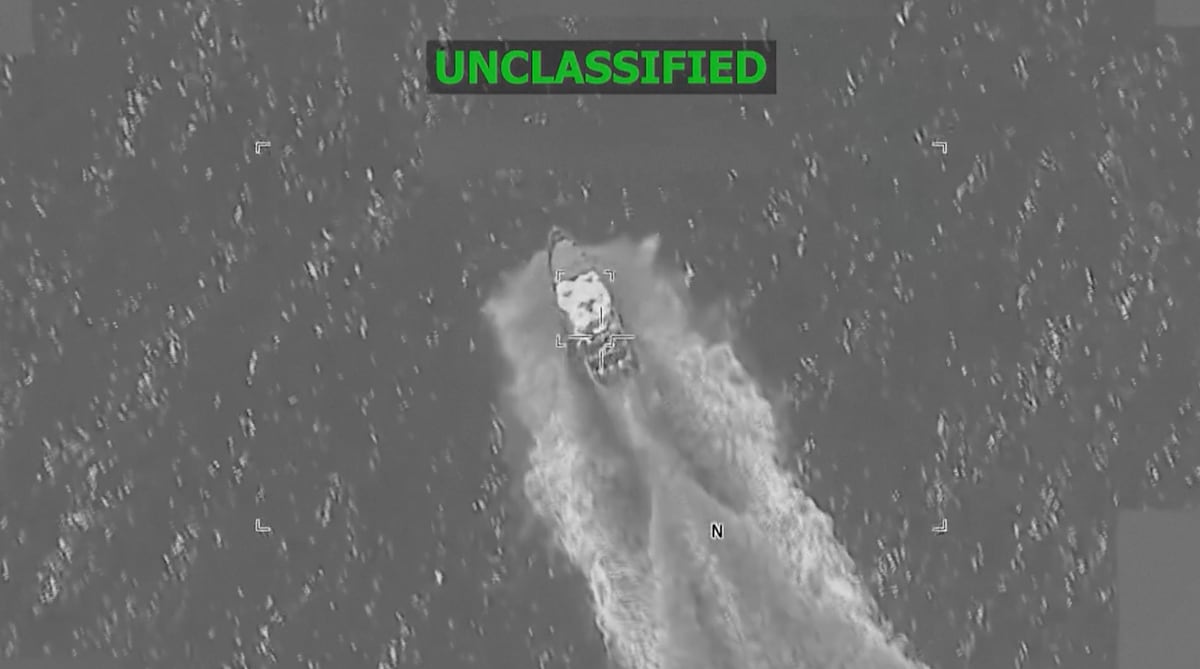
The United States' campaign of extrajudicial military attacks against alleged drug trafficking speedboats continues unabated. On Friday, the Pentagon announced a new strike against one of these vessels in international waters in the Caribbean, in which six people were killed. It is the first such strike in the Caribbean since Washington confirmed two attacks in the Pacific on Wednesday, which also brought the U.S. military campaign against the cartels in the Americas to those waters.