#cleaning-technology
#cleaning-technology
[ follow ]
#sustainability #recycling #circular-economy #environmental-impact #climate-change #waste-management
#sustainability




Design
fromYanko Design - Modern Industrial Design News
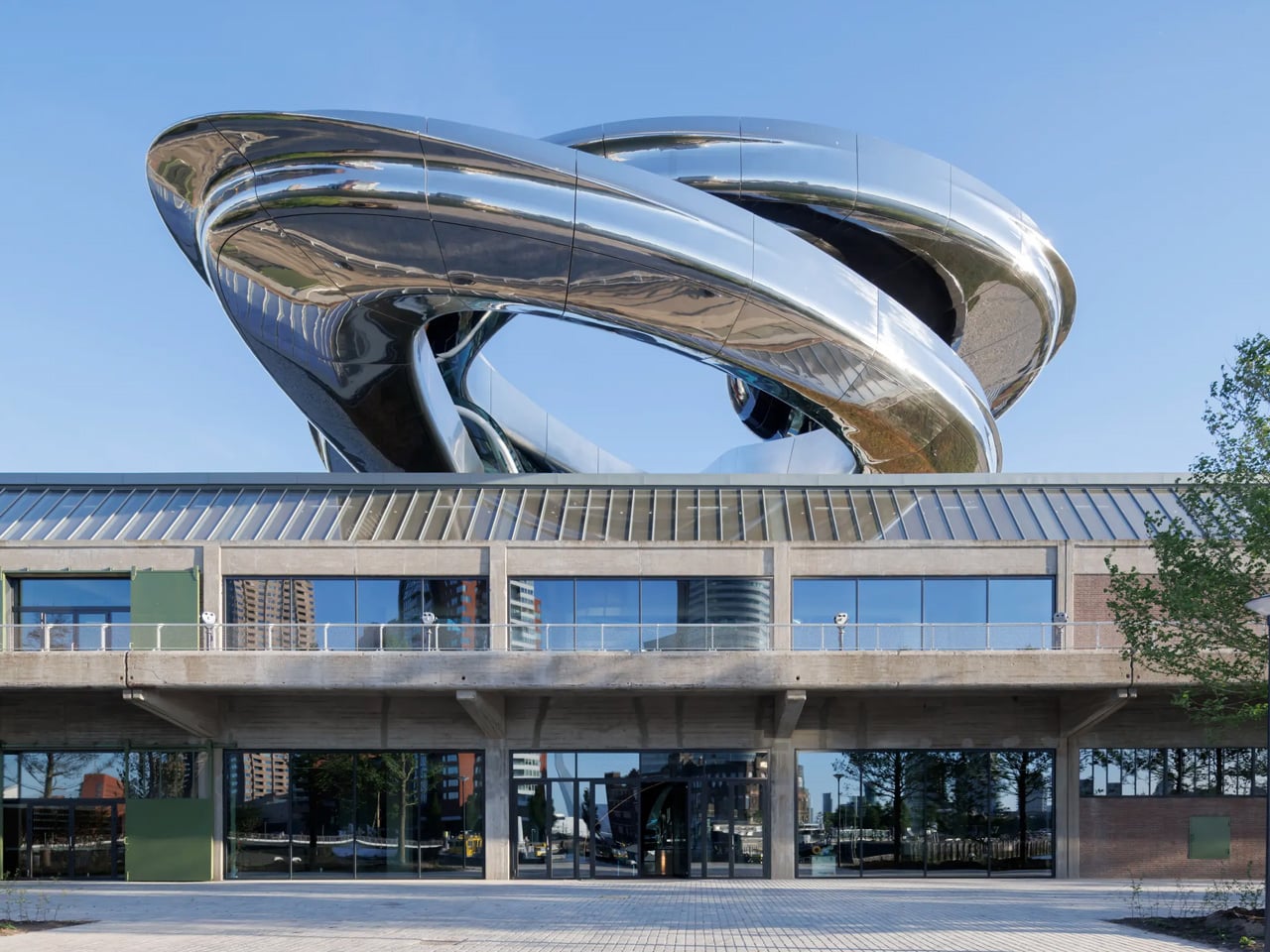
1 day agoEverything in 2026 Is Disposable - Here's 5 Sustainable Trends Are Designed to Last Centuries - Yanko Design
Sustainability in 2026 emphasizes permanence, focusing on materials that last and promote ecological responsibility through architectural endurance.

Europe news
fromLondon Business News | Londonlovesbusiness.com
12 hours agoCBAM, energy costs and efficiency: Why heat recovery is gaining importance in energy-intensive industry - London Business News | Londonlovesbusiness.com
European industry must focus on energy costs, emissions, and heat recovery to enhance efficiency and competitiveness.

fromWIRED
1 month agoA New Generation of Big Water Filters-Without the Plastic
Most water filter pitchers are made of BPA-free plastic. But as new research shows that bottled-water drinkers ingest tens of thousands of excess microplastic particles, wellness lovers have begun to look askance at water filters that are themselves made of plastic.
Beer
Agriculture
fromEarth911
1 month agoConvenience Comes at the Environment's Expense
Fast delivery convenience carries significant environmental costs through packaging waste, carbon emissions, and resource consumption, but individual yard management choices can meaningfully reduce environmental impact at a local scale.
fromEarth911
1 month agoIs Shredded Paper Recyclable?
Shredded paper is especially difficult to recycle, so many programs will not accept it. Shredding accelerates fiber shortening and lowers the paper grade from high-grade to mixed-grade. Mixed-grade paper is still recyclable, but it ends up baled and processed into products like paper towels and packing paper.
Portland
fromArchDaily
3 weeks agoDesigning for Obsolescence in an Age of Perpetual Upgrades
In the nineteenth century, entire railway networks became obsolete almost overnight, not due to physical deterioration, but because of changes in the technical standards that supported them. The expansion of railroads across Europe and North America adopted different track gauges, and as a dominant standard gradually emerged, these infrastructures became incompatible with one another.
Renovation
OMG science
fromYanko Design - Modern Industrial Design News
4 weeks agoResearchers turned Sawdust Waste and Watermelon Seeds into Recyclable Fire-resistant Panels - Yanko Design
Sawdust can be transformed into a strong, fire-retardant composite material using struvite and an enzyme from watermelon seeds.
Miscellaneous
fromwww.theguardian.com
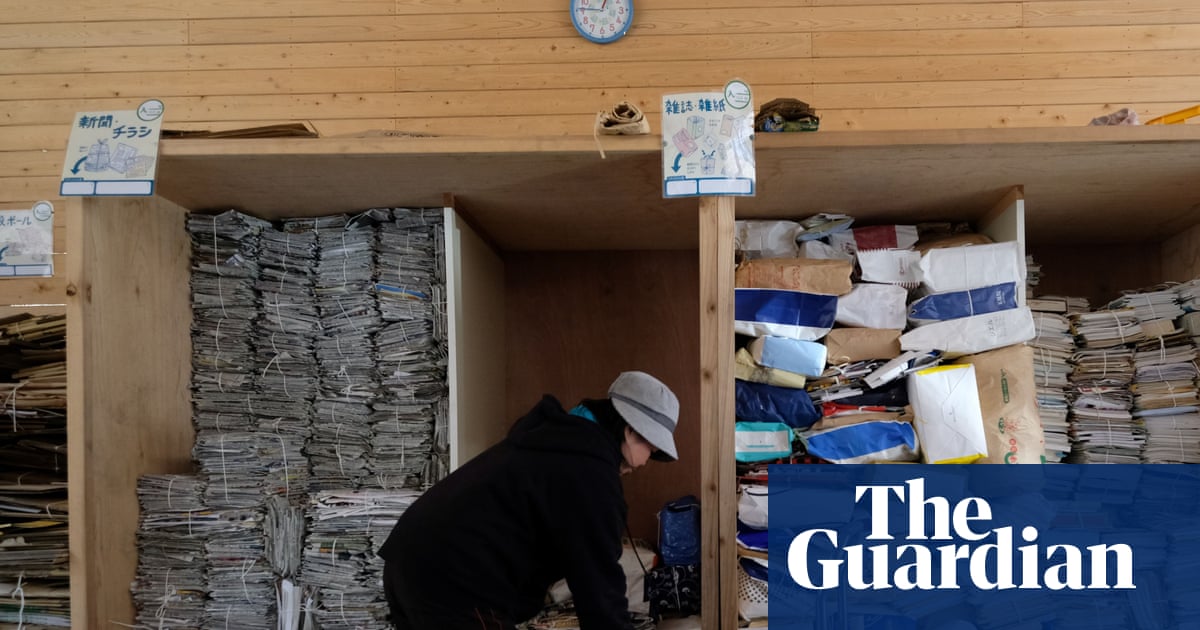
1 month agoA delightful day at the dump: The trick is not to leave with more stuff than I arrived with!'
A recycling centre's ReUse shop in London salvages discarded items including unusual specimens like embalmed animals, vintage furniture, and antiques to resell rather than send to landfill.
Cooking
fromArchitectural Digest
1 month agoThe Case for Recycled Water Showers-and 3 Other Kitchen and Bath Innovations from KBIS
Water-efficient bathroom fixtures including low-flow toilets and showers deliver significant water savings while maintaining performance, with engineered stone manufacturers shifting to low-silica compositions for health and safety.


fromEarth911
1 month agoHow to Recycle or Dispose of Single-Use Alkaline Batteries
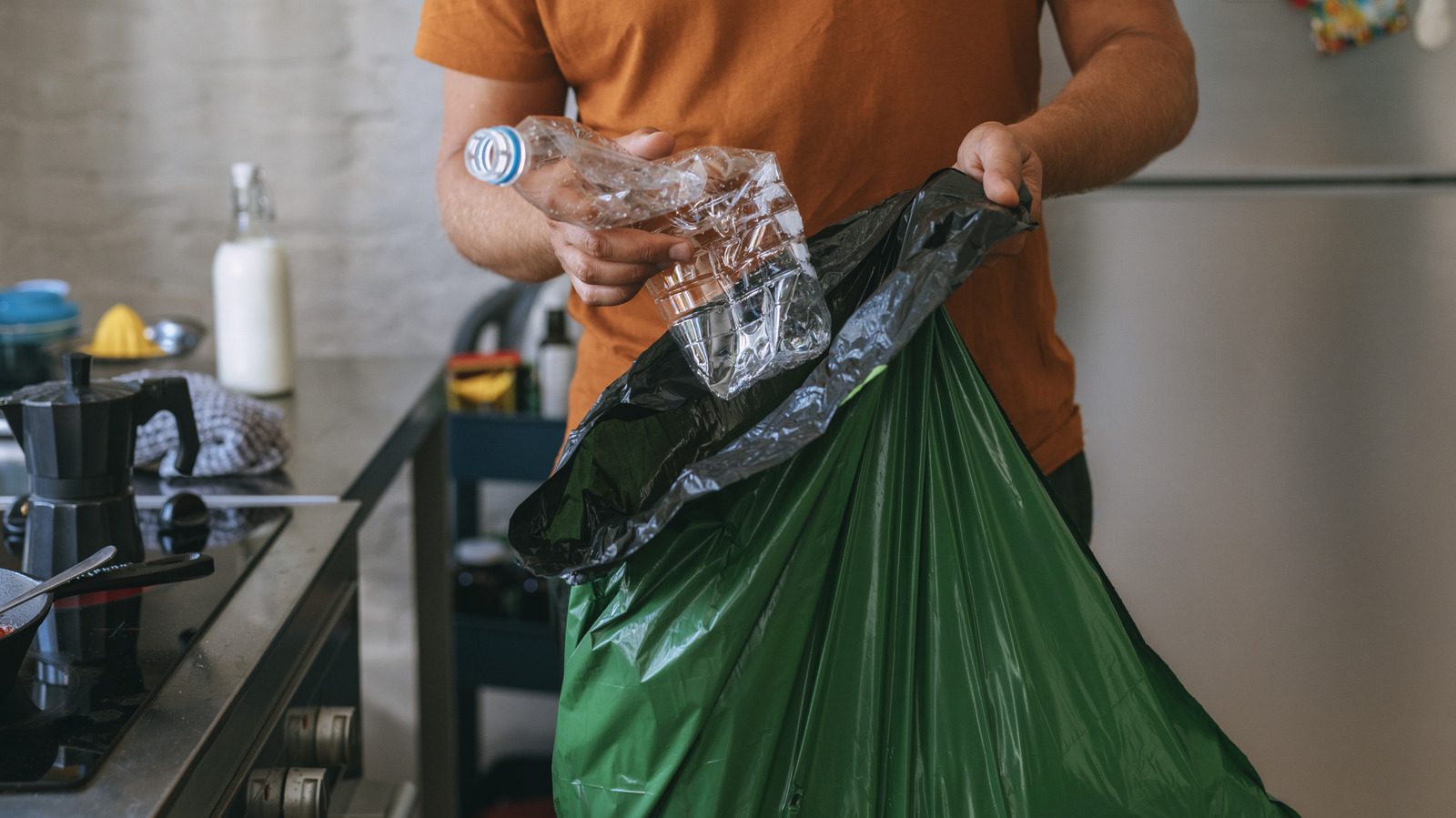
Never place batteries of any type in your curbside recycling bin. Batteries can damage recycling equipment and, if lithium batteries are mixed in, cause fires. Always use designated battery collection programs.
Environment
fromEarth911
1 month agoWhat Can You Do With Your Old Electrical Wires and Cables?
According to the UN's Global E-waste Monitor 2024, a record 62 million metric tons of electronic waste was generated worldwide in 2022, an 82% increase since 2010. E-waste is projected to reach 82 million metric tons by 2030. In the U.S. alone, roughly 8 million tons of e-waste is discarded each year.
Environment
Environment
fromEarth911
2 months agoGuest Idea: How Renewable Energy Innovations are Cultivating a Healthier Planet
Transitioning from fossil fuels to renewable energy is necessary to reduce deadly pollution, protect ecosystems, stabilize the economy, and requires coordinated policy and individual actions.
fromEarth911
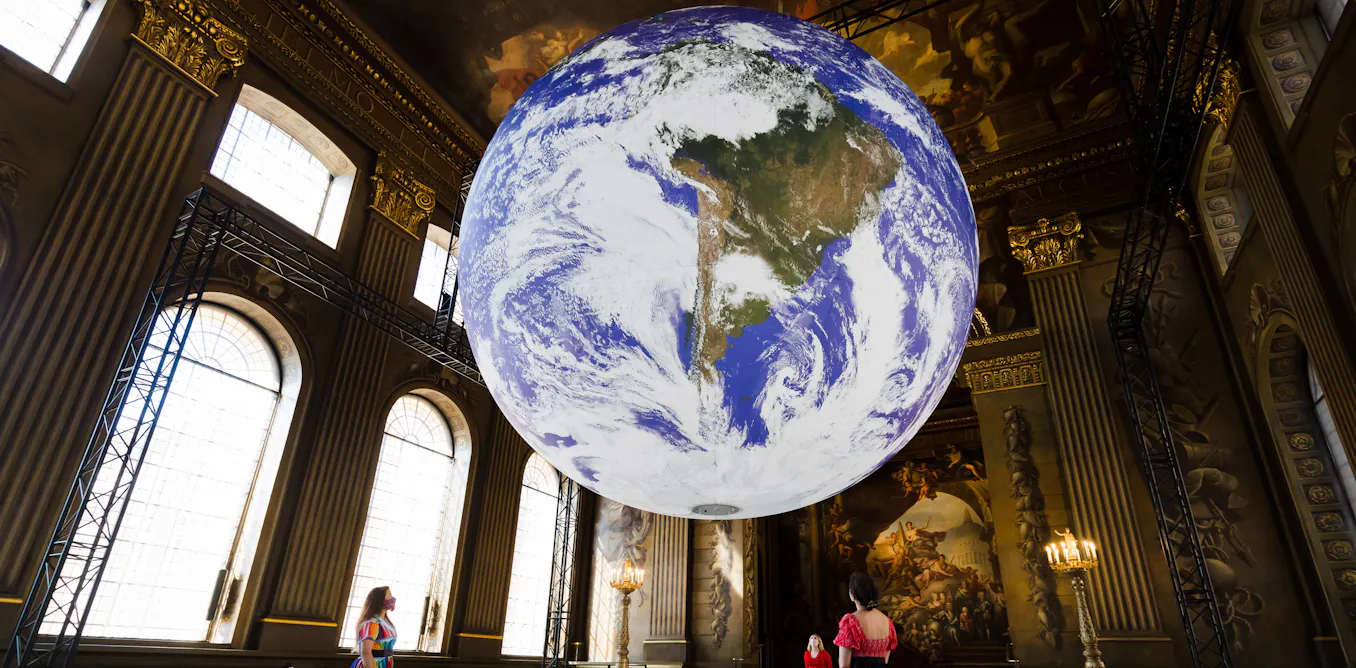
2 months agoEarth911 Inspiration: Waste Can End With You
We can make changes to reduce our waste by precycling when we shop, reducing what we purchase, reusing items to get the most use out of them, and recycling when possible. But when we have items to throw away, please dispose of trash responsibly and don't litter. Let's reduce our waste and clean up our planet. It's our only home.
Environment
Environment
fromComputerWeekly.com
2 months agoIT Sustainability Think Tank: The digital diet and the growing cost of AI energy use | Computer Weekly
AI expansion is straining land, water, and power grids; industry and individuals must share responsibility through a "Digital Diet" and SDG12-style responsible consumption.
[ Load more ]