#dementia
#dementia
[ follow ]
#caregiving #alzheimers #aging #cognitive-decline #memory #football #caffeine #family-caregiving #memory-care


fromLos Angeles Times
1 week agoDementia patient beaten, set on fire and killed in downtown L.A., prosecutors say
"This case involves an elderly man who was disoriented and living with dementia, conditions that made him particularly vulnerable. The level of violence alleged here is brutal, callous and extreme."
Los Angeles
fromwww.cbc.ca
3 weeks agoThese Ontario researchers are using virtual reality gaming to help older adults with dementia stay fit | CBC News
"For the ones who are confined in certain spaces or cannot do it independently, this is a great opportunity to transport them to a different reality from the ones that they are currently living in while keeping them active," Munoz told CBC Hamilton from his lab on Laurier's Brantford campus.
Medicine
fromIndependent
1 month ago'Mam has dementia and we need power of attorney to sell the house. But we've been quoted 10,000 in legal fees. What can we do?'
The family is faced with the challenge of appointing a decision-making representative for their mother, who has dementia, without a prior power of attorney in place.
Law


#caregiving

fromSilicon Canals
1 month agoParenting
The cruelest thing about dementia isn't the forgetting - it's the afternoon your mother looks at you with perfect clarity, says something so sharp and specific it could only come from the woman she was before, and then it closes like a window, and you spend the drive home trying to decide if that moment was a gift or the worst kind of goodbye - Silicon Canals
Parenting
fromSilicon Canals
1 month agoThe cruelest thing about dementia isn't the forgetting - it's the afternoon your mother looks at you with perfect clarity, says something so sharp and specific it could only come from the woman she was before, and then it closes like a window, and you spend the drive home trying to decide if that moment was a gift or the worst kind of goodbye - Silicon Canals
Moments of clarity in dementia patients are emotionally devastating because they offer false hope before the person disappears again into confusion.


fromwww.businessinsider.com
1 month agoAbercrombie & Fitch ex-CEO has dementia and could 'blurt out' during sex trafficking trial, defense to argue this week
Jeffries' lawyers argue that he is mentally incompetent to be tried on sex trafficking charges, citing Alzheimer's and Lewy body dementia as impairments that prevent him from understanding the trial.
Law


fromMail Online
1 month agoAI glasses that can help dementia patients live independently
The glasses, developed over ten years, can guide people living with early-stage dementia through daily activities by identifying everyday objects and providing audio commentary and putting up visual prompts.
Wearables

fromBoston.com
2 months agoReport: Bill Russell's widow sues his daughter over breach of contract
The lawsuit alleges that comments Karen Russell made in a Boston Globe column last October "tarnished" her father's legacy. "My dad had well-known cognitive issues," Karen Russell told the Globe. "He was also hard of hearing at the end of his life, which made it hard for everyone to be in contact with him." The comments were made in a sports column called "Bill Russell's daughter had never met Bob Cousy. Until now."
Boston Celtics





fromSilicon Canals
2 months agoWhy retirees who work part-time often outlive those who fully retire - and what the research really shows - Silicon Canals
A growing body of evidence shows that retirees who continue working part-time tend to live longer, healthier lives than those who fully retire. It sounds counterintuitive in a culture that glorifies early retirement and endless leisure, but the data tells a compelling story about what really keeps us thriving as we age.
Health
fromwww.mercurynews.com
2 months agoAsking Eric: My friend is furious because I requested a welfare check
Two years ago, I noticed changes in my friend's ability to carry on conversations and her lack of awareness of current events. After COVID's isolation, she and her husband seldom left their house, and her husband spent more time on his computer. My friend's calls to me became more frequent and repetitive even though she had no news or reason to phone. She repeated the same three or four stories and often within a five-minute span.
Public health

fromPsychology Today
3 months agoWhen Memory Worries Deserve Attention
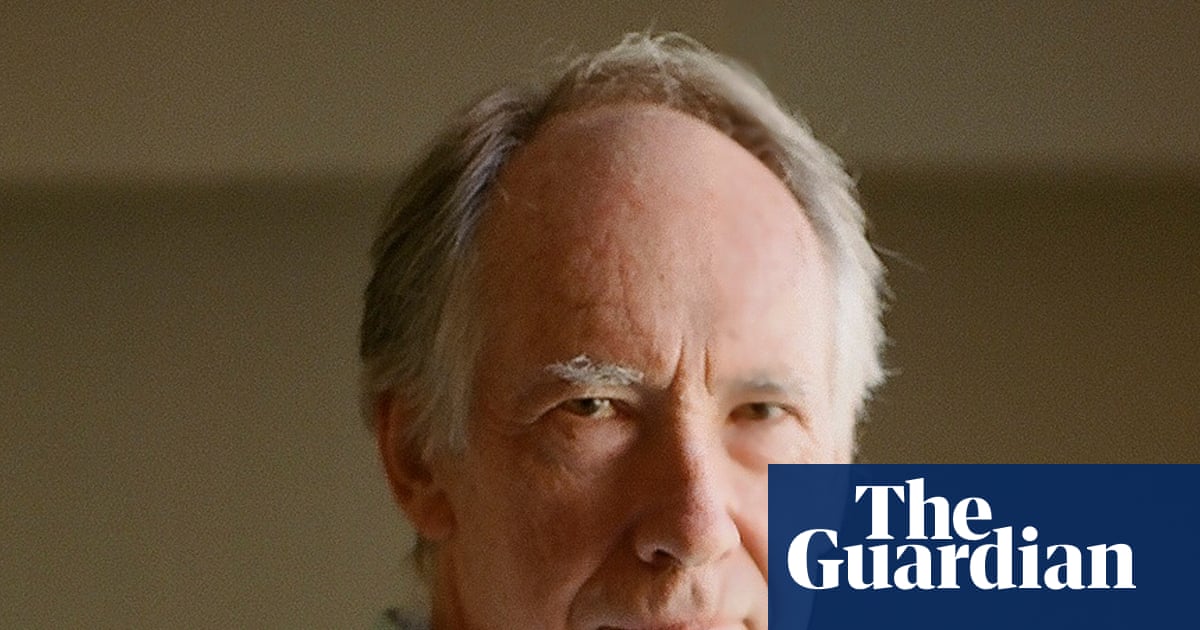
Most people will forget a name, misplace their phone, or lose track of a conversation at some point. Usually, those moments pass without much thought. But for many adults, especially as they age, small lapses can trigger a much deeper fear: Is this the beginning of cognitive decline? As a neurologist, I hear this concern often. And as a researcher, I have learned something important: Worry about cognition and cognitive disease are not the same thing.
Mental health
fromwww.standard.co.uk
3 months agoMoment woman, 84, with dementia is mugged yards from her home in east London
An elderly woman with dementia has been left terrified to leave home after she was muggedjust yards from her front door in east London. Katherine Stockdale, 84, was targeted on Sturry Street in Poplar on Saturday, January 24, while walking back from the local market with her trolley. CCTV footage, which has been circulating on social media, appears to show a woman stopping Katherine in the street and asking her something.
UK news
fromQueerty
3 months agoWhat is "dementia face" & is a certain despot showing all the signs? - Queerty
This past month, many members of the American public (the sane part, at least) have been united in our wishful thinking: they want that man gone, and it can't happen soon enough. Last week, after Tr*mp's decaying hand (and an emergency Air Force One stop) raised everyone's hopes, it seems we're back where we started: wishing, hoping, and praying for an end to the madness we're currently living through.
US politics
Television
fromPinkNews | Latest lesbian, gay, bi and trans news | LGBTQ+ news
3 months agoThe Traitors winner Rachel Duffy shares tragic news of her beloved mum's death
Rachel Duffy's mother, Anne, has died; Duffy had planned to use her Traitors prize money to make memories due to Anne's Parkinson's and dementia.
fromwww.standard.co.uk
3 months agoFamily of Gordon McQueen in plea to make football safer after his death
It should have been a turning point many, many years ago when we learned the same thing with Jeff Astle and not much has happened between that time and now. Hopefully, my dad's legacy will not just be what he gave football on the pitch but what we can learn from this and make sure that this really horrible problem isn't a problem for future generations.
Soccer (FIFA)
fromwww.independent.co.uk
3 months agoPensioner with dementia convicted over car insurance despite not being able to drive
Whether it's investigating the financials of Elon Musk's pro-Trump PAC or producing our latest documentary, 'The A Word', which shines a light on the American women fighting for reproductive rights, we know how important it is to parse out the facts from the messaging. At such a critical moment in US history, we need reporters on the ground. Your donation allows us to keep sending journalists to speak to both sides of the story.
US politics
fromPsychology Today
3 months agoWhy Some People Seem Immune to Dementia
Dementia is linked to changes in the brain. Health professionals used to assume that brain damage and dementia symptoms always went hand in hand. More recent research, however, shows that some people have significant brain damage yet never develop dementia. How can that be? In a previous post, I shared that dementia is defined by the inability to function in everyday life, such as getting lost in familiar places, having difficulty managing finances, forgetting to turn off the stove, or struggling with basic tasks.
Medicine
Public health
fromYanko Design - Modern Industrial Design News
3 months agoHoming Compass Lets a Single Red Arrow Always Point the Way Back Home - Yanko Design
A simple, single-arrow homing device can let people with early dementia navigate back home safely, restoring confidence and enabling independent walks.
fromdesignboom | architecture & design magazine
4 months agowooden compass with single red arrow leads people with dementia to their homes
Aumens introduces a wooden compass with a single red arrow to help lead people with dementia safely to their homes. Activating automatically when picked up and turning off when placed down, the device has no power button to remember, no startup sequence, and no confirmation screen. Movement here becomes the interface, and this design choice removes one of the most common failure points in assistive devices: forgetting to turn them on.
Public health
Healthcare
fromBusiness Insider
4 months agoMy mother prepared for retirement, but a dementia diagnosis wiped out her savings. I had to scramble to figure out her care.
Retirement savings can be quickly exhausted by unexpected serious health issues, forcing families to sell assets and rely on Medicaid for long-term care.
US politics
fromLGBTQ Nation
4 months agoTrump's doctors are monitoring "the progress of his dementia and/or strokes," psychologist says - LGBTQ Nation
Repeated MoCA tests and periodic MRIs indicate clinicians are monitoring Donald Trump's cognitive decline rather than conducting only initial dementia screening.
fromTime Out New York
4 months agoKevin Bacon and Kyra Sedgwick talk about their new NYC-based movie
But back to New York: the mix of nostalgia, pace and emotional honesty that the actors allude to during our chat sits at the heart of The Best You Can. Sedgwick plays Cynthia, a tightly wound New York urologist whose world turns upside-down as her husband starts showing signs of dementia. Bacon's character, Stan-a home security guard estranged from his daughter-stumbles into her life after a late-night break-in, an encounter that sparks an unexpected mid-life connection.
Film
Television
fromwww.theguardian.com
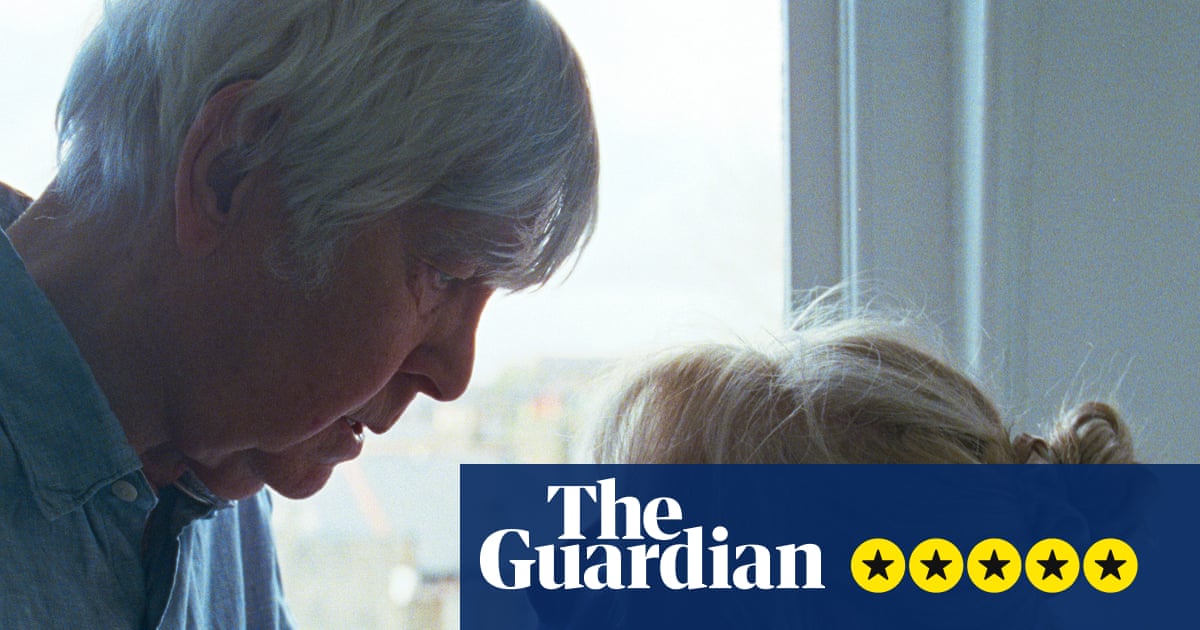
5 months agoChris Hemsworth: A Road Trip to Remember review a heartbreaking attempt to fight his dad's dementia
Chris Hemsworth takes his father with early-stage Alzheimer's on an immersive motorcycle road trip to stimulate memory retrieval and slow cognitive decline through social interaction.
fromOpen Culture
5 months agoHow a Dutch "Dementia Village" Improves Quality of Life with Intentional Design
Peo­ple suf­fer­ing from demen­tia lose their abil­i­ty to take an active part in con­ver­sa­tions, every­day activ­i­ties, and their own phys­i­cal upkeep. They are prone to sud­den mood swings, irri­tabil­i­ty, depres­sion, and anx­i­ety. They may be strick­en with delu­sions and wild hal­lu­ci­na­tions. All of these things can be under­stand­ably upset­ting to friends and fam­i­lies. There's a lot of stig­ma sur­round­ing this sit­u­a­tion.
Public health
fromBOOOOOOOM!
5 months agoPhotographer Spotlight: Don Brodie
Brodie earned his degree in photography from Parsons The New School for Design in New York. Rooted in personal and cultural experiences, Brodie's work explores identity, texture, and emotion through both still and moving images. He is also the co-founder of Forgotten Lands, an independent publisher dedicated to authentic Caribbean art, culture, and dialogue. Brodie began this series in 2020. It focuses on long-overlooked health diagnoses within his own family, specifically his father's dementia and the passing of his eldest and only sister.
Photography
[ Load more ]