#democratic-republic-of-the-congo
#democratic-republic-of-the-congo
[ follow ]



fromwww.theguardian.com
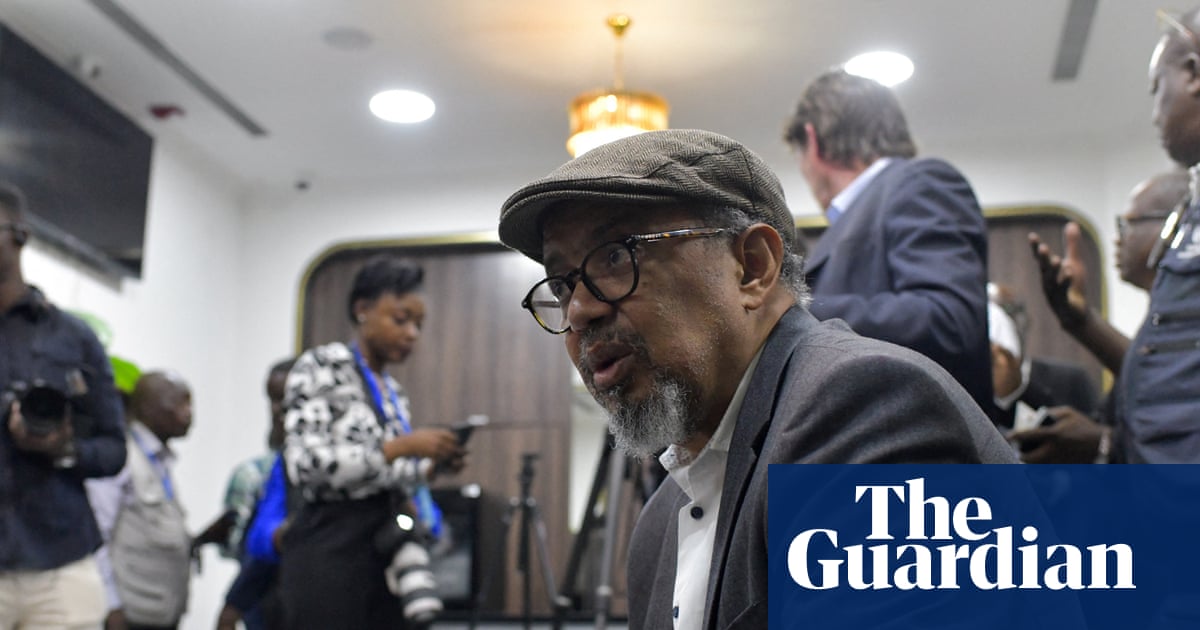
2 days agoThe US has deported thousands to third countries. This must stop | James A Goldston and Natasha Arnpriester
Originally from Bolivia, he entered the United States legally at the Arizona border in July 2024, affirmatively approached authorities, and requested asylum. Six months later, a US immigration judge found he had been tortured in Bolivia, would probably face torture again if returned, and barred his removal to his home country. The government did not appeal. Yugar-Cruz was not released for almost a year. Instead, ICE spent months searching unsuccessfully for somewhere else to send him.
Washington DC



fromwww.theguardian.com
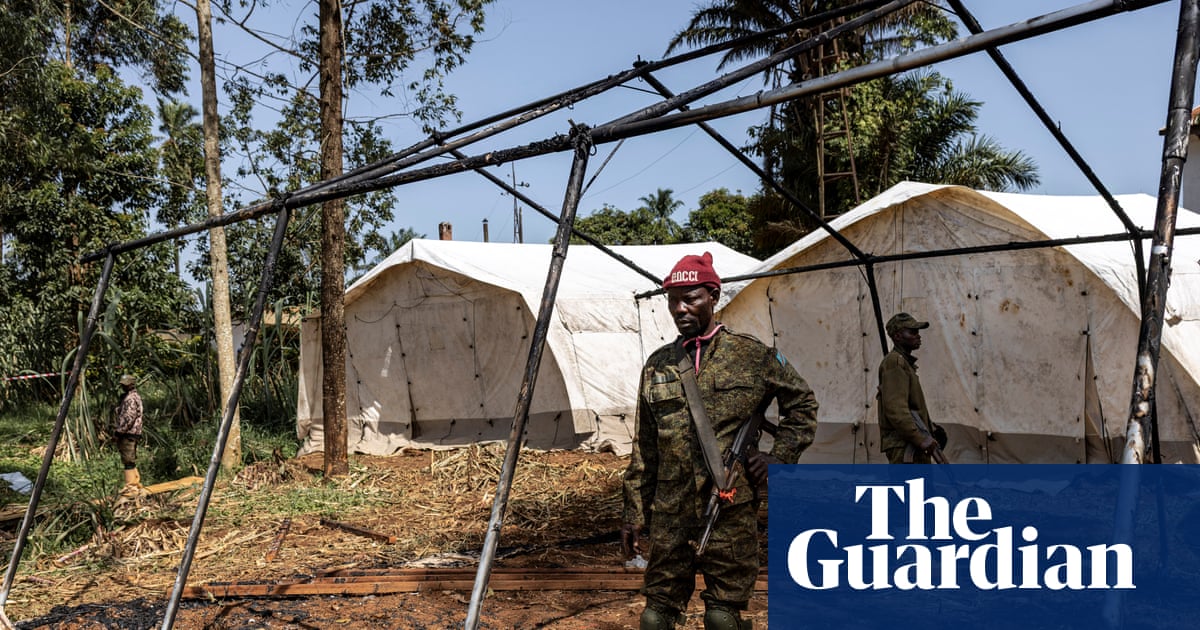
1 month agoNo food, no shelter, no blankets: inside Burundi's fast-growing refugee camps in pictures
Since early 2025, clashes have intensified in the eastern part of the Democratic Republic of the Congo (DRC), displacing hundreds of thousands of people across the region.
World news




fromwww.aljazeera.com
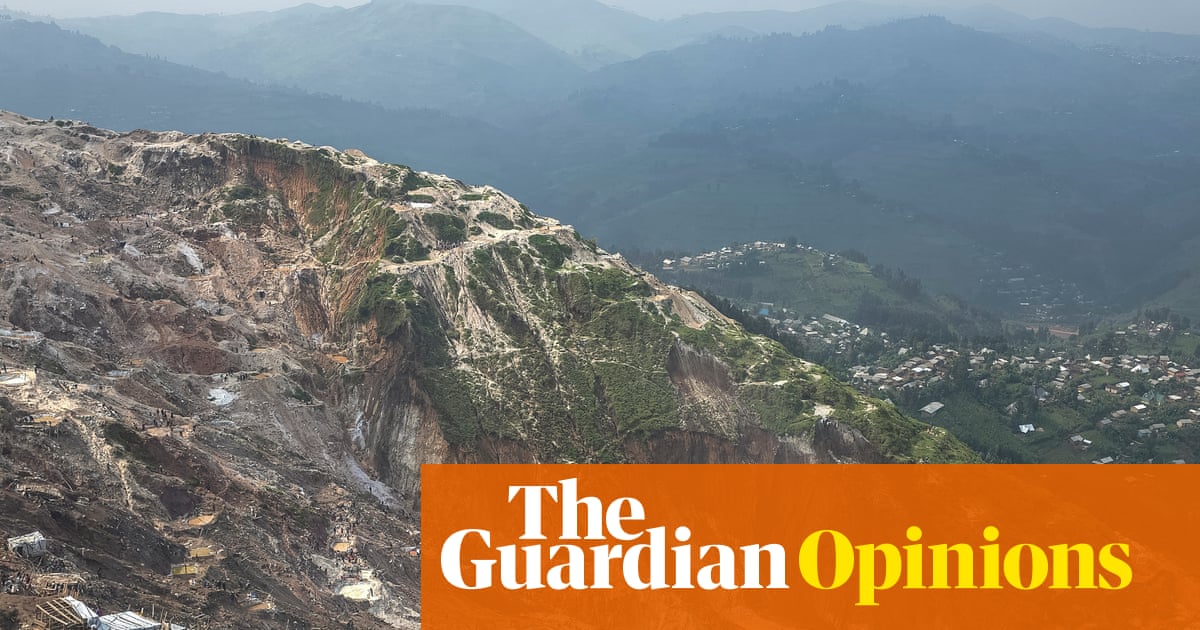
5 months agoCobalt Miners: The human cost of clean energy
In DRC's perilous mines, Eagle Mujinga walks a tightrope, protecting workers' welfare to supply international demand for cobalt. Eagle Mujinga manages workers at Shabara cobalt mine in the Democratic Republic of the Congo (DRC). As the world's biggest producer of cobalt, the DRC is a part of the chain that fuels electric vehicles and renewable energy worldwide. Miners in the DRC face dangerous working conditions and earn, on average, a few dollars per day to supply the multibillion-dollar industry.
Film
fromwww.aljazeera.com
6 months agoUS group sues Apple over DR Congo conflict minerals
A United States-based advocacy group has filed a lawsuit in Washington, DC, accusing Apple of using minerals linked to conflict and human rights abuses in the Democratic Republic of the Congo (DRC) and Rwanda despite the iPhone maker's denials. International Rights Advocates (IRAdvocates) has previously sued Tesla, Apple and other tech firms over cobalt sourcing, but US courts dismissed that case last year.
World news



[ Load more ]