#dog-aging
#dog-aging
[ follow ]


Psychology
fromSilicon Canals
1 day agoBehavioral scientists have found that how old you feel inside predicts cognitive health in later life - independent of your actual age - Silicon Canals
Subjective age significantly influences brain health, with younger feelings correlating to healthier brain structures.

Pets
fromSilicon Canals
3 weeks agoPsychology says people who sleep in the same bed as their dogs aren't substituting the dog for human intimacy - they're supplementing a human life with the one kind of companionship that asks for nothing, carries no grievances into the bedroom, and has never once in the history of the arrangement woken up on the wrong side - Silicon Canals
Co-sleeping with dogs provides comfort and security, enhancing relaxation and sleep quality for many pet owners.
fromPsychology Today
2 months agoWhy Do Dogs Need a Tail?
Careful kinematic research, such as that done by a Japanese team headed by Naomi Wada, has determined that the dog's tail was designed to assist the dog with balance. When a dog is running and turns quickly, he throws the front part of his body in the direction he wants to go. This causes his back to bend; however, the forward velocity is such that his hindquarters will tend to continue in the original direction.
Science

fromAlternative Medicine Magazine
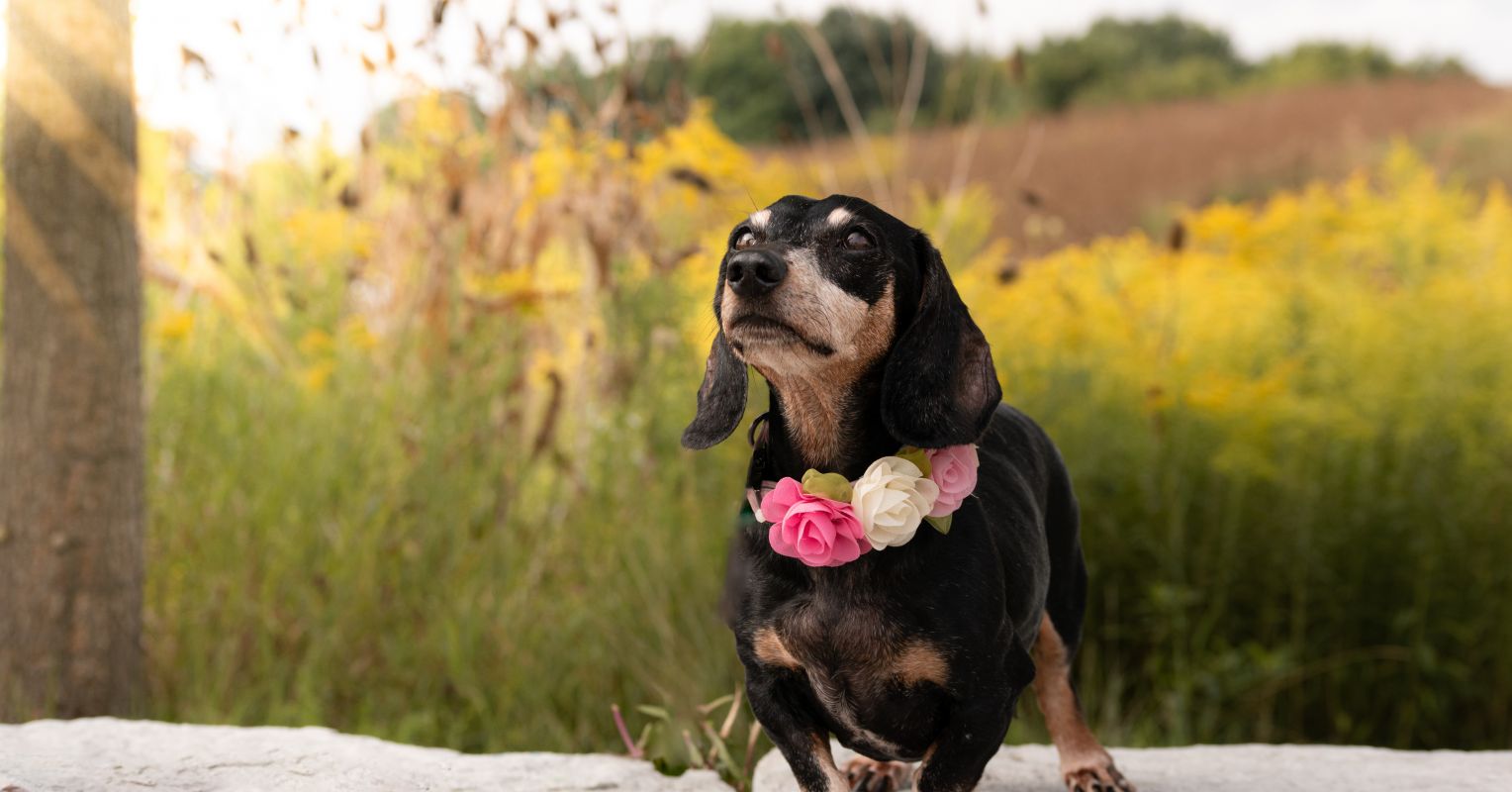
1 month agoHealthy Lifestyle for Seniors: What to Prioritize After 60
As you age, your body gets less efficient at repair and recovery, as your: Immune system gradually loses some of its resilience Digestion slows Chances of chronic conditions like heart disease, type 2 diabetes, and osteoporosis increase Retirement can also impact your health in complex ways. While stepping away from work often reduces stress, it may lead to less physical activity and fewer social interactions-both of which can raise your health risks.
Alternative medicine
fromSilicon Canals
2 months agoPeople who stayed physically active into their 80s share these 7 movement habits they started before it became trendy - Silicon Canals
It got me thinking. While everyone's obsessing over the latest fitness trends and biohacking protocols, these folks have been consistently moving their bodies for decades. No fancy equipment, no Instagram-worthy routines, just simple habits they picked up long before movement became a multibillion-dollar industry. So I started asking around, digging into research, and talking to people who've stayed active well into their golden years. What I found wasn't revolutionary or complicated. It was refreshingly simple.
Exercise
Medicine
fromwww.theguardian.com
2 months agoThe pet I'll never forget: Jack, the sacked sniffer dog, who pulled me through the darkest days of chemo
A retired police cocker spaniel provided companionship and practical emotional support during cancer treatment, giving structure, comfort, and unconditional love.
Pets
fromwww.theguardian.com
1 month agoCrossbreed dogs show more behavioural problems than pure breeds, study suggests
Designer crossbreed dogs like cockapoos and cavapoos exhibit more behavioral problems than their purebred parent breeds despite popular expectations of improved temperament and health.
Pets
fromScary Mommy
2 months agoWhat Vets Say You Should Be Doing When Your Beloved Pet Starts To "Slow Down"
Senior pets frequently develop arthritis, dental, kidney, heart, endocrine, and cognitive problems; proactive age-based care, including semiannual exams and routine lab work, improves outcomes.
fromSilicon Canals
2 months agoVets can tell which dogs are truly thriving and which are just being "managed"-here are 7 signs they notice right away - Silicon Canals
Remember that moment at the dog park when you see two golden retrievers, with one bouncing around with bright eyes and a glossy coat, and the other just going through the motions with a dull expression despite being perfectly groomed? Both dogs are clearly loved and cared for, but something deeper separates them: It's the difference between a dog that's genuinely flourishing and one that's simply being maintained.
Pets
fromSilicon Canals
2 months agoThe 3 dog training mistakes that create anxiety in puppies-and most owners do them daily without realizing it - Silicon Canals
Picture this: Your new puppy is pressed against the corner of the room, trembling slightly as you call their name. Their tail, which should be wagging with excitement, is tucked firmly between their legs. You've done everything the books told you, bought all the right toys, followed the feeding schedule perfectly, yet somehow your furry friend seems more nervous with each passing day.
Pets
fromPsychology Today
1 month agoA Positive Paw Report
Dog ownership has increased dramatically in many western countries. For example, in the UK there has been an increase from around 8.3 million in 2011 to 13.5 million in 2025. That means that approximately 29% of UK adults own a dog! At least partially this increasing trend of owning a dog is linked to millennials being more likely to have children later in life.
Pets
fromMail Online
1 month agoKilling your dog with kindness? Puppuccino is equivalent of milkshake
A single 30g cube of cheese, frequently featured in 'cheese tax' clips, is the equivalent of a person eating two and a half bags of crisps. A puppuccino - a popular treat from coffee shops that is made with whipped cream - carries a similar calorie hit to a McDonald's milkshake. More indulgent treats can be even more damaging, with just one slice of pizza making up around a third of a dog's daily calories.
Pets
Pets
fromSilicon Canals
1 month agoDog walkers say they learn more about a family from spending 30 minutes with their pet than most friends learn in years - these are the 7 things the dog reveals that the owner never would - Silicon Canals
Professional dog walkers can accurately assess families' personal circumstances and stress levels by observing behavioral changes in their pets, as dogs reflect their owners' emotional states and life conditions.
fromwww.theguardian.com
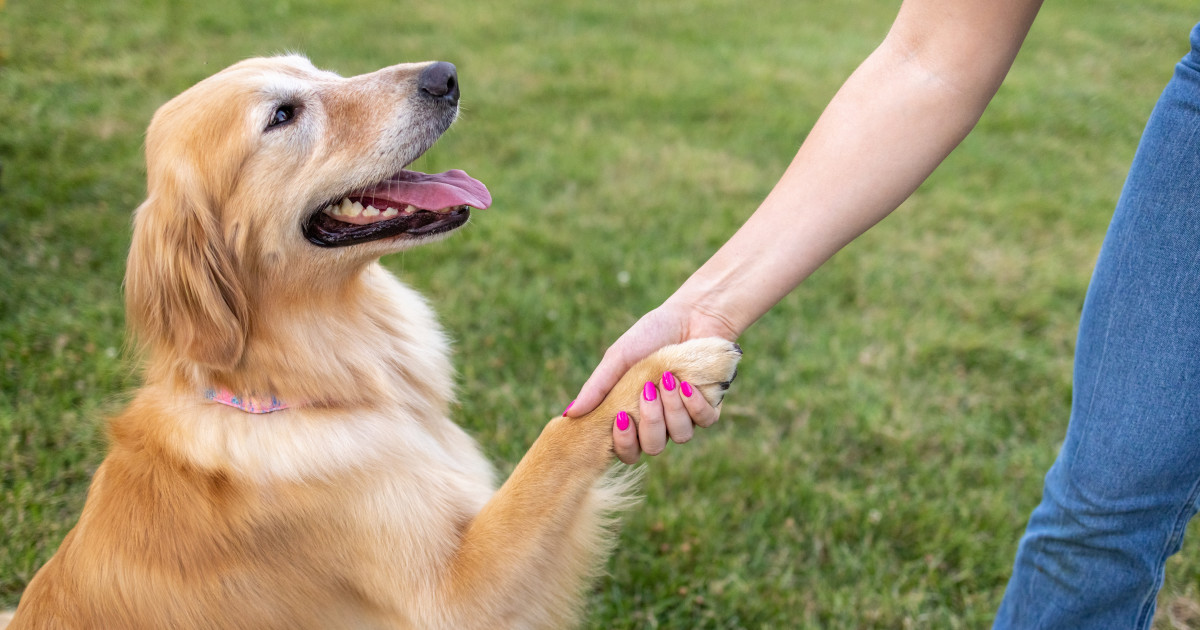
1 month agoCanine carer: how guide dog school dropout Marcus came to comfort cancer patients for a living
Marcus was purpose-bred at the Guide Dogs Centre in Glossodia a small town at the foot of the Blue Mountains, 68km north-west of Sydney. In April 2020, at the start of our most recent global pandemic, when Marcus was eight weeks old, he went to live with puppy raisers Alex and Alison.
Pets
fromFast Company
2 months agoThis startup raised $250 million to help dogs live longer
The company on February 11 announced it had raised $100 million in Series C funding as it pursues FDA approval of LOY-002, a beef-flavored daily prescription pill designed to extend the healthy lifespan of senior dogs. The drug mimics some of the effects of a calorie-restricted diet in addressing age-related metabolic issues without requiring pet owners to cut their dogs' food supply or curbing canine appetites.
Pets
[ Load more ]