#edward-i
#edward-i
[ follow ]
#jeffrey-epstein #prince-andrew #reproductive-rights #royal-family #british-monarchy #military-history
#house-of-lords-reform

UK politics
fromwww.theguardian.com
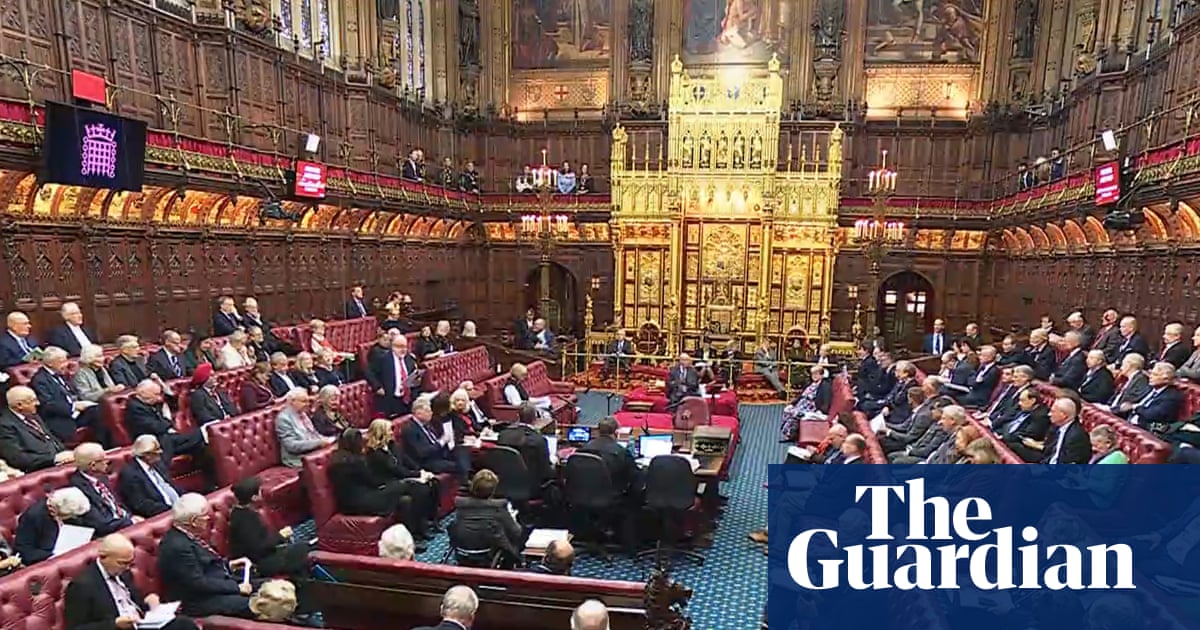
1 month agoHereditary peers to lose their seats in the House of Lords
Hereditary peerages will be abolished, with hereditary peers losing their seats after the current parliamentary session ends, though some will receive life peerages as part of a deal that secured Conservative support.
fromArtnet News
1 month agoA Powerful Medieval Queen Returns-As an A.I. Avatar You Can Chat With
Although Eleanor's marriage to Edward in 1253 was political in nature (it settled a dispute over Gascony), the two were besotted and virtually inseparable. Over the course of a 30-year marriage she gave birth to 16 children (only six survived) and became Edward's confidant, accompanying him on crusade in the early 1270s.
Arts
fromLondon Unattached
1 month agoBritain's Bayeux Tapestry - Reading - Preview
The 70 metre embroidery tells the story of the Battle of Hastings and of life in 11th-century England before and after the Conquest, all in remarkable detail, with images of castles, battles, feasts, and even potential forn!cation in the Ælfgyva mystery, Ubi unus clericus et Ælfgyva.
History
fromOpen Culture
1 month agoHow the Long-Lost Body of Richard III Was Found Under a Parking Lot: Solving a 500-Year-Old Mystery
Richard III's remains were discovered in Leicester in the early 2000s after centuries of mystery following his burial at Greyfriars Church and the church's demolition by Henry VIII.
UK politics
fromenglish.elpais.com
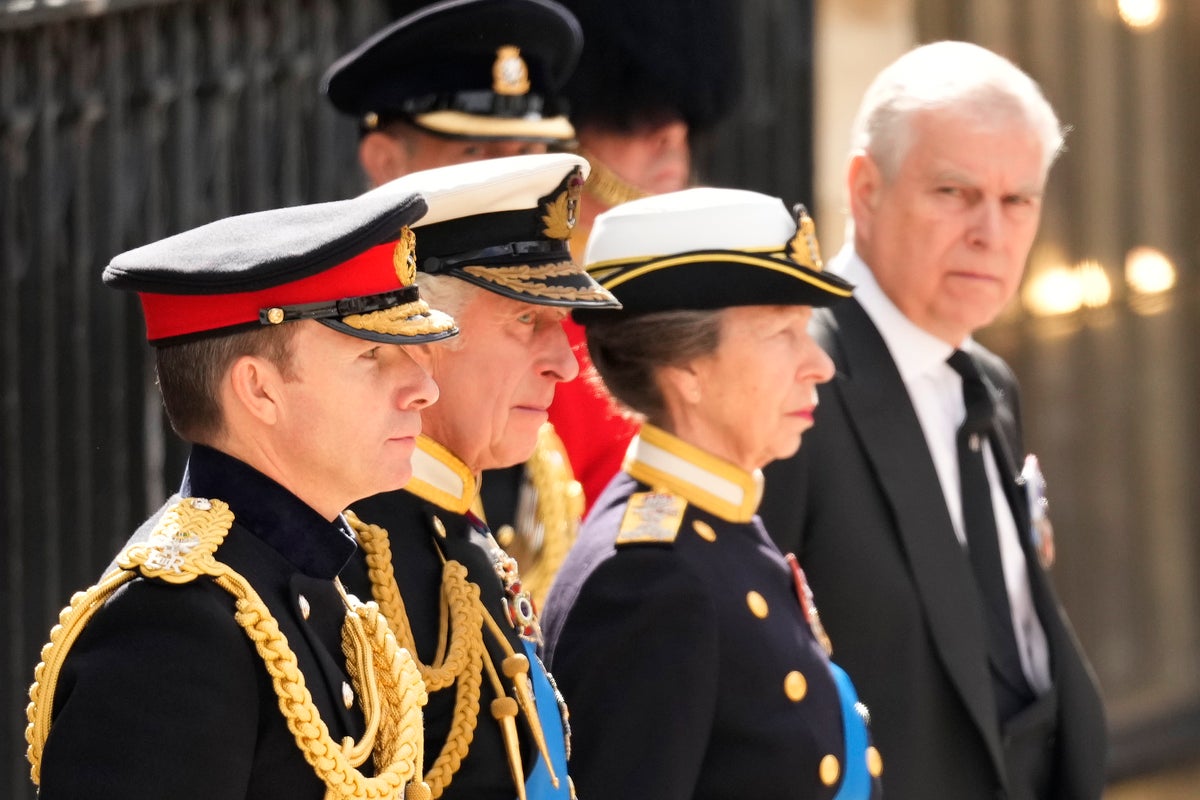
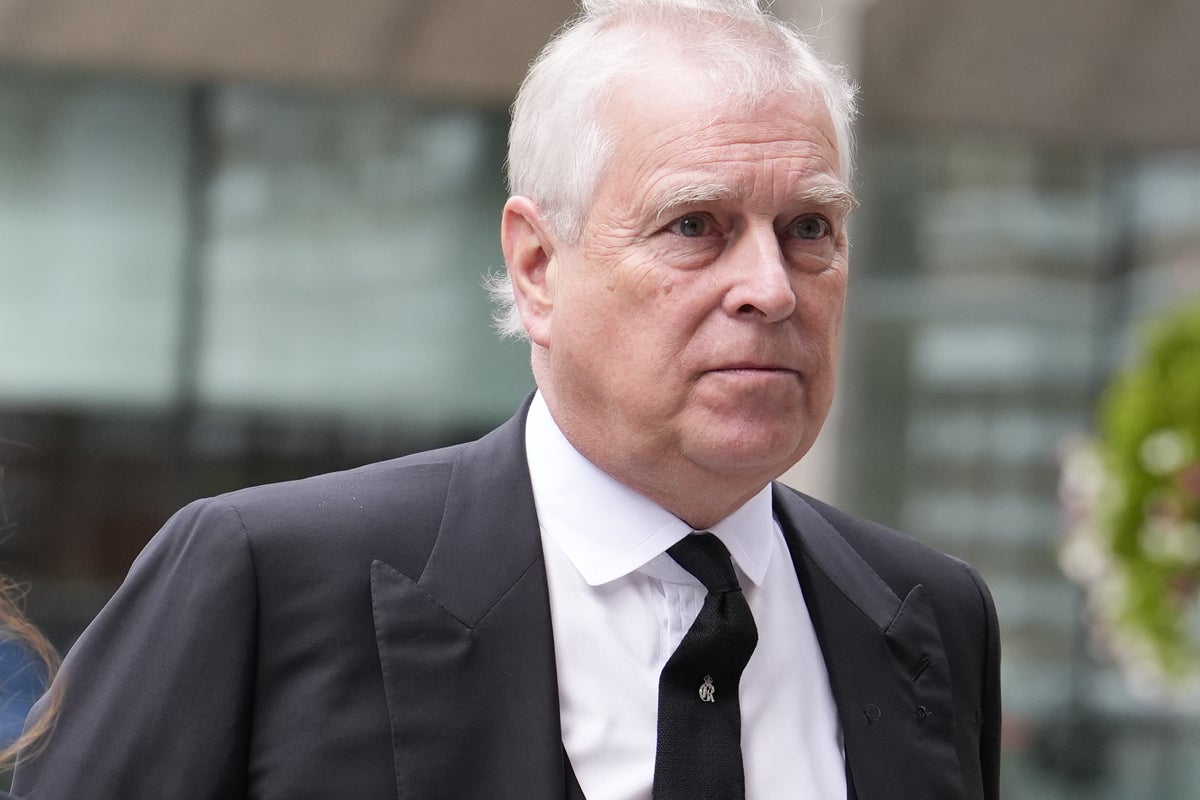
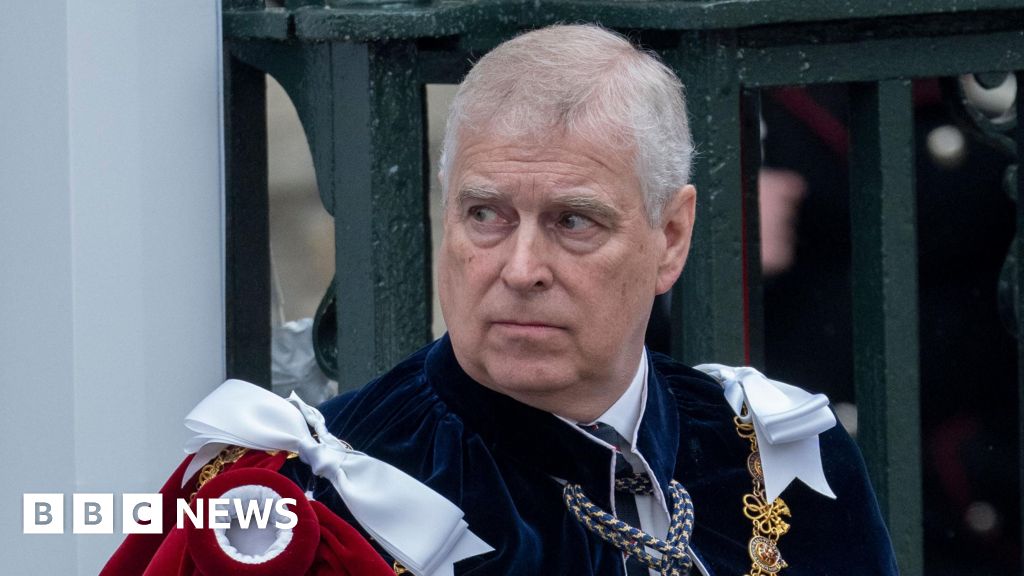
1 month agoArrest of Andrew Mountbatten forces British government and Charles III to air the Windsor family's dirty laundry
British MPs broke parliamentary tradition by publicly criticizing Prince Andrew and questioning who knew about his misconduct with Jeffrey Epstein, revealing that officials had prior knowledge of his activities.







fromThe Art Newspaper - International art news and events
2 months agoBritish Museum acquires 3.5m golden pendant linked to Henry VIII after high-profile campaign
The British Museum has successfully raised the £3.5m it required to acquire the Tudor Heart, an intricately decorated golden pendant with links to Henry VIII and his first wife, Katherine of Aragon. The purchase has been made possible after a four-month fundraising campaign, and thanks to donations including £1.75m from the National Heritage Memorial Fund as well as contributions from more than 45,000 members of the public.
Arts
History
fromMedievalists.net
1 month agoNew Medieval Books: Castles and Strongholds of Northumberland - Medievalists.net
Northumberland contains more castles, towers, peles, bastles and barmkins than any other British county, serving as private residences and fortifications for nobility and landowners.
fromLondon Business News | Londonlovesbusiness.com
1 month agoAndrew Mountbatten-Windsor warned 'nothing is off the table' as MPs could start probe - London Business News | Londonlovesbusiness.com
The committees not had a chance to reflect on these allegations because recess means Parliament isn't sitting this week. My task this week is to make sure that the committee's got options in front of them when they meet on Tuesday for how we might or might not take this investigation forward. Obviously, we can't and don't want to compromise a police investigation.
UK politics
fromWorld History Encyclopedia
1 month agoCnut: The North Sea King
"Cnut: The North Sea King" by Ryan Lavelle is a short and engaging biography of the most ambitious and successful Scandinavian leader of the Viking Age. Lavelle captures both the brutality and pragmatism that allowed Cnut to govern England effectively for almost two decades, despite being an outsider and a foreign conqueror. In 1066 and All That (1930), a parody book of English history,
History
fromMedievalists.net
1 month agoMusic for a Medieval Coronation: Edward the Confessor at Winchester - Medievalists.net
Music and England's royal coronations are inextricable. Since the mid-eighteenth century, the coronations of the nation's monarchs have been elevated by the works of prominent composers, most notably the opulent coronation anthem, "Zadok the Priest." This piece, with its regal instrumentation that consists of orchestra-including timpani and brass-and choir, was one of four anthems written by the prolific and celebrated eighteenth-century composer George Frideric Handel (1685-1759) for King George II's coronation on October 11, 1727.
History
fromMedievalists.net
2 months agoThe Battle of Dupplin Moor (1332) - Medievalists.net
Scotland's in turmoil in the 1330s-and Edward III spots an opening. In this episode of Bow & Blade, Michael and Kelly break down the Battle of Dupplin Moor, where tactics, terrain, and timing turn chaos into catastrophe. The hosts of Bow & Blade: Kelly DeVries is a Professor at Loyola University in Maryland and Honorary Historical Consultant at the Royal Armouries. You can learn more about Kelly on his university webpage.
History
fromianVisits
2 months agoPikes at the Palace: English civil war re-enactors to march through London
So, on Sunday 25th January, members of the reenactment society will converge on The Mall from all across the country, some arriving already dressed in buff coats and broad-brimmed hats, others changing into period clothing on arrival. There are pikes to be shouldered, muskets checked, and a few tentative practice swings as old drill is recalled, before the ranks are set and order restored.
History
fromMedievalists.net
2 months agoOnline Course: The Normans in Europe - Medievalists.net
We get started by exploring the origins of the Normans in the county and then duchy of Normandy. We will understand their Norse background and their relationship with the Carolingians. The timeline approach will help us discover all the counts and dukes of Normandy, and what they contributed to their realm. This will set the foundation for the interconnected stories that will lead us to England and the Mediterranean.
History
fromWorld History Encyclopedia
2 months agoDid Uhtred of Bebbanburg Really Exist in Anglo-Saxon England?
The Last Kingdom (2015-2022) is a historical fiction TV series based on Bernard Cornwell's The Saxon Stories novels and adapted for television by English screenwriter Stephen Butchard. With five seasons, the show began as a BBC production and was later acquired by Netflix. Filmed in Hungary and Wales, it is based on English history during the 9th and 10th centuries, as the Anglo-Saxon kingdoms fought against the invading Vikings.
History
fromWorld History Encyclopedia
1 month agoSeven Kings Must Die Film - Historical Accuracy
Seven Kings Must Die (2023) is a historical drama film based on Bernard Cornwell's novel Warlord (2020) and is a sequel to the TV series The Last Kingdom (2015-2022). Directed by Edward Bazalgette and produced by Carnival Films, it depicts the build-up to and the Battle of Brunanburh (937), in which King Aethelstan of England (reign 924-939) defeated an alliance of Scots and Vikings. Background & The Last Kingdom The film's protagonist is the fictional warrior and nobleman Uhtred of Bebbanburg (modern-day Bamburgh).
History
fromMedievalists.net
2 months agoTalking Templars: Assassins versus Templars - Medievalists.net
The Assassins and the Knights Templar have become two of the most iconic groups of fighters from the period of the Crusades. In recent times, they have been popularised through the video game and movie franchise, Assassin's Creed. But who were they really and how did they interact in the Holy Land? It's an intriguing story that Dr Steve Tibble and Tony McMahon investigate in the first episode of their new podcast series, Talking Templars.
History
[ Load more ]