#export-controls
#export-controls
[ follow ]
#nvidia #ai-chips #china #semiconductors #national-security #nvidia-h200 #us-china-relations #china-ai #supermicro
#us-china-relations
Intellectual property law
fromTNW | China
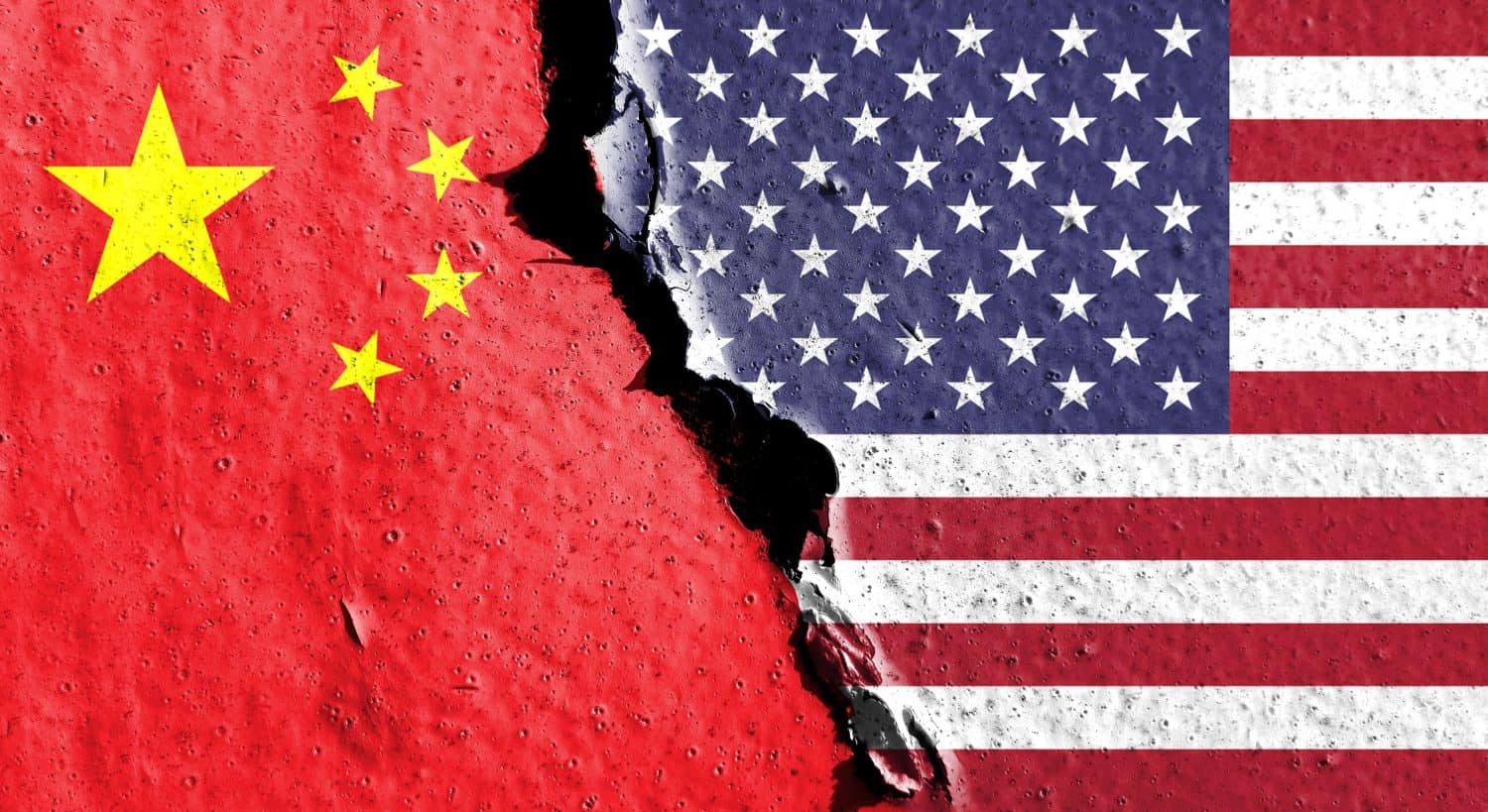
6 days agoThe US wants to cut off China's chip equipment. China says the supply chain will break for everyone.
US chip export legislation threatens global semiconductor supply chains, prompting China's Ministry of Commerce to issue a warning about severe disruptions.
















#ai-policy
Artificial intelligence
fromAxios
1 month agoScoop: Anthropic meets with House Homeland Security behind closed doors
Clark met with bipartisan committee lawmakers in a closed-door session focused on AI model distillation and export controls, with a friendly tone and no central discussion of Pentagon disputes.

Artificial intelligence
fromAxios
1 month agoScoop: Anthropic meets with House Homeland Security behind closed doors
Clark met with bipartisan committee lawmakers in a closed-door session focused on AI model distillation and export controls, with a friendly tone and no central discussion of Pentagon disputes.
US politics
fromwww.mercurynews.com
1 month agoUS senators press Intel over ties to firm with sanctioned units
Six bipartisan senators demand Intel explain its relationship with blacklisted semiconductor equipment maker ACM Research due to national security concerns involving Chinese military-connected companies.
Tech industry
fromSilicon Canals
2 months agoNVIDIA's $5.5B China chip sale happened the same week Washington tightened export controls. The timing wasn't coincidental - Silicon Canals
NVIDIA sold $5.5 billion in H20 chips to China during a predictable regulatory window, exploiting the gap between policy announcement and enforcement through legally compliant strategic timing.


US politics
fromwww.mercurynews.com
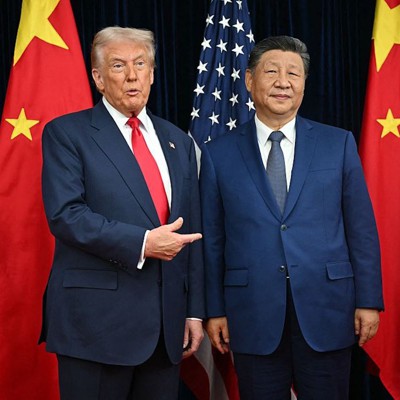
2 months agoOpinion: Trump risks US innovation and security if he sells China advanced chips
China aims to displace U.S. global leadership through economic and technological means, prompting calls to restrict advanced chip exports and tighten national security reviews.
fromwww.mercurynews.com
2 months agoApplied Materials to pay $252.5 million to settle US probe
Applied Materials Inc. will pay $252.5 million to settle a US Commerce Department investigation into improper exports to China, ending a yearslong saga for the largest American supplier of chipmaking machinery. The agreement resolves allegations by the Commerce Department's Bureau of Industry and Security that certain shipments to China between November 2020 and July 2022 didn't comply with export regulations, the company said in a statement Wednesday.
Silicon Valley




fromwww.cbc.ca
3 months agoNDP MP calls on government to sanction Canadian companies doing business with ICE | CBC News
An NDP MP is calling on the government to take action to stop Canadian businesses from having any dealings with the U.S. Immigration and Customs Enforcement, or ICE. Heather McPherson posted a letter she penned to Prime Minister Mark Carney on X Thursday, saying that the government should consider a number of actions against Canadian companies that have business with the agency.
Canada news
fromBusiness Insider
3 months agoAnthropic CEO warns tech titans not to dismiss the public's AI concerns: 'You're going to get a mob coming for you'
Anthropic CEO Dario Amodei has a grave warning for fellow AI titans who dismiss the public's concerns about AI. "You can't just go around saying we're going to create all this abundance, a lot of it is going to go to us, and we're going to be trillionaires, and no one's going to complain about that," Amodei told Axios in an interview. "Look, you're going to get a mob coming for you if you don't do this in the right way."
Artificial intelligence
fromNextgov.com
3 months agoLawmaker worries NSF program loophole enables Chinese institutions to access US-backed computing resources
Rep. John Moolenaar, R-Mich., sent a letter Thursday to NSF interim director Brian Stone asking the agency to revoke China-linked entities' access to the Advanced Cyberinfrastructure Coordination Ecosystem: Services & Support - or ACCESS - program, according to a copy of the missive first seen by Nextgov/FCW. ACCESS is a free, nationwide collection of supercomputing systems made available to academics and other researchers. It's frequently used across U.S. institutions and national labs to assist with national security and economic research.
US politics
fromComputerworld
3 months agoYea or nay: Will Nvidia H200 chips go to China?
In what appears to be a case of diplomatic mind games in action, one day after the US government issued a regulation clearing the way for Nvidia to sell its H200 artificial intelligence processors to Chinese companies on a case-by-case basis, a published report has revealed Chinese custom officers have been told not to let them into the country. The ruling announced Monday by the US commerce department's Bureau of Industry and Security (BIS),
Artificial intelligence
World news
fromFast Company
3 months agoChina-Japan relations strain as probe is launched into this chemical used for semiconductors
China opened an anti-dumping investigation into dichlorosilane from Japan and imposed export curbs amid escalating bilateral tensions tied to Taiwan-related statements and visits.
fromtechcrunch.com
3 months agoMeta's Manus news is getting different receptions in Washington and Beijing
When Benchmark led a financing round for Manus earlier this year, the investment sparked immediate controversy. U.S. Senator John Cornyn complained about the deal on X, and the investment prompted inquiries from the U.S. Treasury Department around new rules restricting American investment in Chinese AI companies. The concerns were significant enough to spur Manus's eventual relocation from Beijing to Singapore part of what drove the company's step-by-step disentanglement from China, as one Chinese professor described it on WeChat this past weekend.
World news
fromThe Verge
3 months agoDid America just lose the AI race to China?
In 2022, Jake Sullivan, then national security adviser under President Joe Biden and a powerful figure in the White House's foreign policy team, assembled an interagency planning exercise out of the Situation Room: What were all the possible circumstances and outcomes of an AI arms race between the US and China - from trade wars to real wars, possibly even the arrival of AGI - and how would the federal government respond?
US politics
US politics
fromFortune
3 months agoCountries must move beyond seeing AI as a race, where one side must beat the other | Fortune
AI development is not a simple zero-sum two-player race; export controls and nationalist framing mischaracterize strategic, interacting incentives and global technological diffusion.








fromwww.mercurynews.com
5 months agoEast Bay man charged in alleged conspiracy to illegally ship powerful AI computer chips to China
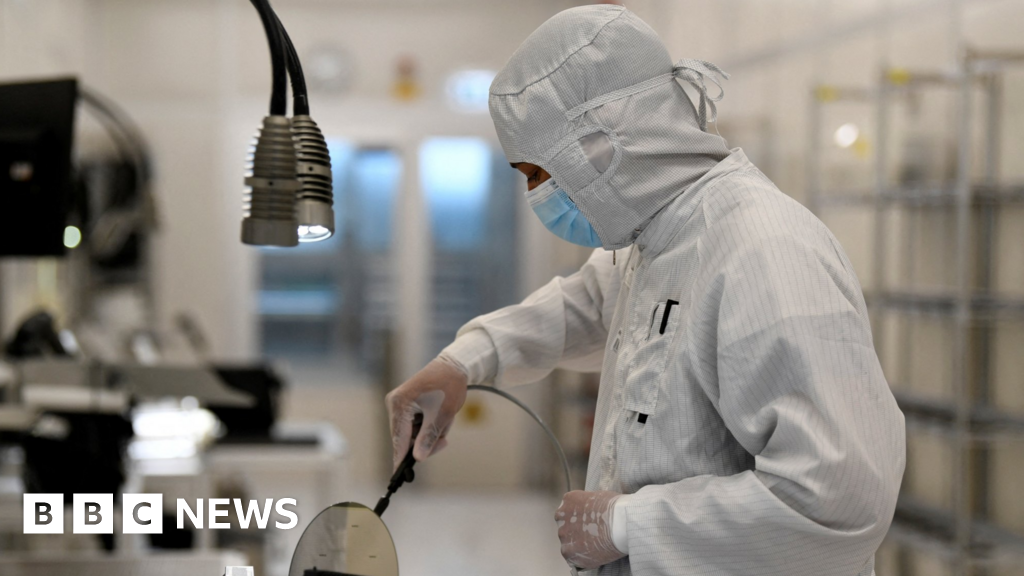
Federal authorities arrested an East Bay man over an alleged scheme to evade national security-related technology export controls and send powerful, highly sought after computer chips made by Santa Clara company Nvidia to China. Chinese citizen Cham Li, 38, also known as Tony Li, of San Leandro, conspired with two U.S. citizens and another Chinese national to falsify paperwork, make fake contracts, and mislead the American government,
US news
fromwww.dw.com
5 months agoGerman vice-chancellor heads to China in difficult times DW 11/16/2025
Lars Klingbeil's trip will be the first visit to China by a cabinet minister of the current German government and the trip to Berlin's most important trading partner comes at a sensitive time. Chinese export controls, especially on rare earths, have highlighted the German economy's heavy dependence on China. The German automotive industry, for example, has felt the effects as it faces a shortage of important parts.
Miscellaneous
[ Load more ]