#fernando-mendoza
#fernando-mendoza
[ follow ]
#nfl-draft #indiana-hoosiers #heisman-trophy #college-football #las-vegas-raiders #college-football-playoff





#nfl-draft-2026
Los Angeles Rams
from101GREATGOALS.COM
4 weeks agoNFL Draft picks 2026: Full first round results as Fernando Mendoza is first pick after quarterback dreamed of being 'best friends' with Las Vegas Raiders co-owner Tom Brady
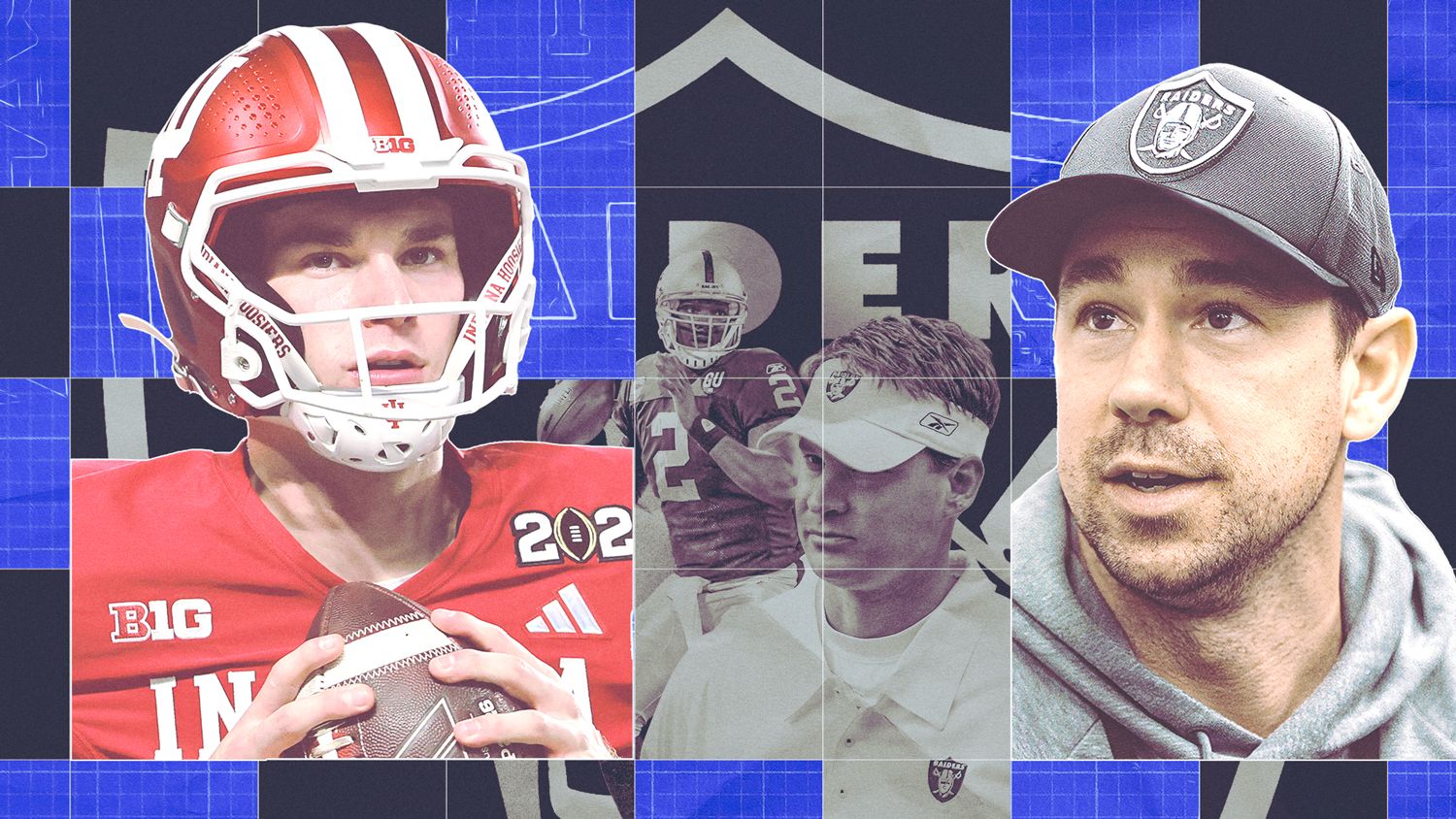
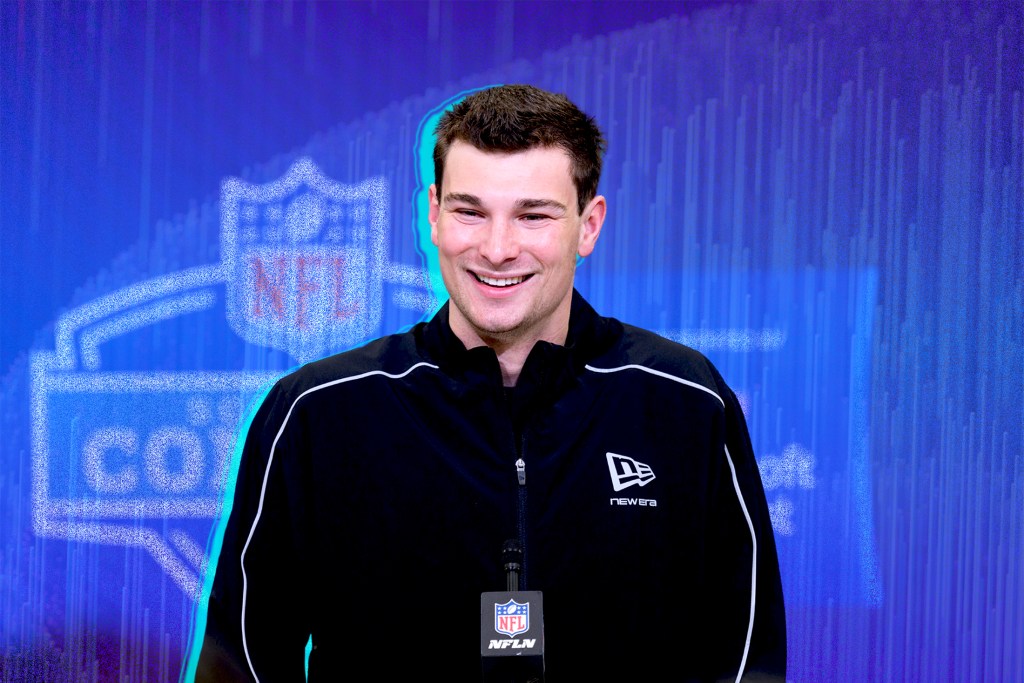
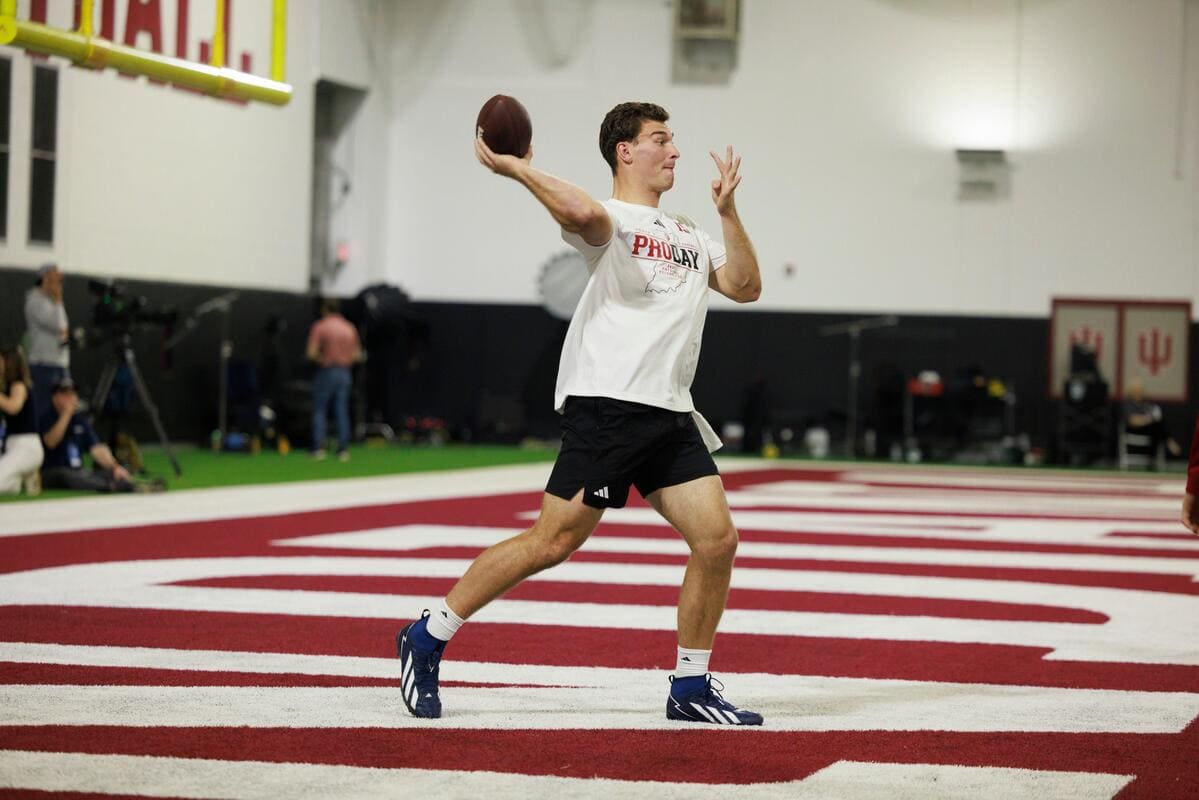
Fernando Mendoza was selected as the number one overall pick in the 2026 NFL Draft by the Las Vegas Raiders.
Los Angeles Rams
from101GREATGOALS.COM
4 weeks agoWhat time does the Draft start? NFL Draft 2026 US and UK times, where and how to watch, TV channels, live online stream
The NFL Draft 2026 will feature 257 players selected over three days, starting April 23, with the Las Vegas Raiders holding the first pick.


fromwww.espn.com
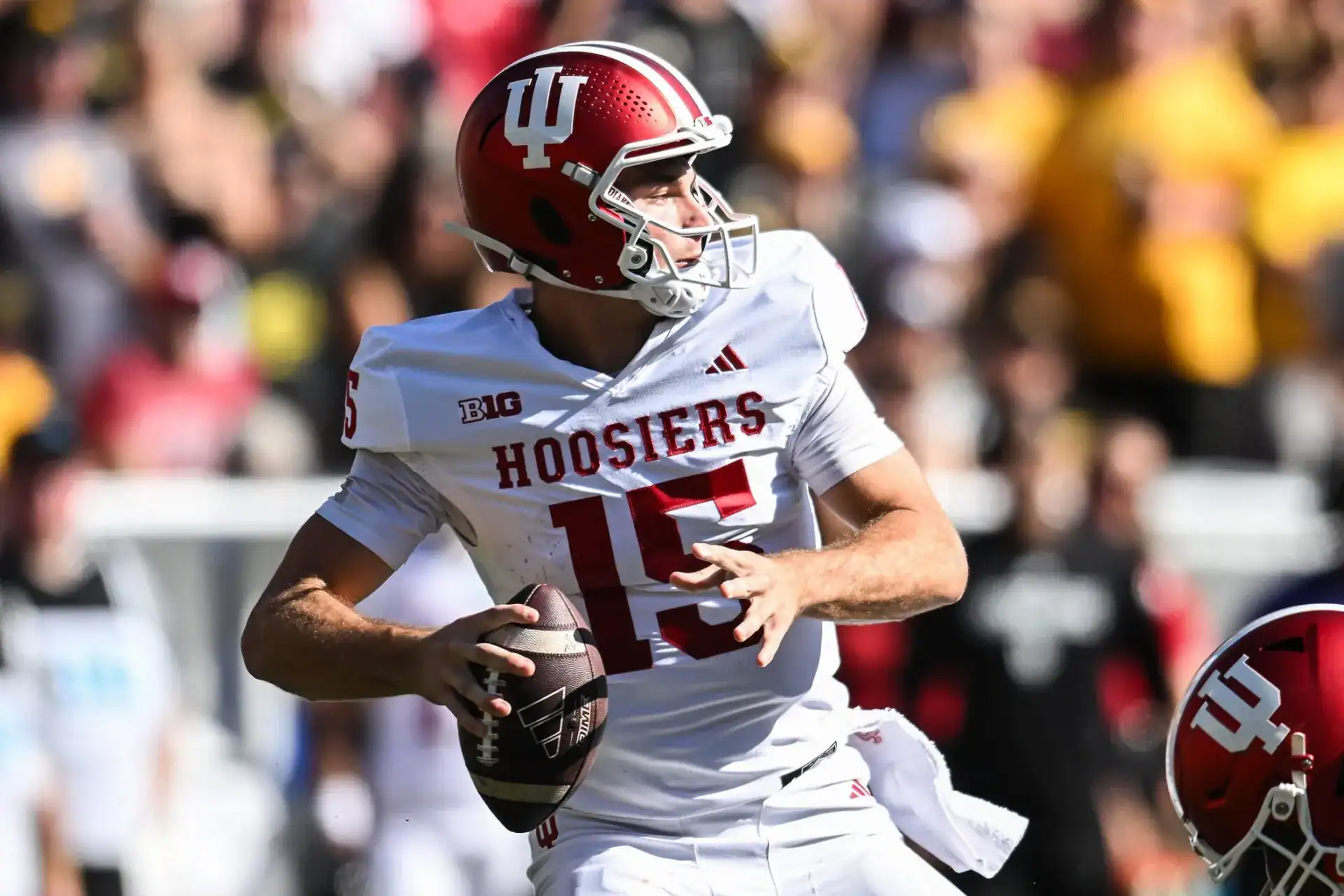
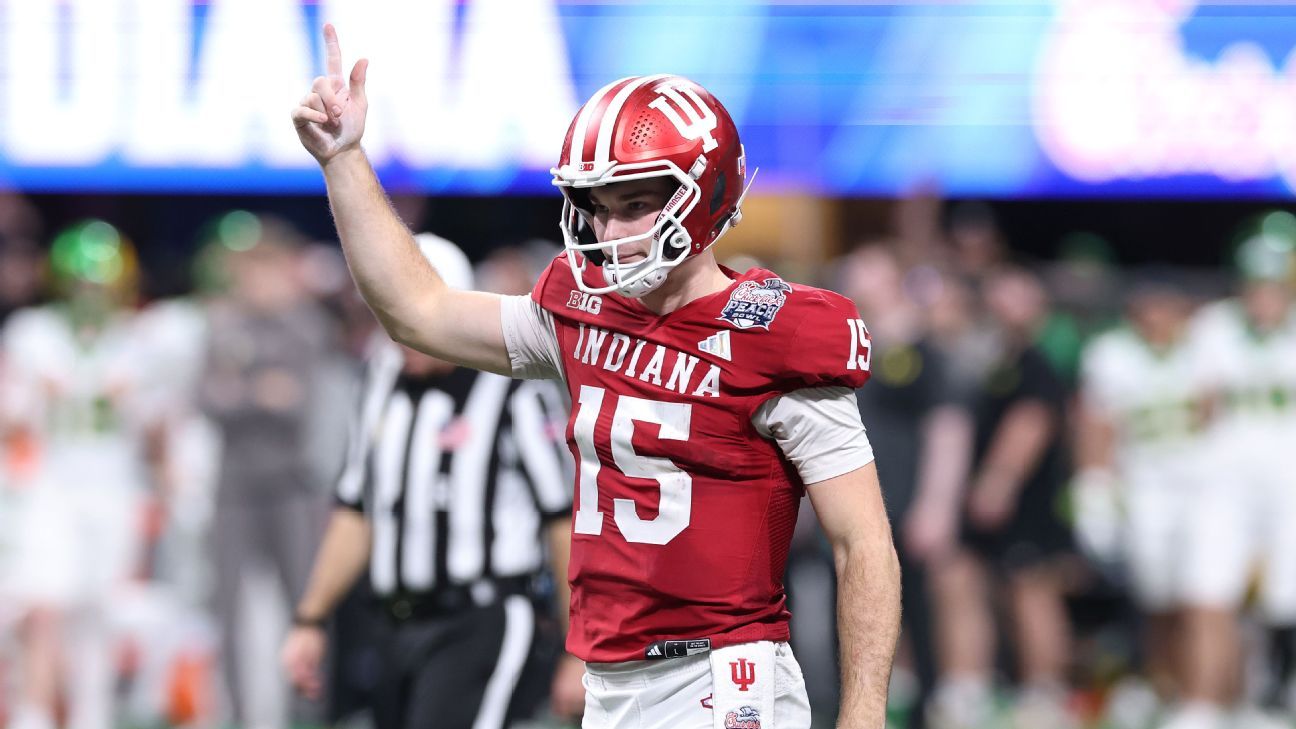
3 months agoSources: Raiders hire Seahawks' Andrew Janocko as OC - ESPN
Feb 15, 2026, 05:17 PM ET Seattle Seahawks quarterbacks coach Andrew Janocko has been hired as the Las Vegas Raiders' offensive coordinator, sources told ESPN's Adam Schefter on Sunday. Janocko once again will reunite with Raiders head coach Klint Kubiak, who he worked with in New Orleans and Seattle. The Raiders went 3-14 this past season, then fired first-year coach Pete Carroll.
National Football League




fromESPN.com
3 months agoPlayer Rank: Who should've made the top 10? What were the biggest surprises?
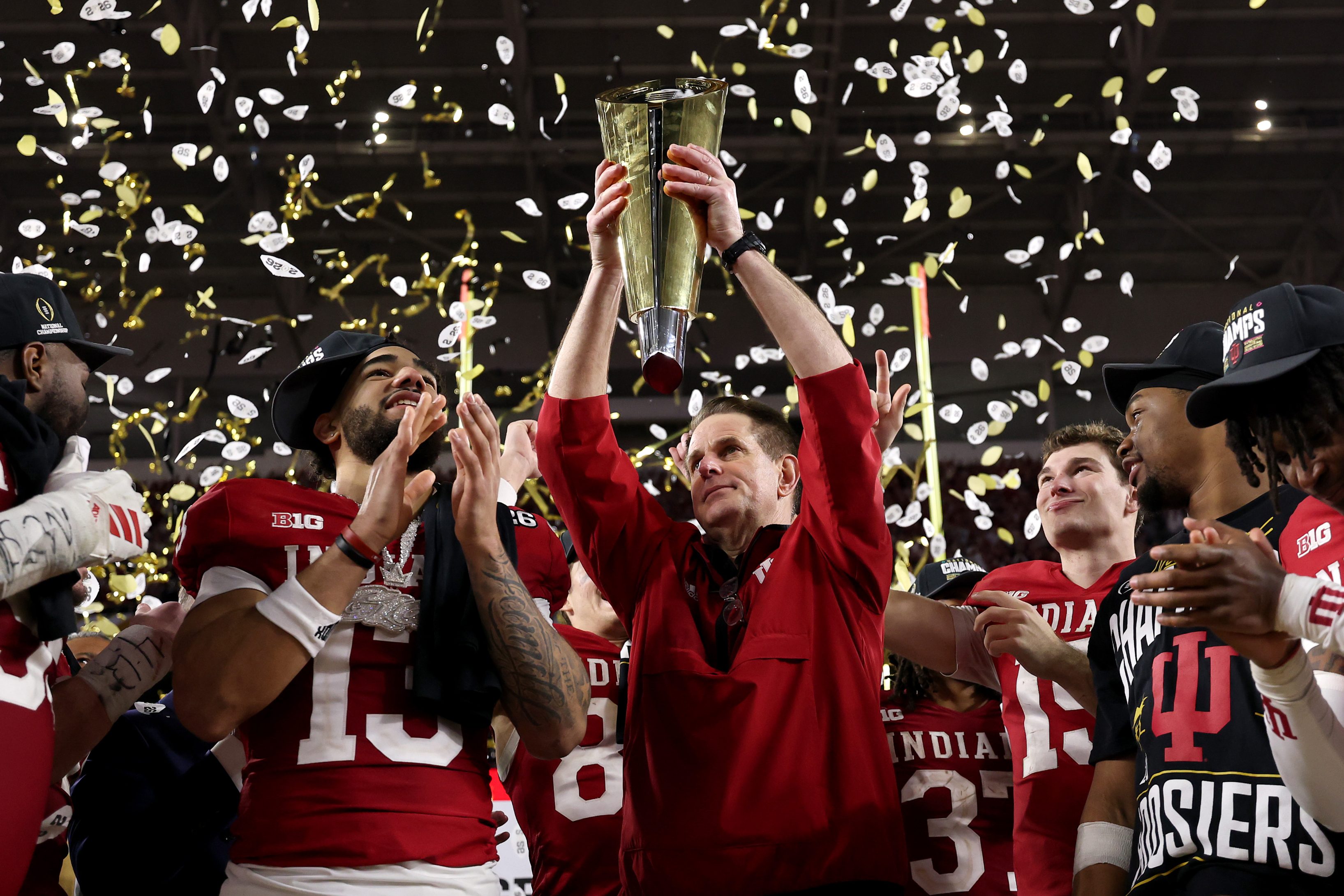
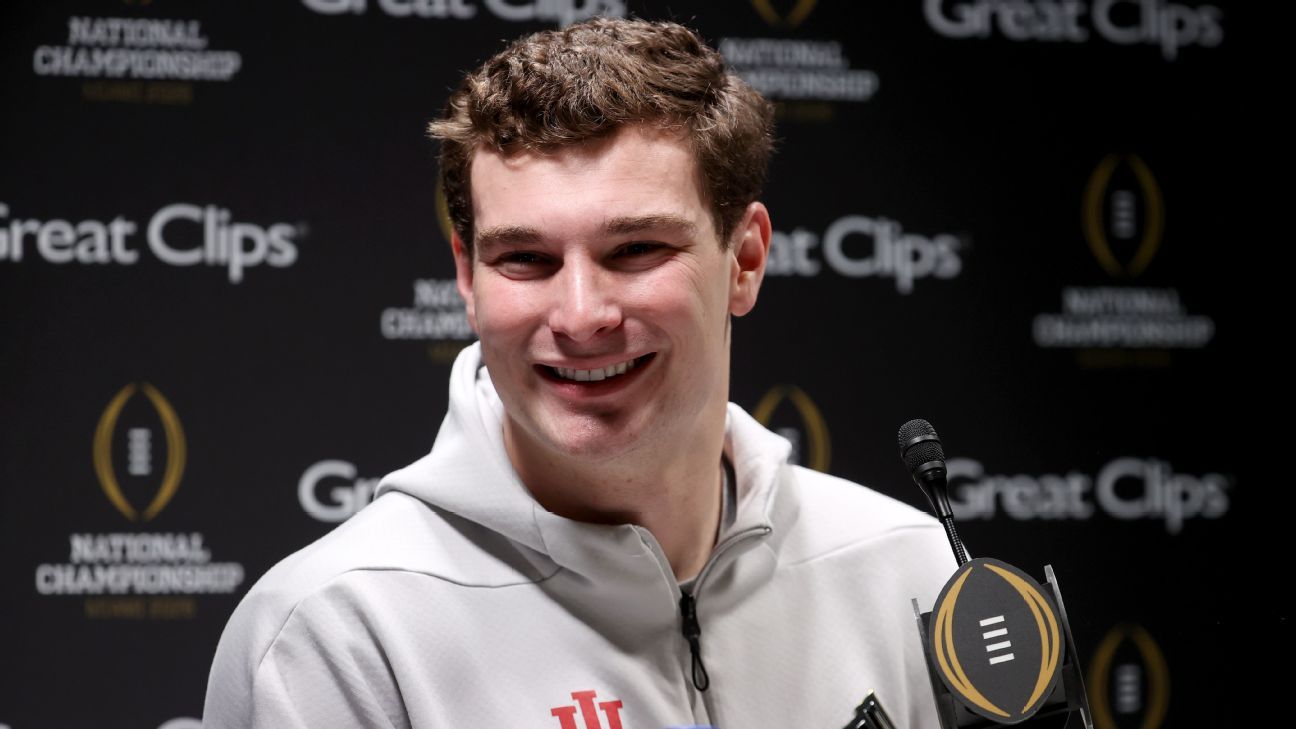
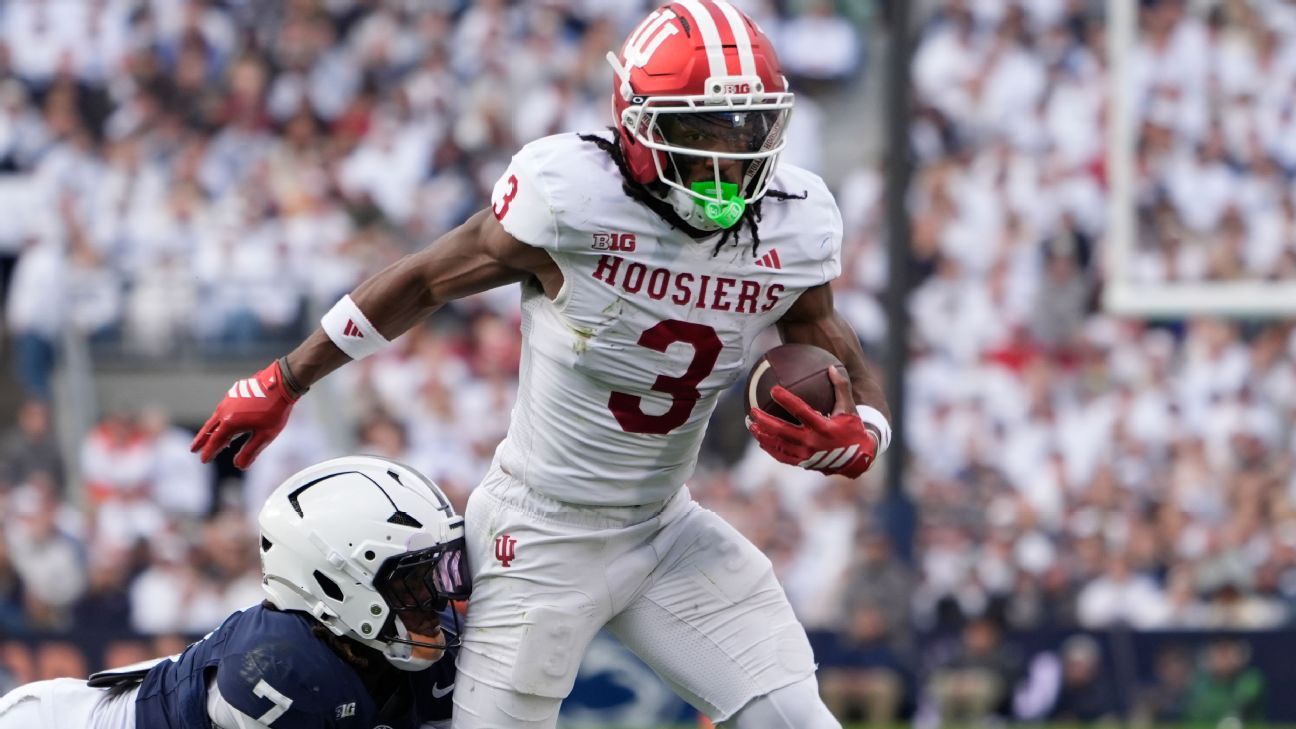
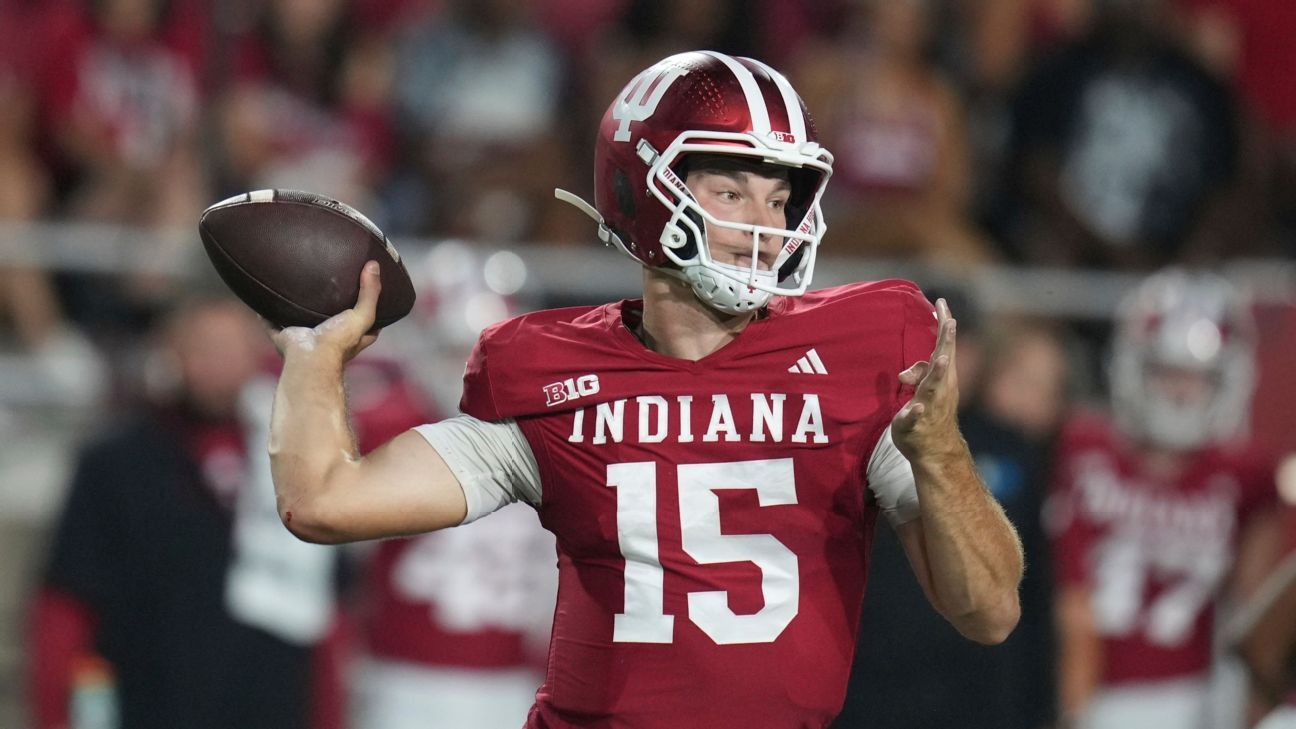
Fernando Mendoza was a given for the top spot after winning the Heisman Trophy and ending his college career with a national championship title in what was a historic season for Indiana. Texas' Arch Manning had a slow start but picked things up as the season went on, but was his ranking justified? When looking at the rest of the list, who could've been ranked higher? Were there any players who should've made the list but didn't?
National Football League
fromESPN.com
4 months ago2026 NFL draft: Big questions for teams with top-10 picks
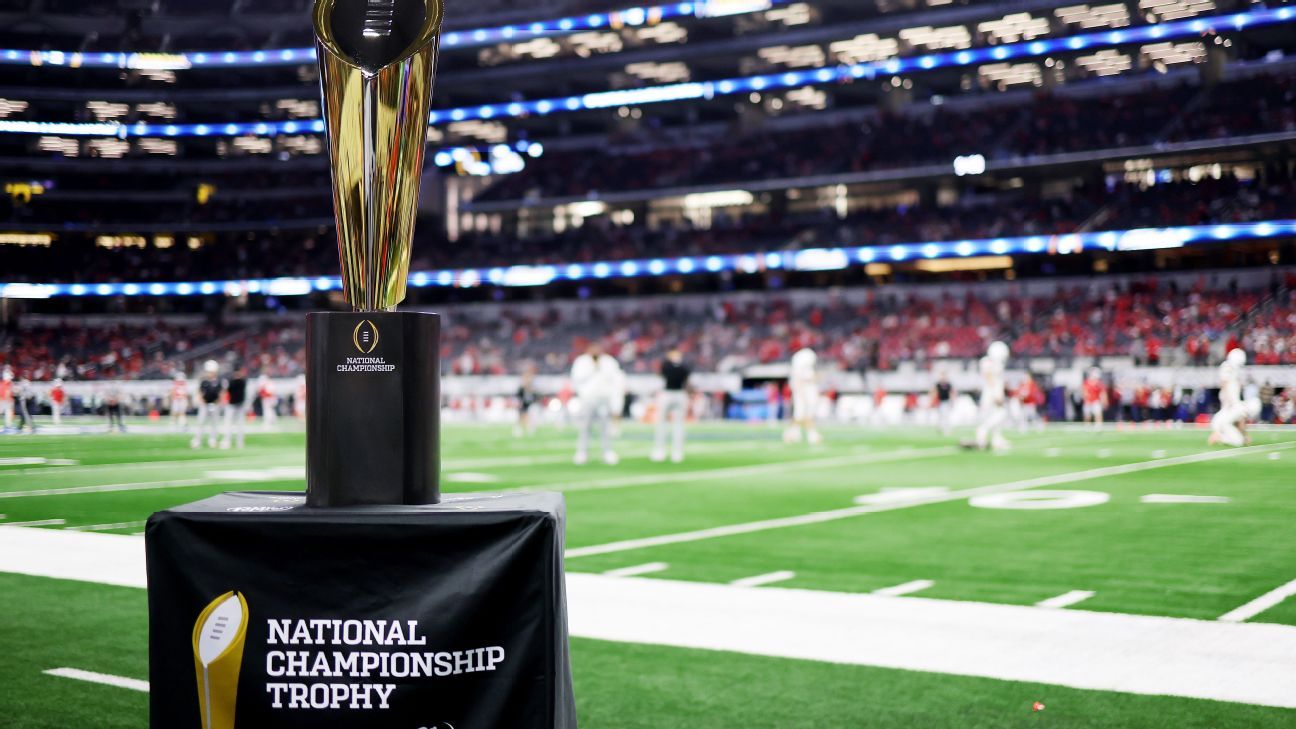
Would the Raiders entertain a trade for the No. 1 pick? I doubt it. It's hard to imagine the Raiders passing on Indiana's Fernando Mendoza, especially after ownership, including Tom Brady, attended the College Football Playoff National Championship. After Geno Smith's rough 2025 season, the Raiders need to bring in a young signal-caller who can grow with running back Ashton Jeanty and tight end Brock Bowers.
National Football League
fromDefector
4 months agoNo, Carson Beck, No! What Are You Doing?! NOOOOOOO!!!!
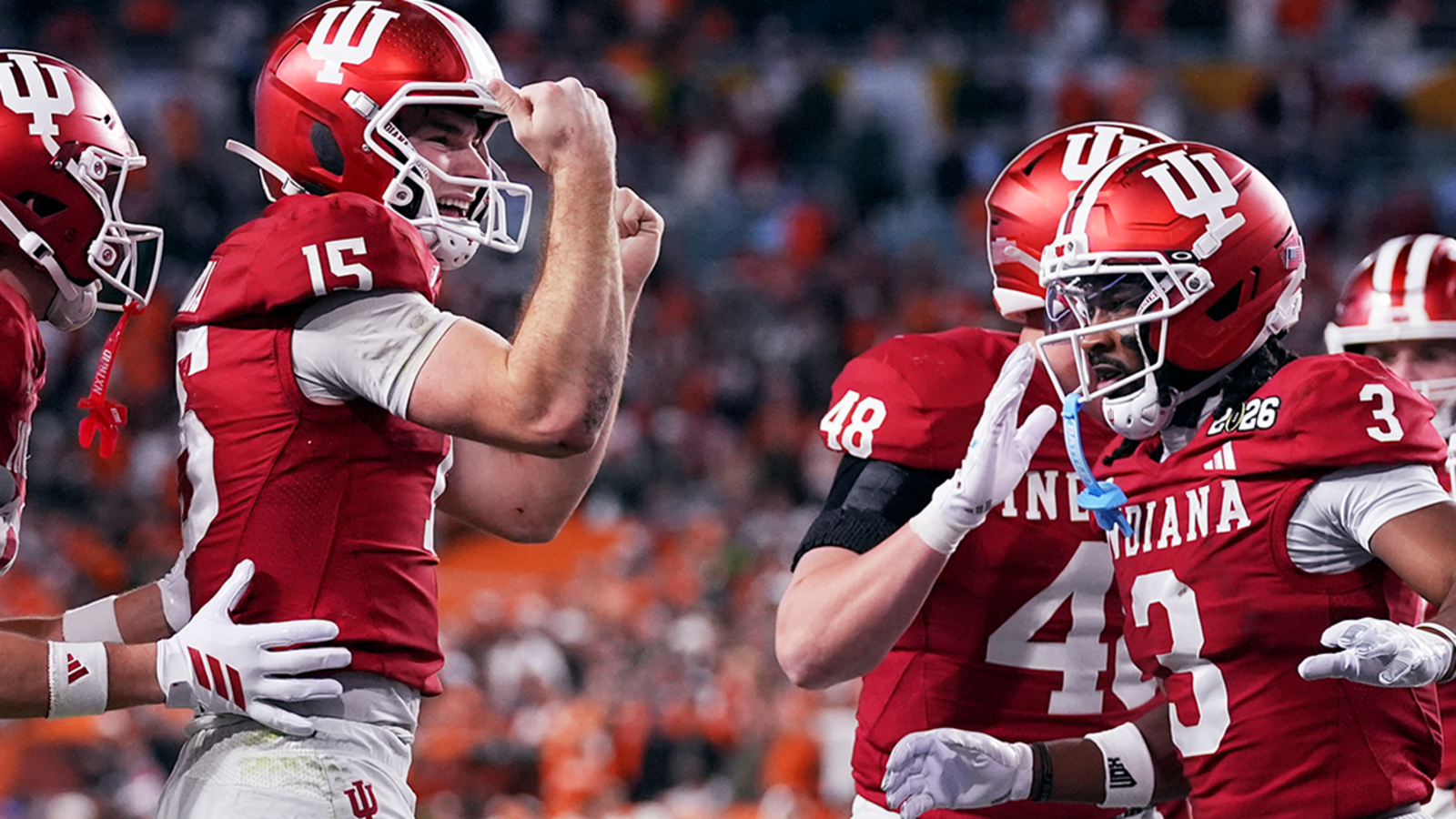
all year, hitting him ferociously at every opportunity, sometimes right on the line of legality, if not past it. Indiana coach Curt Cignetti complained to ESPN's Holly Rowe about uncalled personal fouls against Miami, and he wasn't wrong, especially with regards to Jakobe Thomas's potential targeting hit on Mendoza in the first quarter; the Miami-raised QB was bleeding from the lip after Thomas's helmet smashed into his face, but, as was the case most of the night, the flags stayed in the referees' pockets.
National Football League


fromwww.espn.com
5 months agoBig Ten puts 10 players on AP All-America first team - ESPN
Dec 15, 2025, 12:11 PM ET Four players from Ohio State Buckeyes are among 10 first-team picks from the Big Ten on the Associated Press All-America team released Monday, a group headed by repeat selection Caleb Downs of the Buckeyes and AP Player of the Year Fernando Mendoza of Indiana Hoosiers. The AP has named an All-America team every year since 1925, and Notre Dame's two first-team picks this season increased its all-time lead to 87.
National Football League
fromwww.mediaite.com
5 months agoVanderbilt QB Apologizes for Saying F*ck All the Voters' After Losing Out on Heisman Trophy
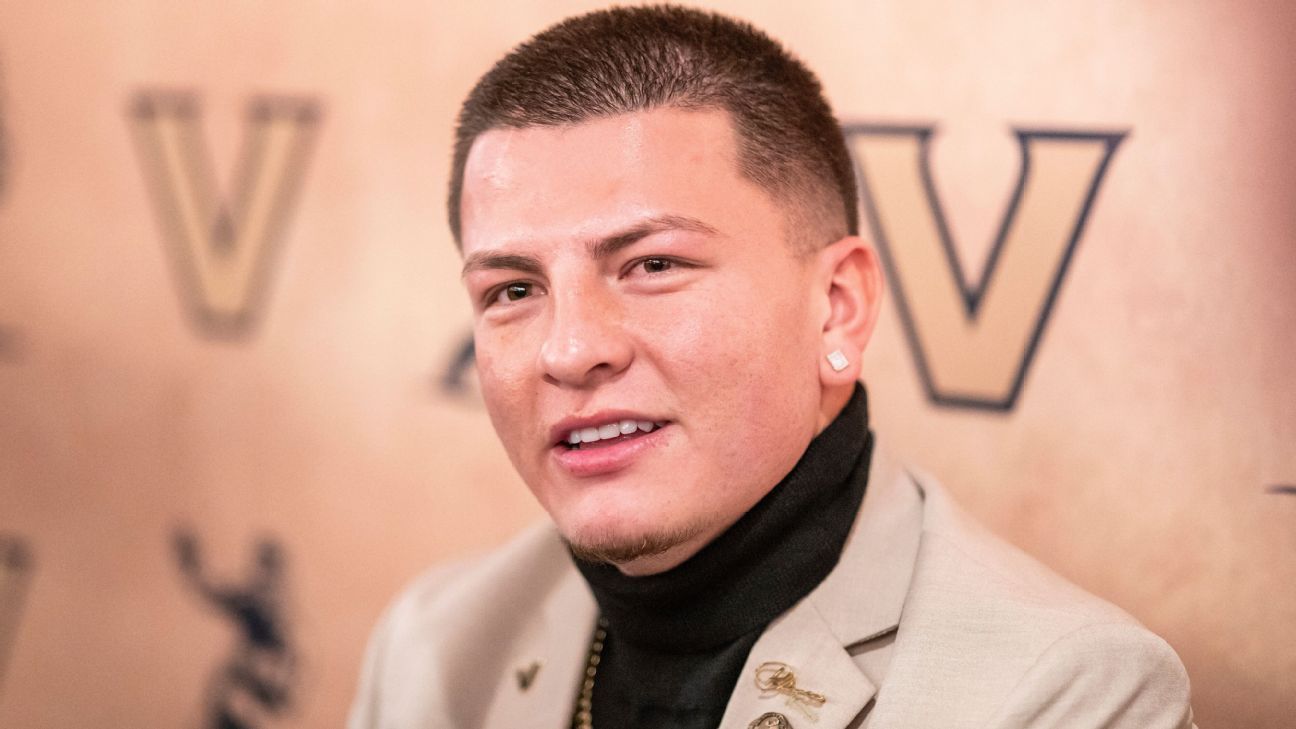
As a competitor, just like in everything I do I wanted to win. To be so close to my dream and come up short was painful. I didn't handle those emotions well at all and did not represent myself the way I wanted to. I have much love and respect for the Heisman voters and the selection process, and I apologize for being disrespectful. It was a mistake, and I am sorry.
National Football League
fromwww.mercurynews.com
5 months agoHow Fernando Mendoza's push to rise at Cal prepared him for Heisman run
Heisman Trophy favorite Fernando Mendoza was a redshirt freshman and Cal's third-string quarterback at the start of the 2023 season when he walked into the office of tight ends coach Tim Plough. Would you be willing to meet with me? Mendoza asked. Would you be willing to teach me the offense and talk to me about quarterback play, go through the game plan with me?
California
[ Load more ]