#fission
#fission
[ follow ]
#nuclear-energy #nuclear-safety #iran #nuclear-power #kashiwazaki-kariwa #tepco #startups #fusion-power
#nuclear-energy


World news
fromenglish.elpais.com
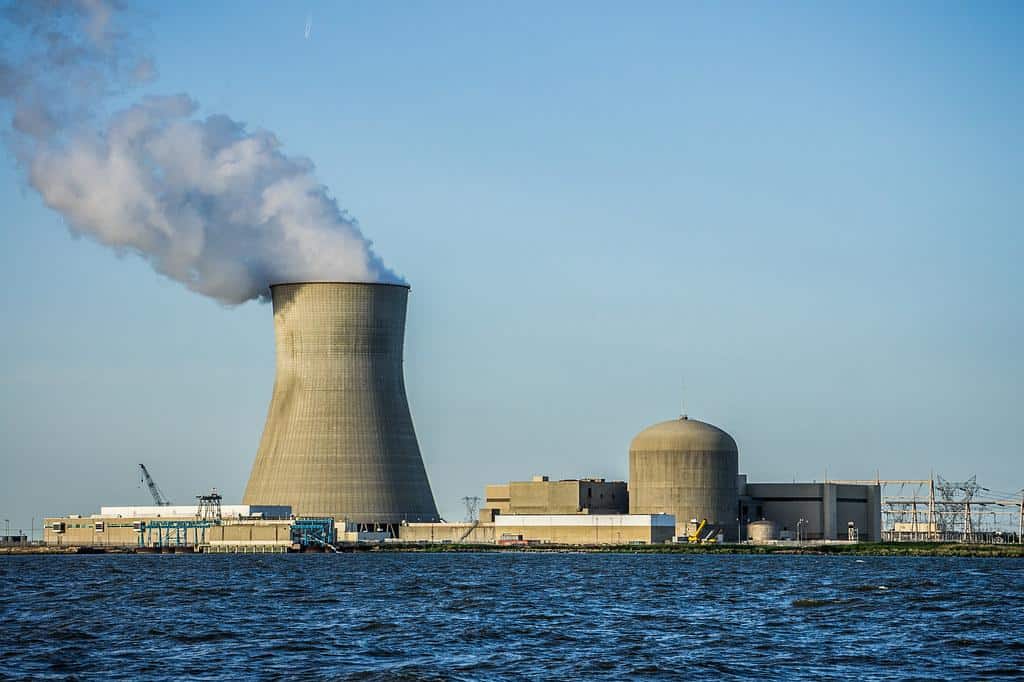
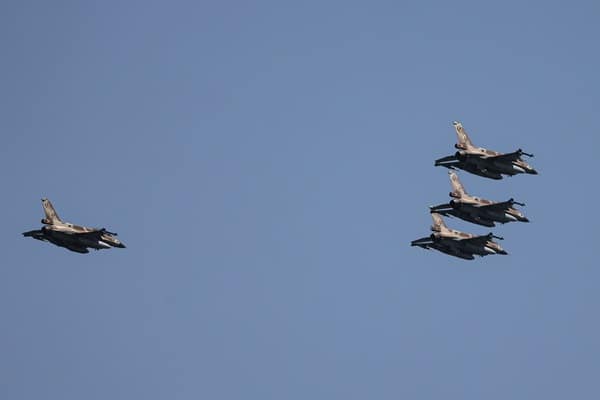
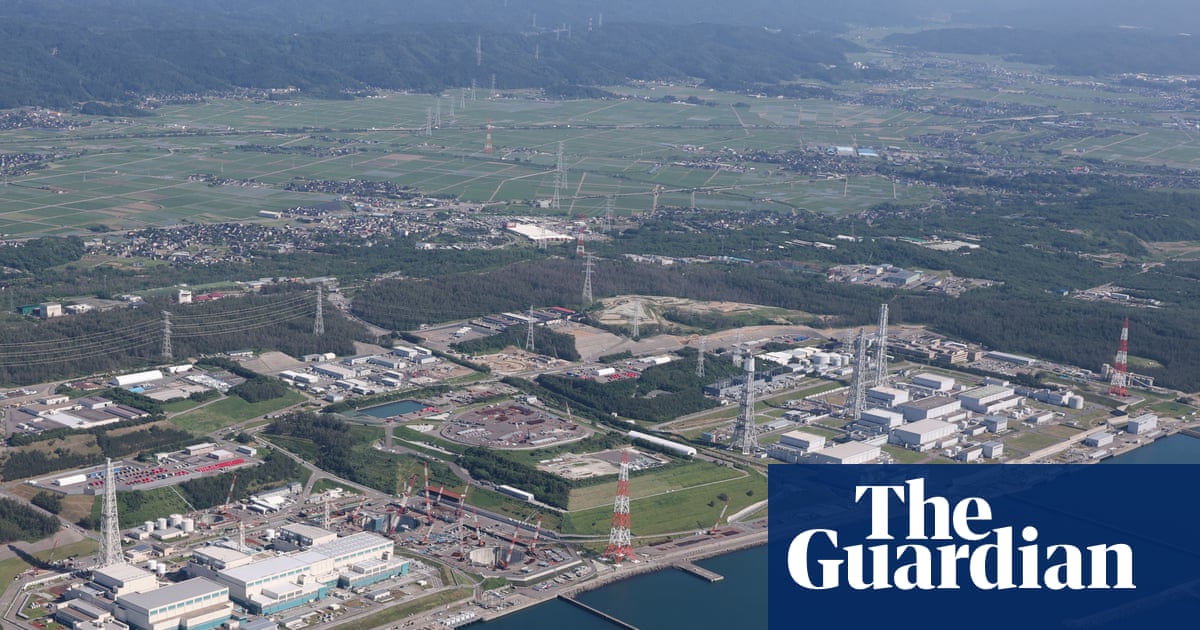
1 month agoJapan drags its feet on nuclear energy recovery, 15 years after Fukushima accident
Japan is gradually restarting nuclear reactors after the 2011 Fukushima disaster, with 15 of 54 reactors now authorized to operate and supplying 9% of electricity, though public distrust and regulatory scrutiny remain significant obstacles.


#nuclear-safety

World politics
fromLondon Business News | Londonlovesbusiness.com
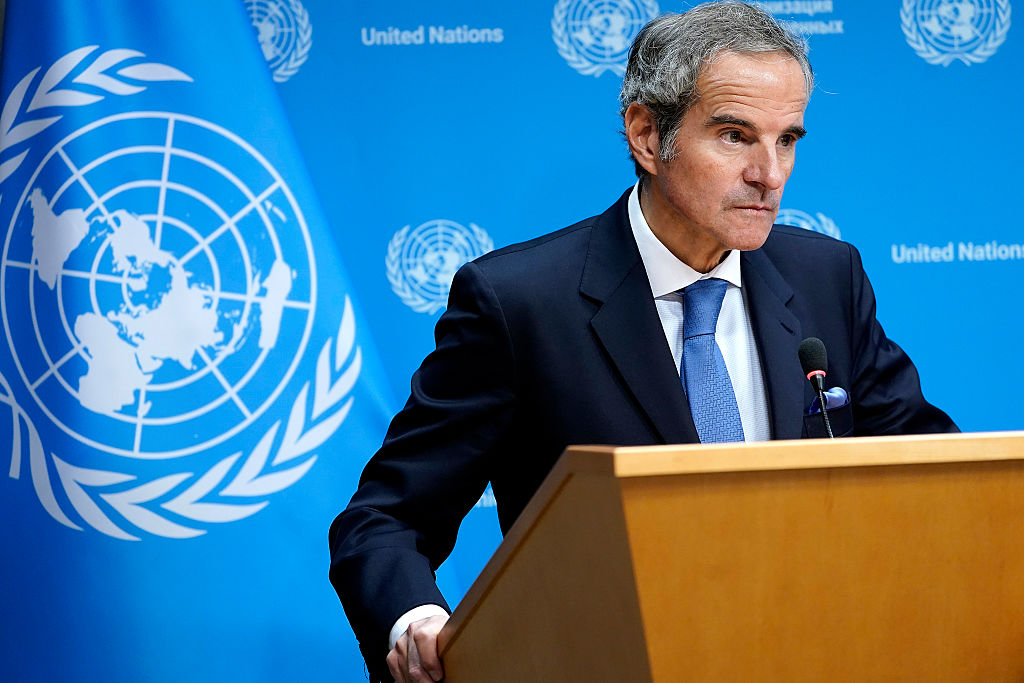
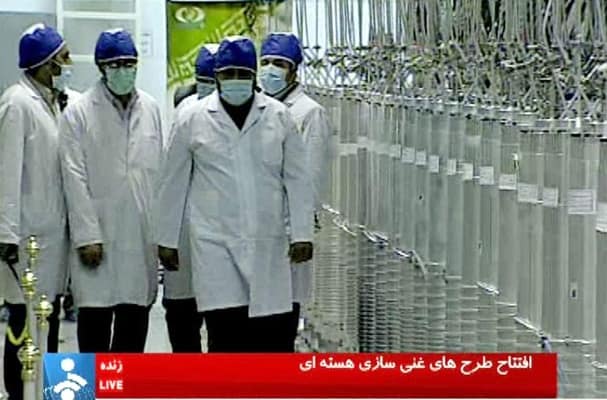
1 month agoFears of nuclear catastrophe as UN prepares for fallout from Iran strikes - London Business News | Londonlovesbusiness.com
Nuclear facilities in conflict zones face catastrophic risks from military strikes, with limited international oversight and potential for decades-long consequences.
London startup
fromComputerWeekly.com
4 weeks agoInterview: Sunrise, a supercomputer for nuclear fusion research | Computer Weekly
The UK government invests £125m in an AI growth zone at Culham, including £45m for Sunrise, a fusion-dedicated supercomputer designed to accelerate plasma simulations and enhance fusion research operations.
London startup
fromComputerweekly
1 month agoNuclear Fusion HPC: A Computer Weekly Downtime Upload podcast
The UK Atomic Energy Authority deployed Sunrise, a supercomputer optimized for nuclear fusion research, delivering 6 exaflops at 8-bit precision and 50 petaflops at 64-bit precision to accelerate commercial fusion device development.
fromFuturism
1 month agoHuge Study Finds Living Near Nuclear Plants Linked With Cancer Deaths
Our study suggests that living near a [nuclear power plant] may carry a measurable cancer risk - one that lessens with distance. We recommend that more studies be done that address the issue of NPPs and health impacts, particularly at a time when nuclear power is being promoted as a clean solution to climate change.
Public health
fromMail Online
1 month agoInteractive map reveals your nearest nuclear shelter
Gold's map includes dozens (and possibly hundreds) of basement shelters in cities such as Boston, Baltimore, Dallas, Detroit, Memphis, Milwaukee, New York, Oklahoma City, Sacramento and Washington, DC. He told the Daily Mail that each state has a link to its own map, sending users to a Google Maps page where radioactive symbols mark the locations of every shelter Gold has been able to verify still exists as of August 2025.
US news


US politics
fromwww.scientificamerican.com
2 months agoLoosening Radiation Rules Won't Help Us Get Nuclear Power Any Faster
Removing the linear no-threshold radiation model would relax protections and could increase health risks, especially for women and children, to accelerate nuclear energy deployment.
World politics
fromMail Online
1 month agoMap shows where 250 million Americans could perish in a nuclear strike
A nuclear attack on major US cities could kill up to 250 million Americans, with vast radioactive fallout covering coastal and Midwestern regions, while survivors would need to shelter for over three weeks.
fromThe Nation
1 month agoJapan's New Climate Bomb-in the US
Four years ago, The Guardian published a landmark expose in climate journalism that detailed a coming "carbon bomb" of oil and gas projects. Damian Carrington and Matthew Taylor reported that the projects included plans to explore for, drill, frack, refine, and transport enough additional oil and gas to equal 10 years of China's planet-warming emissions.
Environment
fromTheregister
2 months agoUS wants states to host nuclear sites as safety rules shrink
The DOE issued a Request for Information (RFI) on Wednesday, seeking responses from states that may be interested in hosting the campuses, which will operate a "full‑cycle nuclear ecosystem." In practice, this means these sites will be expected to provide facilities for atomic waste reprocessing and disposal, in addition to fuel fabrication and enrichment. They may also serve as locations for nuclear reactors and co‑located datacenters powered by them.
US politics

fromwww.npr.org
1 month agoUS military airlifts small reactor as Trump pushes to quickly deploy nuclear power
The Pentagon and the Energy Department for the first time airlifted a small nuclear reactor from California to Utah, demonstrating what they say is U.S. potential to quickly deploy nuclear power for military and civilian use. The nearly 700-mile flight last weekend — which transported a 5-megawatt microreactor without nuclear fuel — highlights the Trump administration's drive to promote nuclear energy to help meet skyrocketing demand for power from artificial intelligence and data centers, as well for use by the military.
US politics
fromwww.theguardian.com
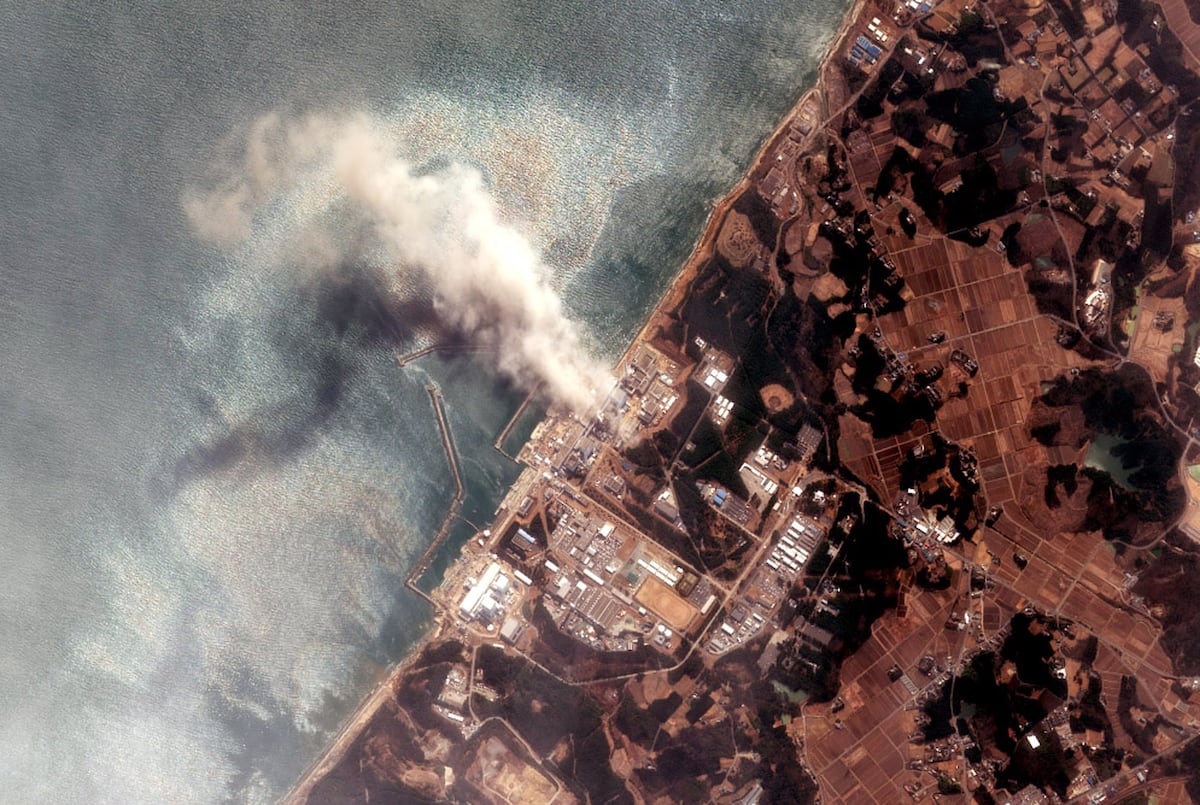
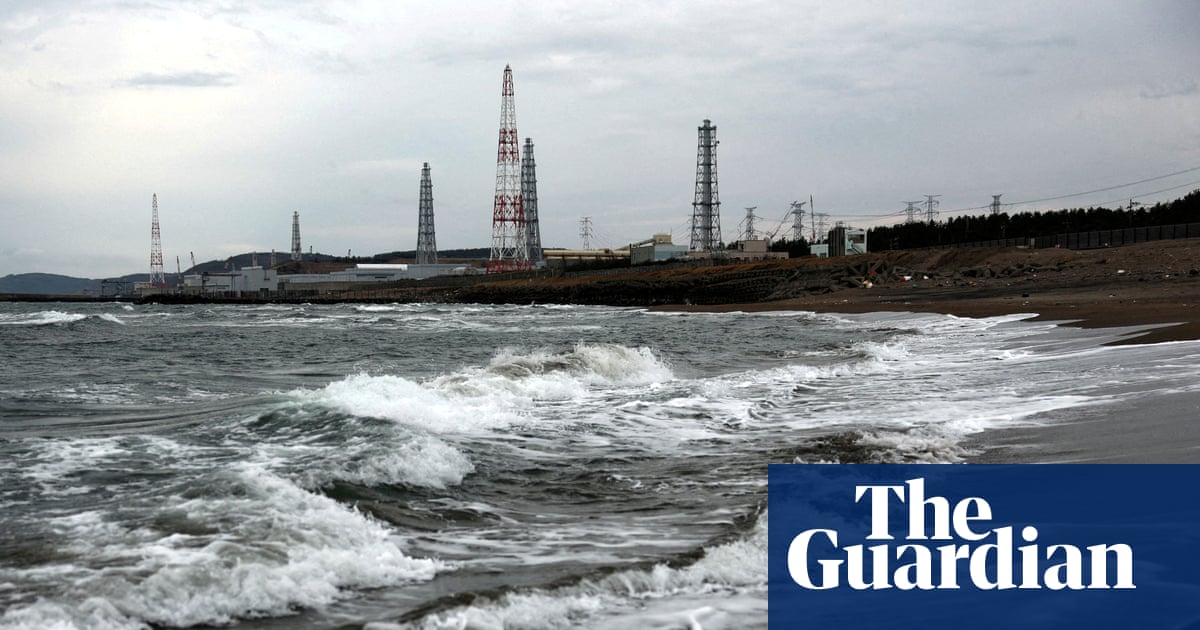
2 months agoThe Fukushima towns frozen in time: nature has thrived since the nuclear disaster but what happens if humans return?
Inside, there are still textbooks lying on the desks, pencil cases are strewn across the floor; empty bento boxes that were never taken home. Along the corridor, shoes line the route the children took when they fled, some still in their indoor plimsolls, as their town was rocked by a magnitude-9 earthquake on the afternoon of 11 March 2011 which went on to cause the world's worst nuclear disaster since Chornobyl.
World news
World news
fromwww.independent.co.uk
2 months agoUN nuclear watchdog discusses risks to Ukraine's nuclear safety after relentless Russian strikes
The Independent covers major issues across the U.S., funds reporting through donations instead of paywalls, and warns of mounting nuclear safety risks in Ukraine from Russian attacks.
[ Load more ]