The Palestinian Centre for Human Rights, Al-Haq, and Al Mezan Center for Human Rights are attempting to subpoena arms export documents to assess the legality of permits granted to Israel.
The proposal calls for Hamas and all other militant groups in Gaza to hand over all weapons, making an emerging governing authority responsible for all arms. A third person briefed on the proposal called it a comprehensive framework to ensure the "complete handover" and "full decommissioning" of arms belonging to Hamas and all other armed groups in Gaza, and that if Hamas accepts the proposal, it would ensure large-scale reconstruction of Gaza.
In October, Hamas and Israel signed a peace deal supposedly intended to stop two years of slaughter in Gaza. Since then, more than 420 Palestinians have been killed by Israeli fire-an average of about four people a day-in what international mediators continue to describe as a successful de-escalation. The distance between that official narrative and the facts on the ground reveals how the language of ceasefire has been repurposed: It no longer describes a pause in violence but rather a mechanism for managing it, sanitizing ongoing military force under the guise of restraint.
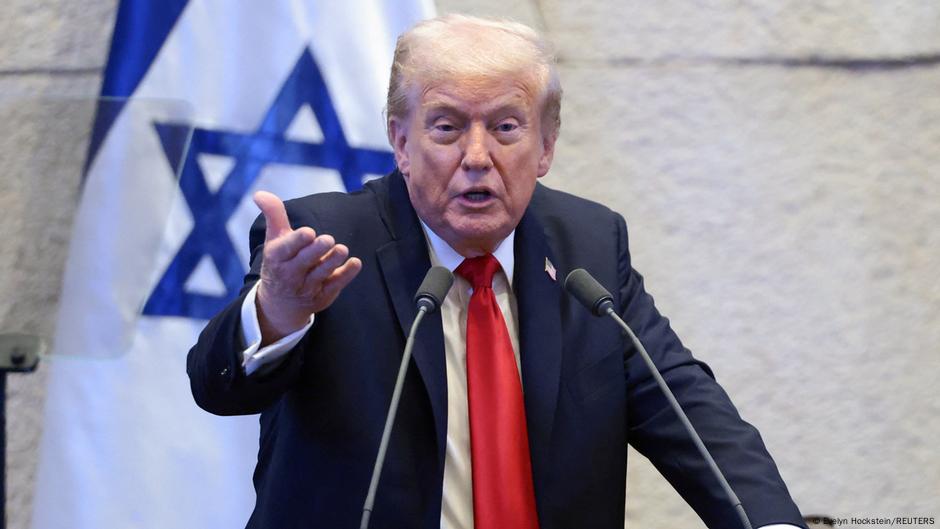
He said it twice, to leave no room for doubt. on Tuesday, in the Israeli parliament, Prime Minister Benjamin Netanyahu made it clear that, following the recovery of the body of the last hostage in Gaza, the next phase of the ceasefire is not the reconstruction of the devastated Strip, but the disarmament of Hamas and the demilitarization of Gaza.
We are listening to many of their people talk about disarming. We think they're going to. If they don't disarm, then they've breached the deal. We think disarmament comes along with some sort of amnesty, and candidly, we think we have a very, very good programme to disarm, the official said, according to the Reuters news agency.