#houseplant-tips
#houseplant-tips
[ follow ]
#gardening #plant-care #sustainability #gardening-tips #indoor-gardening #sustainable-gardening #houseplants


fromTime Out London
3 hours agoA new garden will open in Regent's Park next week
The Queen Elizabeth II Garden will officially open to the public on Monday April 27, commemorating the late monarch's 100th birthday with a beautiful landscape filled with climate-resilient plants and wildlife habitats.
London food

Brooklyn
fromThe Art Newspaper - International art news and events
4 days agoRestored Victorian greenhouse links Green-Wood Cemetery to its living neighbours
Green-Wood Cemetery, established in 1838, now features a new welcome center to enhance community engagement and appreciation for its historic landscape.
fromArchitectural Digest
2 weeks agoOutdoor Planters That Aren't So...Concrete
Bergs Potter takes the cake for me, closely followed by the majolica-like planters at Williams-Sonoma and a few stylish designs from Ferm Living and Pottery Barn. These planters lean home decor over plastic planters, making them weather-resistant, durable pieces even on a wind-whipped balcony or hurricane-sacked home garden.
NYC food
fromwww.theguardian.com
1 week agoA messy garden is a glorious garden. We need to stop tidying, titivating and paving them over | Emma Beddington
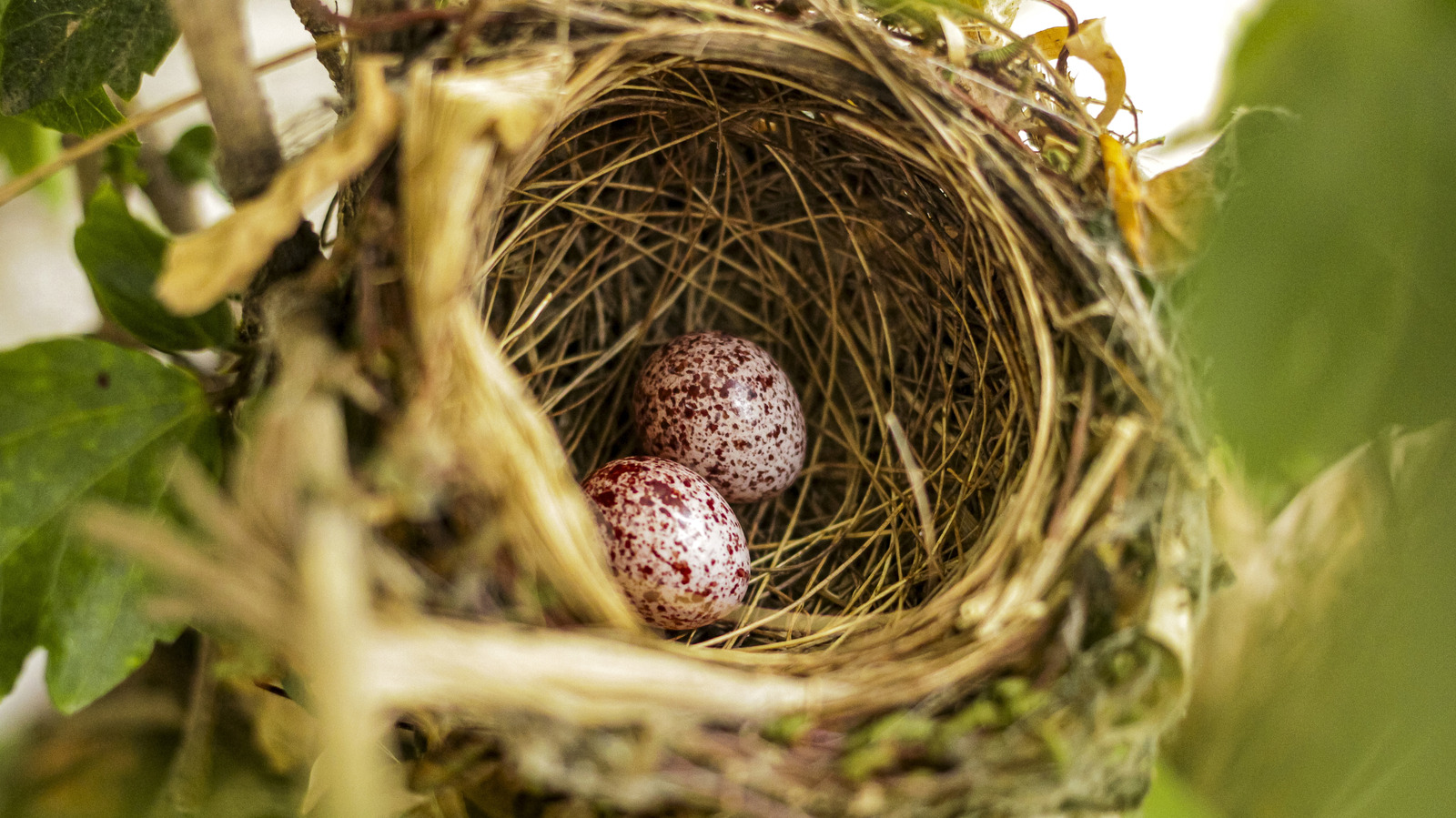
The industrious buzz of bees tackling the dregs of cherry blossom was lawnmower-loud, accompanied by back off peeps from blackbirds nesting in the ivy.
London politics
fromianVisits
6 days agoLoads more Cherry Blossom trees planted in Greenwich Park
These beautiful cherry trees are more than a visual delight - they represent a bond between nations, a gift to our local communities, and a lasting legacy. We know after our long winters, people rejoice seeing colour and blossom, and this sea of pink will be an awe-inspiring hit of horticultural wonder.
London food
fromwww.theguardian.com
5 days agoThe art of grafting: joining two plants together to grow as one is horticultural magic
Grafting is the method through which two different plants from the same species or genus are joined together to grow as one. The resulting plant benefits from the qualities of the two different original plants.
Agriculture
fromwww.theguardian.com
2 weeks agoHouseplant hacks: do eggshells deter fungus gnats from laying eggs?
Crushed clean, dry eggshells, when scattered over the soil, are intended to stop adult gnats from laying eggs and potentially add natural fertilizer. However, they merely sit on the surface, collecting dust, while the gnats remain attracted to the damp compost.
Renovation
Portland
fromPortland Monthly
1 month agoOregon Nursery Rancho Cacto Is All About the Succulents
Rancho Cacto, founded by Molly Malecki near Aurora, Oregon, cultivates thousands of cacti and succulents across multiple greenhouses, supplying over 50 regional plant shops following the pandemic-driven houseplant boom.
fromTasting Table
2 weeks agoThe Very First Thing To Learn About Your Kitchen Before Making A Countertop Garden - Tasting Table
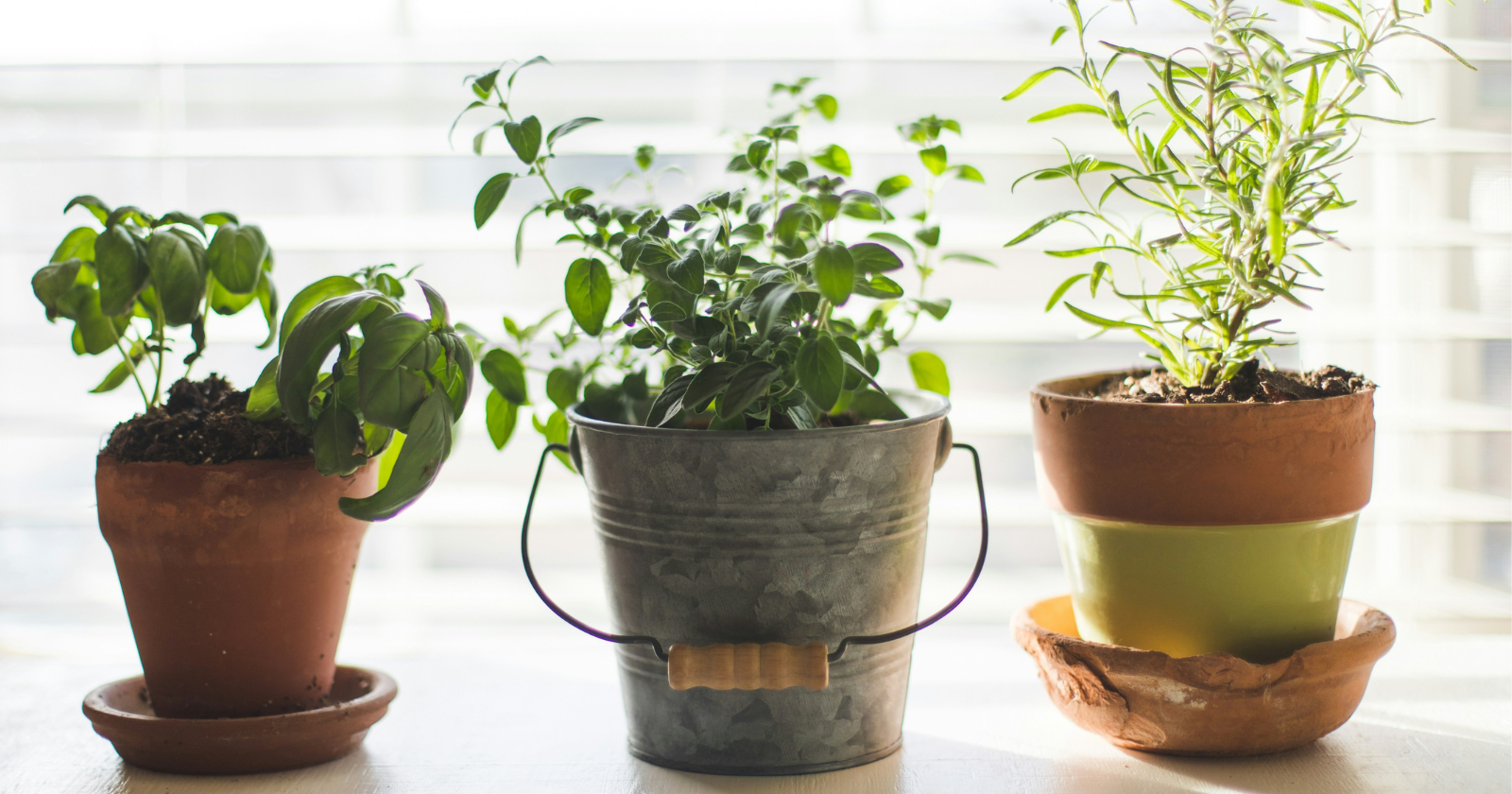
Countertop gardens allow individuals with limited outdoor space to grow herbs and vegetables indoors, providing fresh ingredients that enhance cooking. They are particularly beneficial in cold climates or during winter months.
Agriculture
fromYanko Design - Modern Industrial Design News
1 month agoThis Planter Fits the One Balcony Spot Every Other Pot Ignores - Yanko Design
The Eckling is designed specifically for balcony corners, addressing a gap that rectangular window boxes and round hanging pots have never managed to fill. Most railing planters sit along a straight stretch of rail, so corners get skipped entirely. An L-shaped recess cut into the base of the hemispherical bowl allows it to rest squarely on two railing legs at a corner junction, no extra hardware required.
Design
fromSilicon Canals
2 months agoThe houseplant that thrives on neglect and actually prefers when you forget to water it - Silicon Canals
I killed seven houseplants before I discovered the secret: I was literally loving them to death. Every morning, I'd check on them with my watering can in hand, convinced that more water meant more love. Turns out, some plants thrive when you basically ignore them. In fact, there's one particular plant that actually prefers when you forget it exists for weeks at a time.
Science
Miscellaneous
fromwww.theguardian.com
1 month agoThe best places to buy plants online, according to top gardeners and landscape designers
Online plant nurseries offer wider plant selections and specialized varieties, making them ideal alternatives to local garden centers, especially for those without nearby options or preferring car-free shopping.
Mental health
fromTasting Table
1 month agoCould Your Kitchen Use Some Houseplants? They May Help Beat Cabin Fever, According To Research - Tasting Table
Houseplants alleviate seasonal affective disorder and cabin fever symptoms, with low-maintenance options like peace lilies, snake plants, and pothos thriving in kitchens with limited light and space.
fromEarth911
4 weeks agoSeed, Sprout, Spectacular: Tips for Starting Your Garden From Scratch
Starting plants from seed extends your relationship with the garden, gives you more control over seed sourcing, and saves real money compared to buying nursery starts, sometimes as much as 90% per plant.
Agriculture
fromDesign Milk
2 months agoLeafyPod Is a Self-Watering Smart Planter That Saves Your Sanity
Enter the LeafyPod, a self-watering smart planter that utilizes AI to understand your leafy companions, and keep them well cared for. The system is simple: a connected app monitors hydration and nutrient levels, noting what's best for that specific type of plant. Recently named one of TIME's Best Inventions of 2025, the hydroponic system allows users to grow herbs, greens, or flowers all year long. LeafyPod is adaptive, responding to plant health and to changes in environment.
Gadgets
fromTasting Table
1 month agoUsing Rice Water To Fertilize Houseplants? Avoid This Mistake That Could Cost You Your Plant - Tasting Table
Rice water doesn't have any additional nutrients that plants need to grow - for example, the nitrogen, potassium, and phosphorus found in conventional fertilizers - and the starchy residue doesn't necessarily "fertilize" your plant. However, it is still water that would otherwise just be dumped down the sink, so if you're not saving your rice water for cooking, you might as well use it to hydrate your plants.
Everyday cooking
Agriculture
fromArchitectural Digest
3 years agoWe Asked Experts About the Gardening Mistakes to Avoid This Spring-These Are Their 12 Top Tips
Gardening mistakes are common and costly, but beginners can avoid major pitfalls by starting small, choosing correct locations with adequate sunlight, and understanding plant-specific requirements.
Agriculture
fromYanko Design - Modern Industrial Design News
1 month agoThis Wood Greenhouse Solves the Biggest Problem Backyard Gardeners Face - Yanko Design
The Miracle-Gro Wood Greenhouse by ShelterLogic extends growing seasons and protects plants from frost and weather using double-wall polycarbonate insulation and strategic ventilation systems.
Agriculture
fromRedfin | Real Estate Tips for Home Buying, Selling & More
1 month ago13 Lawn Care Tips to Fix Everyday Landscaping Problems
Practical lawn care strategies including early weed removal, pre-emergent treatments, and proper fertilization can solve most common lawn problems and maintain healthy, thick grass.
[ Load more ]