Business
fromTechzine Global
4 days agoNXP reports record profit in Q1, stock price soars
NXP achieved record profits of $1.22 billion in Q1 2026, driven by growth across all market segments.
Edge computing is a type of IT infrastructure in which data is collected, stored, and processed near the "edge" or on the device itself instead of being transmitted to a centralized processor. Edge computing systems usually involve a network of devices, sensors, or machinery capable of data processing and interconnection. A main benefit of edge computing is its low latency. Since each endpoint processes information near the source, it can be easier to process data, respond to requests, and produce detailed analytics.
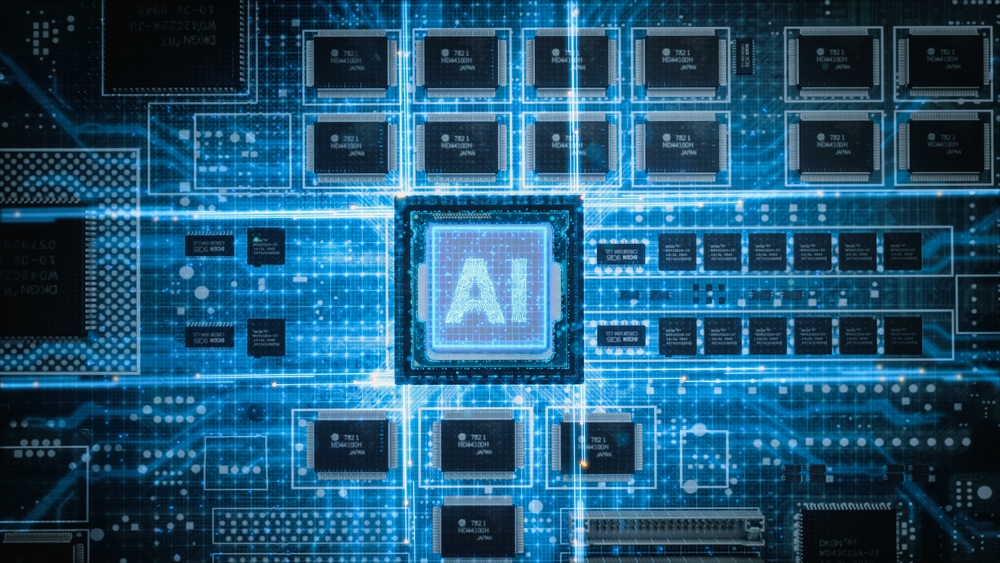
It's no secret that artificial intelligence (AI) has already had a significant impact on businesses -introducing new levels of automation and challenges for leaders to overcome. Until now, it's been largely confined to screens and data centers, but we are witnessing this technology advance beyond the digital world right before our eyes. In manufacturing, sensors and AI-driven analytics allow factories to anticipate maintenance before breakdowns occur, and in healthcare, smart diagnostic systems accelerate detection and personalize treatment.
The digital transformation of modern enterprises has created an unprecedented attack surface that extends far beyond traditional network perimeters. As organisations increasingly rely on interconnected devices and systems, two critical security disciplines have emerged as essential components of comprehensive cyber defence: IoT cybersecurity and sheep dip cyber security. Understanding these complementary approaches is vital for any organisation seeking to protect its digital assets in today's threat landscape.