#interspecies-music
#interspecies-music
[ follow ]
#animal-behavior #marine-biology #animal-cognition #sperm-whales #animal-communication #whiskers #chimpanzees
fromwww.scientificamerican.com
3 days agoSongbirds reveal the dark side of making new brain cells as adults
Aging and damaged brain cells, or neurons, can cause memory problems and limit the brain's ability to recover from illnesses. Some scientists have posited that if we could just turn on the ability to make new neurons in the brain—a process called neurogenesis—some of these deleterious changes might be reversed.
OMG science
Berlin music
fromwww.theguardian.com
1 week agoThe incredible life of the bird man' refugee who brought tweets, chirps and trills to British radio
Ludwig Koch was a pioneering sound recordist known for capturing birdsong and influencing British audiences through his work with sound books and BBC radio.


fromWIRED
3 weeks agoMeet the Man Making Music With His Brain Implant
Galen Buckwalter, a 69-year-old research psychologist and quadriplegic, participated in a brain implant study to contribute to science that aids those with paralysis. The six chips in his brain decode movement intention, allowing him to operate a computer and feel sensations in his fingers again.
Music production
Psychology
fromSilicon Canals
4 weeks agoThere's a kind of intelligence that never gets measured because it lives entirely in the body. The person who can feel the weather changing in their knees, read a dog's mood from across the street, and know a room is wrong before anyone speaks. - Silicon Canals
Intelligence extends beyond cognitive abilities, encompassing bodily awareness and interoception as vital forms of processing information.
Online Community Development
fromPsychology Today
1 month agoThe Power of Human-Animal Relationships: 'Unleashing the Bond'
Human-animal relationships significantly influence physical health, emotional well-being, and community resilience through scientifically measurable mechanisms beyond sentimental value.
Psychology
fromwww.scientificamerican.com
1 month agoThese fish can tell when you're staring
Fish can perceive when they or their offspring are being watched and respond with increased aggression, demonstrating attention attribution abilities previously documented mainly in primates, birds, and domestic animals.
Science
fromThe Washington Post
1 month agoWhy older whale dads are now winning the mating game
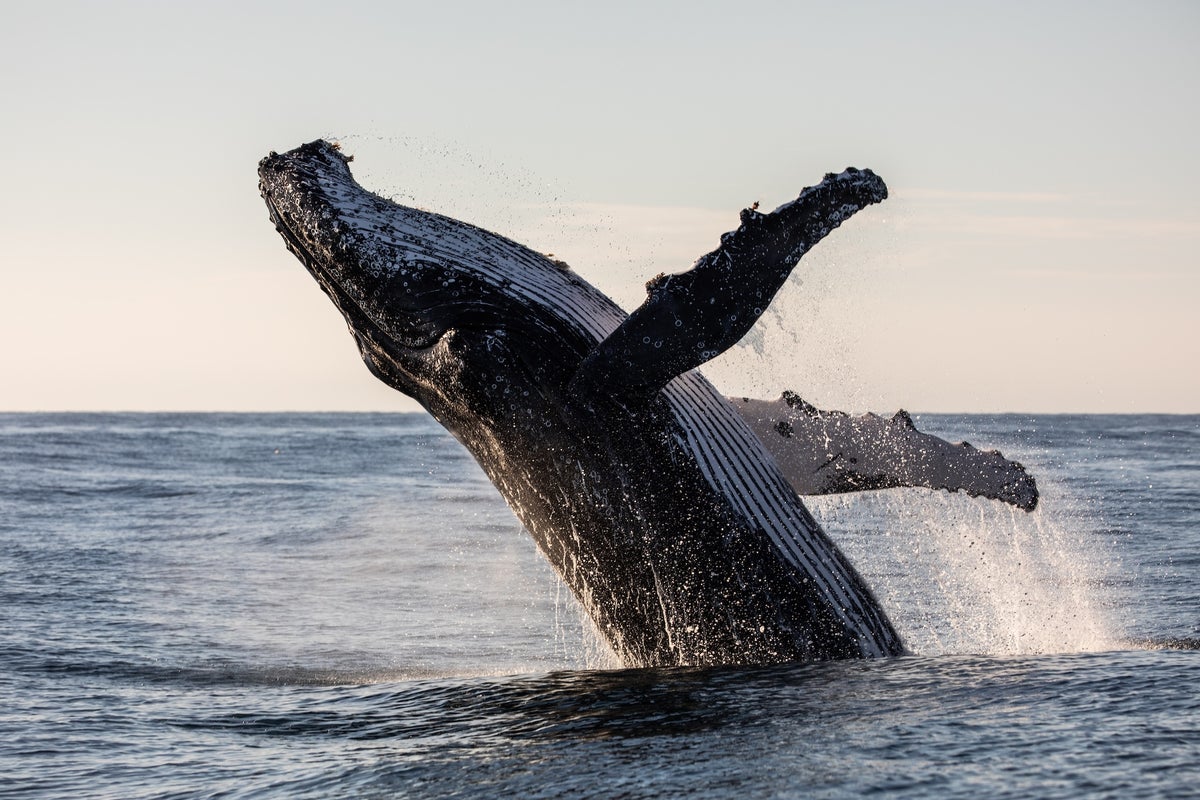
Older male humpback whales became more likely to father offspring as populations recovered from whaling, revealing long-term demographic consequences of hunting that persist decades after population rebound.
fromwww.scientificamerican.com
1 month agoMusic even makes you blink to the beat
Our eyes—which we usually think of as purely visual organs—spontaneously dance to the rhythm of what we hear, says study co-author Du Yi, a cognitive neuroscientist at the Chinese Academy of Sciences in Beijing. Using a high-speed eye-tracking system, Du and her team were stunned to discover nonmusicians instinctively blinking in sync with the beat structure of Bach chorales.
Berlin music
fromwww.theguardian.com
2 months agoFeeling chirpy: how listening to birdsong can boost your wellbeing
Previous research has shown that people feel better in bird-rich environments, but Christoph Randler, from the University of Tubingen, and colleagues wanted to see if that warm fuzzy feeling translated into measurable physiological changes. They rigged up a park with loudspeakers playing the songs of rare birds and measured the blood pressure, heart rate and cortisol levels (a marker of stress) of volunteers before and after taking a 30-minute walk through the park.
Mental health
OMG science
fromFortune
1 month agoThe ocean was once 10 times quieter. A 1949 whale recording proves it | Fortune
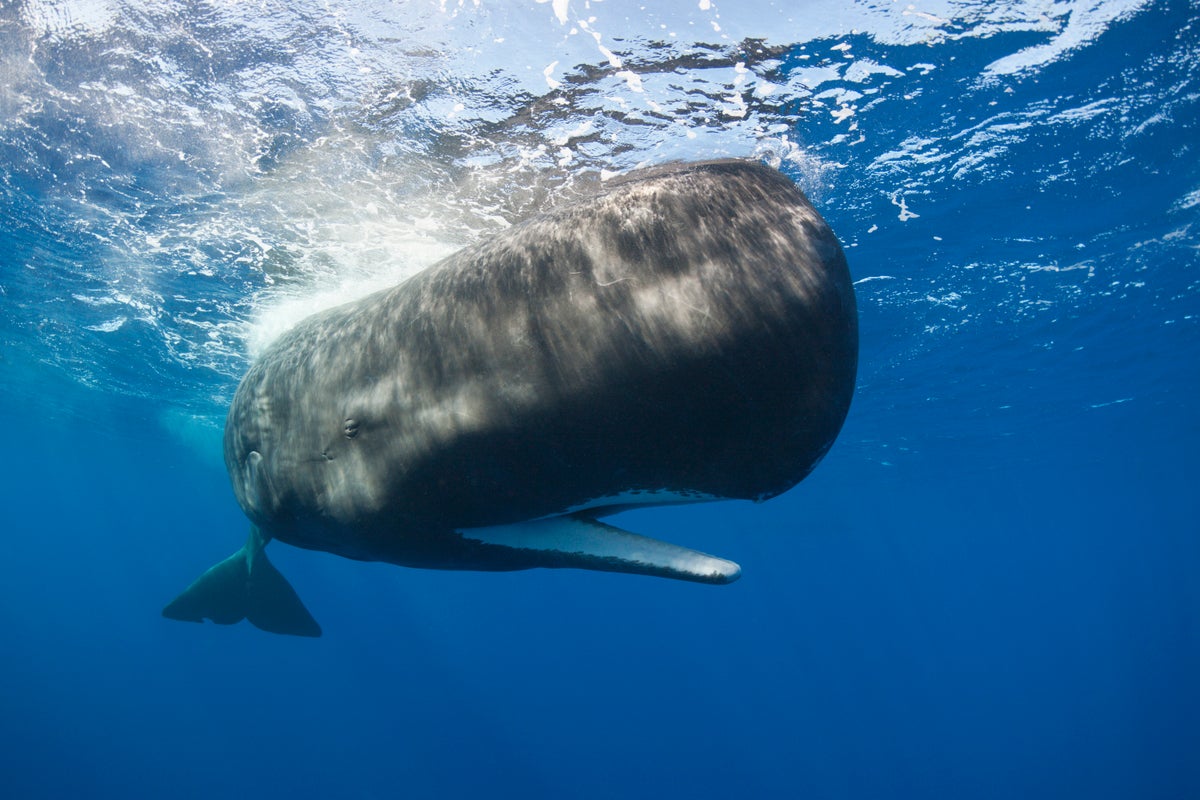
Researchers discovered the oldest known humpback whale song recording from 1949, predating scientific documentation of whale song by nearly 20 years and providing insights into whale communication in a quieter ocean.


fromHarvard Gazette
1 month ago'The sound stopped suddenly' - Harvard Gazette
The sound stopped suddenly. I wanted to use my right foot to hit the drum twice, but I ended with the first try. At that instant, my brain really drew a blank. I thought, 'What's going on?' This was Yamaguchi's recollection of the first symptoms of musician's dystonia that appeared during a concert in 2009, marking the beginning of his five-year journey to diagnosis.
Music
fromThe Washington Post
2 months agoScientists have discovered one of elephants' most sensitive secrets
The list of feats Andrew Schulz has witnessed an elephant perform with its trunk is as long as, well, an elephant's trunk. These powerful proboscises are strong enough to push over 900 pound trees and gentle enough to pick up a tortilla chip without breaking it. They can snuffle along the ground to sense vibrations from far-off herd movements. They can be used to solve puzzles, peel bananas, craft tools, console a fellow pachyderm or a human friend.
Science
fromPsychology Today
2 months agoMusic and the Brain: Love in the Key of Everyday Life
Wooden spoons as microphones, siblings spinning in socks across the floor, a mother laughing as Whitney Houston's "I Wanna Dance With Somebody" fills the room for the third time in a row-this is love. Long before children understand romance, they learn connection this way, through synchronized movement, shared joy, and the safety of familiar songs. Research on rhythm and social bonding suggests that moving in time together can regulate the nervous system and strengthen feelings of connection.
Music
fromAeon
2 months agoOrcas haven't changed, but our view of the killer whale has | Aeon Essays
'Orcas are psychos,' quipped a close friend recently. He wasn't joking, nor was he ill-informed. In fact, he is probably the world's leading historian of whales and people. He had just watched a BBC Earth clip, narrated by David Attenborough, in which three killer whales separate a male humpback calf from his mother in the waters of Western Australia. The video's closing footage, with two of the orcas escorting the naive youngster to his imminent death, resembles nothing so much as a kidnapping:
Philosophy
Psychology
fromwww.theguardian.com
2 months agoReaders replies: why does a song sometimes get stuck in our heads and what makes an earworm?
Catchy melodies and repeated exposure create involuntary earworms driven by memory, emotional relevance, rhythmic patterns, advertising jingles, and subconscious associations.
fromwww.scientificamerican.com
2 months agoBat accelerator' unlocks new clues to how these animals navigate
Bats are impressive navigators. Like so many mini submarines equipped with sonar, they deftly navigate dark forests and caves by listening for the echoes of their own calls. But how bats can tell which echo to follow while flitting around in a sea of overlapping and competing signals pinging off the myriad surfaces in their environments has been a mysteryuntil now.
Science
fromwww.mercurynews.com
2 months agoLove's in the air: It's skunk mating season
February heralds skunk mating season, and our striped friends have romance on their minds. Over the next several weeks, skunks will be seeking mates, and this activity always results in an uptick in the amount of skunk spray in the air. Male skunks spray each other when they fight over females, and females spray males they don't want as mates.
Environment
fromPsychology Today
2 months agoTool Use By Animals: Why the Hype and Why It's So Important
Recently, two unexpected examples by a wild wolf and a domesticated cow named Veronika attracted global attention and once again opened the door for experts and others to weigh in on the question, "Are these really examples of tooling?" Many people are eager to know more about the nitty-gritty details of tooling, so I am thrilled that Dr. Benjamin Beck, an expert in this area, could answer a few questions about this fascinating behavior.
Science
fromArs Technica
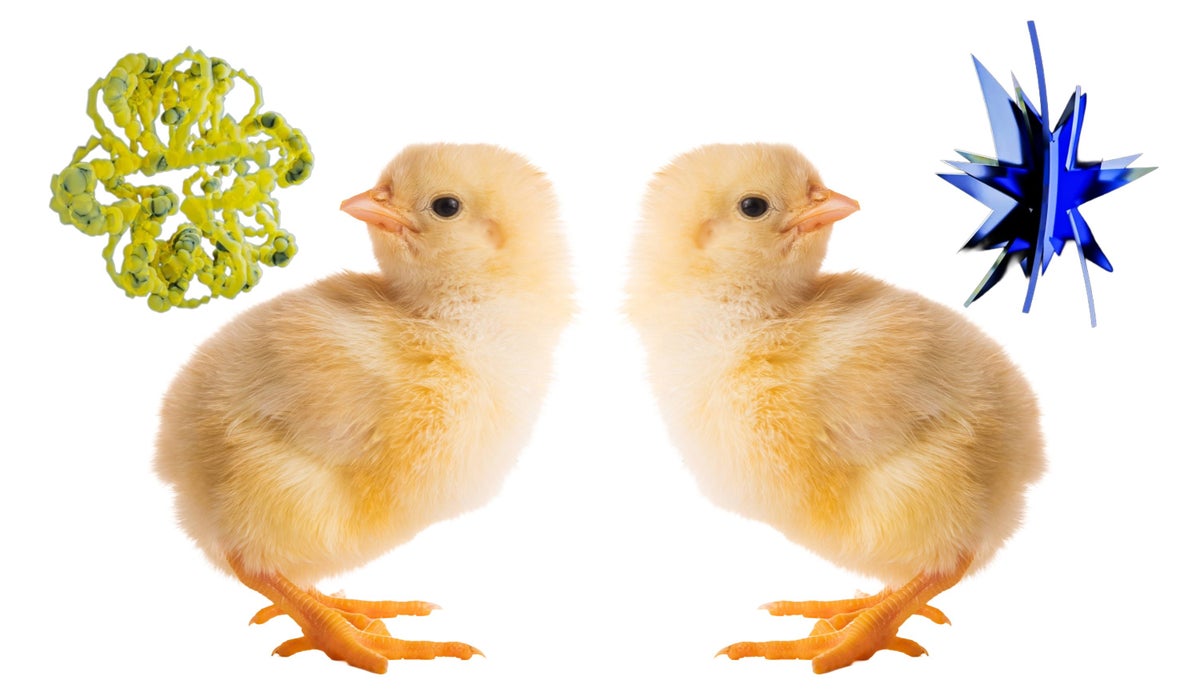
2 months agoUnique structure of elephant whiskers give them built-in sensing "intelligence"
An elephant's trunk is a marvelous thing, flexible enough to bend and stretch as it forages for food, but also stiff enough to grasp and maneuver even delicate objects like peanuts or a tortilla chip. That's because the trunk is highly sensitive when it comes to sensing touch. Scientists have determined that the whiskers lining the trunk are crucial for that sensitivity thanks to their unique structure, amounting to a kind of innate "material intelligence, according to a new paper published in the journal Science.
Science
Science
fromArs Technica
2 months agoMacaque facial gestures are more than just a reflex, study finds
Multiple cortical regions jointly generate facial gestures in macaques, with distinctions between social and non-social actions arising from different temporal neural codes rather than separate anatomical loci.
[ Load more ]