#iranian-football
#iranian-football
[ follow ]
#iran #world-cup #womens-asian-cup #fifa #sports-and-politics #iran-national-team #iran-womens-football #football

#womens-asian-cup
World news
fromwww.theguardian.com
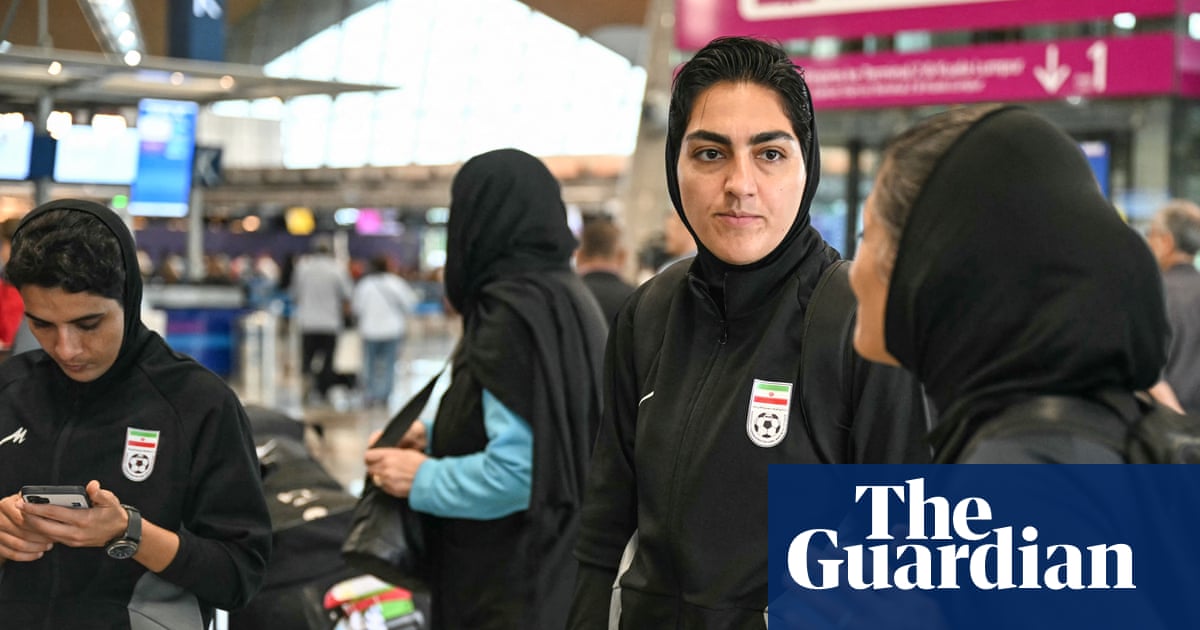
1 month agoGrave concerns' for Iran women's team return home after Asian Cup elimination
Iran's women's soccer team faces uncertain return home after tournament elimination, with potential safety risks from their government due to political statements during the competition.
World news
fromESPN.com
1 month agoIran women's national team: 'Let's just focus' on Asian Cup
Iran's women's football team proceeded with Women's Asian Cup preparations after Ayatollah Khamenei's death, with officials redirecting focus to the tournament rather than addressing geopolitical developments.
Soccer (FIFA)
fromwww.fourfourtwo.com
2 weeks ago'It's a chance to put Iraq on a global stage not associated with war and conflict - the people are fanatical about football' Former Manchester United assistant aiming for World Cup glory
Iraq aims to qualify for the World Cup for the first time since 1986, facing Bolivia in a crucial play-off match.
fromwww.aljazeera.com
2 weeks agoAsian Champions League quarterfinal sends Iran's Tractor FC to Saudi Arabia
The Asian Football Confederation (AFC) held the draw on Wednesday to determine the quarterfinal pairings, a day after announcing that the western zone playoffs that were postponed because of the war in the Middle East have been rescheduled for April 13-14 in Jeddah.
Soccer (FIFA)
#iran-womens-soccer
Women
fromwww.mediaite.com
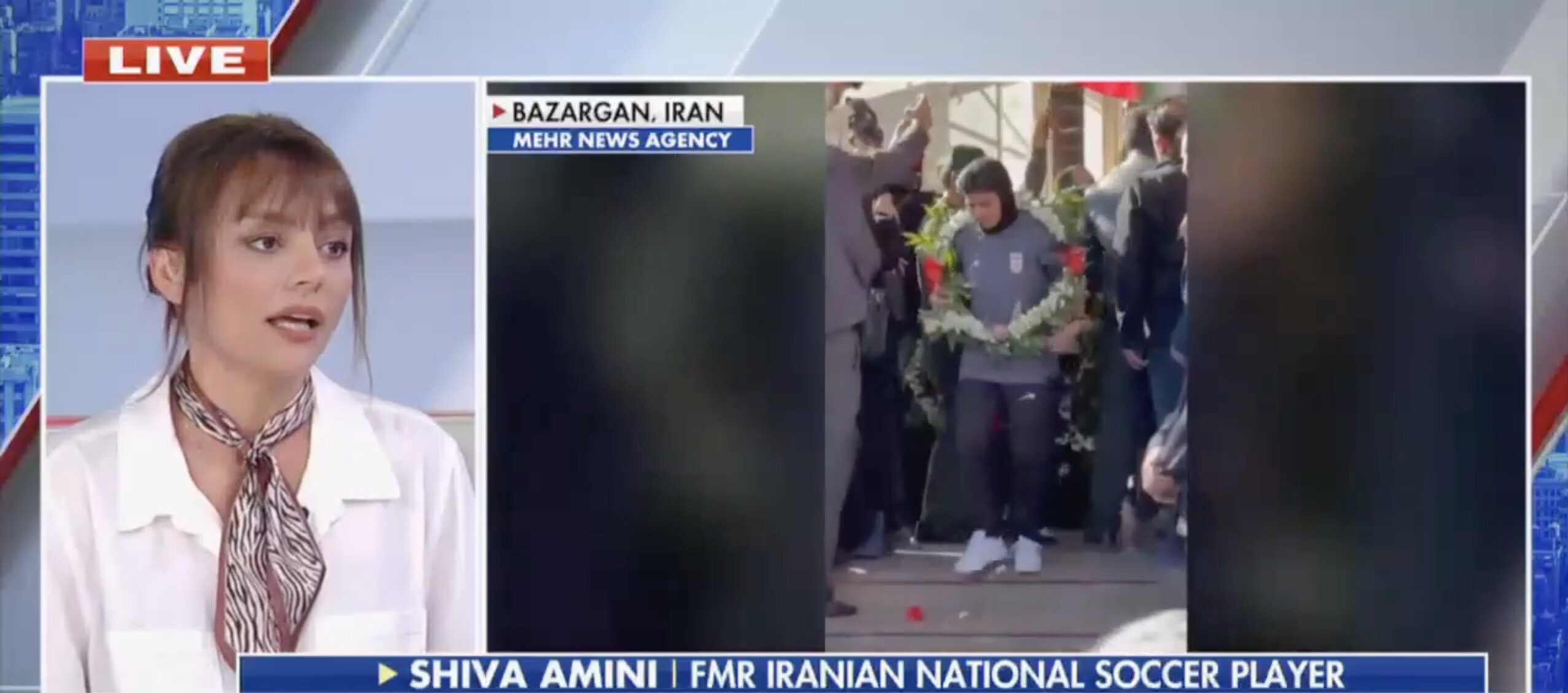
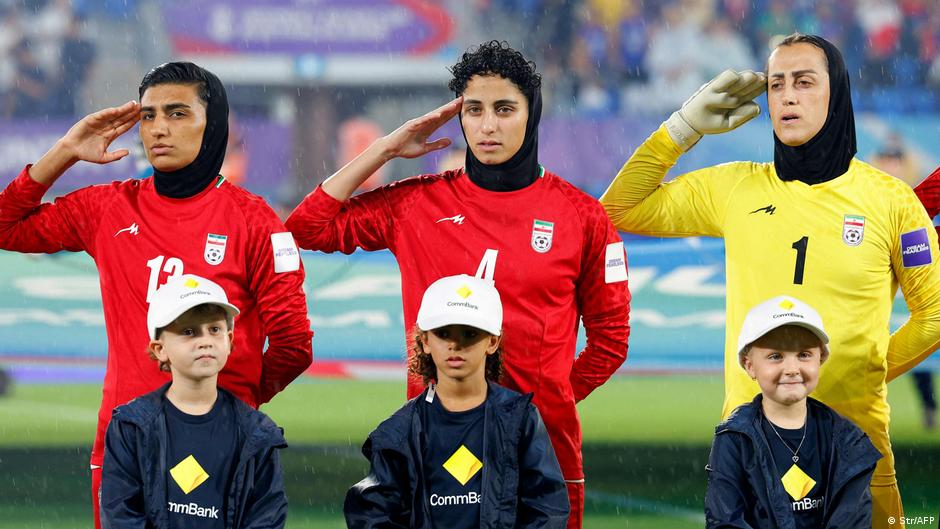
3 weeks agoFormer Iranian Soccer Accuses Government of Holding Families Hostage' if Players Speak Out: This Is the DNA of the Regime'
Iranian women's soccer players faced government pressure and family threats after protesting during the national anthem, ultimately returning to Iran despite asylum offers from Australia and the U.S.

#iran-womens-football

Women
fromwww.aljazeera.com
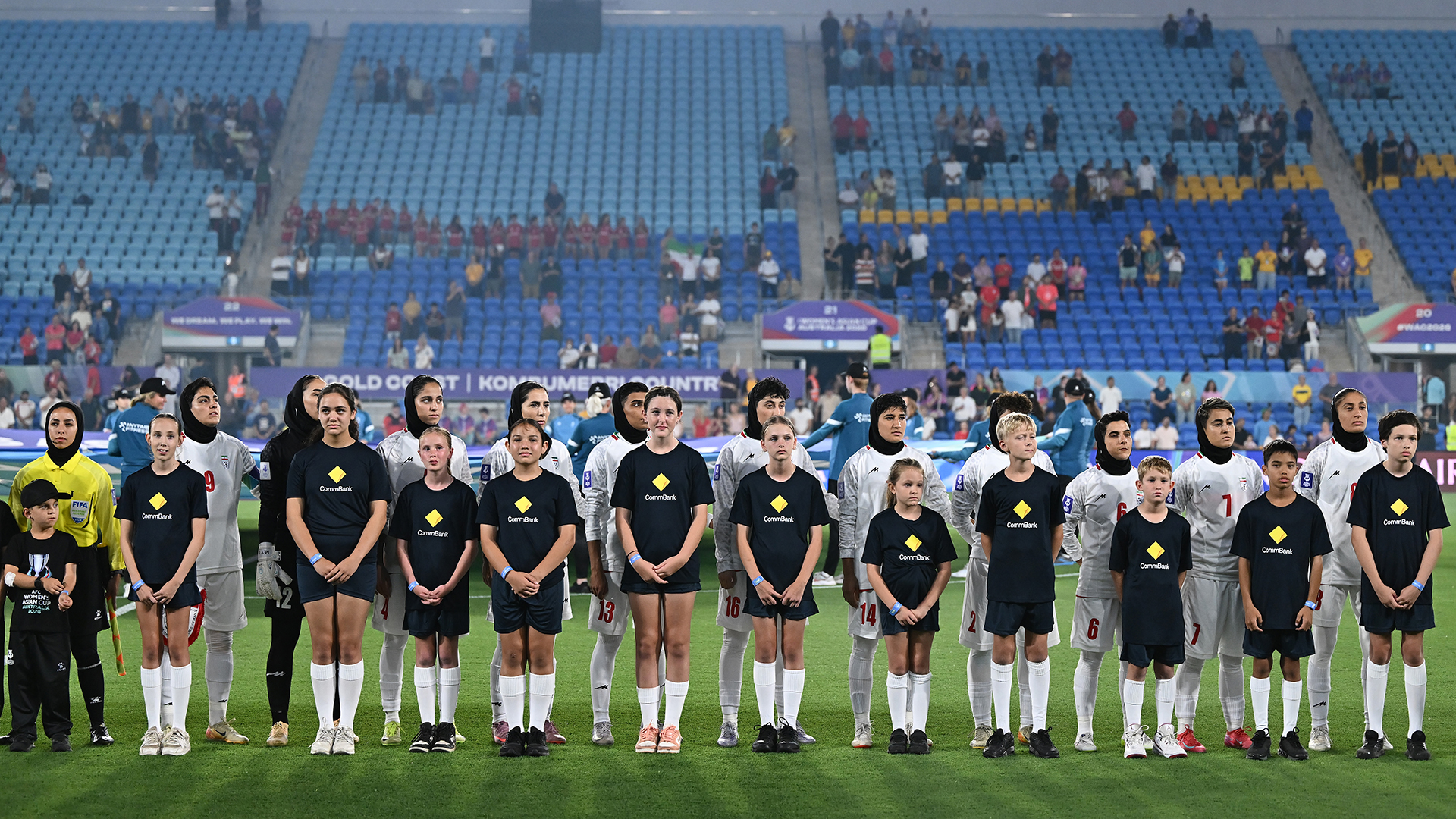
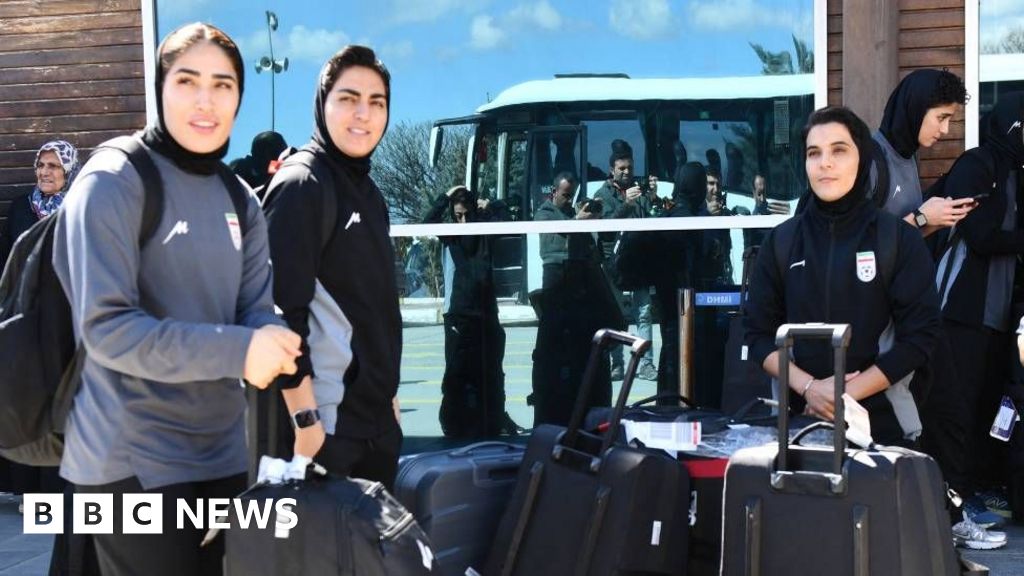
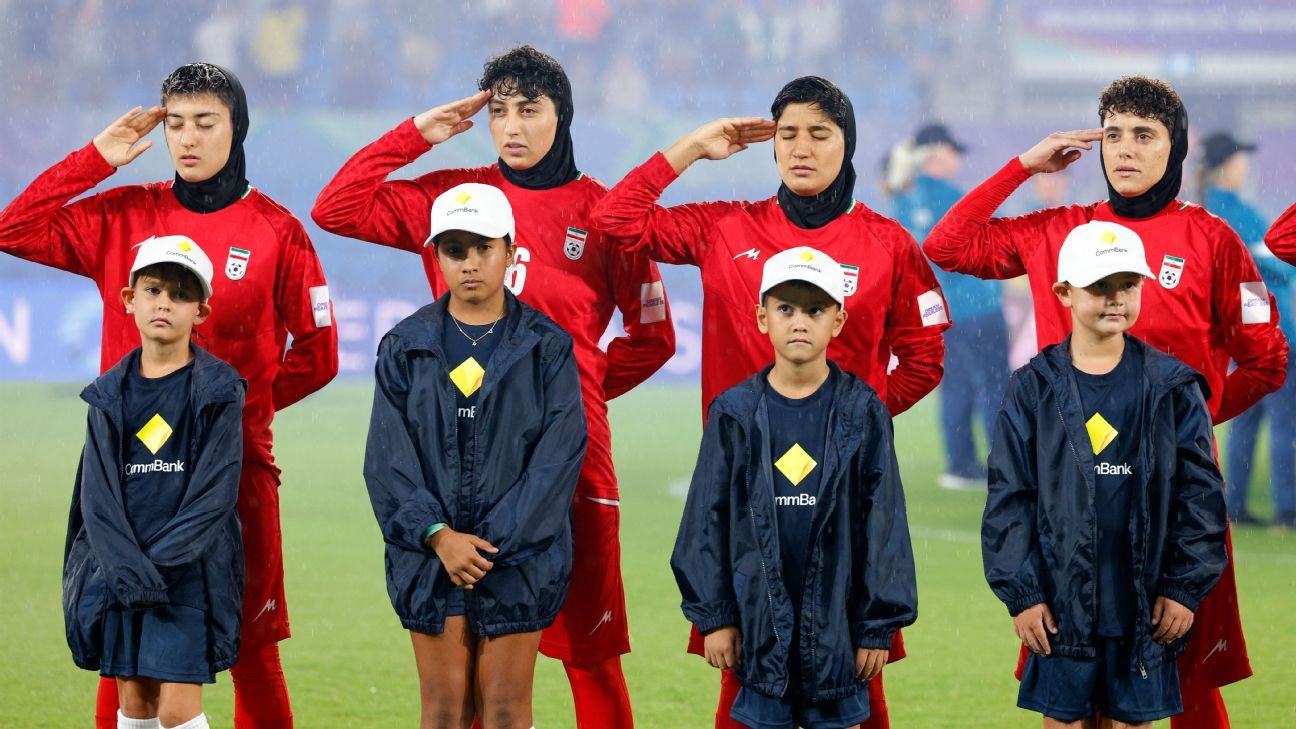
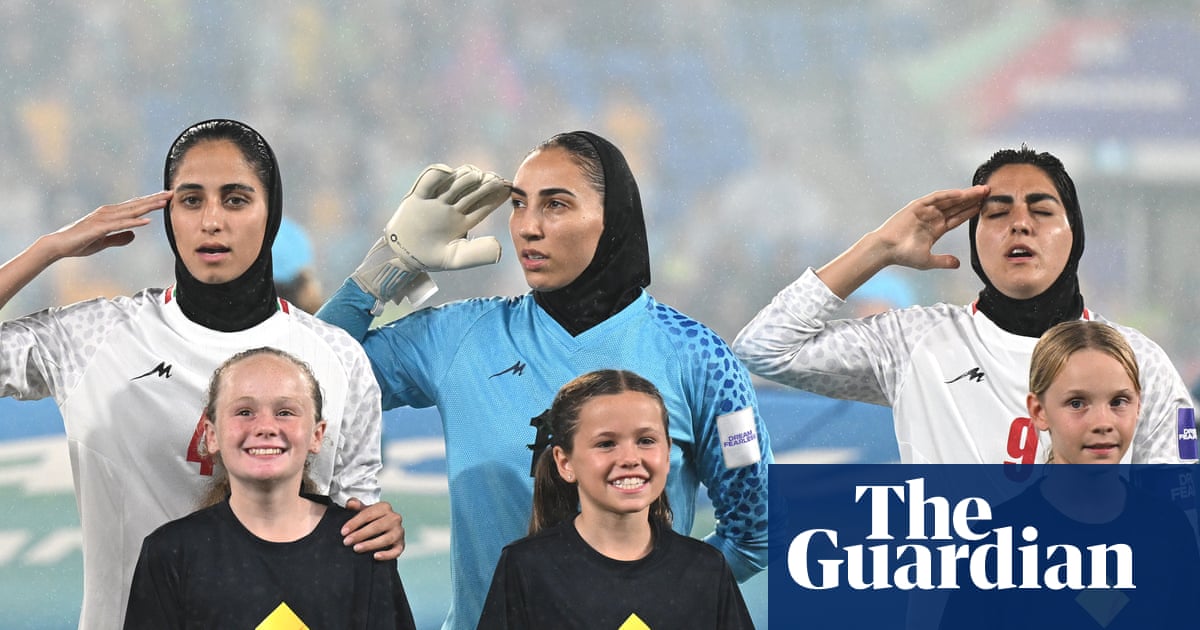
1 month agoIran women's football team salute, sing national anthem in Asian Cup match
Iran's women's football team sang their national anthem before their Australia match after remaining silent in their opening game, amid ongoing conflict and difficulty contacting families back home.
Women
fromwww.aljazeera.com
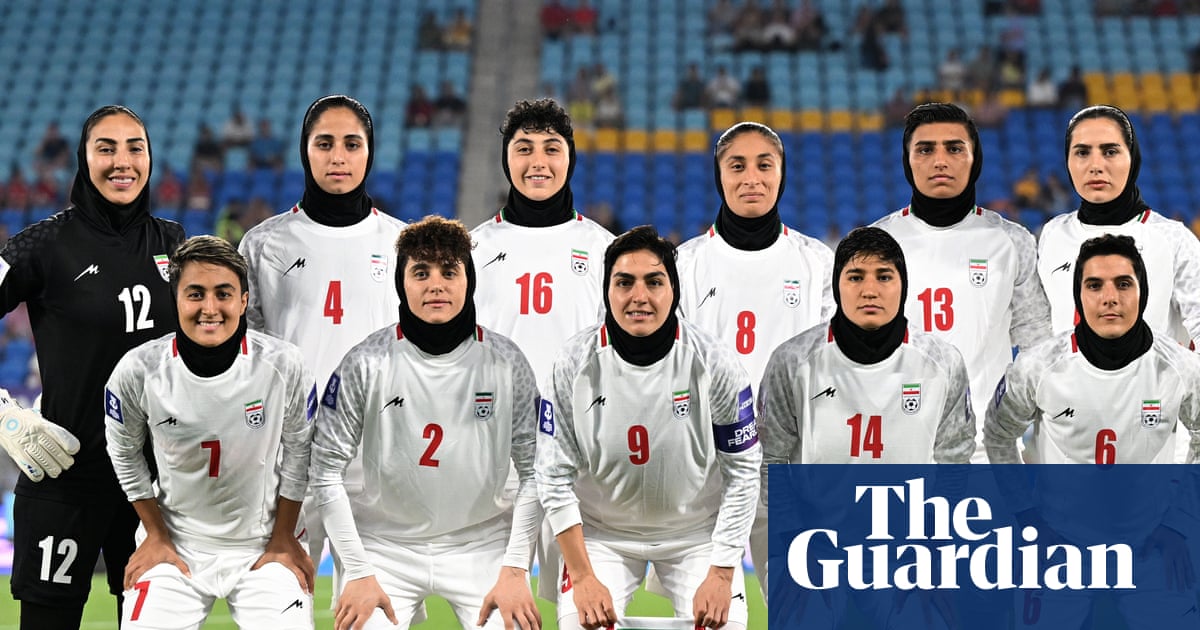
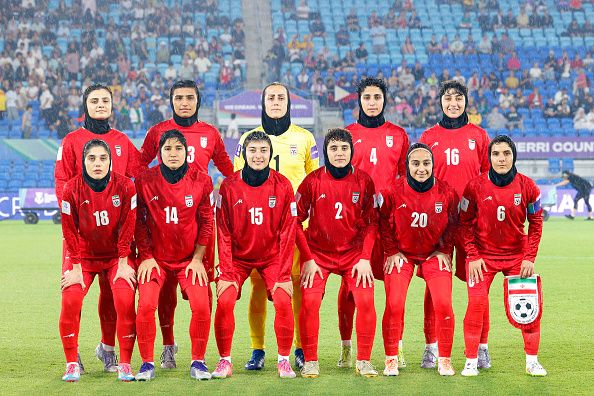
1 month agoIran women's football team salute, sing national anthem in Asian Cup match
Iran's women's football team sang their national anthem before their Australia match after remaining silent in their opening game, amid ongoing conflict and difficulty contacting families back home.
#iranian-womens-football
World news
fromwww.theguardian.com
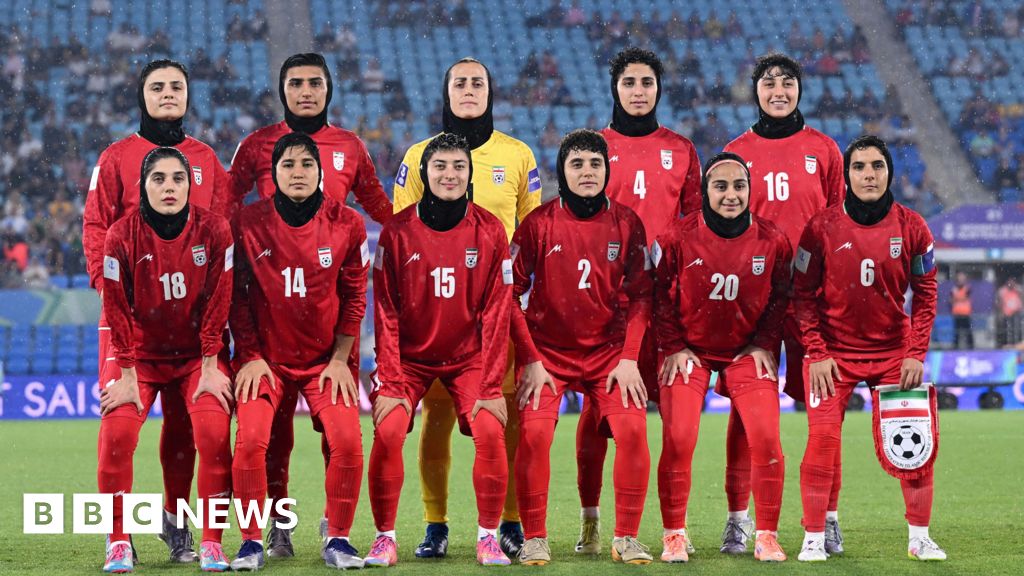
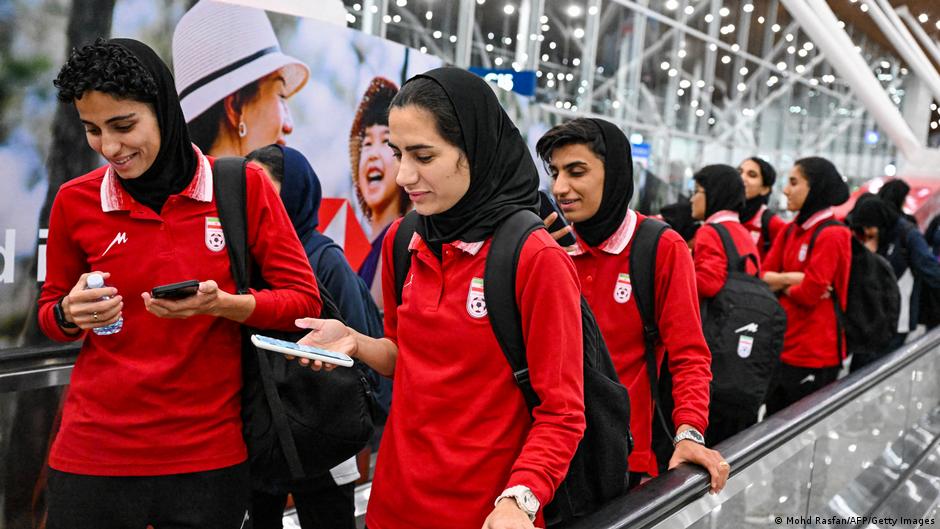
3 weeks agoIran women's football team arrive back home after asylum drama in Australia
Seven Iranian women's football players sought asylum in Australia after refusing to sing the national anthem, but five returned to Iran after pressure, while two remained in Australia.
World news
fromwww.theguardian.com
3 weeks agoIran women's football team arrive back home after asylum drama in Australia
Seven Iranian women's football players sought asylum in Australia after refusing to sing the national anthem, but five returned to Iran after pressure, while two remained in Australia.
#fifa-world-cup-2026



World news
fromwww.aljazeera.com
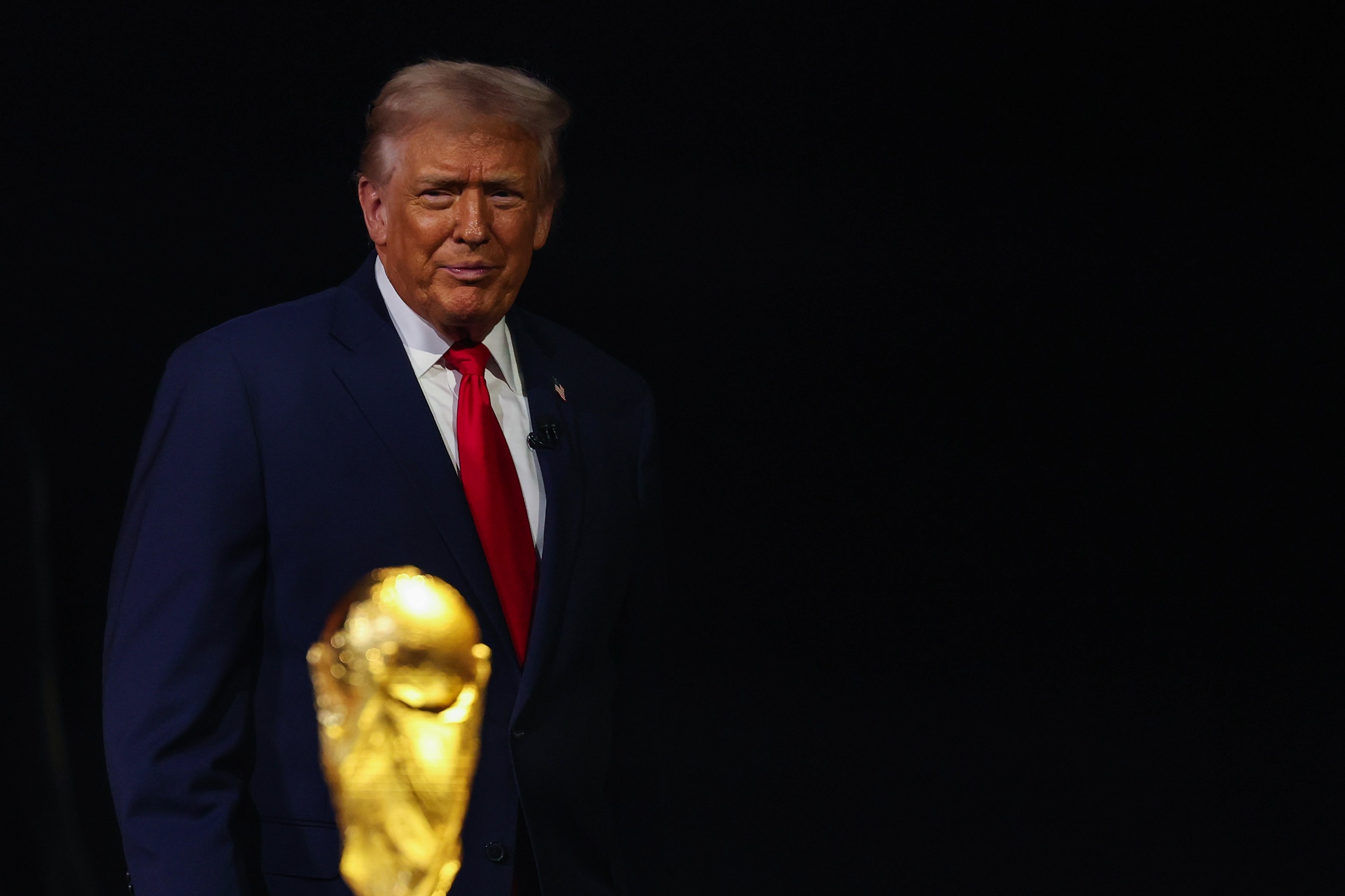
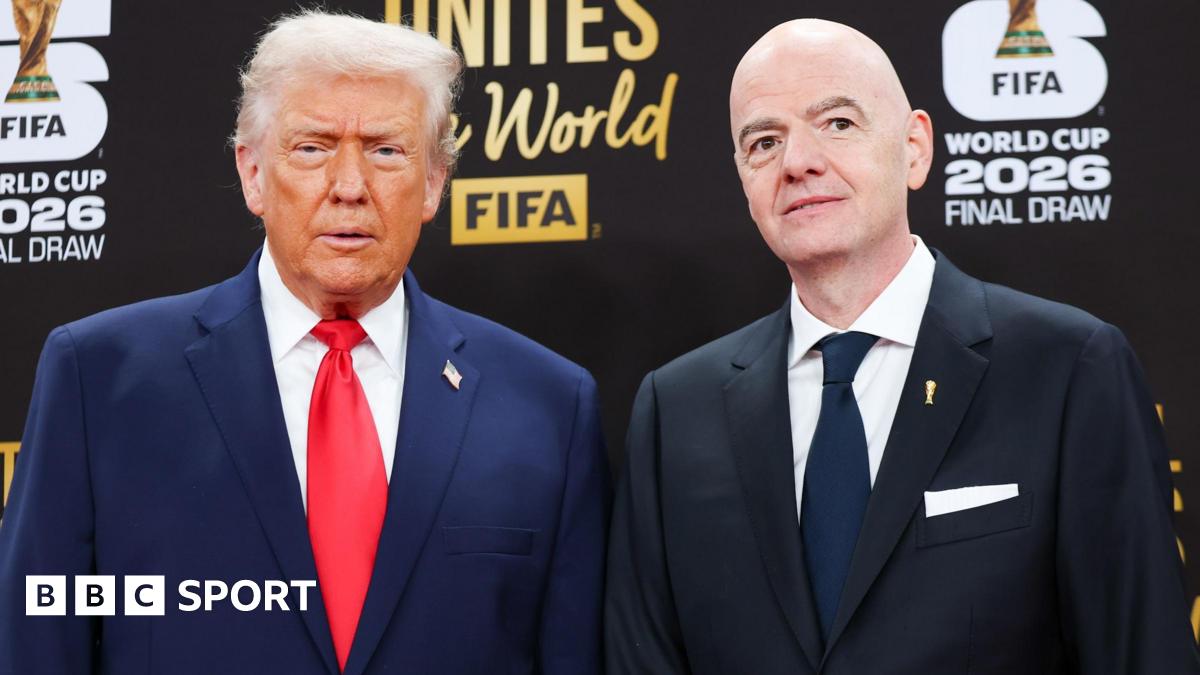
4 weeks agoIran still playing in World Cup 2026 despite withdrawal rumours, AFC says
The AFC has not received official notification of Iran withdrawing from the 2026 FIFA World Cup despite Iran's sports minister suggesting participation is impossible following recent geopolitical tensions.
#iran-womens-soccer-team
World news
fromwww.theguardian.com
1 month agoAustralian government urged to protect Iran football players after national anthem backflip
Iran's women's national soccer team faces potential persecution if returned home after refusing to sing the national anthem, prompting calls for Australian government protection.

Women
fromwww.theguardian.com
1 month agoIran's women footballers faced an impossible choice, but we must not romanticise what they are going through | Shiva Mokri and Moones Mansoubi
Iranian women's football players' silent protest during the national anthem represents decades of feminist struggle and carries life-altering consequences regardless of whether they stay abroad or return home.
Soccer (FIFA)
fromwww.aljazeera.com
1 month agoFIFA, AFC urged to protect Iran women footballers after traitors' threat
Iran's women's football team faces threats from state media after refusing to sing the national anthem at an AFC Cup match, prompting FIFA and AFC to be urged to ensure player safety.
fromwww.theguardian.com
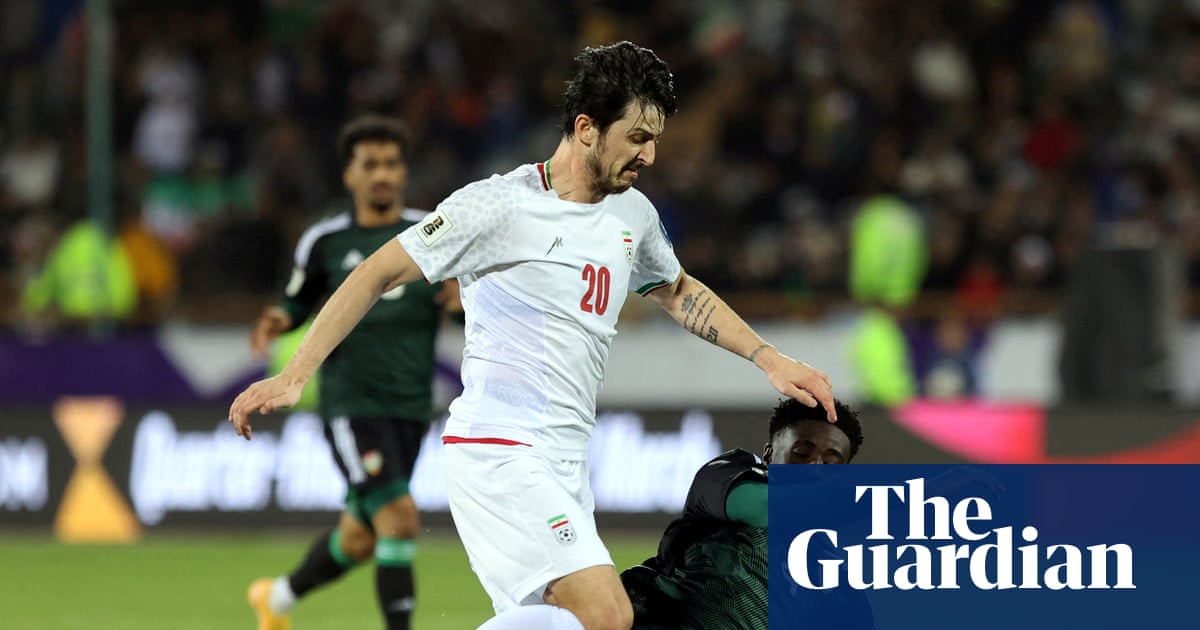
1 month agoIranian football enters post-Khamenei era with future shrouded in uncertainty
When times were tense, games were played behind closed doors. The heroes of Melbourne, who came from behind to win a playoff in Australia to qualify for the 1998 World Cup, were told not to come straight home to Tehran as the city celebrated. At that tournament there was more public joy after the famous 2-1 win against USA but Khamenei's statement was not the most sporting.
Soccer (FIFA)
#2026-fifa-world-cup
World news
fromwww.bbc.com
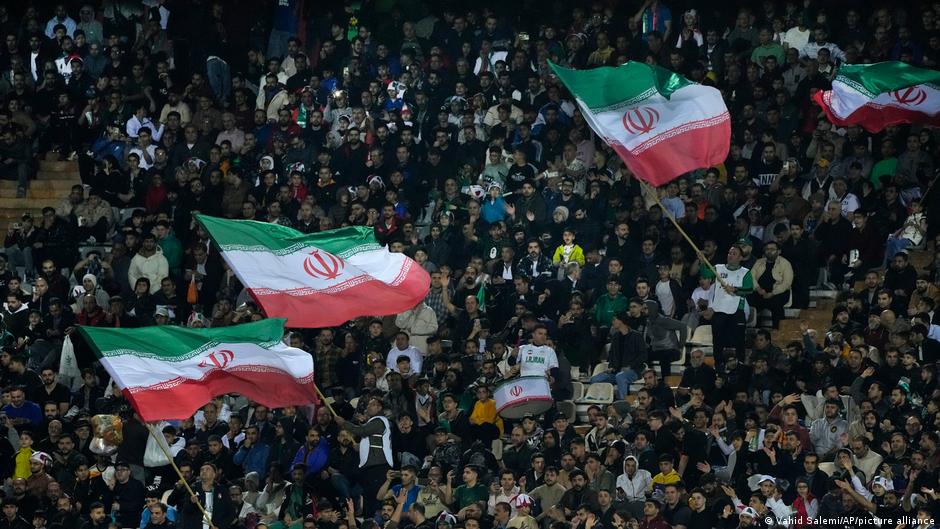
1 month agoIranian minister says country will not play in World Cup
Iran's Sports Minister declares the country cannot participate in the 2026 World Cup due to security concerns and ongoing regional conflict following the assassination of Supreme Leader Ayatollah Ali Khamenei.
fromwww.theguardian.com
1 month agoMatildas sweep aside Iran in dominant Women's Asian Cup showing
Manchester City's Mary Fowler made her first start since tearing her ACL almost a year ago, poking the ball into the net in the 26th minute after a deep Caitlin Foord cross was spilled by Iran goalkeeper Maryam Yektaei.
Women
World news
fromwww.theguardian.com
1 month agoWill Iran play at the 2026 World Cup? Explaining the state of play
Iran's World Cup participation remains uncertain amid conflicting statements from US President Trump, FIFA leadership, and Iran's sports ministry, with FIFA delaying a final decision until April 30.
fromwww.dw.com
2 months agoProtests in Iran: Ali Karimi leads sports' call for support
In the face of thousands of killings, leading figures in Iranian sport have been vocal about the need for help and action. Former Iran and Bayern Munich star Ali Karimi signed an open letter to FIFA's President Gianni Infantino, calling on him to "publicly condemn the mass killing of civilians in Iran, including members of the football community." Karimi, along with 20 other signatories that include other former internationals, a coach, a referee and sports journalists, also asks FIFA to act in the face of human rights being violated.
Soccer (FIFA)
fromwww.theguardian.com
1 month agoDismay as ancient heritage sites across Iran damaged in US-Israel bombing
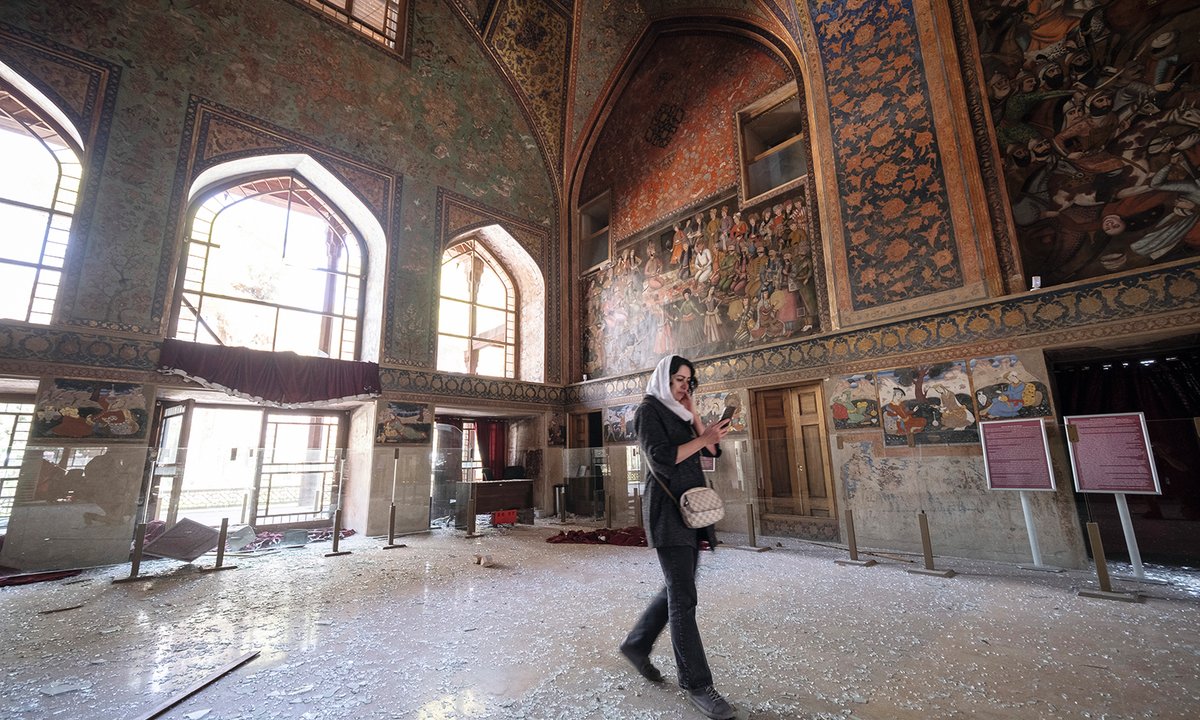
The most serious confirmed damage to date has been to Tehran's Golestan palace, dating back to the 14th century, and the 17th-century Chehel Sotoon palace in Isfahan. Judging from videos and public statements, neither historic building was hit by a missile directly but the shock wave from nearby blasts and possibly some missile debris, shattered glass and brought down tiles and masonry.
World news
World news
fromLos Angeles Times
1 month agoWith U.S. at war with Iran, political upheaval could engulf World Cup
The U.S. has conducted unprecedented military operations against two World Cup-qualifying nations during tournament hosting, raising questions about the event's viability amid escalating geopolitical tensions.
fromwww.theguardian.com
1 month agoA country divided: state media show pro-Mojtaba protests as Iranians online fear repression
Carrying banners showing the face of the country's slain leader, Ayatollah Ali Khamenei, people on Monday held a new portrait that of his son and successor, Mojtaba Khamenei. Other similar scenes on state media showed pledges of loyalty from several cities across the country, with people chanting, Death to America and Death to Israel, as security forces looked on.
World news
fromwww.aljazeera.com
1 month agoWhat the world is getting wrong about what Iranians think
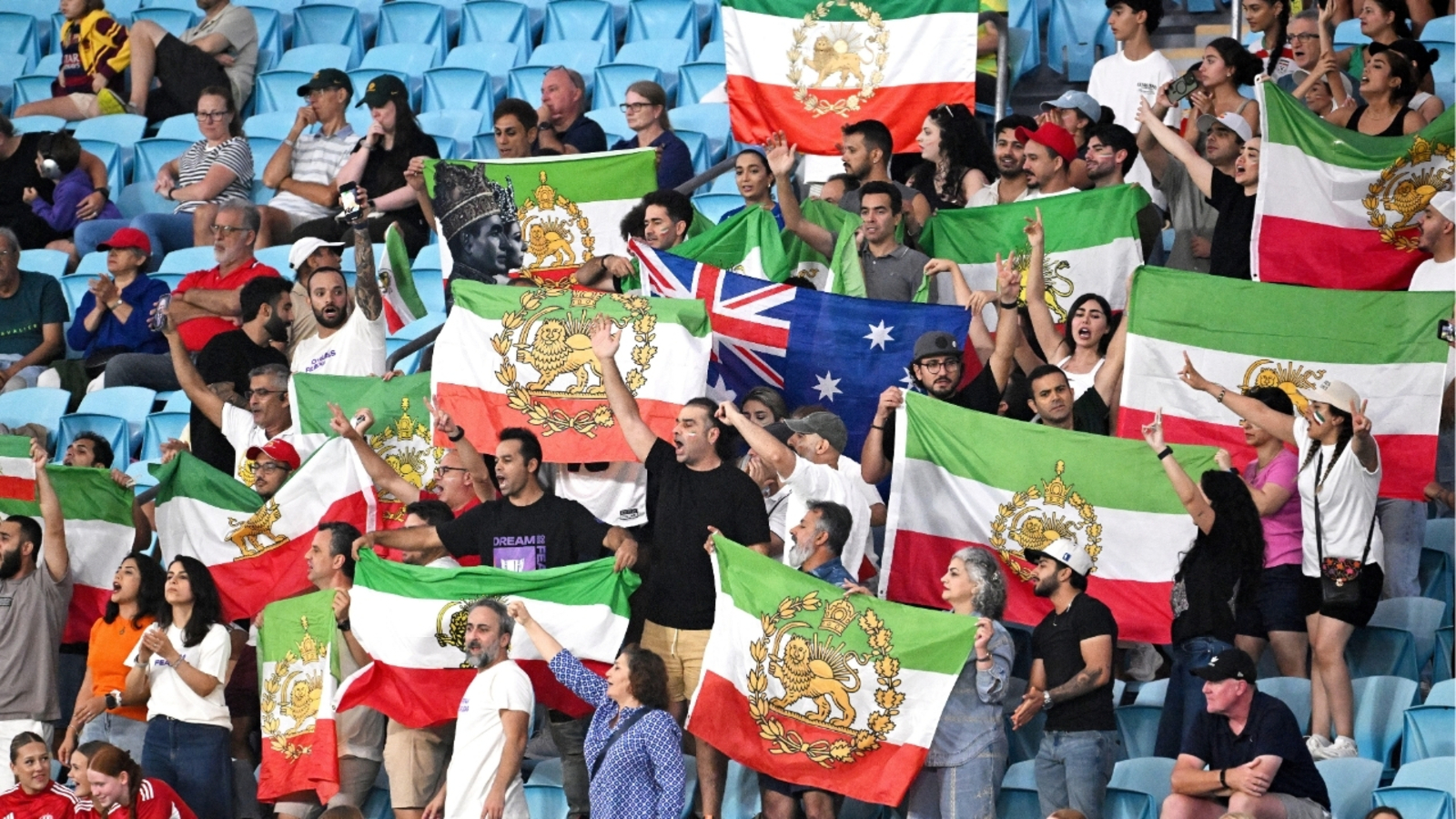
The US-Israeli war on Iran is exposing deep divisions among Iranians in the diaspora and in Iran. From inside Iran to the diaspora, Iranians are deeply divided about their country's future. With Ayatollah Ali Khamenei gone and Reza Pahlavi, the son of the former shah, waiting in the wings, what do conversations about regime change reveal about the spectrum of what Iranians really think?
World news
#2026-world-cup
World news
fromESPN.com
1 month agoIran's situation at the 2026 World Cup: Will they play? What happens if they don't?
Iran's 2026 World Cup participation is uncertain following escalating military conflict between the U.S. and Iran, with multiple potential scenarios that could prevent their competition.
fromThe Atlantic
1 month agoWhy People Shed Tears for Tyrants
The Iranian announcer was grieving the loss of a "father," as he put it, while for Alinejad and so many other Iranians in exile and at home, the vaporized ma[n represented something entirely different]. Such torrential downpours, from loyalists and dissenters alike, often follow the deaths of notorious and long-ruling dictators-Joseph Stalin, Mao Zedong, Saddam Hussein.
World news
World news
fromwww.mercurynews.com
1 month agoPresident of Iran's soccer federation says World Cup participation in US is in doubt
Iran's soccer federation president questions whether the national team can participate in World Cup matches in the United States following U.S. and Israeli military strikes on Iran.
World news
fromThe New Yorker
1 month agoAn Iranian Political Dissident on Khamenei's Killing and What Comes Next
Iranian dissident Mehdi Mahmoudian, imprisoned nine of the past sixteen years for activism, reflects on Khamenei's death and his experiences surviving Iran's prison system amid ongoing military conflict.
[ Load more ]