UX design
fromMedium
11 hours agoHaptics: how to build a consistent cross-platform solution and align code with Figma
Implementing consistent haptics across iOS, Android, and mobile web enhances user experience through tactile feedback.
TanStack RSCs are supported through three primitive APIs that allow manipulation of RSCs as any other stream of data, compatible with tools like React Query and TanStack Router.
React Native v0.85 introduces a new Shared Animation backend, enhancing the animation capabilities of applications. Upcoming features like <ViewTransition> and Skia Graphite promise to further improve user experiences.
Next.js 16.2 comes with significant performance improvements, including a ~400% faster next dev startup and ~50% faster rendering thanks to a React core RSC contribution.
Tracy is compatible with Kotlin from version 2.0.0 and Java from version 17. Integrations can be made with SDKs from OpenAI, Anthropic, and Gemini. The library also works with common Kotlin/LLM stacks including OkHttp and Ktor clients, as well as OpenAI, Anthropic, and Gemini ones.
Air, now free for MacOS with Linux and Windows versions coming soon, is an agentic development environment, or ADE, built on the idea of integrating the essential tools for managing coding agents into a single coherent experience. Serving as a single workspace where Claude Agent, Gemini CLI, Codex, and Junie CLI can work side-by-side, Air helps developers navigate a codebase and easily switch back and forth between different coding agents.
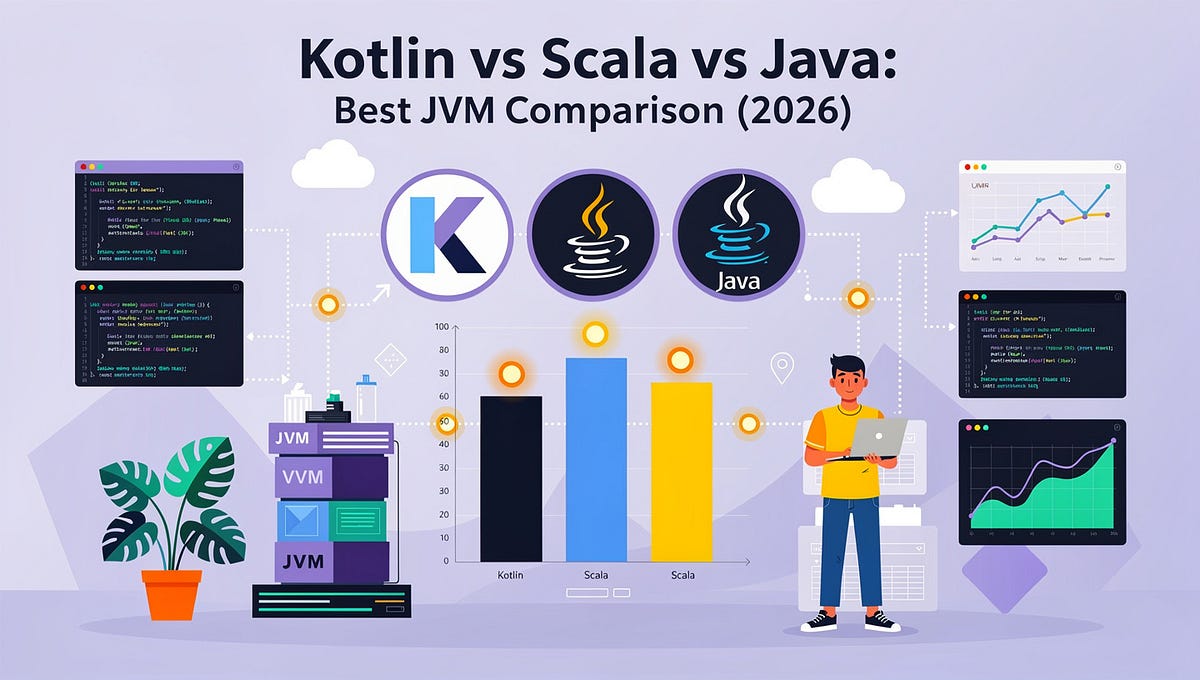
Over the past months, I've watched two clients move from Scala (Play, Slick, Akka, Akka Http ... ) to Kotlin (Spring, JPA/Hibernate). In my current role, an engineering decision was made to move away from Scala. The decision was driven less by Scala's shortcomings and more by long-term career risk management: leaders understandably favor stacks (Java/Kotlin) that maximize hiring flexibility in a volatile market.
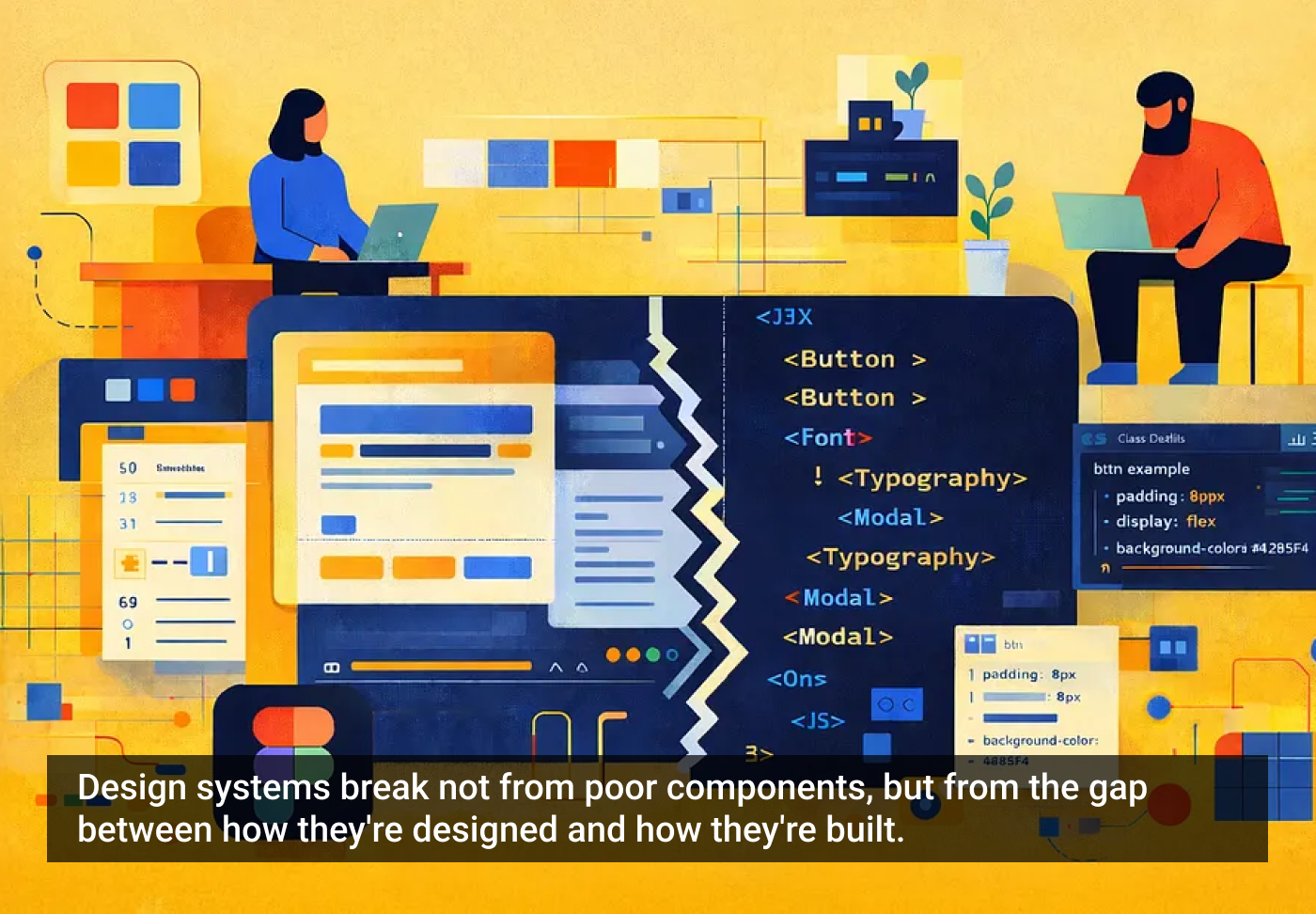
Design tokens are all your design decisions, that define a design system's aesthetic properties, everything from colors and font sizes to spacing units and border radii. They are the modern evolution of hard-coded values. They are stored in a central, platform-agnostic repository, establishing a single source of truth for your entire digital product suite. This central management allows teams to consume the exact same design values across all platforms (web, native apps, documentation).
Teams often use customer and user interchangeably until it breaks alignment. Here's how separating the two clarifies research, prioritization, and messaging across B2C, B2B, and B2B2C products.
The web is full of AI assistants that appear to understand application UIs, user data, and intent. In practice, however, most of these systems operate outside the application itself. When you try to build one from scratch, you quickly run into a core limitation: large language models have no native understanding of your React state, component hierarchy, or business logic.
When applications grow, state becomes messy, components break, and small changes ripple into unexpected bugs. This is where many learners realize that knowing React syntax is not the same as knowing how React applications are built.
Hi everyone! You'll have to get used to it: yet another week filled with AI content. From MCPs to Agent Skills to AI-specific CLIs, we don't know where to turn anymore. We're delighted to be ranked once again among the top 5 newsletters in the State of JavaScript 2025 survey. Thanks for your trust! By the way, we'd love your feedback - what do you like about the newsletter, and how could we make it better in 2026? Just hit reply and let us know! ❤️
Hi everyone! This week, we saw a lot of activity on X about the new AI skills system. Personally, what excited me most is the new Firefox release that unlocks interesting things for React developers. The React Native ecosystem is also super active, with many interesting releases. And I'm sure Expo 55 beta will drop just after we send our email 😅, so make sure to check their blog because it's coming soon. Don't miss the next email! As always, thanks for supporting us on your favorite platform:
This same sense of uncertainty can be triggered in software products. Many digital experiences consist of background tasks, file imports, system updates, and other long-running processes that run quietly and invisibly, leaving users with no indications of progress or feedback. The user initiates an action, like a sync, a publish, or a bulk update, and is responsible for the outcome, while the system does all the work out of sight.