#kinetic-turntable
#kinetic-turntable
[ follow ]
Gadgets
fromYanko Design - Modern Industrial Design News
3 days agoANBERNIC RG Rotate handheld with swivelling display doubles as a music player - Yanko Design
Handheld gaming has surged, with ANBERNIC introducing the RG Rotate, a compact device featuring a rotating screen and music playback capabilities.
#vinyl-records

fromYanko Design - Modern Industrial Design News
1 month agoMusic
Forget Spotify: These 5 Designer Turntables Are the Real Reason Vinyl Is Having a Moment - Yanko Design
Vinyl's resurgence stems from listeners seeking intentional engagement with music through physical ritual rather than streaming's frictionless convenience.
fromYanko Design - Modern Industrial Design News
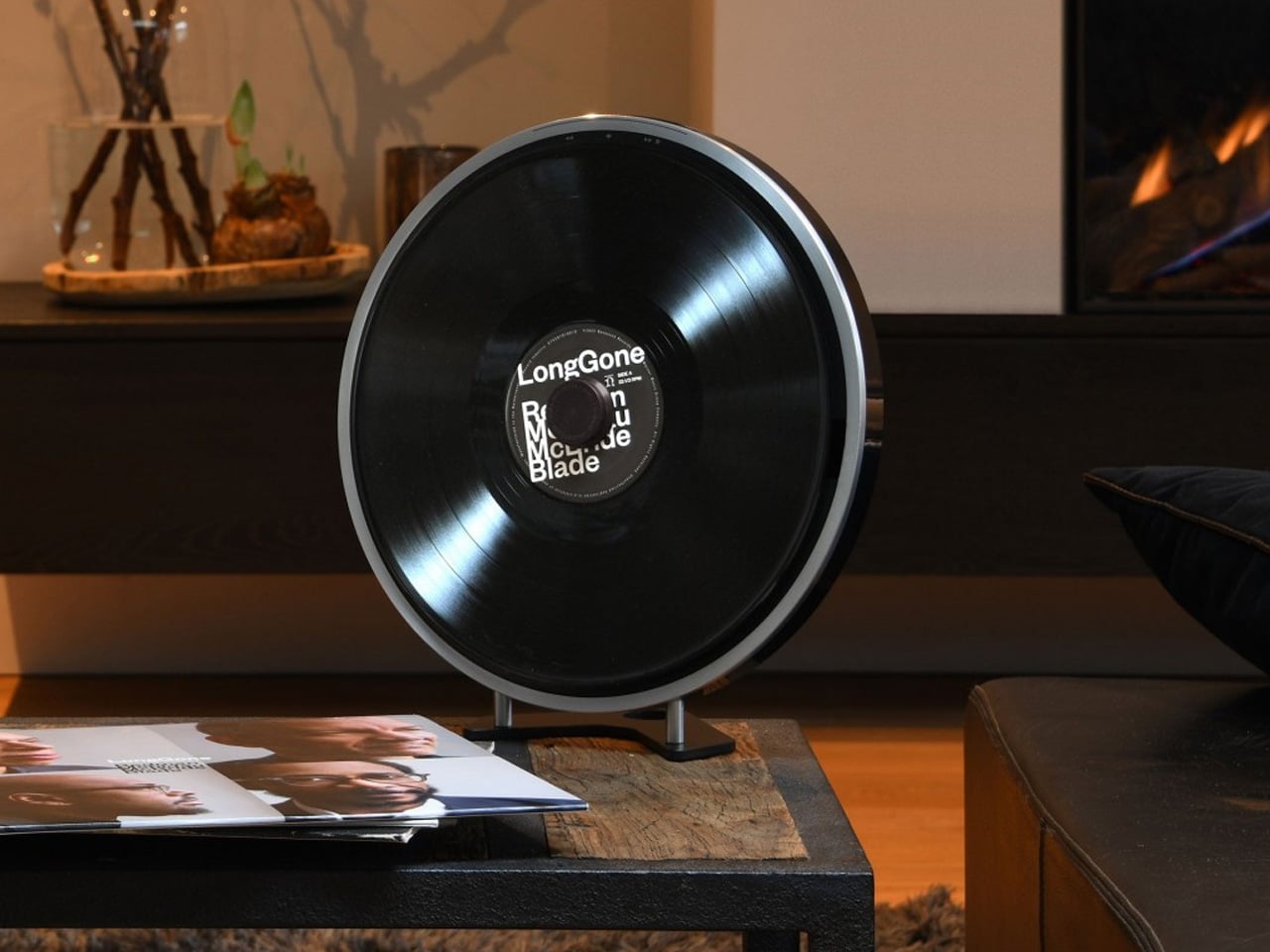
4 days agoThe CD Player Is Back - And These 7 Designs Are Gorgeous - Yanko Design
Streaming hasn't killed physical media. It's made us crave it more. CDs are back in rotation, showing up in record stores, apartments, and design studios with a renewed sense of purpose.
Gadgets
UX design
fromYanko Design - Modern Industrial Design News
1 week agoMUJI-Meets-Cyberpunk Vinyl Record Player Glows Like an Ambient Light and Charges Wirelessly - Yanko Design
Minimalism in product design has become monotonous, prompting a shift towards more expressive and functional designs that enhance interior aesthetics.
fromdesignboom | architecture & design magazine
1 week agowall-mounted vinyl player connects with CD and cassette decks for triple listening session
The TTT-W magnetic modular wall rack is flushed against the wall, featuring four circular magnetic pads that create a vertical design piece, unifying the audio devices.
Music production

E-Commerce
fromLondon Business News | Londonlovesbusiness.com
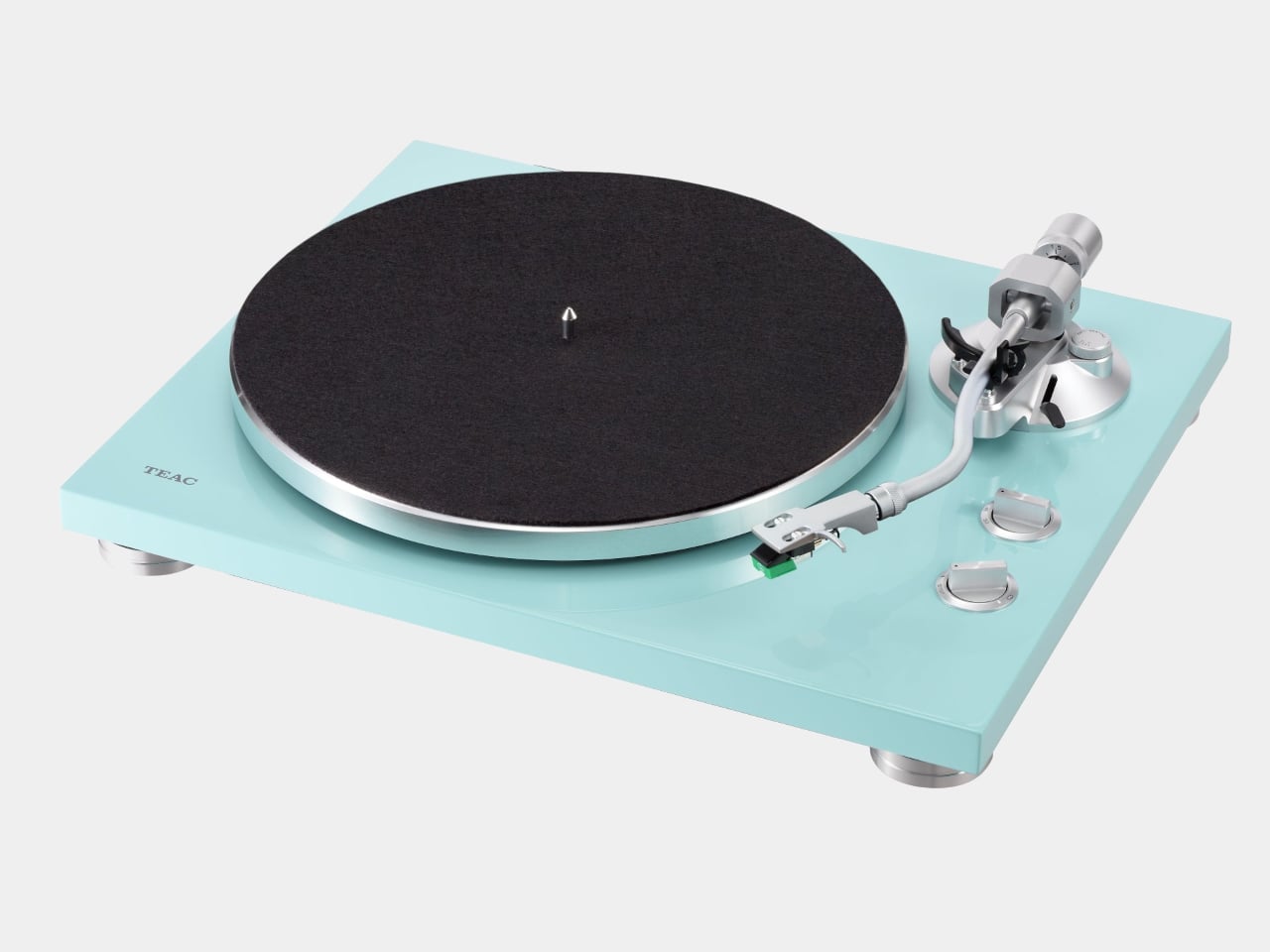
1 month agoHow music technology is changing the modern retail store - London Business News | Londonlovesbusiness.com
Physical retail stores are transforming into experience-driven spaces where strategic audio systems and environmental design significantly influence customer behavior and brand perception.
Gadgets
fromYanko Design - Modern Industrial Design News
4 weeks agoGen Z Is Obsessed With These 5 Cassette-Era Gadgets & They Just Got a Full Design Upgrade for 2026 - Yanko Design
Streaming's abundance created a thinner listening experience; cassette-era design principles combined with modern technology offer a solution through intentional, tactile music consumption products.
Berlin music
fromdesignboom | architecture & design magazine
1 month agopink sculptural DJ booth by YONT studio sits inside hybrid record store in berlin
YONT Studio converts a former Berlin office into a multifunctional hybrid record store combining vinyl retail, listening stations, label offices, photo studio, and community gathering spaces.
fromEngadget
1 month agoTembo might just be the world's cutest drum machine
The company says it designed Tembo to "enable everyone to create music from the very first touch." Co-founder David Davidov that most instruments take "so long to get to the fun part" and that Musical Beings wanted to "help people experience music as something they do, not just something they listen to."
Music production

Music
fromYanko Design - Modern Industrial Design News
1 month agoThese $40-$299 Cassette Players Just Crushed Spotify's Algorithm - Yanko Design
Cassette player searches have surged over 1,281%, driven by millennials and Gen Z seeking deliberate listening experiences away from algorithmic playlists and infinite streaming options.
Music
fromdesignboom | architecture & design magazine
2 months agovintage reel-to-reel tape player returns as modern wooden synthesizer by love hulten
A wooden RGB synthesizer combines vintage reel-to-reel visual cues with stepper-motor-driven red, green, and blue rotating discs and three stacked keyboard rows.
fromdesignboom | architecture & design magazine
1 month agomodern audio player restores the physical form of music using disc-shaped cartridges
It's similar to a vinyl record, but the tracks are in a USB drive. It has no moving parts inside, so it's totally digital in how it stores sound. But it has a physical shape users can hold, flip over, look at, and collect, so in a way, the designer is asking: what if digital music had a physical body?
Music production
fromEngadget
2 months agoAkai's MPC XL groovebox is the most powerful device the company has ever made
First of all, it offers four times the processing power of previous MPCs, which is enough to load up to 32 virtual instruments at the same time. This is assisted by a full 16GB of RAM, which is a whole lot in this era of AI tomfoolery. The XL can handle 16 audio tracks simultaneously. In my experience with previous units, this is more than enough for a full song.
Music

Music
fromYanko Design - Modern Industrial Design News
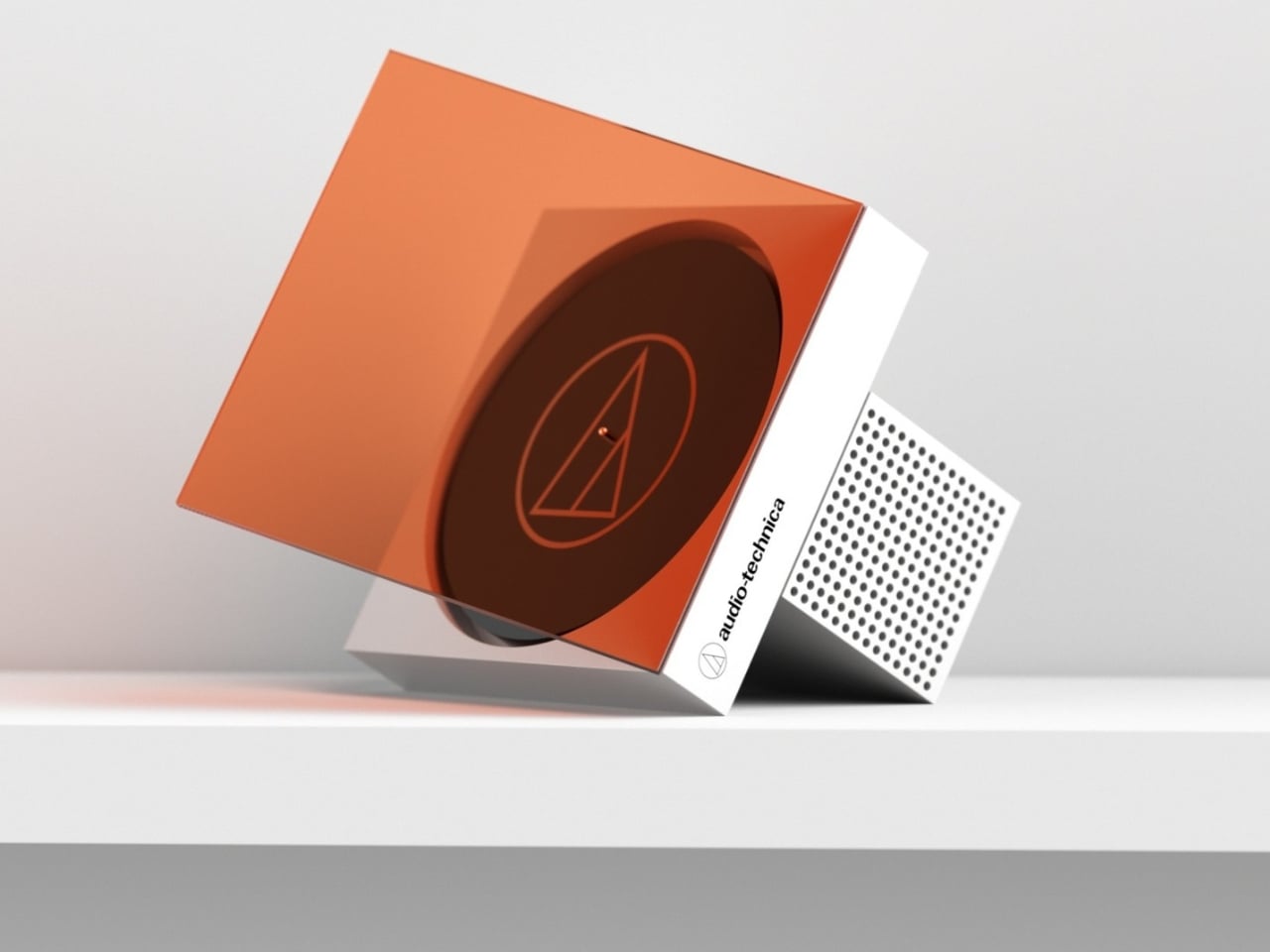
1 month agoSynth Modular Controller Treats Music Making Like Building with Blocks - Yanko Design
A modular synth system uses snap-together physical blocks for each function, making synthesis tangible, teachable, and scalable from beginner toy to serious performance instrument.
Music production
fromdesignboom | architecture & design magazine
1 month agoelectric guitar-shaped turntable spins vinyl records on frosted platter and wooden base
Clearaudio creates an electric guitar-shaped turntable honoring jazz artist Al Di Meola, featuring high-density wood fiber construction, frosted platter, and advanced vibration isolation through IMS light motor suspension with O-rings.
Gadgets
fromYanko Design - Modern Industrial Design News
2 months agoSpotify Record Player brings tactile experience of enjoying vinyls to the streaming world - Yanko Design
A Raspberry Pi-powered desk player uses RFID/NFC, a stepper motor, hall-effect sensing, and 3D-printed parts to play Spotify via miniature vinyl coasters.
fromEngadget
2 months agoKorg's new experimental synthesizer combines acoustic sounds with electronic control
The Phase8 uses a new form of "acoustic synthesis" that combines acoustic sound generation with electronic control. Takahashi says the synthesizer is "beyond analog vs. digital" and "beyond electronics" altogether. It features chromatically tuned steel resonators, which creates an acoustic sound similar to that of a kalimba. These signals can be manipulated via onboard effects and sequenced like a traditional synthesizer. Here's a video of the synth in action.
Music
Gadgets
fromYanko Design - Modern Industrial Design News
2 months agoSony releases two new Bluetooth turntables to spark Gen Z's love for vinyl - Yanko Design
Sony introduced two easy-to-use Bluetooth turntables, PS-LX3BT and PS-LX5BT, targeting new vinyl listeners with wireless aptX codecs and built-in phono equalizers.
fromEntrepreneur
1 month agoAI Is Changing Music Production - But It Can't Fill Creative Gaps
We tend to think AI music tools are just gimmicks for social media creators, or that they're limited to basic beats. But it's hard to dismiss them when companies like Google, Meta and Stability AI are pouring resources into generative audio models that can produce full compositions in seconds.
Music production
fromEsquire
2 months agoThese Portable CD Players Combine Modern Tech and Retro Tactility
Chances are this does exactly what you need. It will play your old CDs, your new CDs, your homemade mixtapes, the whole nine yards. You can even listen wirelessly thanks to onboard Bluetooth. It's got a decent battery life that can last you up to six hours, and it uses a USB-C to recharge. We usually have one of those on hand.
Gadgets
fromYanko Design - Modern Industrial Design News
2 months agoTeenage Engineering-inspired Music Sampler Uses AI In The Nerdiest Way Possible - Yanko Design
Junho Park's graduation concept borrows all the right cues from TE's playbook, that modular control layout, the single bold color, the mix of knobs and buttons that practically beg to be touched, but redirects them toward a gap in the market. Where Teenage Engineering designs for people who already understand synthesis and sampling, the T.M-4 targets people who have ideas but no vocabulary to express them.
Gadgets
fromYanko Design - Modern Industrial Design News
2 months agoA Digital Music Player with FLAC Files and a Built-In Speaker - Yanko Design
There's something oddly comforting about watching the vinyl resurgence happen in real time. We've collectively decided that convenience isn't everything, that sometimes the ritual matters as much as the result. But while turntables have been getting their moment in the spotlight, another piece of audio history has been quietly staging its own comeback: the dedicated digital audio player. Enter the DAP-1, a concept device from Frankfurt-based 3D artist
Gadgets
[ Load more ]