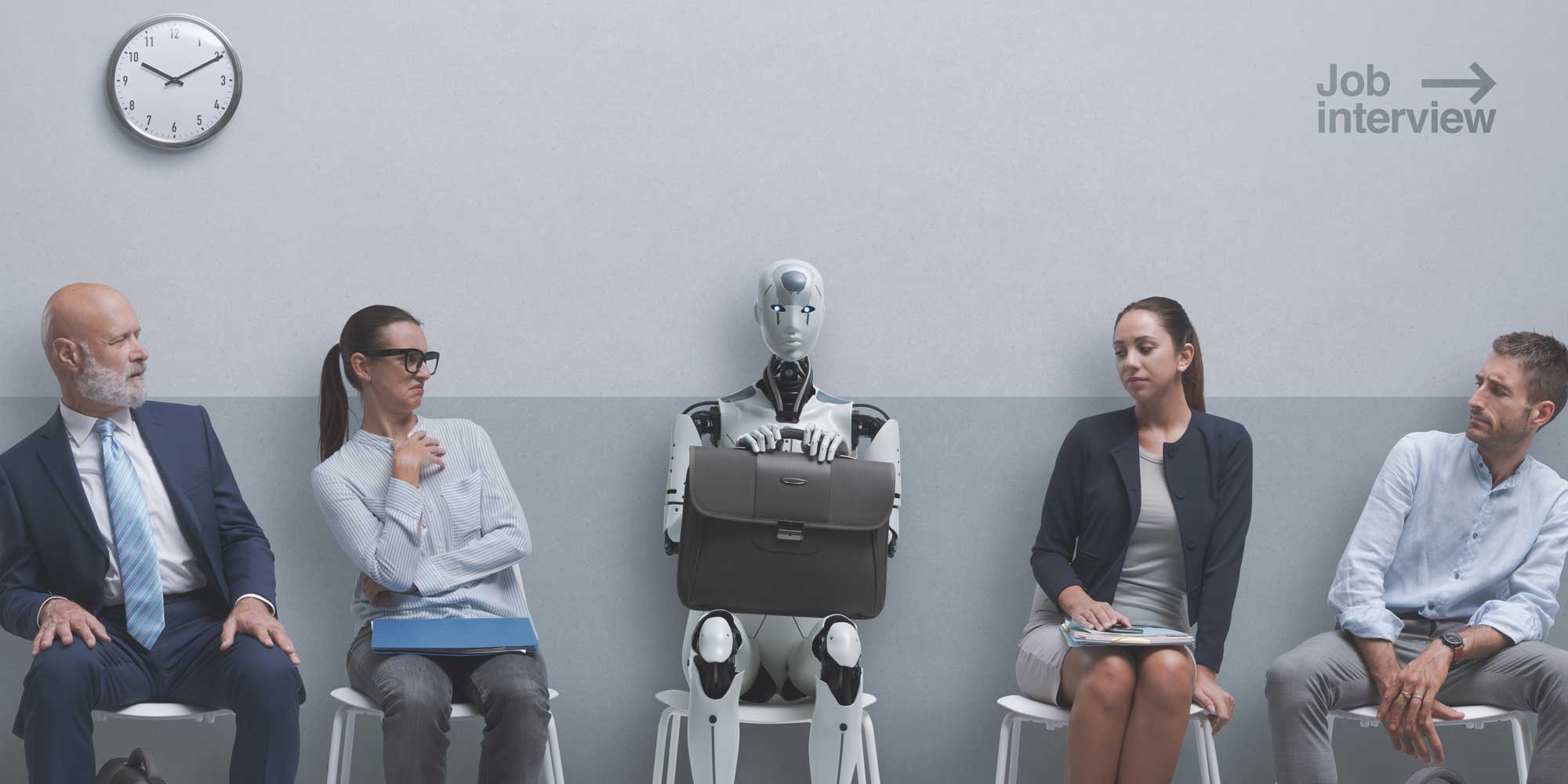
That job description you're reading might not mention AI, but an employer will likely still expect you to know how to use it. A new snapshot of job listings from career platform Ladders showed that, while the number of AI roles listed on the site has tripled since 2021, the share of postings mentioning AI has decreased. It's an indication that more employers are viewing technology as an everyday skillratherthan as a differentiator, Marc Cenedella, founder and CEO of Ladders, told Business Insider.
How many times have we heard executives tout AI as a thought partner, a collaborator, a productivity accelerator? Or as a catalyst for upskilling and repurposing people? And yet, we're already seeing evidence of this trend. In 2025 alone, UPS cut 48,000, Amazon eliminated 14,000 jobs, and Verizon announced plans to lay off 15,000 employees. The reason for all these cuts? While restructuring, the need for different skills, and business optimization are all frequently cited, increasingly AI is as well.
These seasonal jobs run the gamut. Think temporary cashiers, gift wrappers, sales associates, greeters, merchandisers, warehouse unloaders, delivery drivers. But the quintessential and most iconic seasonal worker has got to be Santa Claus. In addition to sliding down chimneys to deliver presents on Christmas, Jolly Old Saint Nicholas takes gigs at places like malls, department stores, corporate events, and private parties in the weeks leading up to Dec. 25.
I'm fascinated by Americans over 80 who are still working - either because they want to, have to, or both. Older workers long past retirement age are the fastest-growing sector of the US labor market. They're twice as likely to be in the workforce now as they were in the early 1990s. For the past year, Business Insider has explored why this cohort is growing. What's driving it? And what are the repercussions?
Sometimes a layoff isn't a farewell forever. Rehires of people who were laid off could become more popular in a shaky job market. Visier, a people analytics firm, looked at how many people were rehired at their previous employers within 15 months of being terminated. Visier found about 5.3% of laid-off employees were rehired, based on global data from 2018 to 2024 covering 142 large organizations with over 2 million employee records.
Especially alarming to many has been AI's effect on entry-level jobs. A blockbuster Stanford study in August was especially rattling, as it claimed to find a "significant and disproportionate impact" on entry-level jobs most exposed to AI automation-like software development and customer service-have seen steep relative declines in employment. This came out close to the MIT study that said 95% of generative AI pilots were failing and the somewhat sudden realization that AI could be building toward a bubble.
Confidence in finding a new job is at an all-time low among workers, while job hugging-the trend where "workers hold onto their jobs for dear life"-is at an all-time high, according to a new survey from the Federal Reserve Bank of New York released on Monday. The New York Fed's Survey of Consumer Expectations for August found respondents believed they had only a 44.9% of finding another job after losing their current one-the lowest in the survey's history since June 2013. That's 5.8% lower than in July, the previous month.
The rise of AI and clean energy technologies is set to reshape the American workforce, with major job growth projected in tech and energy-related industries, according to a new report from the Bureau of Labor Statistics (BLS). AI-fueled demand for software development, data processing, and cybersecurity is expected to boost employment in professional and technical services by 7.5% and in the information sector by 6.5% over the next decade, according to the BLS report.