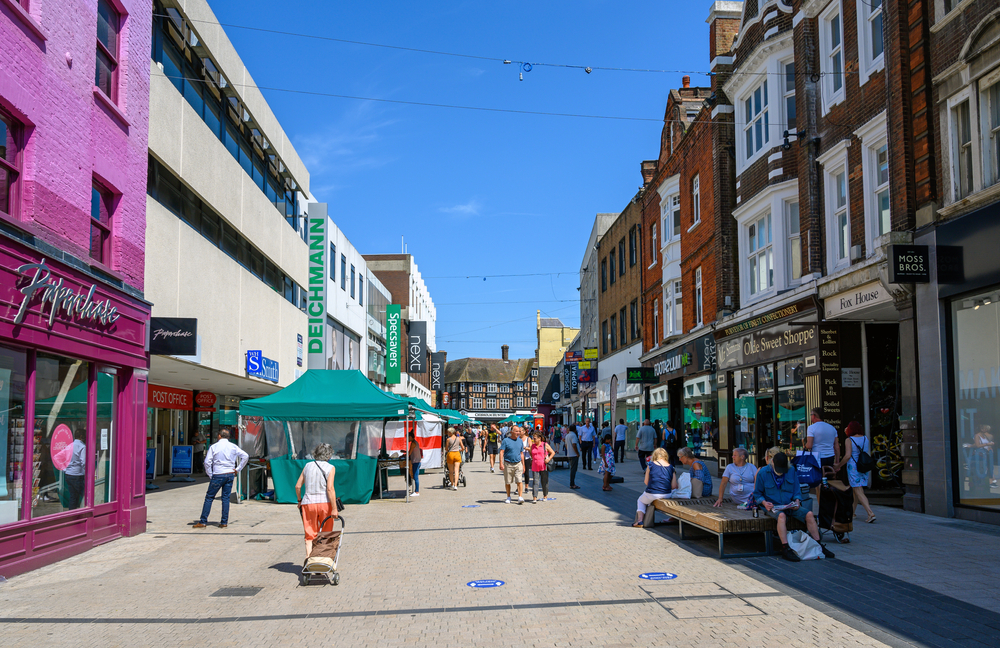
Their question has reignited a larger conversation about "ad creep," which is the steady infiltration of advertising into every corner of public life. With this phenomenon heightened by new forms of media, seldom can a resident now go a day without seeing advertisements compelling them to consume. As advertisements have grown, endless consumption that boosts pollution has come with them, according to Earth.org.
A combination of increasing populations, the widespread development of heating and cooling, a reliance on modern electronics, and the introduction of new energy-intensive technologies (such as the blockchain, smart technology, and artificial intelligence) are among the factors driving our rising energy needs. Sure, we can always build more power plants, but what about the simple solution of increasing the efficiency and production of already-existing plants, particularly the ones that only see part-time usage: wind and solar.
When a total solar eclipse plunged North America into darkness on the afternoon of April 8, 2024, the songbirds in Bloomington, Ind., suddenly fell silent. In the middle of the forest, the only sounds biologist Kimberly Rosvall could hear were the croaks of nocturnal frogs and the distant howl of a coyote. But when sunlight returned after four minutes of night, the songs did, too, as hundreds of birds greeted the morning in unison with a cheerful dawn chorus.
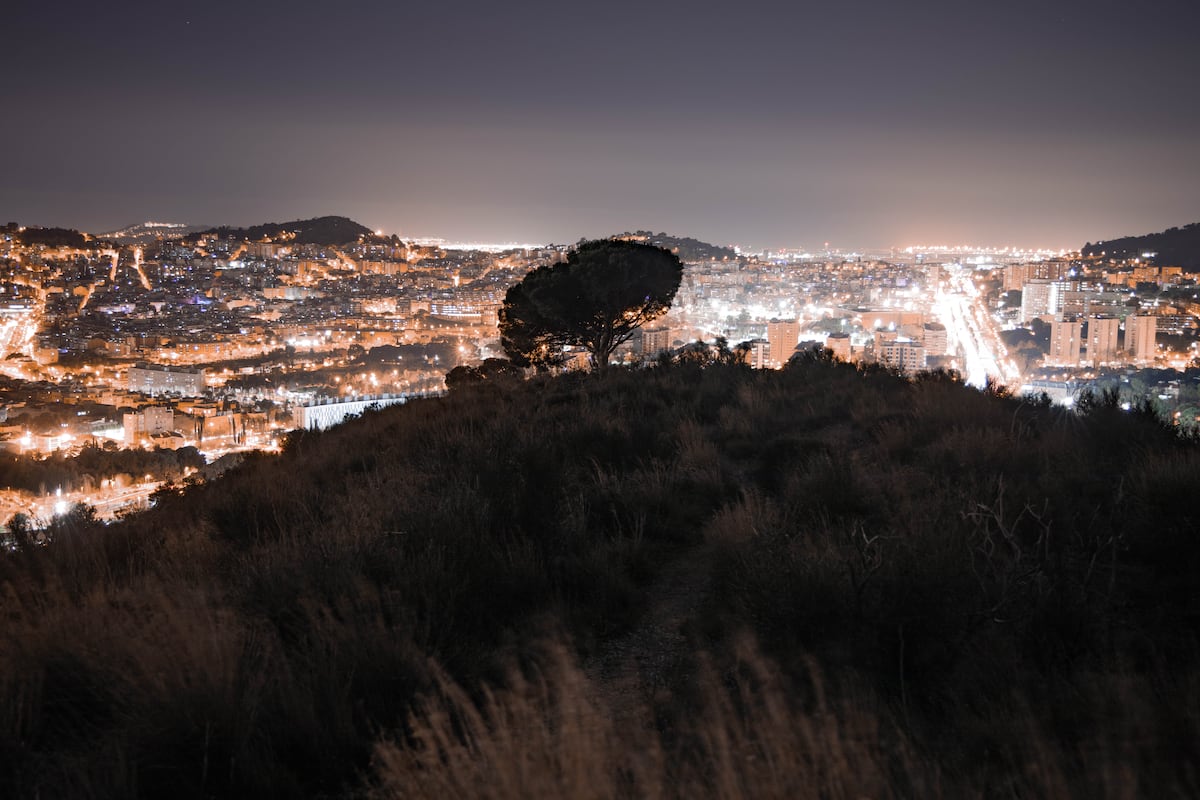
For those not in the know, astrotourism is one of the hottest trends in travel. It brings people to destinations where they can witness everything from the aurora borealis to solar eclipses, and to places with low light pollution where the stars shine the way they were meant to be seen. And according to Kühl, the outdoor apparel company, it might be more necessary than you think.
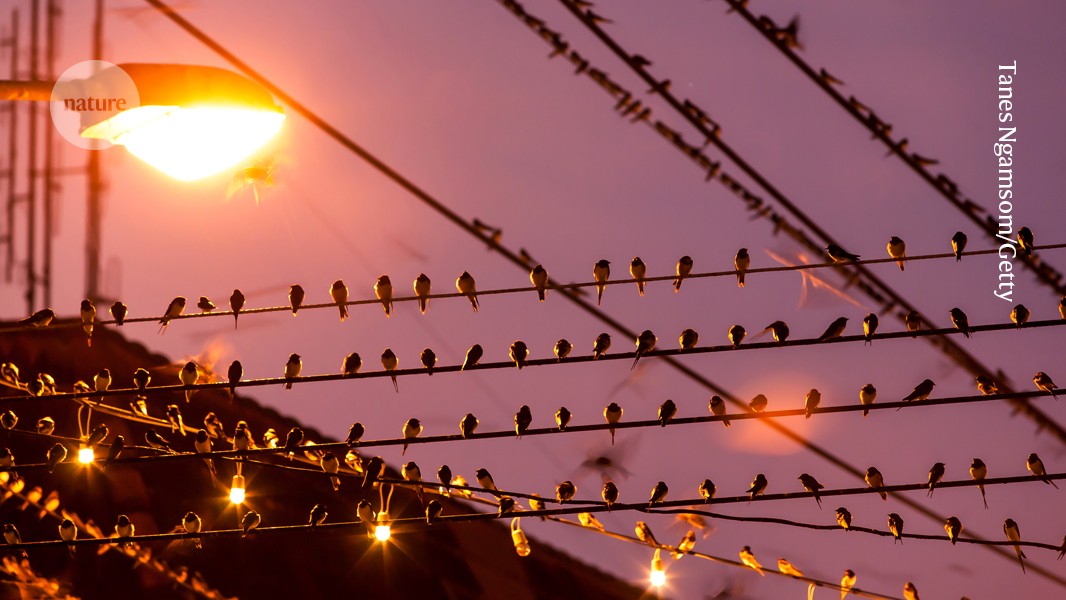
The early bird gets the worm, as the old saying goes. And now a lot of birds around the globe are starting their days earlier than ever, because of unnaturally bright skies caused by light pollution. "For these birds, effectively their day is almost an hour longer. They start vocalizing about 20 minutes earlier in the morning and they stop vocalizing about 30 minutes later in the evening," says Neil Gilbert, a wildlife ecologist with Oklahoma State University.
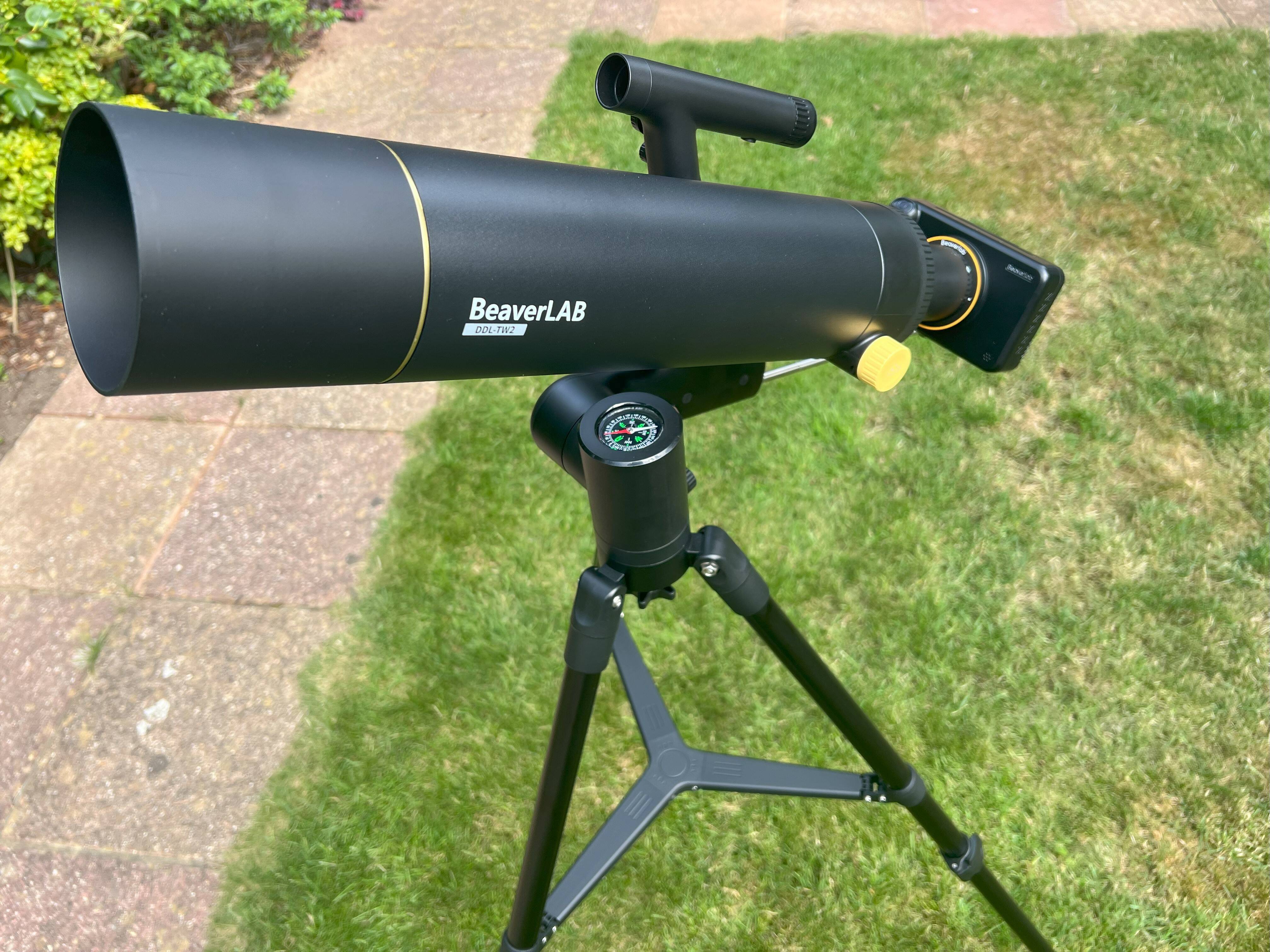
"It just feels amazing looking up seeing all these different constellations," said Maya Howitt. The girl is here with her parents, Emma and Cameron Howitt, and the three of them are taking turns looking through a telescope that's pointed at a pair of stars in the 'handle' of the Big Dipper.