#maduro-arrest
#maduro-arrest
[ follow ]
#venezuela #us-intervention #us-foreign-policy #us-military-operation #international-law #delcy-rodriguez
World news
fromwww.aljazeera.com
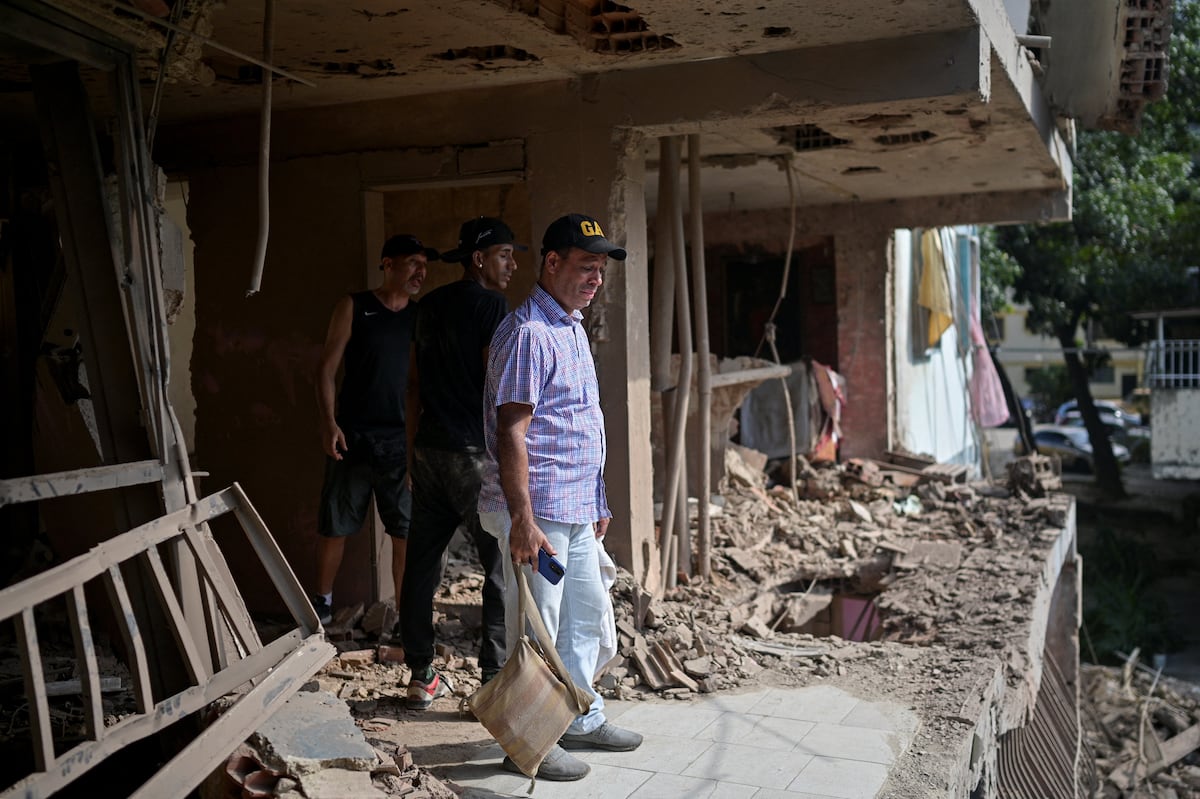
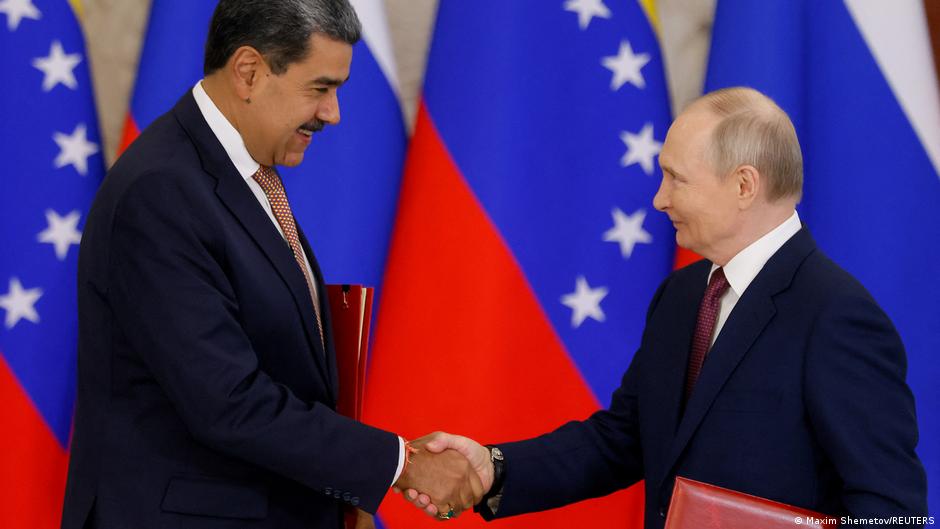
4 months agoRemote coercion': What has US approach been since abduction of Maduro?
The US abducted Nicolas Maduro, leaving an evolving US strategy focused on oil, sanctions, continued military presence, and potential further operations amid Venezuelan leadership faultlines.
fromThe Atlantic
4 months ago'Have Fun in Jail'
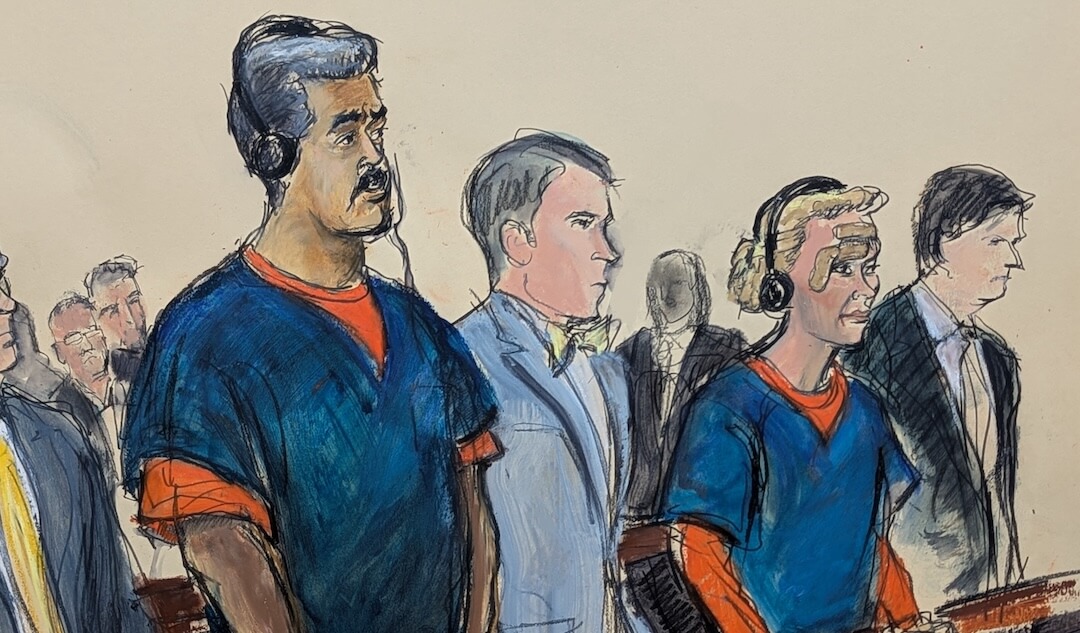
Nicolás Maduro wasn't due to arrive at his arraignment yesterday in downtown Manhattan until noon, but a large crowd had already formed outside the federal courthouse by 9 a.m. Actually, two crowds. One had come to tell Donald Trump to keep his hands off Venezuela. The other, which seemed largely Venezuelan, had come to celebrate. Maduro was, until Saturday, a widely hated ruler. His last election campaign consisted of threatening his people with a "bloodbath" if he lost.
World news

fromBusiness Insider
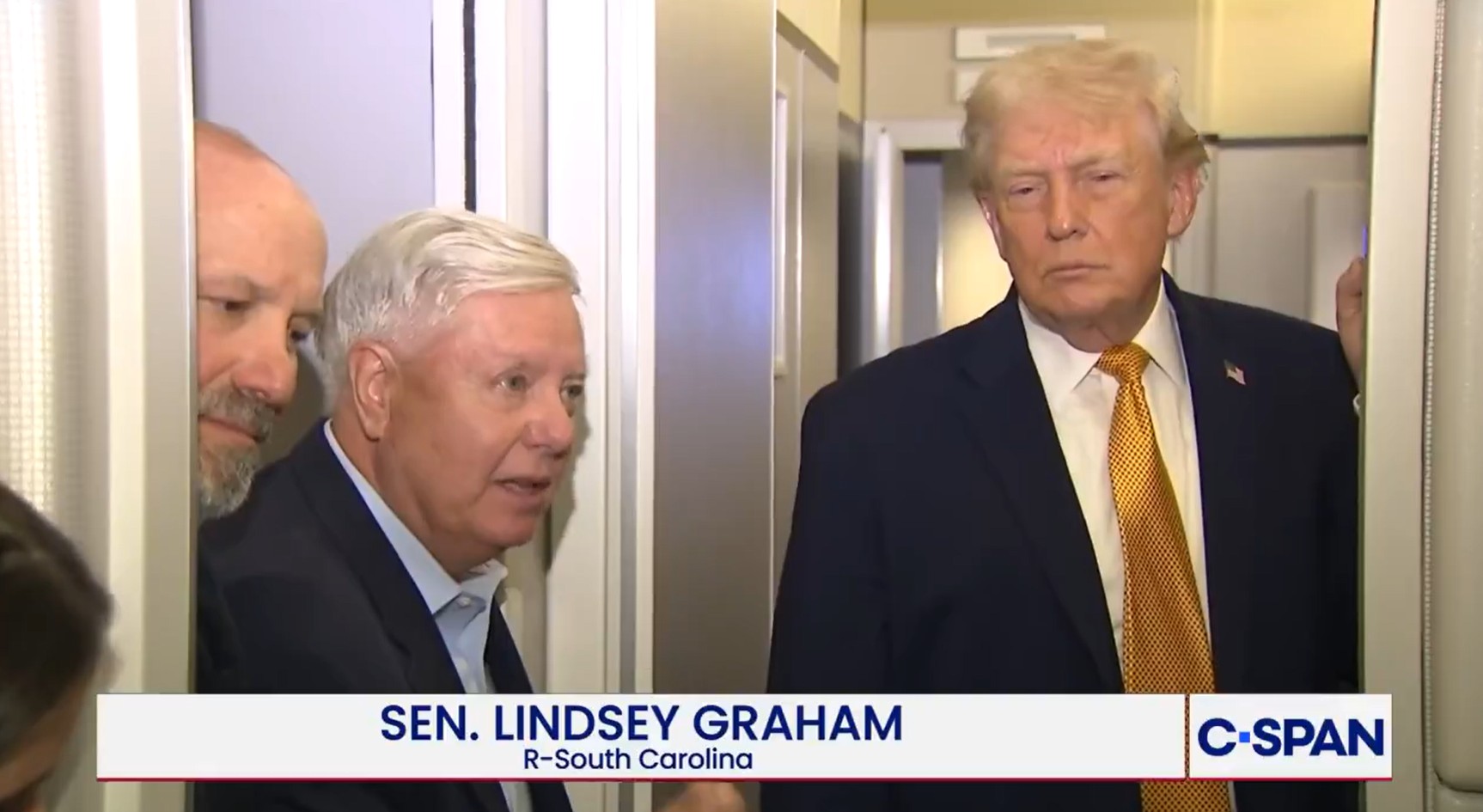
4 months agoMeet Barry Pollack, Nicolas Maduro's lawyer who also represented Julian Assange
The Venezuelan political leader hired Barry Pollack, a criminal defense attorney who's represented WikiLeaks publisher Julian Assange, as well as other high-profile defendants. The Justice Department has accused Maduro, who was serving as Venezuela's president when he was captured by US forces, of participating in a narco-terrorism conspiracy, alleging he worked with illegal drug gangs. They also accused him and his wife, Cilia Flores, of conspiring to illegally import cocaine into the United States and of gun-related charges.
World news
World news
fromwww.mediaite.com
4 months agoTrump Declares Cuba Is Ready to Fall' After Capture of Venezuela's Maduro: It's Going Down for the Count'
Cuba's communist government may collapse after Venezuela's president was captured; 32 Cuban personnel were killed and Cuba can no longer rely on Caracas.

fromenglish.elpais.com
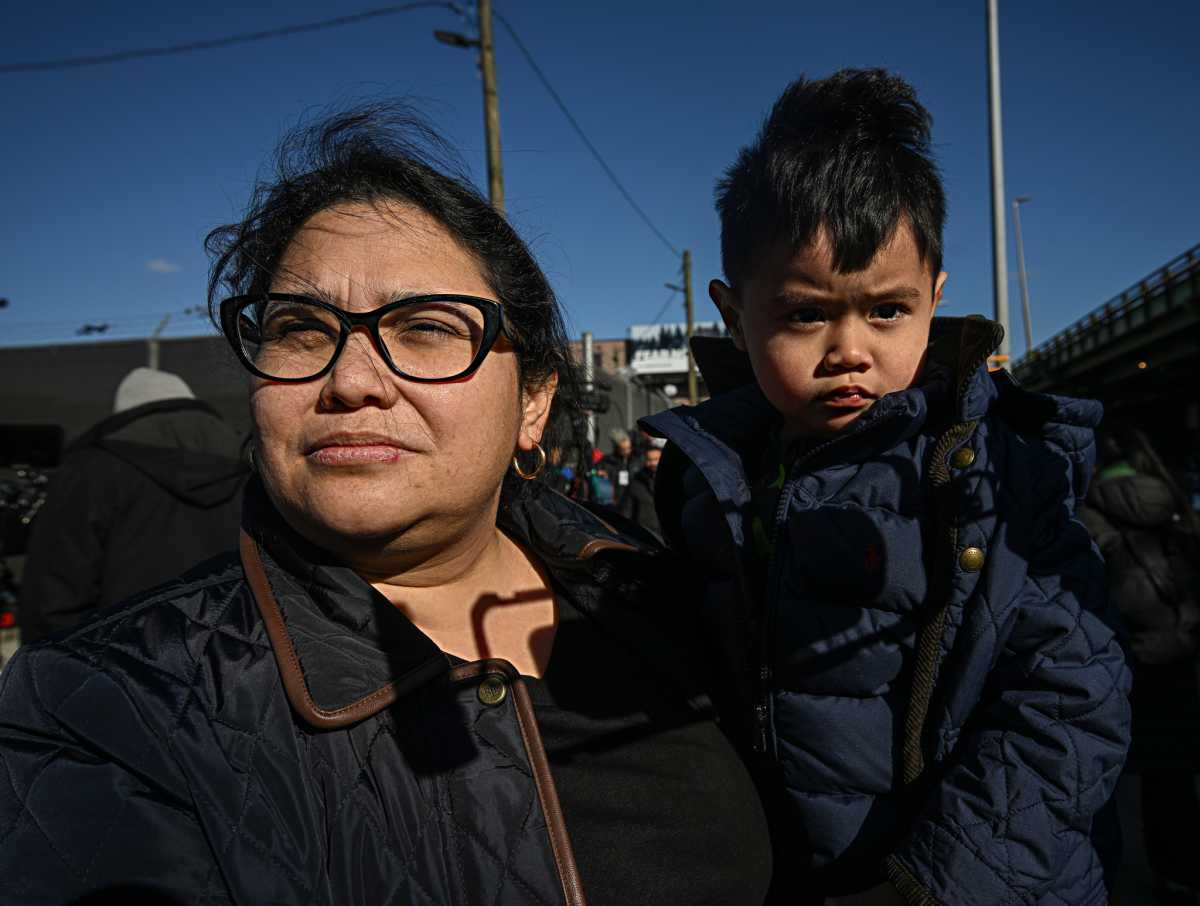
4 months agoWith Maduro in US custody, who governs in Venezuela?
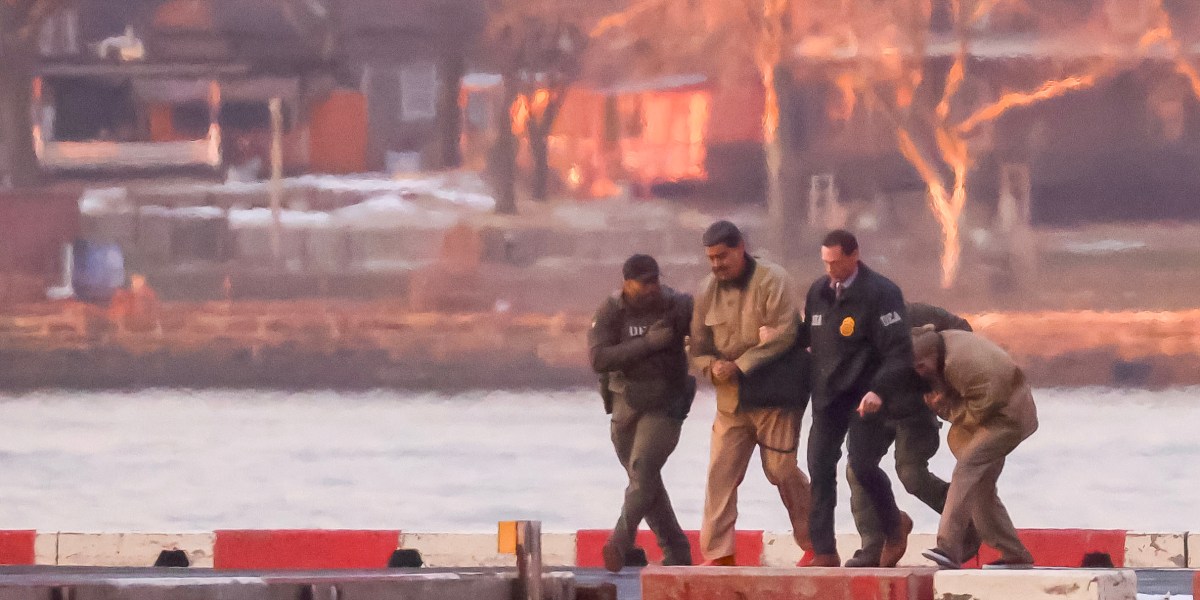
With disbelief, shock, and confusion, after more than 20 weeks of political tension, Venezuela awoke to the news of the arrest of President Nicolas Maduro and his wife, Cilia Flores, following a combined military operation by U.S. forces in Caracas. The question now is what will happen to Chavismo and who will assume power. With Maduro and Flores detained, the 1999 Constitution stipulates that the vice president, in this case Delcy Rodriguez, a close confidante of the president, assumes the reins of the executive branch.
World politics
fromFortune
4 months agoDown Arrow Button Icon
"We're going to have this done right," he vowed. "We're not going to just do this with Maduro then leave like everybody else-leave and say, you know, let it go to hell. If we just left, it has zero chance of ever coming back. We'll run it properly. We'll run it professionally."
US politics
[ Load more ]