#marmalade
#marmalade
[ follow ]
#brexit #eu-regulations #food-labeling #seville-oranges #history #cuisine #cultural-exchange #journalism
fromwww.theguardian.com
3 months agoHe never warms the jars, so why doesn't my son's marmalade go mouldy?
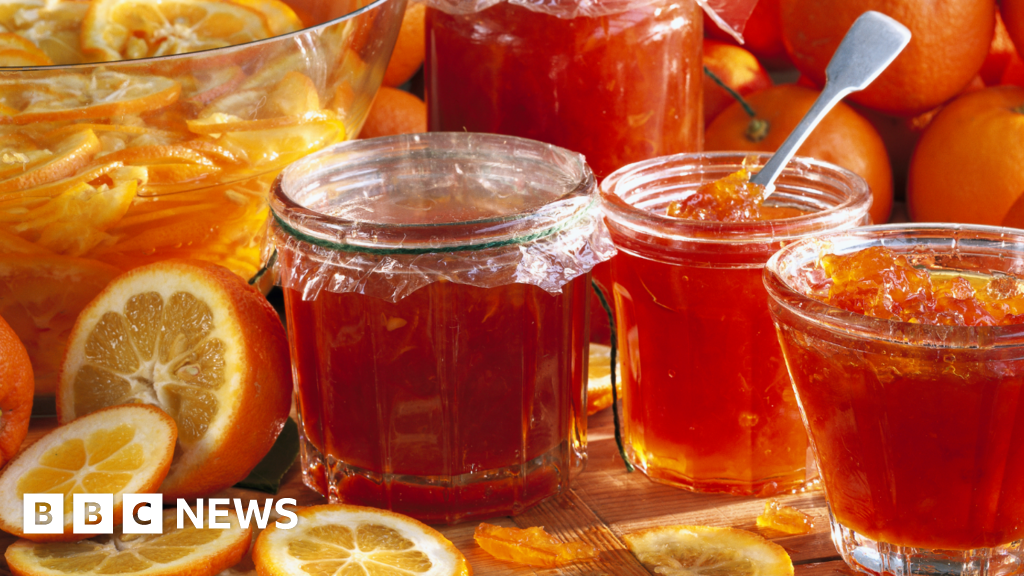
You can't get much sweeter than marmalade, and this is most likely the reason for both Dagna and her son's success, despite their differing strategies. The chance of mould developing is low because there's so much sugar to balance the bitterness of the orange peel, says Camilla Wynne, preserver and author of All That Crumbs Allow. Mould needs water to do its thing, and sugar binds to water.
Food & drink
fromwww.theguardian.com
3 months agoA classic citric-forward twang and complex flavour': the best UK supermarket marmalade, tasted and rated
The amazing and rather magical thing about marmalade, Pam says, is that if 100 people made a panful, each one would vary: different sugars, different peel sizes, different boil times and even different water influence the final outcome. Store-bought products are no different, though most commercially produced marmalades are made with extra pectin, acidity regulators and orange oil, which, while relatively harmless, all affect the taste and texture, and aren't entirely necessary, either.
Food & drink
fromIndependent
6 months agoSupermarket marmalade taste test: from a 'sophisticated and delicious' hit to an 'overly sweet' miss
There's something delightfully old-school about marmalade, which elevates the simplest breakfast of buttered toast, turning it into something worth lingering over.
Food & drink
[ Load more ]