Independent films
fromWIRED
1 week agoMAGA Is Confused About 'Animal Farm'
Animal Farm illustrates how the desire for power undermines morality, a message misunderstood by some contemporary political influencers.
Marxists often view figures such as Rawls as apologists for the status quo, while many liberals associate Marx with political positions that have too often practiced oppression while preaching emancipation. Nevertheless, the canonical representatives of these two traditions have more in common than commentators generally realize. Perhaps most significantly, we suggest that Rawls himself, who worked hard to place his own thinking in the history of political philosophy, also misunderstood his relationship to Marx's views, and came to overestimate the scope of their disagreements.
There is a deep and abiding ethical impulse under the political commitments that Marxism is associated with: socialism, communism and the fight against capitalism . When you ask people who are swimming in one of those seas what they're up to and why, they give what sounds to me-as an analytically trained moral philosopher-like moral explanations: they think there's something wrong with capitalism, something inappropriate about the way the system treats people. Yet, Marxists have often shied away from explicitly ethical thinking about capitalism.
We are witnessing the restoration of patriarchy, nationalism, racism and capitalist individualism. It is the nostalgic fury of right-wing movements that want to return to an idealised past, one that perhaps never truly existed, and to re-establish hierarchical orders. We need to revive a Marxist analysis in light of the new social movements. We must commit to saying what we want to see realised, and not just complain about what is going wrong.
Maher criticized Zohran Mamdani’s radical positions, warning that his views, such as the abolition of private property, signify a shift towards communism in New York City's leadership.
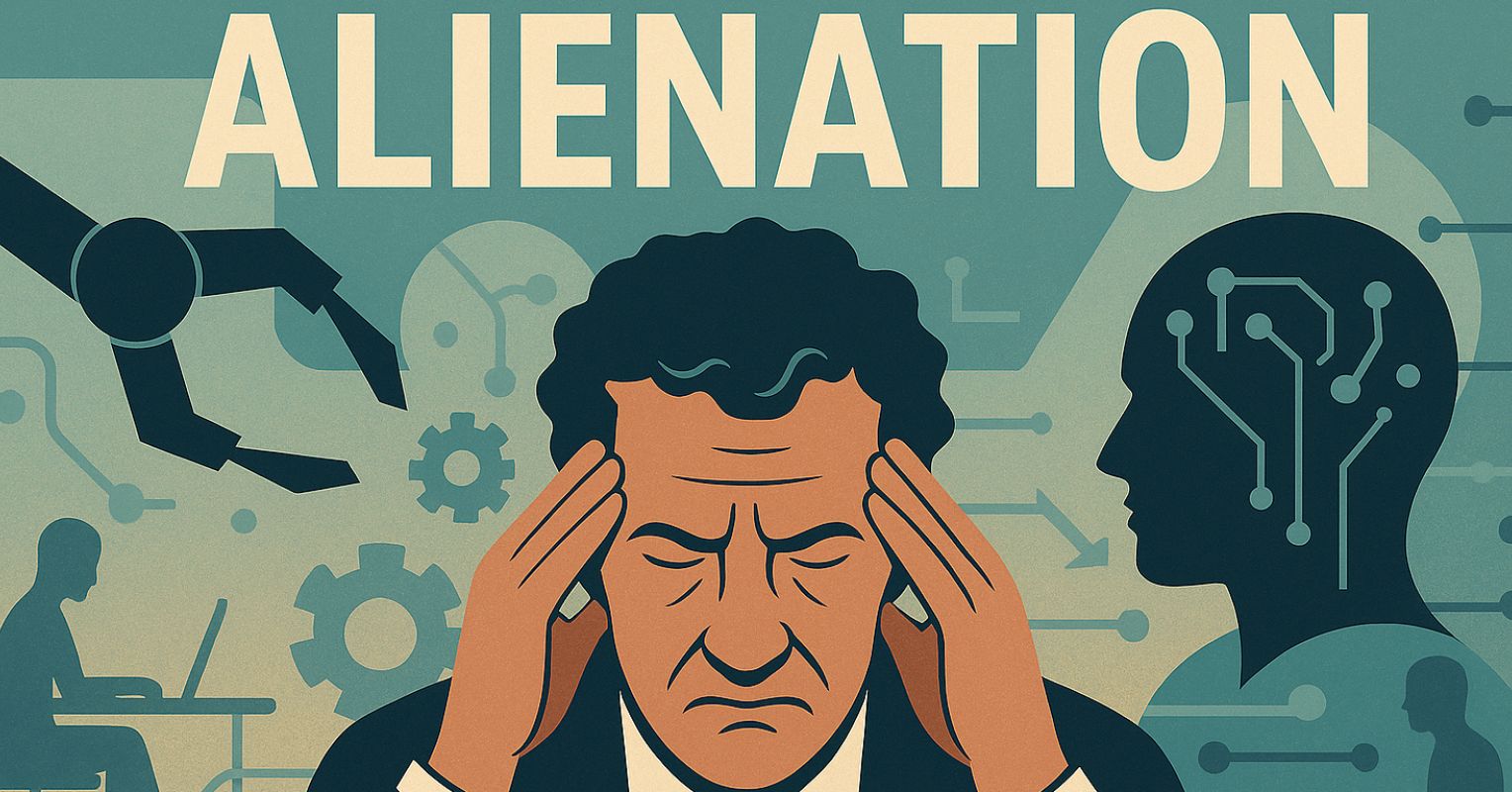
Marx believed that capitalism, especially in its technofeudal phase, alienates individuals from their labor and products, creating isolated selves amid abundant technology.