#mesopotamian-medicine
#mesopotamian-medicine
[ follow ]
#ancient-mesopotamia

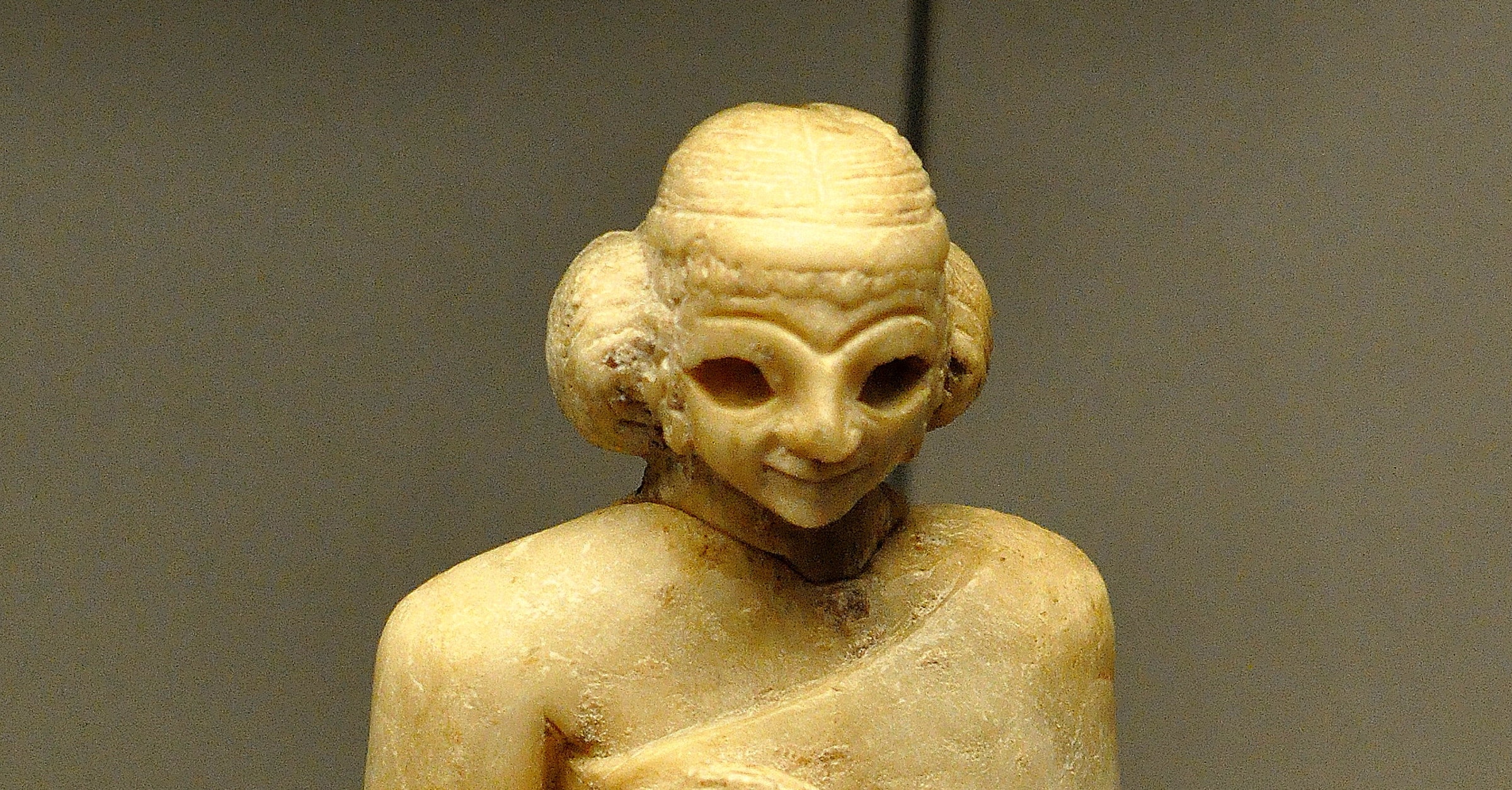
fromWorld History Encyclopedia
1 month agoHistory
Babylon: The Gate of the Gods
Babylon, ancient Mesopotamia's most famous city, rose from a minor port to the world's largest city under Hammurabi, later gaining infamy through biblical references that paradoxically ensured its modern fame and archaeological rediscovery.


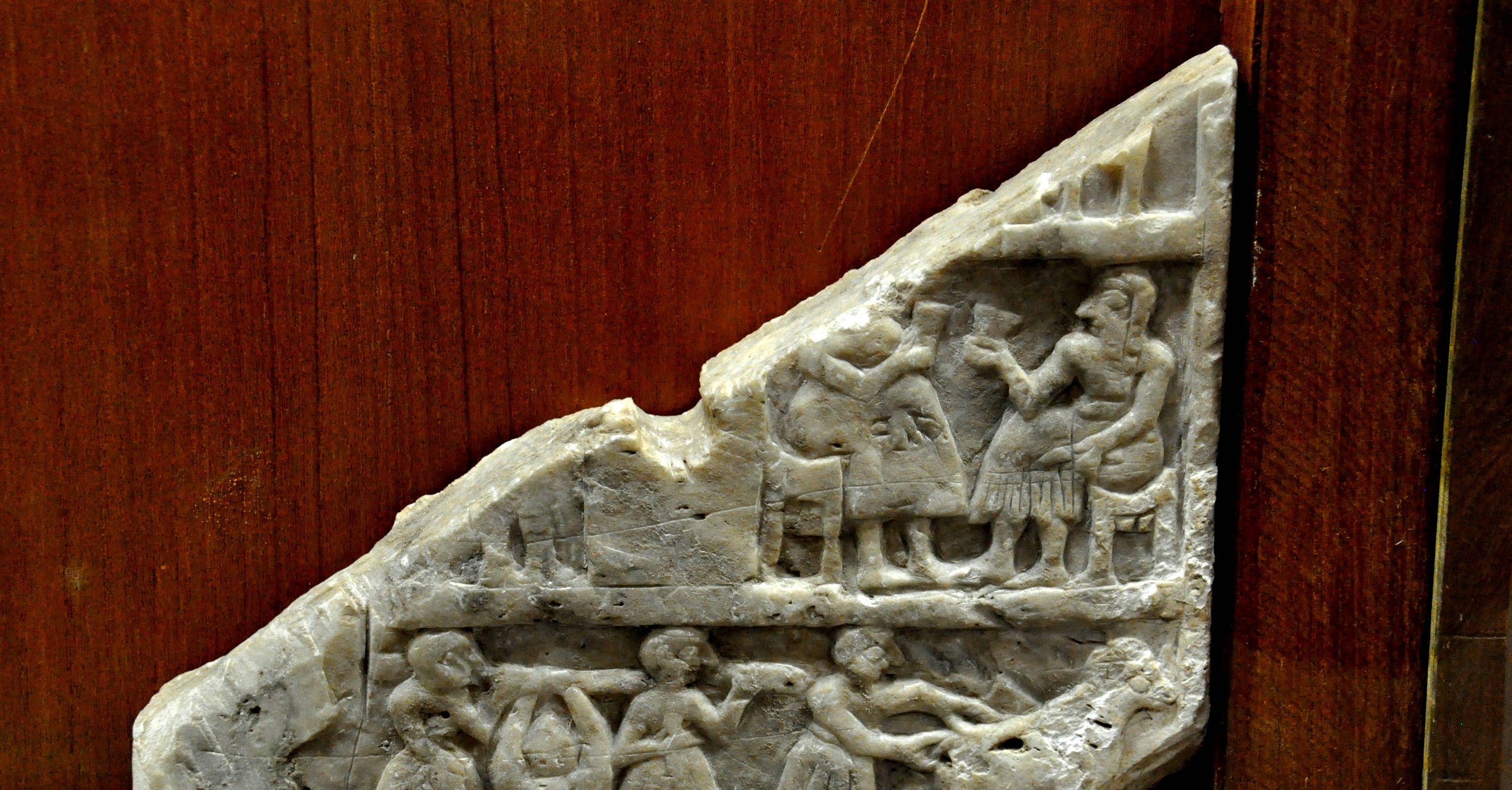


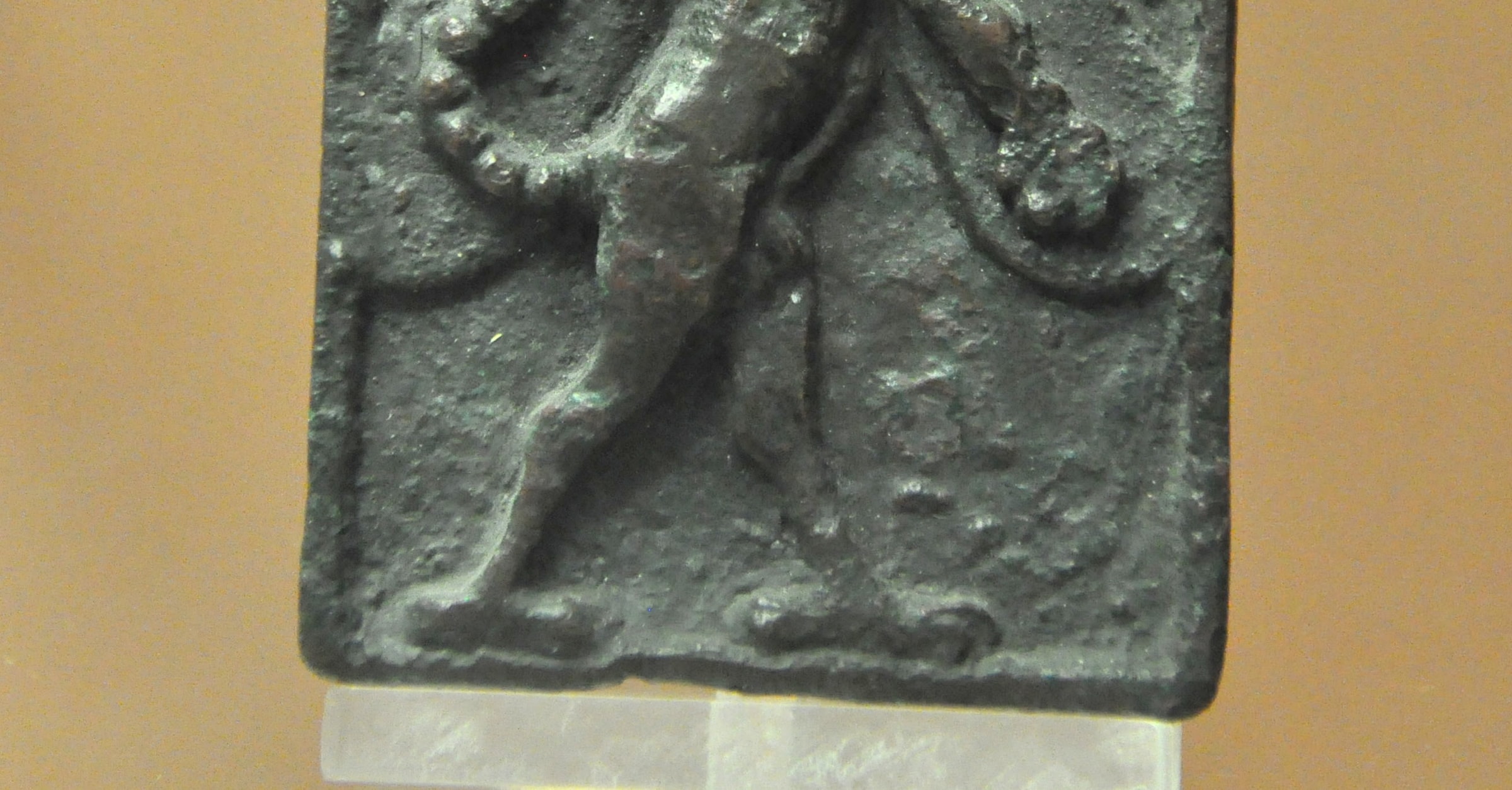

fromWorld History Encyclopedia
3 weeks agoMesopotamian Literature: The Earliest Works of the Imagination
Writing was created in response to the need to communicate over long distances in trade and, initially, was focused on the purely practical aspects of record-keeping. Scribes in ancient Mesopotamia recorded what commercial goods had been shipped to which destination, their quantity, purpose, and cost.
History
fromWorld History Encyclopedia
4 weeks agoCuneiform: From trade lists to epic tales of gods
Cuneiform is a system of writing first developed by the ancient Sumerians of Mesopotamia circa 3600/3500 BCE. It is considered the most significant among the many cultural contributions of the Sumerians and the greatest among those of the Sumerian city of Uruk, which further developed and advanced cuneiform circa 3200 BCE and allowed for the creation of literature.
History
fromNature
2 months agoDaily briefing: Symbols on ancient pottery could be earliest evidence of mathematics
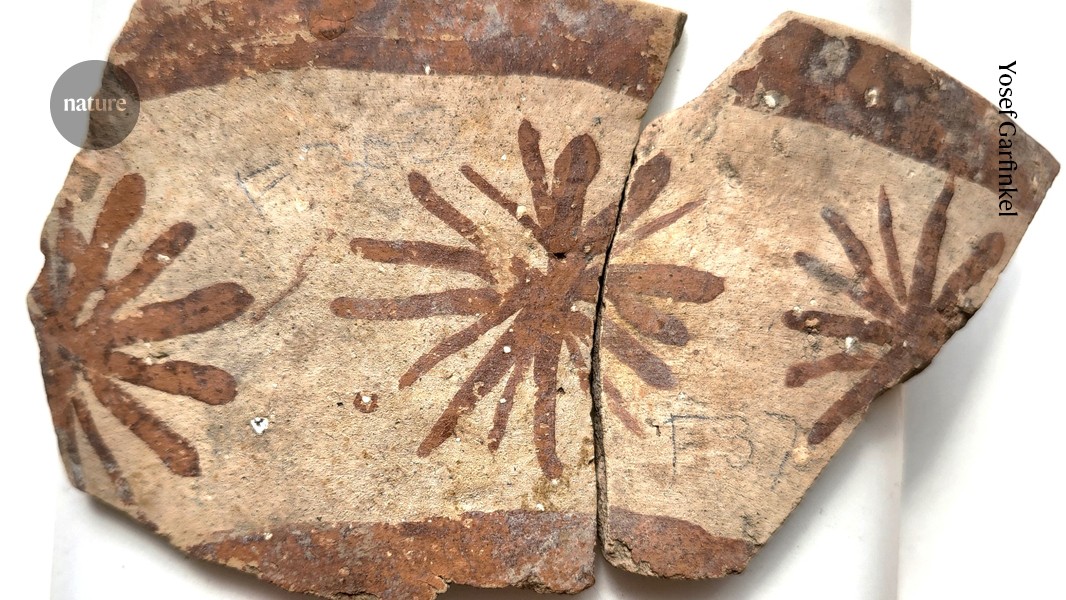
Pottery made by people of the Halafian culture, who inhabited northern Mesopotamia between around 6200 and 5500 BC, is painted with flowers that have 4, 8, 16 or 32 petals, and some show arrangements of 64 flowers. These patterns show a clear understanding of symmetry and spatial division long before written numbers came into use around 3400 BC, argue scientists in a new study. The skill might have helped the Halafian people with tasks such as sharing harvests or dividing communal fields, the authors say.
Science
Public health
fromMedium
2 months agoThe preventive healthcare product cycle: how ancient practices become "innovations" every 20 years
Ancient preventive practices resurface as billion-dollar health trends when crisis, enabling technology, legitimation, and storytelling translate them into measurable, automated, culturally acceptable products.
History
fromWorld History Encyclopedia
1 month ago12 Great Cities of Ancient Mesopotamia: The Rise and Fall of the Earliest Cities in the World
Twelve major Mesopotamian cities including Nineveh, Uruk, Babylon, and Ur became legendary through Greek writings and yielded significant archaeological discoveries, each connected to a patron deity whose prestige determined the city's fate.
fromMail Online
1 month agoAncient time capsule found in Iraq corroborates the Bible
King Nebuchadnezzar II himself 'speaks' in the text, proudly describing how he restored an old, crumbling stepped temple tower in the city of Kish that was dedicated to the Mesopotamian god and goddess of war, Zababa and Ishtar. He explained that earlier kings had built and fixed the ziggurat before, but it had fallen into disrepair again from age and rain.
History
fromWorld History Encyclopedia
1 month agoMesopotamian Science and Technology: Scientific Method in the Ancient Near East
The foundation of future Mesopotamian advances in scientific/technological progress was laid by the Sumerians, who first explored the practice of the scientific hypothesis, engaged in technological innovation, created the written word, developed mathematics, astronomy, and astrology, and even fashioned the concept of time itself. Some of the most important inventions of the Sumerians were: the wheel the sail the corbeled arch/true arch irrigation and farming implements maps mathematics time and clocks astronomy and astrology medicinal drugs and surgery
History
fromMedievalists.net
1 month agoMedieval Remedies for Desire and Potency - Medievalists.net
Medieval medical writers didn't shy away from sexual topics-they offered practical advice, foods to try, and prescriptions meant to boost desire and potency. In one of the Middle Ages' most widely used medical textbooks, the physician Ahmed Ibn al-Jazzar lays out why men might struggle with sexual performance and what could be done about it, from everyday ingredients like chickpeas and turnips to carefully measured electuaries and beverages.
History
fromWorld History Encyclopedia
2 months agoFestivals in Ancient Mesopotamia: Courting the Goodwill of the Gods
as the gods were understood as the true monarchs and the king as simply their steward. In order to maintain his authority, the king needed to court the goodwill of the gods, and although they made their approval clear through military victories, bountiful harvests, and prosperous trade, events such as the Akitu festival provided an annual opportunity for the divine to continue its relationship with the ruling house or withdraw its favor.
History


fromWorld History Encyclopedia
2 months agoCities, writing, and governments: Early Dynastic Mesopotamia's revolutionary advances
It should be noted, however, that the advances of Mesopotamia's Early Dynastic period differed from Egypt's in significant ways, notably in that Mesopotamia - even under the rule of Sargon or later empires - was never the cohesive ethnic or political entity Egypt was, and the kinds of cultural development cited for this era were not as uniform as they were in Egypt.
History
History
fromWorld History Encyclopedia
2 months agoMesopotamian Art and Architecture: The Birth of Art and Architecture in the Ancient World
Mesopotamian art and architecture began over 7,000 years ago, evolving from northern sites into Sumerian innovations and sustained through multiple ancient Mesopotamian periods.
[ Load more ]