#norman-origins-normandy
#norman-origins-normandy
[ follow ]
#bayeux-tapestry #norman-conquest #tourism #cultural-heritage #france #henry-v #military-history #middle-ages
France news
fromThe Good Life France
4 weeks agoBon weekend from France - a strange encounter - The Good Life France
The Good Life France Magazine Spring 2026 offers comprehensive travel guides covering diverse French regions from the Mediterranean coast to Normandy, featuring destinations, culture, recipes, and predicted travel trends.


fromFrenchly
1 month agoThe Best Things to Do in SaintMalo - Frenchly
No introduction to Saint-Malo is complete without a stroll along the ramparts. These granite walls, rebuilt and reinforced over centuries, encircle the intra muros, the historic heart of the city by the port. The nearly two-kilometer circuit offers sweeping views of the Atlantic, the Fort National, and the distant Grand Bé. Walking the ramparts is like pacing the city's memory: narrow streets below hide cafés, boutique shops, and layers of architectural history.
Miscellaneous
fromwww.independent.co.uk
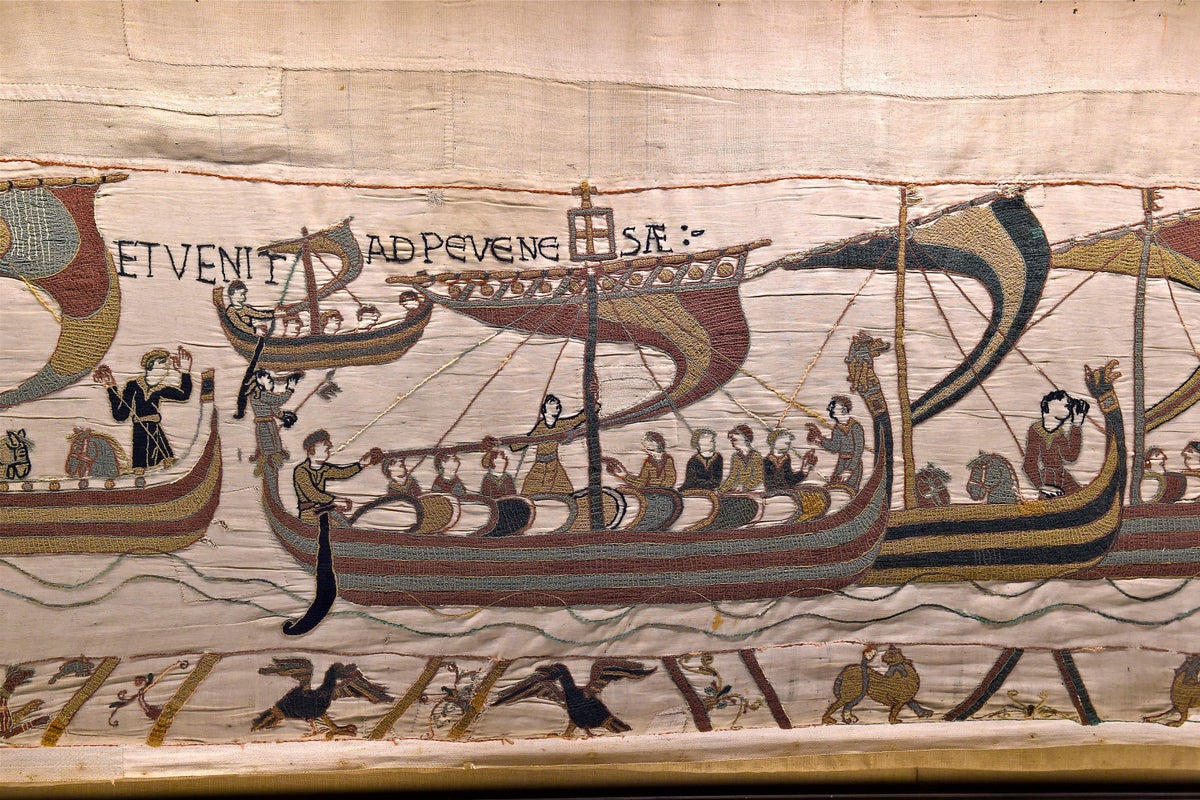
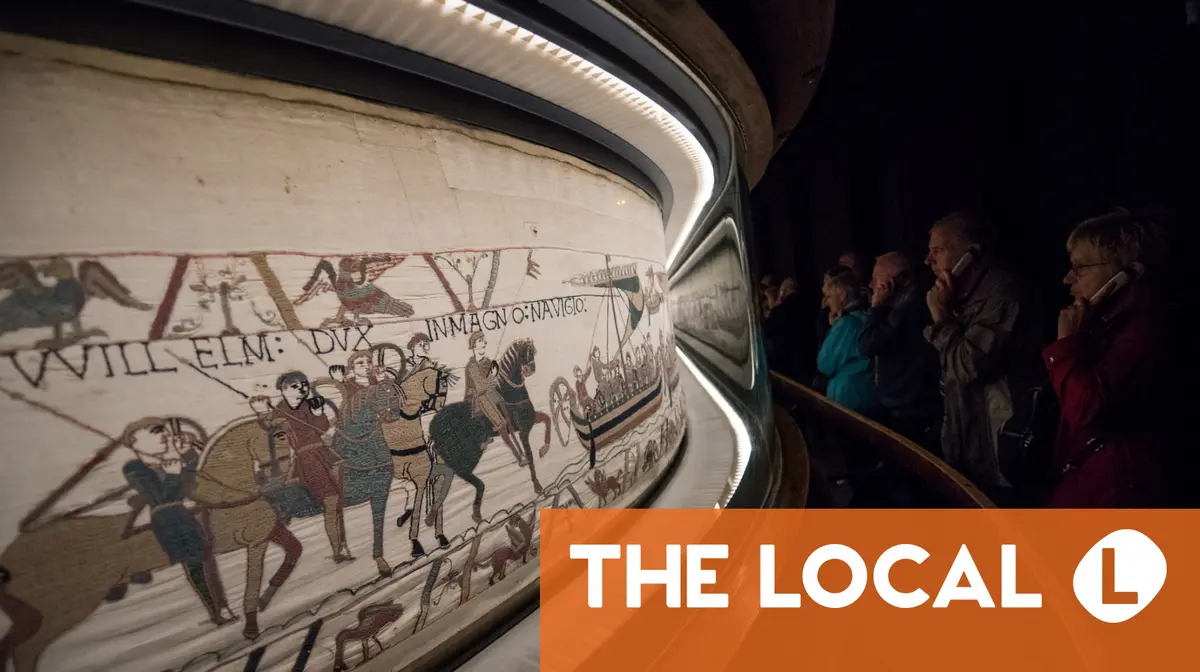
2 months agoSomething will go wrong': Why readers say the Bayeux Tapestry should stay in France
From reproductive rights to climate change to Big Tech, The Independent is on the ground when the story is developing. Whether it's investigating the financials of Elon Musk's pro-Trump PAC or producing our latest documentary, 'The A Word', which shines a light on the American women fighting for reproductive rights, we know how important it is to parse out the facts from the messaging.
US politics
France news
fromThe Good Life France
1 month ago7 historic and officially prettiest villages in France - The Good Life France
Les Plus Beaux Villages de France, an association of 180 officially designated villages across 70 departments, preserves historic rural communities through strict selection criteria while attracting new residents and visitors through craft studios, hospitality businesses, and authentic experiences.
History
fromMedievalists.net
1 month agoLegacy of the Geats: How the Memory of Beowulf's Tribe Survives in Modern Sweden - Medievalists.net
The Geats' identity as a distinct people likely survived Swedish expansion and remains conceptually present in modern Sweden, despite Beowulf's poem suggesting their ultimate defeat and absorption.
fromwww.npr.org
2 months agoAmericans may love football, but did you know its origins are in medieval England?
But does it surprise you that the origins of both the word and the framework for the modern game stem from medieval England? Today, the word 'football' is used to refer to different games: American football, the game played at the Super Bowl, where a foot is rarely used to direct the ball. And elsewhere in the world, football refers to what Americans call "soccer."
Soccer (FIFA)


History
fromMedievalists.net
1 month agoNew Medieval Books: Castles and Strongholds of Northumberland - Medievalists.net
Northumberland contains more castles, towers, peles, bastles and barmkins than any other British county, serving as private residences and fortifications for nobility and landowners.
fromMedievalists.net
2 months agoOnline Course: The Normans in Europe - Medievalists.net
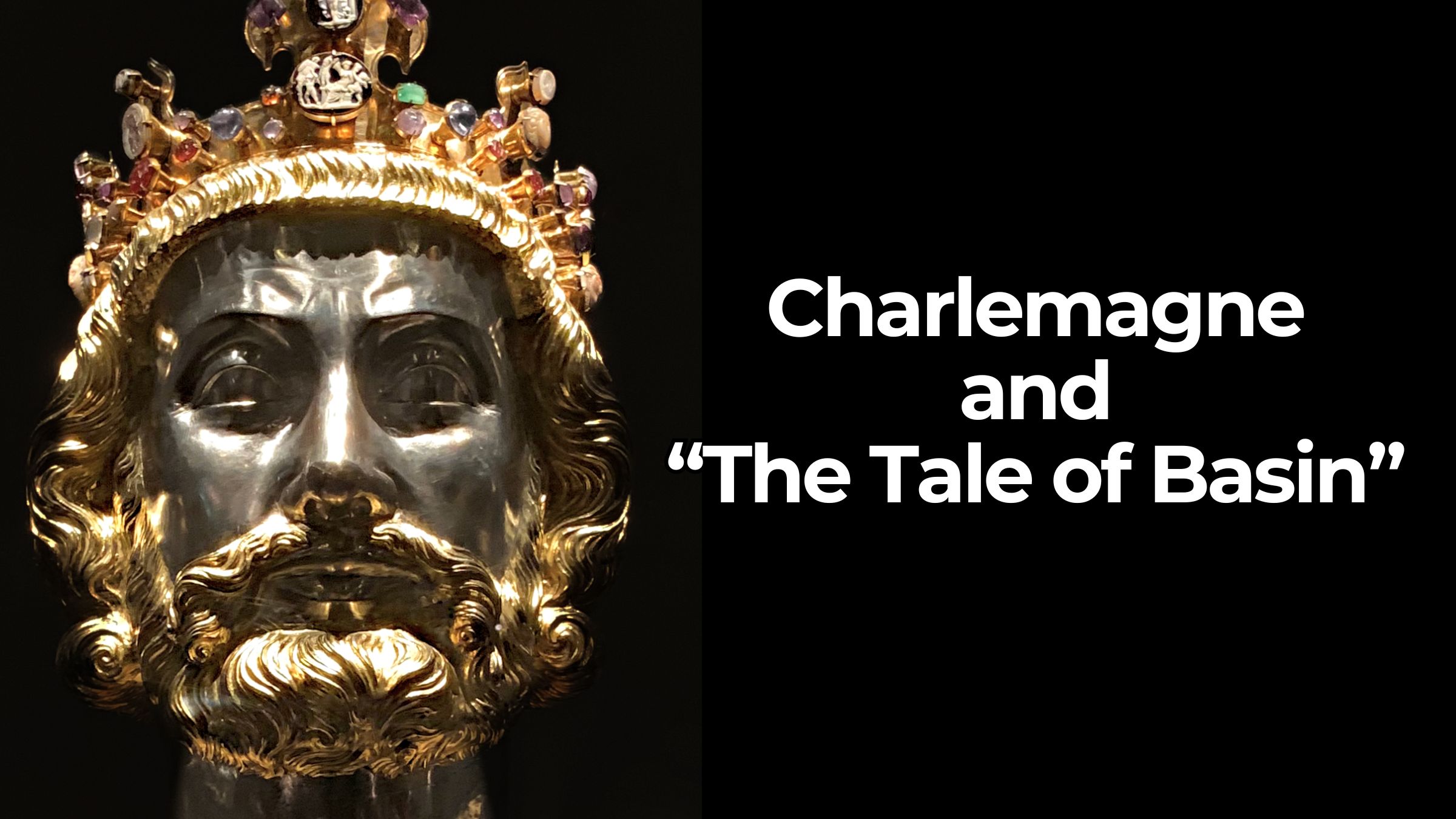
We get started by exploring the origins of the Normans in the county and then duchy of Normandy. We will understand their Norse background and their relationship with the Carolingians. The timeline approach will help us discover all the counts and dukes of Normandy, and what they contributed to their realm. This will set the foundation for the interconnected stories that will lead us to England and the Mediterranean.
History
History
fromMedievalists.net
1 month agoThe Survival of Roman Education in Early Medieval Britain - Medievalists.net
Roman cultural practices persisted in Britain for generations after AD 410, with aristocrats maintaining traditional education and Christian learning similar to their Gallic counterparts.
fromMedievalists.net
1 month agoNew Medieval Books: The Conqueror's Gift - Medievalists.net
Imperial Roman ethnography was a gift the Romans made for themselves, because it embraced concepts with which they could address the great cultural diversity of their world. It was a gift that came from the conquerors, reflecting their supposition of preeminence. At the same time, Roman ethnography was a somewhat less welcome present for the many peoples who found themselves trapped in Rome's vision, needing to find a place within it that made sense to Roman demands.
History
fromWorld History Encyclopedia
1 month agoCnut: The North Sea King
"Cnut: The North Sea King" by Ryan Lavelle is a short and engaging biography of the most ambitious and successful Scandinavian leader of the Viking Age. Lavelle captures both the brutality and pragmatism that allowed Cnut to govern England effectively for almost two decades, despite being an outsider and a foreign conqueror. In 1066 and All That (1930), a parody book of English history,
History
History
fromMedievalists.net
1 month agoMilitary Intelligence and Planning in the Carolingian Empire - Medievalists.net
Carolingian rulers built systematic intelligence networks—interrogating travelers and compiling detailed reports to gather topographical, political, and military information for campaign planning.
fromWorld History Encyclopedia
2 months agoDid Uhtred of Bebbanburg Really Exist in Anglo-Saxon England?
The Last Kingdom (2015-2022) is a historical fiction TV series based on Bernard Cornwell's The Saxon Stories novels and adapted for television by English screenwriter Stephen Butchard. With five seasons, the show began as a BBC production and was later acquired by Netflix. Filmed in Hungary and Wales, it is based on English history during the 9th and 10th centuries, as the Anglo-Saxon kingdoms fought against the invading Vikings.
History
[ Load more ]