#parcel-tax
#parcel-tax
[ follow ]
#school-funding #muni-funding #municipal-finance #oakland-budget #education-funding #enrollment-decline
fromPadailypost
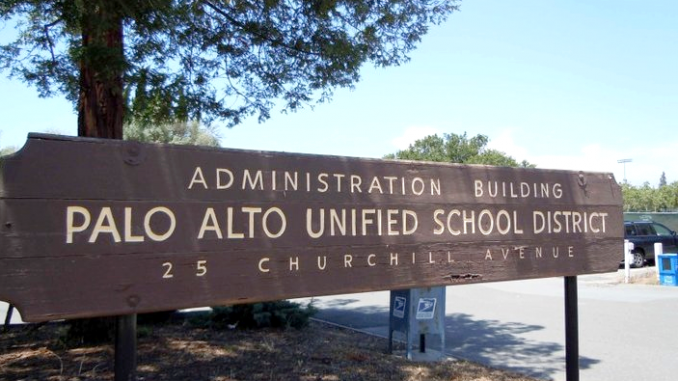
2 months agoSchool unions seek 28% pay increase for teachers, 47% for non-teachers
On Monday, the district presented a 2% raise for teachers next year, when the Palo Alto Educators' Association said they had requested 13%. But in a statement to the Daily Post, Austin said the 13% actually equates to an 28% increase, as the district factors in other benefits and compensations. Austin said the district's counter of 2% came from its analysis of what would be an appropriate cost of living increase.
Education
fromPadailypost
2 months agoOpinion: Arrogant teachers ignore school board
A group of students who are eager to learn about advanced math are asking for multivariable calculus, and teacher Daniel Nguyen has obtained a master's degree in order to teach it. The school board told Paly to add the class on Dec. 16, but the teachers council said no. Apparently the school is run by a committee of teachers, called the council of administrators and instructors, who oppose adding the class.
Education
San Francisco
fromABC7 San Francisco
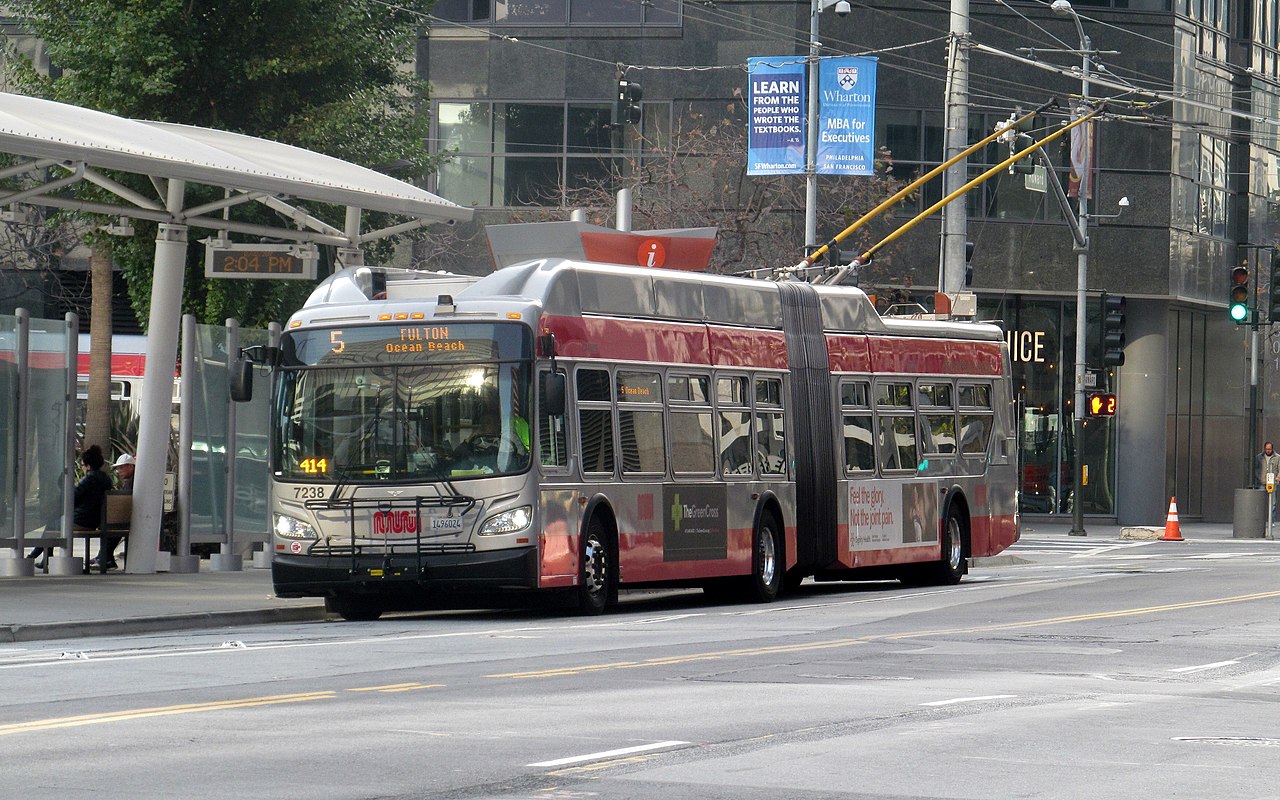
3 months agoSF finalizes plan to save Muni with parcel tax amid budget deficit: Here's how it would work
San Francisco will ask voters to approve a parcel tax charging most homeowners at least $129 annually to help close the SFMTA's $300+ million deficit and fund Muni service.
fromThe Mercury News
3 months agoCould a sugary-drink tax fund San Jose's parks? Voters may decide in 2026.
Facing a substantial maintenance backlog and continued revenue challenges, San Jose could ask voters if they would support a measure on next year's ballot as a potential financial lifeline for its park system - with a sugary-drink tax or another attempt at a parcel tax among the options. The city's deferred maintenance backlog has swelled to more than half a billion dollars, and a survey conducted in the fall found that 75% of participants agreed that San Jose needed more funding to sustain its parks.
California





East Bay real estate
fromwww.mercurynews.com
4 months agoLetters: Progressive' parcel tax would backfire on Oakland residents
A square-footage-based parcel tax would unfairly burden large-space owners and businesses, while effective crime deterrence depends on certain, carefully implemented punishments that respect civil rights.
fromwww.berkeleyside.org
4 months agoCampaign underway to put parcel tax raising money for Berkeley arts groups on 2026 ballot
Berkeley voters may be asked to consider a ballot measure next year that would increase property taxes to generate money for performing arts organizations, which have struggled to bounce back from the pandemic and fear they can no longer rely on federal funding. A new coalition of arts groups that includes Berkeley Repertory Theater, Berkeley Symphony Orchestra and the Freight & Salvage announced last week that it will start collecting signatures for a parcel tax of 7 cents per square foot.
Arts


fromThe Mercury News
5 months agoEditorial: Voters should reject Washington health care district parcel tax
The district, formed in 1948, today operates a 415-bed acute care hospital. For the current and past two fiscal years, the district shows operating losses of about $30 million annually, or about 3.5% of its operating expenses. Measure B would cover about $13 million of that shortfall. Those taxes would be on top of the district's bond program, which voters in 2020 agreed to increase to pay for hospital seismic improvements.
Public health
Public health
fromThe Mercury News
6 months agoParcel tax measure to fund East Bay hospital system goes before voters this fall
Measure B would levy a 5¢ per square foot parcel tax through 2038 to raise $13 million annually for emergency, hospital and trauma services in the Washington Township Health Care District.
SF parents
fromwww.eastbaytimes.com
11 months agoAUSD Notes: Alameda school district releases parcel tax program reports
The Alameda Unified School District released 2023-24 parcel tax program reports outlining significant local funding for education.
Measures B1 and A together provided over $24 million, essential for maintaining programs and attracting quality teachers.
[ Load more ]