Information security
fromTechRepublic
6 hours agoNew Phishing Attack Turns n8n Into On-Demand Malware Machine
Attackers are exploiting n8n workflows to deliver malware while evading detection and blending into normal business activities.
In a blog published this week, Manifold Security showed how an AI-powered code reviewer built on Claude accepted changes that appeared to come from a legitimate maintainer. By setting a fake author name and email in Git, the team made a commit appear to originate from a trusted source, then passed it through an automated review flow where the model approved it.
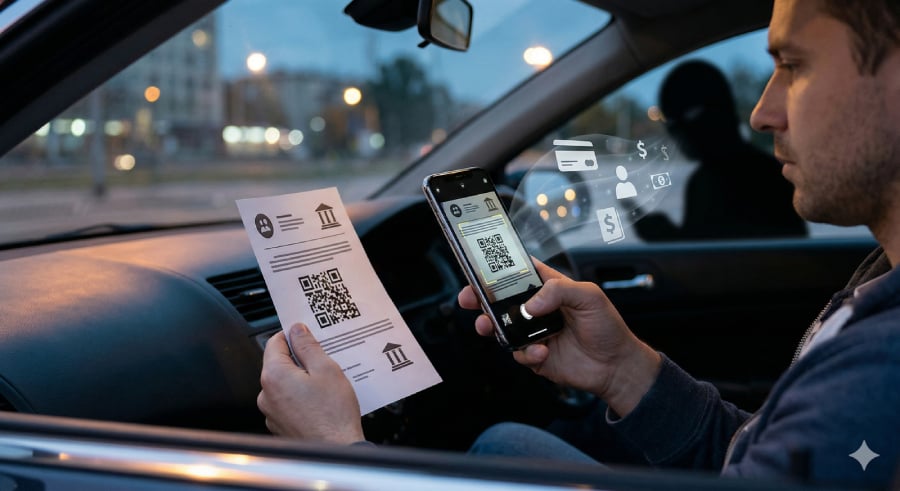
QR codes are two-dimensional images with glyphs of various sizes that store not just numbers, but text. When scanned, your phone extracts the encoded information and can act on it. For example, QR codes often embed URLs, allowing you to scan, say, a parking meter to launch a webpage where you can pay online.
The links are sent to people seeking a range of services, including those offering insurance quotes, job listings, and referrals for pet sitters and tutors. To eliminate the hassle of collecting usernames and passwords-and for users to create and enter them-many such services instead require users to provide a cell phone number when signing up for an account. The services then send authentication links or passcodes by SMS when the users want to log in.
The email seen by at least some customers of the Emma email platform was a phishing scam. Hackers hoped to inspire instant panic with the words, 'As part of our commitment to supporting U.S. Immigration and Customs Enforcement (ICE), we will be adding a Support ICE donation button to the footer of every email sent through our platform.'
Tycoon 2FA, a Phishing-as-a-Service (PhaaS) platform, enabled thousands of cybercriminals to steal login credentials and session tokens. Even accounts secured with MFA could be compromised via a single email. The service had been active since at least 2023 and quickly grew to become one of the most widely used phishing platforms in the world.
Web browsers are among the top targets for today's cybercriminals, playing a role in nearly half of all security incidents, new research reveals. According to Palo Alto Networks' 2026 Global Incident Response report, an analysis of 750 major cyber incidents recorded last year across 50 countries found that, in total, 48% of cybercrime events involved browser activity. Individuals trying to connect to the web, including business employees, are exposed to cyberthreats on a daily basis.