#physical-media
#physical-media
[ follow ]
#nostalgia #vinyl-records #gen-z #bluetooth #music-industry #video-games #music #vinyl #intentional-listening

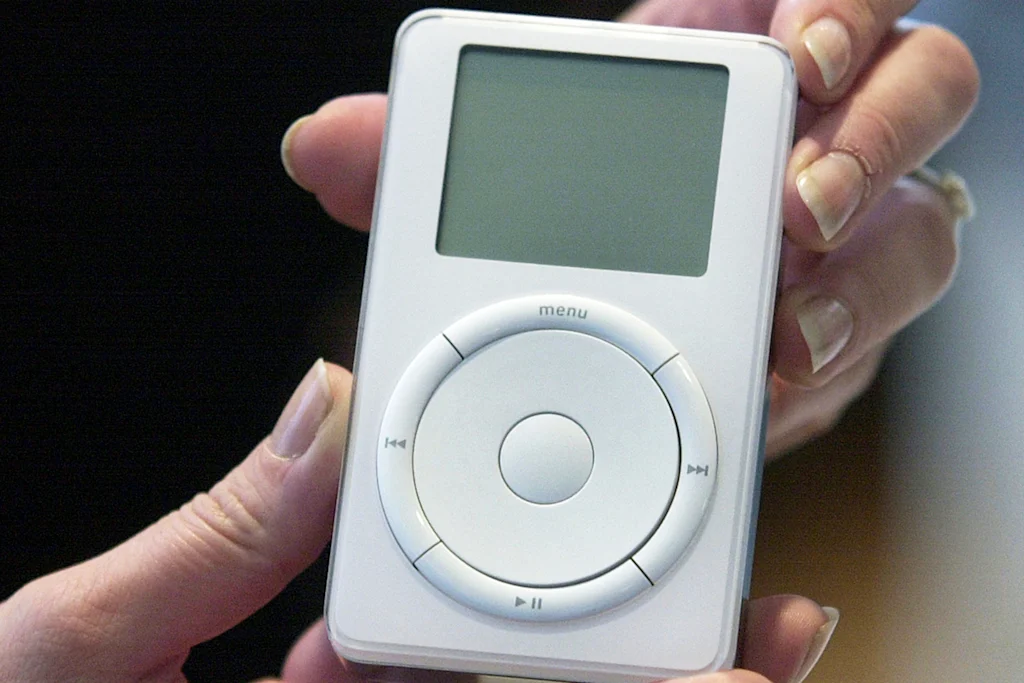
fromYanko Design - Modern Industrial Design News
1 week agoThe CD Player Is Back - And These 7 Designs Are Gorgeous - Yanko Design
Streaming hasn't killed physical media. It's made us crave it more. CDs are back in rotation, showing up in record stores, apartments, and design studios with a renewed sense of purpose.
Gadgets
#vinyl-records


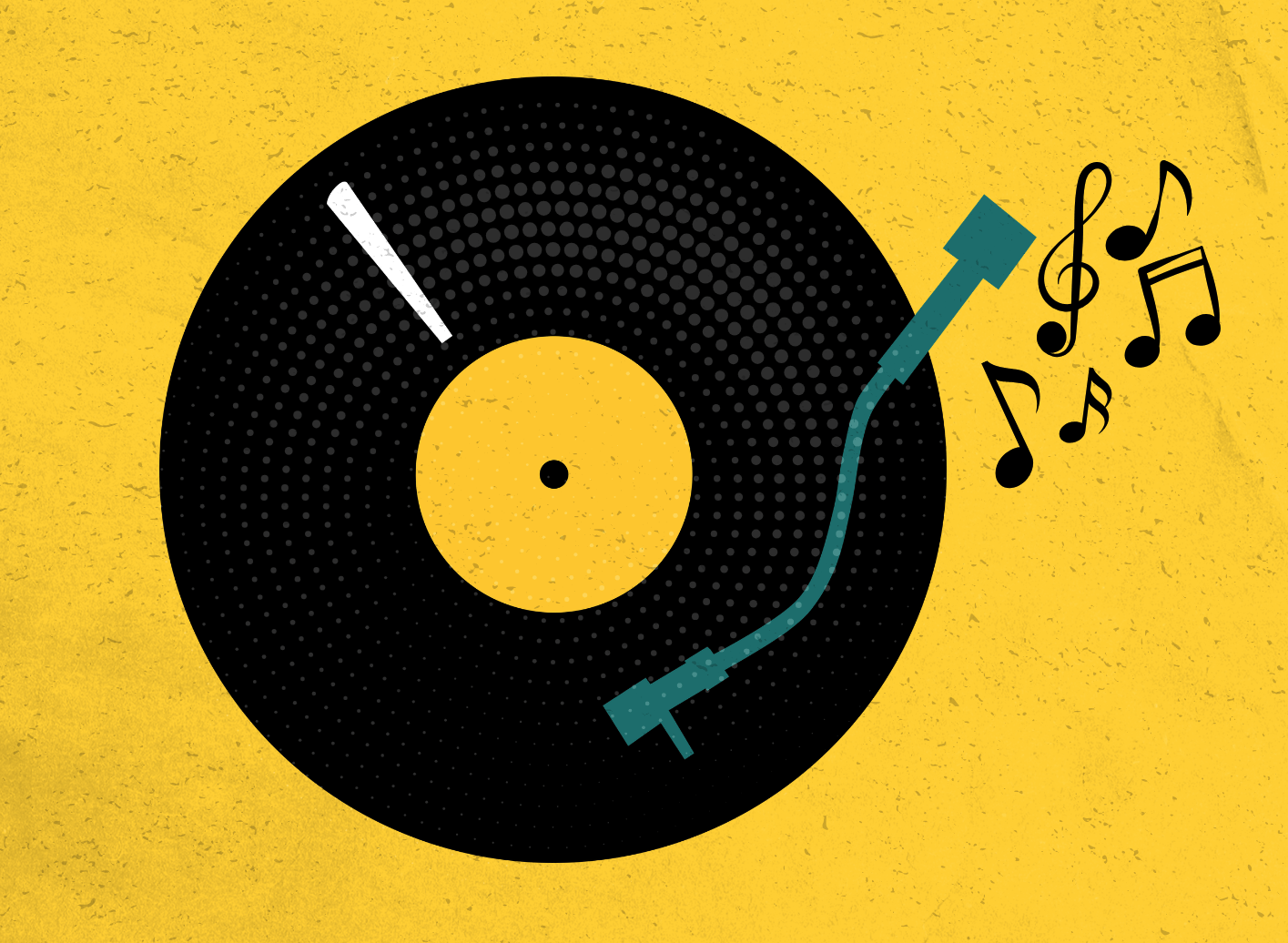
fromYanko Design - Modern Industrial Design News
1 month agoMusic
Forget Spotify: These 5 Designer Turntables Are the Real Reason Vinyl Is Having a Moment - Yanko Design
Vinyl's resurgence stems from listeners seeking intentional engagement with music through physical ritual rather than streaming's frictionless convenience.
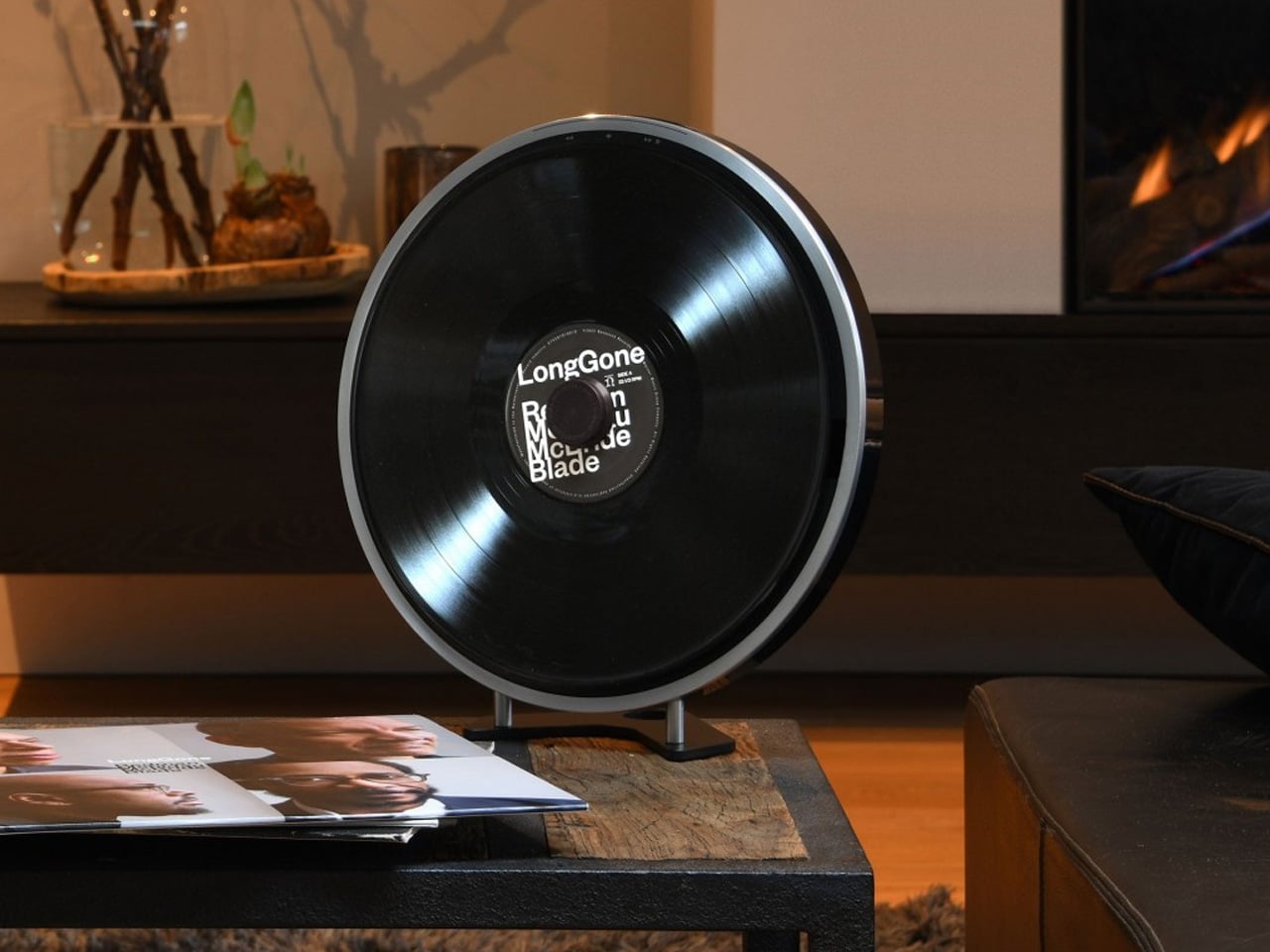
Graphic design
fromdesignboom | architecture & design magazine
1 week agozim & zou recreates vintage boombox and cassette tapes with handmade paper sculptures
Zim & Zou creates vibrant handmade paper sculptures of vintage boomboxes and cassette tapes, showcasing intricate details and a modern artistic approach.

fromFortune
2 weeks agoOne fan secretly recorded 10,000 concerts over 40 years. Now volunteers are racing to save the tapes before they disintegrate | Fortune
The growing Aadam Jacobs Collection is an internet treasure trove for music lovers, especially for fans of indie and punk rock during the 1980s through the early 2000s.
NYC music
Design
fromdesignboom | architecture & design magazine
4 weeks agonostalgia for caramel candy inspires a ceramic collection of interior objects
The 'Caramel' collection features modular ceramic lighting and furniture designed for personalization and expression, inspired by childhood memories and contemporary life.


Music production
fromTechCrunch
1 week agoThousands of rare concert recordings are landing on the Internet Archive -- listen now | TechCrunch
Aadam Jacobs' concert tape collection is being digitized by Internet Archive volunteers to preserve over 10,000 recordings, including rare performances from iconic artists.
Music production
fromYanko Design - Modern Industrial Design News
1 week agoGadhouse's $99 Miko Is the Cassette Player the Revival Needed - Yanko Design
Cassette tapes are experiencing a significant resurgence, with sales increasing over 440% in the past decade, marking a cultural movement in audio consumption.
fromWIRED
4 weeks agoOur Favorite Turntable Is $51 Off Before Record Store Day
The AT-LP120XUSB features basically everything you could want from a modern, upgraded turntable. The built-in phono preamp lets you easily swap the turntable from your headphones to your speakers without any extra steps or hardware.
Gadgets
fromdesignboom | architecture & design magazine
2 weeks agocasette tape records lo-fi songs from smartphones and replays it using portable retro player
The allure of the project is that the magnetic tape doesn't reproduce audio cleanly because the oxide coating introduces a slight instability in playback speed. But these are the 'flaws' that Iulius Curt is after, allowing the resulting sound to have that lo-fi warmth that's ideal for ambient listening.
Music production
E-Commerce
fromLondon Business News | Londonlovesbusiness.com
1 month agoHow music technology is changing the modern retail store - London Business News | Londonlovesbusiness.com
Physical retail stores are transforming into experience-driven spaces where strategic audio systems and environmental design significantly influence customer behavior and brand perception.
fromdesignboom | architecture & design magazine
2 weeks agowall-mounted vinyl player connects with CD and cassette decks for triple listening session
The TTT-W magnetic modular wall rack is flushed against the wall, featuring four circular magnetic pads that create a vertical design piece, unifying the audio devices.
Music production
Gadgets
fromYanko Design - Modern Industrial Design News
1 month agoGen Z Is Obsessed With These 5 Cassette-Era Gadgets & They Just Got a Full Design Upgrade for 2026 - Yanko Design
Streaming's abundance created a thinner listening experience; cassette-era design principles combined with modern technology offer a solution through intentional, tactile music consumption products.
fromDefector
1 month agoR&B Wants To Make Pop Music Fun Again | Defector
R&B in the 21st century has been in a constant state of flux, tugged between safe traditionalism and blurry attempts at progression. For the last decade-plus that "progression" has seen R&B music become more indebted to trap records and the moody atmospherics of alternative bands like Radiohead, Coldplay, or My Bloody Valentine.
Music
fromSilicon Canals
1 month agoThe real reason a boomer's wallet is three inches thick and held together with a rubber band isn't disorganization-every card, receipt, photo, and folded note in there is a filing system for a life that was built before anything could be stored in a cloud, and that wallet is the last physical archive of a person who doesn't trust the invisible - Silicon Canals
If you grew up in an era where important documents meant physical papers, where proof of payment was a carbon copy receipt, and where your identity was verified by cards you could hold, wouldn't you be skeptical of being told all that could just float somewhere in 'the cloud'? For boomers, physical objects are anchors to reality.
Digital life
fromPsychology Today
2 months agoYour Life's Work Preserved: Why Collectors Are Going Virtual
The traditional museum experience, pausing in front of an object, and absorbing its history visually or by reading its description, has long shaped how collectors and others relate to cultural treasures. Yet, over the last few decades, digital technology has quietly rewritten many of those rules, changing not only how collections are exhibited but also how they are documented, preserved, and even inherited.
Arts
fromSilicon Canals
2 months ago9 things Boomers refuse to throw away that their kids will put straight in the trash without opening - Silicon Canals
My father kept manuals for products we hadn't owned in years, filed alphabetically in a cabinet. When I asked why, he looked at me like I'd suggested burning money. "What if we need to look something up?" The concept of finding any manual online in seconds just doesn't compute for a generation that had to rely on these paper lifelines.
Relationships
fromKotaku
1 month agoThe Zoomer Obsession With DVDs Is A Blueprint For Saving Gaming - Kotaku
Physical media sales, DVDs especially, are experiencing a new burst of popularity. After a decade of freefall, enthusiasm among Gen Z halved a 20 percent sales decline in 2024 to just 9 percent in 2025. Stores have noticed. The Times' Karla Gachet spoke with staff at cultural hubs like Cinefile and Vidiots to discover why 2026 is already shaping up to be their biggest year, with the latter renting a surprising 1,000 DVDs a week.
Media industry
Apple
fromEntrepreneur
1 month agoThis Nostalgic Apple Product Is Making a Major Comeback - and You Can Thank Gen Z For It
Gen Z and young adults are purchasing used iPods to escape streaming fatigue and own their music libraries, with prices rising 60% since 2023 and search interest increasing 8% year-over-year.
Design
fromdesignboom | architecture & design magazine
1 month agowooden music cabinet by love hulten plays vertical vinyl and casette tapes in one device
A handcrafted wooden cabinet plays vinyl vertically and stores vertically stacked cassette tapes with color-coded modern controls and retro-modern styling.
fromColossal
1 month agoRadioposter Launches Paper-fi: Analog Books with Synchronized Soundtracks
Radioposter has built what it calls Paper-fi: physical books with synchronized audio soundtracks that follow readers in real time as they turn each page. No chips embedded in the paper, no QR codes to scan. The system uses patented computer vision and other modes through a smartphone or smart glasses to track your place in the book and play the corresponding audio.
Arts
Music
fromYanko Design - Modern Industrial Design News
1 month agoThese $40-$299 Cassette Players Just Crushed Spotify's Algorithm - Yanko Design
Cassette player searches have surged over 1,281%, driven by millennials and Gen Z seeking deliberate listening experiences away from algorithmic playlists and infinite streaming options.
Television
fromBusiness Insider
1 month agoFrom landlines to VHS tapes, millennials and Gen Z parents are bringing an analog childhood to Gen Alpha
Millennials and Gen Z parents are introducing retro items like VHS tapes, Tin Can phones, and physical media to their children to foster connection, imagination, and independence while slowing down screen time.
fromwww.theguardian.com
2 months agoMy rookie era: scrapbooking is like creating my own sentimental time capsule
I had always associated scrapbooking with grandmas and bored children, so, imagine my surprise when as a twentysomething with a Big Girl Job I found myself enamoured of printing, cutting, and sticking random bits and bobs into a book. If, like me, you've racked up a disconcerting amount of screen time, you may have stumbled across a multitude of craft-inspired social media posts made primarily by young women. Described as junk journalling, the hobby is distinguishable by an affinity with collecting and storing physical mementoes, such as tickets, receipts, packaging and Polaroids.
Arts

Digital life
fromFortune
1 month agoSubscriptions burned out Gen Z. They're going for analog lifestyles and physical media instead | Fortune
Young Americans are abandoning expensive subscription services and returning to physical media like vinyl records and DVDs due to mounting costs and lack of ownership.
fromFuturism
2 months agoMetal Band Releases New Album on N64 Cartridge
Last year saw the highest vinyl record sales since 1984, signaling a strong desire among music enthusiasts to return to a simpler time of physical media. Even cassette tapes are making a comeback, with major artists including Billie Eilish and Taylor Swift releasing their material on the iconic plastic, four-inch audio reels. Now, self-described "party slam" metal band Party Cannon is taking the nostalgia play - often framed as an act of defiance against greedy and AI-slop-infested streaming platforms - to a new level.
Music
fromFortune
2 months agoGen Zers and millennials flock to so-called analog islands 'because so little of their life feels tangible' | Fortune
As technology distracts, polarizes and automates, people are still finding refuge on analog islands in the digital sea. The holdouts span the generation gaps, uniting elderly and middle-aged enclaves born in the pre-internet times with the digital natives raised in the era of online ubiquity. They are setting down their devices to paint, color, knit and play board games. Others carve out time to mail birthday cards and salutations written in their own hand.
Digital life
fromEsquire
2 months agoThese Portable CD Players Combine Modern Tech and Retro Tactility
Chances are this does exactly what you need. It will play your old CDs, your new CDs, your homemade mixtapes, the whole nine yards. You can even listen wirelessly thanks to onboard Bluetooth. It's got a decent battery life that can last you up to six hours, and it uses a USB-C to recharge. We usually have one of those on hand.
Gadgets
fromSilicon Canals
1 month agoPsychology says the reason boomers get emotional watching old home movies isn't the people in them - it's the background, the furniture nobody saved, the wallpaper nobody photographed, the ordinary details of a life that felt permanent until it wasn't - Silicon Canals
We photograph people obsessively, but we rarely capture the everyday spaces where life actually happens. And when those spaces disappear, something profound goes with them. The furniture was never just furniture—it was the stage where decades of family life played out. Every scratch, stain, and worn patch told a story.
Digital life
Music
fromdesignboom | architecture & design magazine
2 months agovintage reel-to-reel tape player returns as modern wooden synthesizer by love hulten
A wooden RGB synthesizer combines vintage reel-to-reel visual cues with stepper-motor-driven red, green, and blue rotating discs and three stacked keyboard rows.
Gadgets
fromYanko Design - Modern Industrial Design News
2 months agoSony releases two new Bluetooth turntables to spark Gen Z's love for vinyl - Yanko Design
Sony introduced two easy-to-use Bluetooth turntables, PS-LX3BT and PS-LX5BT, targeting new vinyl listeners with wireless aptX codecs and built-in phono equalizers.
Gadgets
fromYanko Design - Modern Industrial Design News
2 months agoStunning LEGO Sony Walkman Replica Features a Dockable Cassettes and Wearable Headphones - Yanko Design
A 520-piece LEGO model faithfully recreates the Sony Walkman TPS-L2 from Guardians of the Galaxy, including three buildable cassettes and poseable orange headphones.
fromdesignboom | architecture & design magazine
1 month agomodern audio player restores the physical form of music using disc-shaped cartridges
It's similar to a vinyl record, but the tracks are in a USB drive. It has no moving parts inside, so it's totally digital in how it stores sound. But it has a physical shape users can hold, flip over, look at, and collect, so in a way, the designer is asking: what if digital music had a physical body?
Music production
Music production
fromdesignboom | architecture & design magazine
1 month agoelectric guitar-shaped turntable spins vinyl records on frosted platter and wooden base
Clearaudio creates an electric guitar-shaped turntable honoring jazz artist Al Di Meola, featuring high-density wood fiber construction, frosted platter, and advanced vibration isolation through IMS light motor suspension with O-rings.
[ Load more ]