#poisonous-fungi
#poisonous-fungi
[ follow ]
#mushroom-poisoning #death-cap #foraging-safety #public-health #amanita-phalloides #california-public-health
OMG science
fromwww.scientificamerican.com
1 month agoWhere did magic mushrooms come from? Scientists just got closer to an answer
Scientists discovered Psilocybe ochraceocentrata, a new magic mushroom species in Africa that shared a common ancestor with Psilocybe cubensis approximately 1.5 million years ago.



fromFuturism
2 months agoStrange Mushroom Makes You See Tiny People Chilling on Every Surface
"At a mushroom hot pot restaurant there, the server set a timer for 15 minutes and warned us, 'Don't eat it until the timer goes off or you might see little people,'" University of Utah doctoral candidate in biology Colin Domnauer told the broadcaster.
Medicine
fromwww.scientificamerican.com
2 months agoMeet the extremophile molds wreaking havoc in museums
Mold is a perennial scourge in museums that can disfigure and destroy art and artifacts. To keep this microbial foe in check, institutions follow protocols designed to deter the familiar fungi that thrive in humid settings. But it seems a new front has opened in this long-standing battle. I'd recently heard rumblings that curators in my then home base of Denmark have been wrestling with perplexing infestations that seem to defy the normal rules of engagement.
Science

fromMail Online
1 month agoEpstein kept garden of toxic plants that turn people into 'zombies'
'ask chris about my trumpet plants at nursery [SIC]?,' a line that may indicate he had Angel's Trumpet plants. Also known as 'Devil's Breath,' the flowering shrub contains scopolamine, a potent psychoactive compound that can cause serious effects on the nervous system. Scopolamine interferes with the brain's memory system by blocking key receptors in the central nervous system. In high doses, it can leave a person highly suggestible and almost catatonic.
Science
fromThe Mercury News
2 months agoDeath cap mushroom toll climbs as state officials plead for halt to foraging
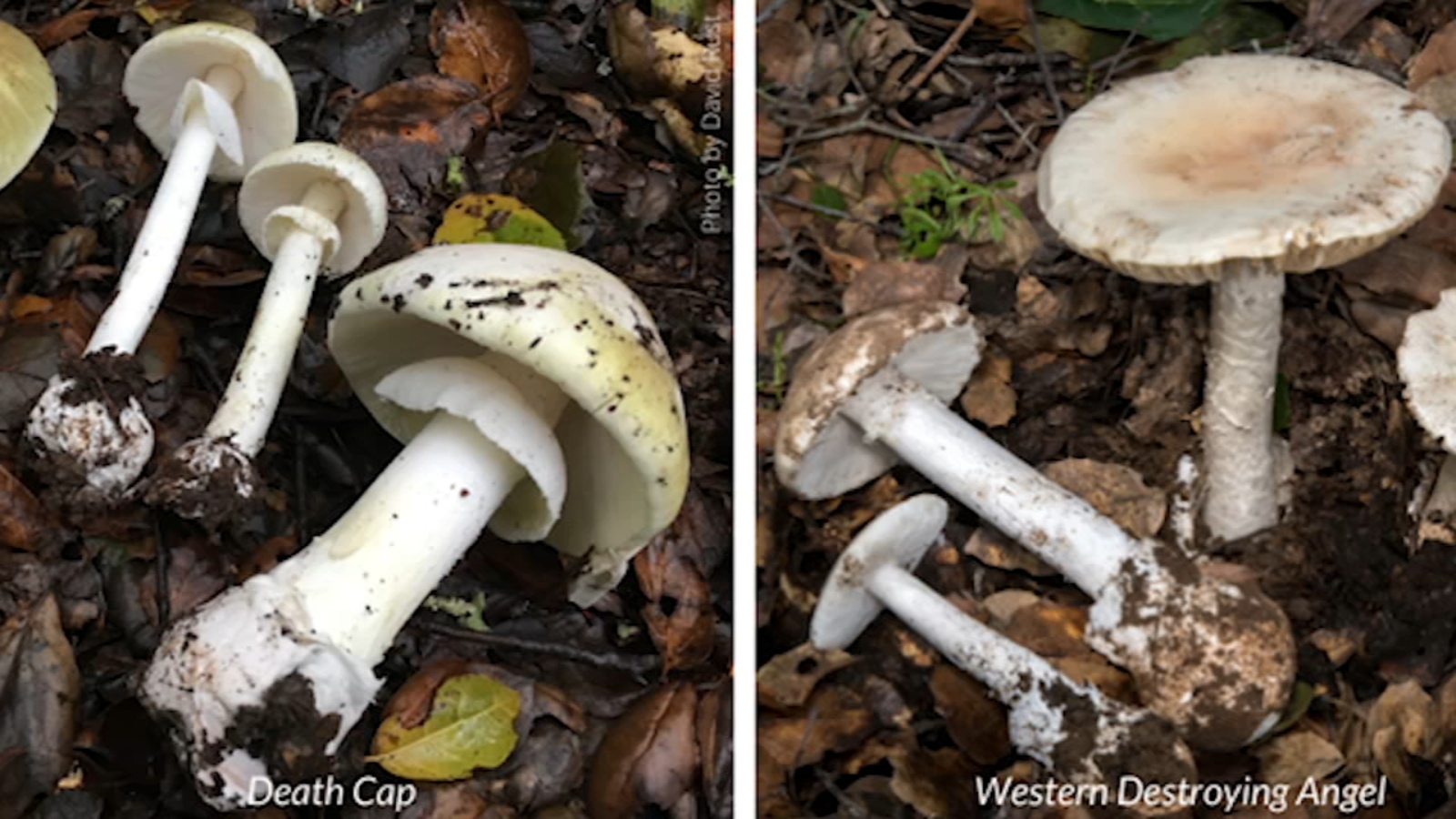
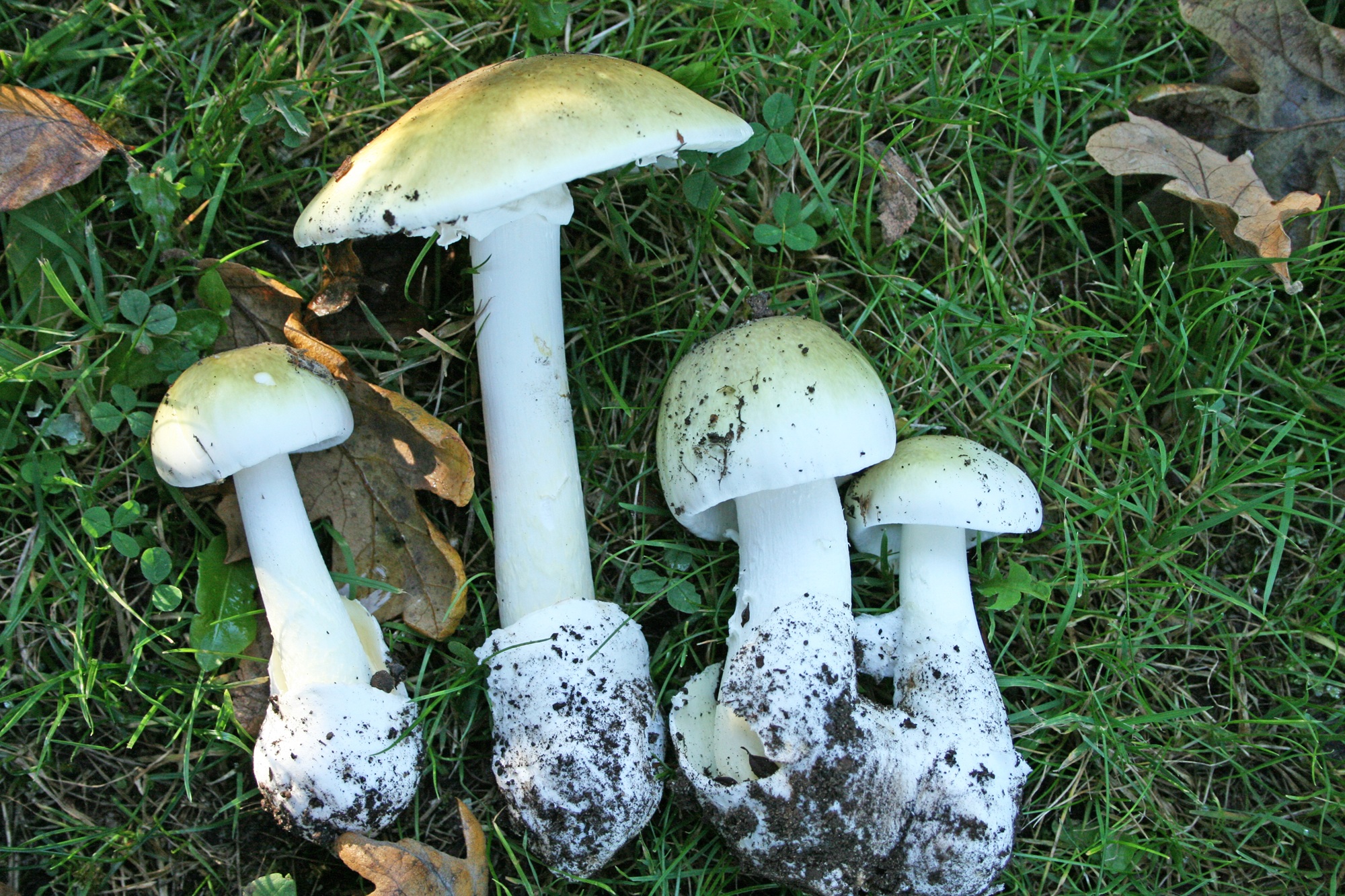
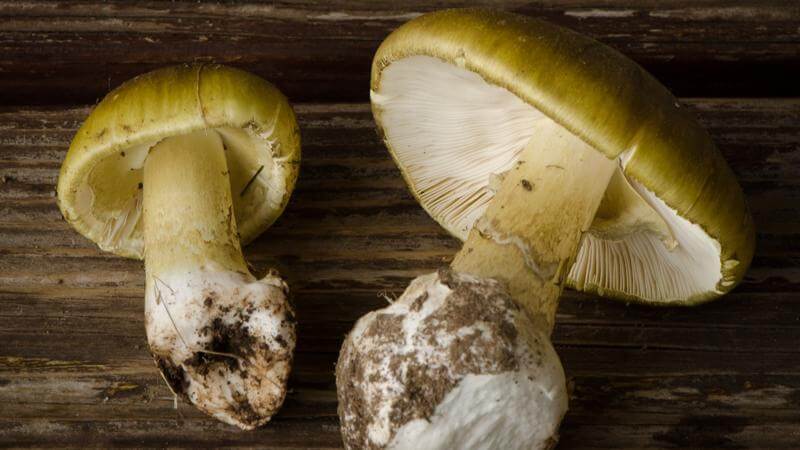
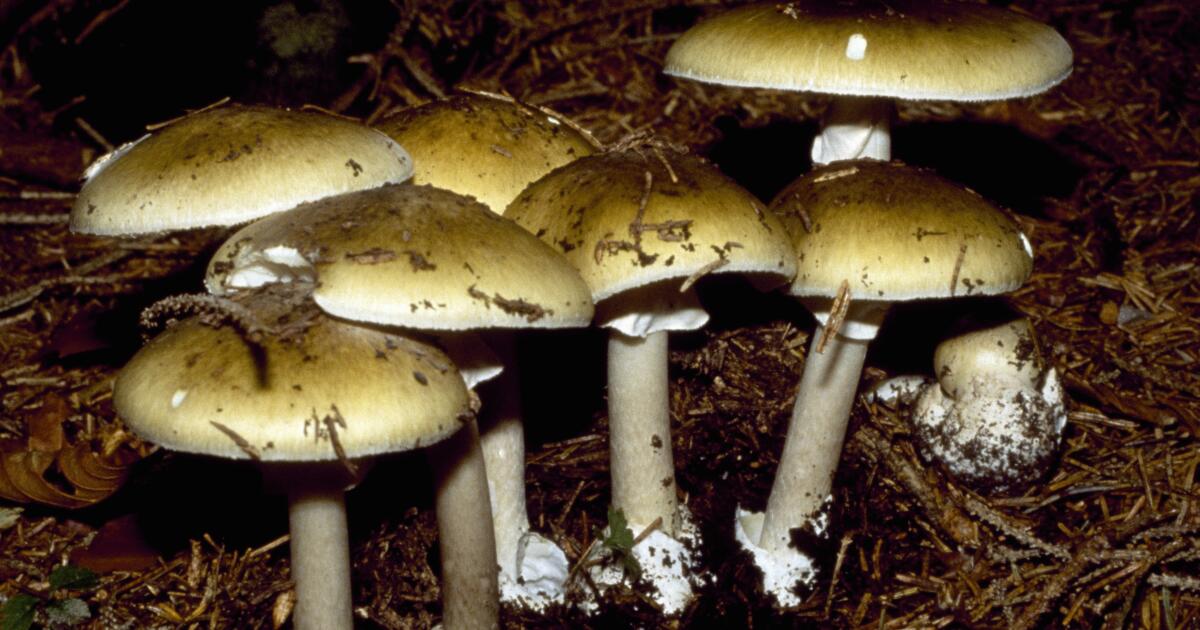
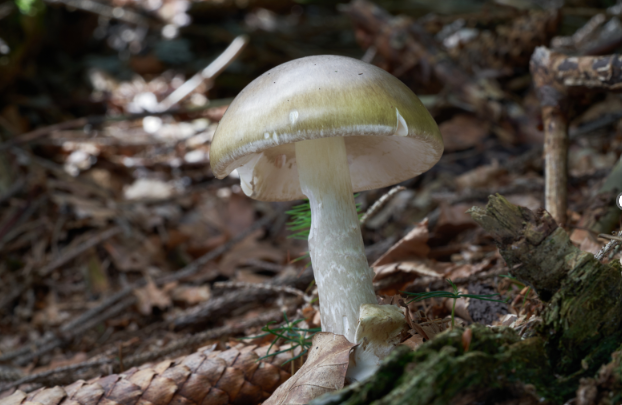
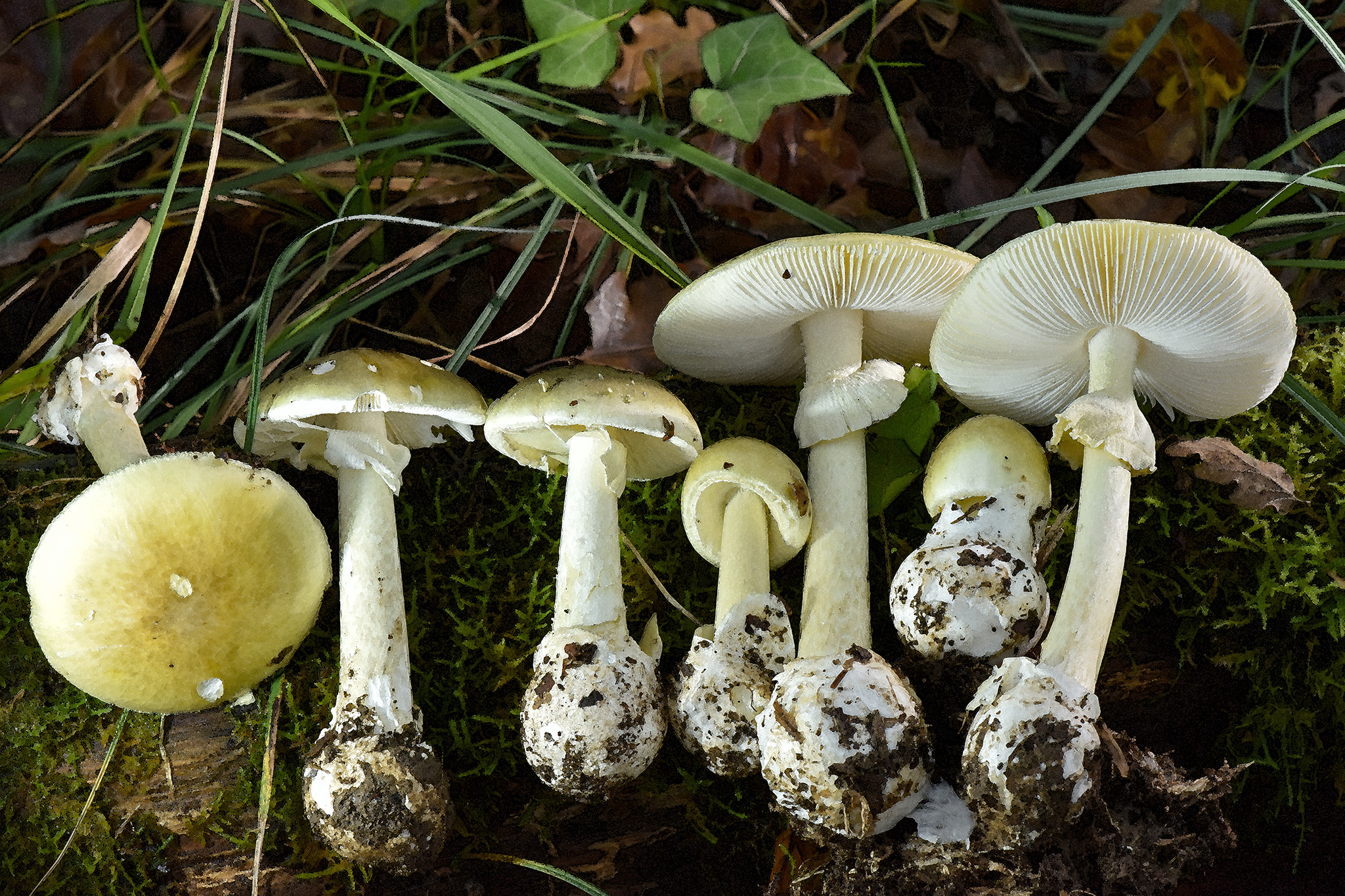
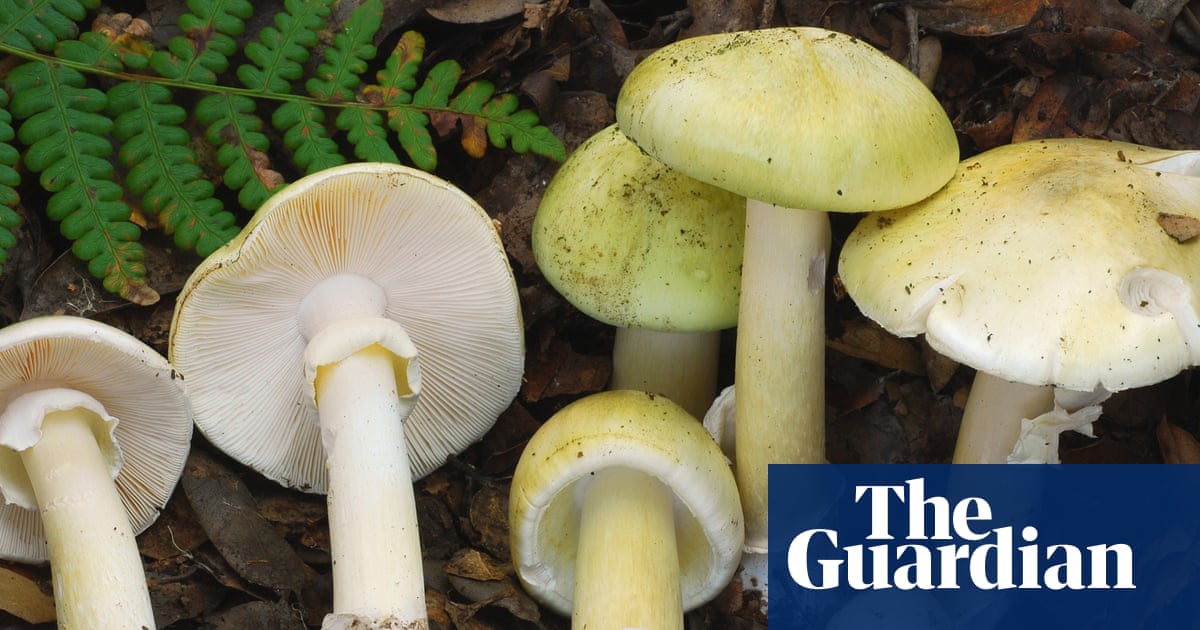
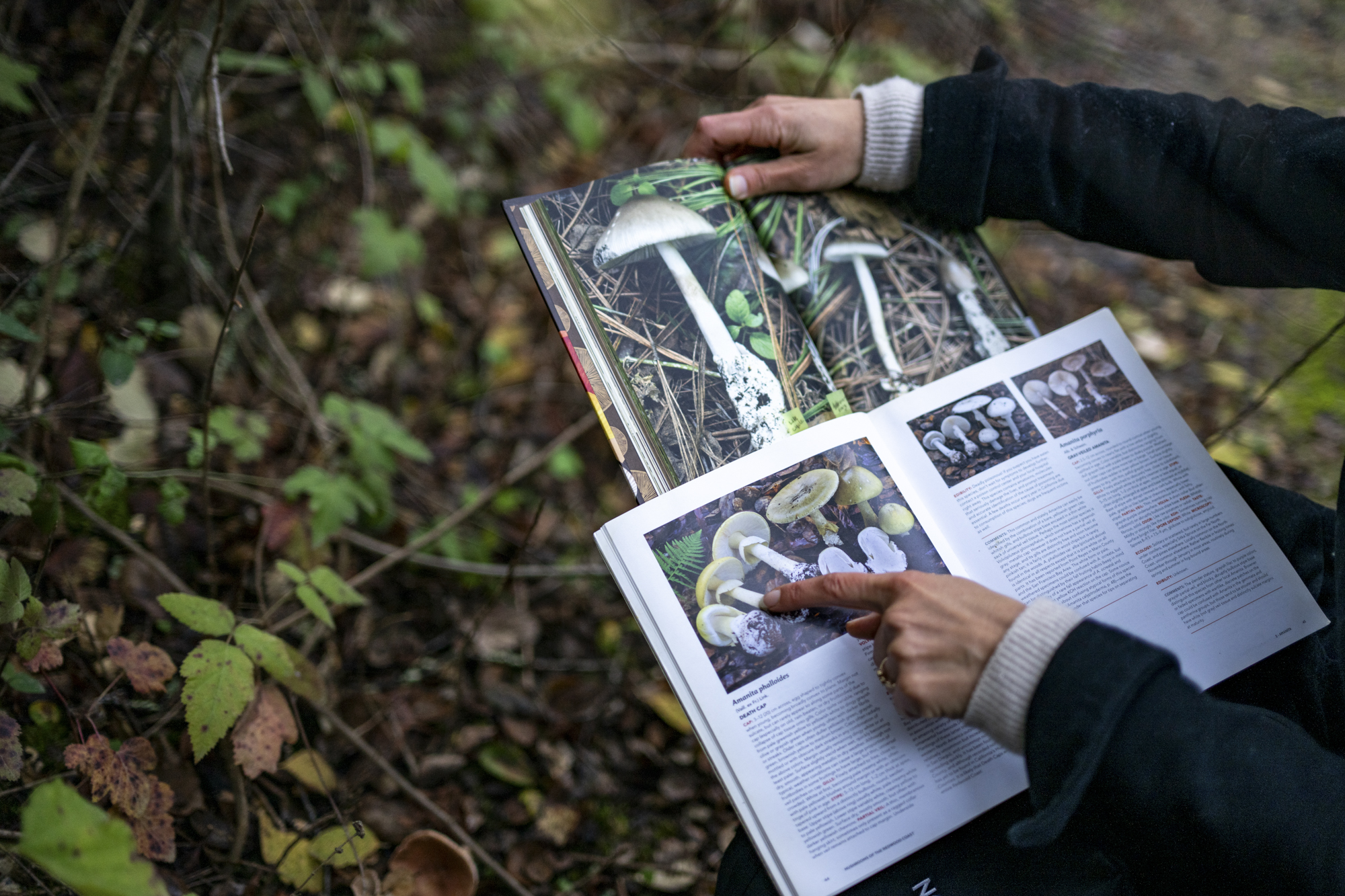
It all comes amid a massive bloom of aptly named death cap mushrooms, which has been fueled by potent storm systems in October and December and has left health officials pleading with foragers to stop collecting wild mushrooms altogether. "Since death cap mushrooms are easily confused for safe-to-eat, lookalike mushrooms, all mushroom foraging should be avoided," the health department warned Wednesday.
Public health
[ Load more ]