#political-repression
#political-repression
[ follow ]
#iran #venezuela #protests #press-freedom #russia #free-speech #human-rights #bobi-wine #academic-freedom
#iran

World politics
fromwww.theguardian.com
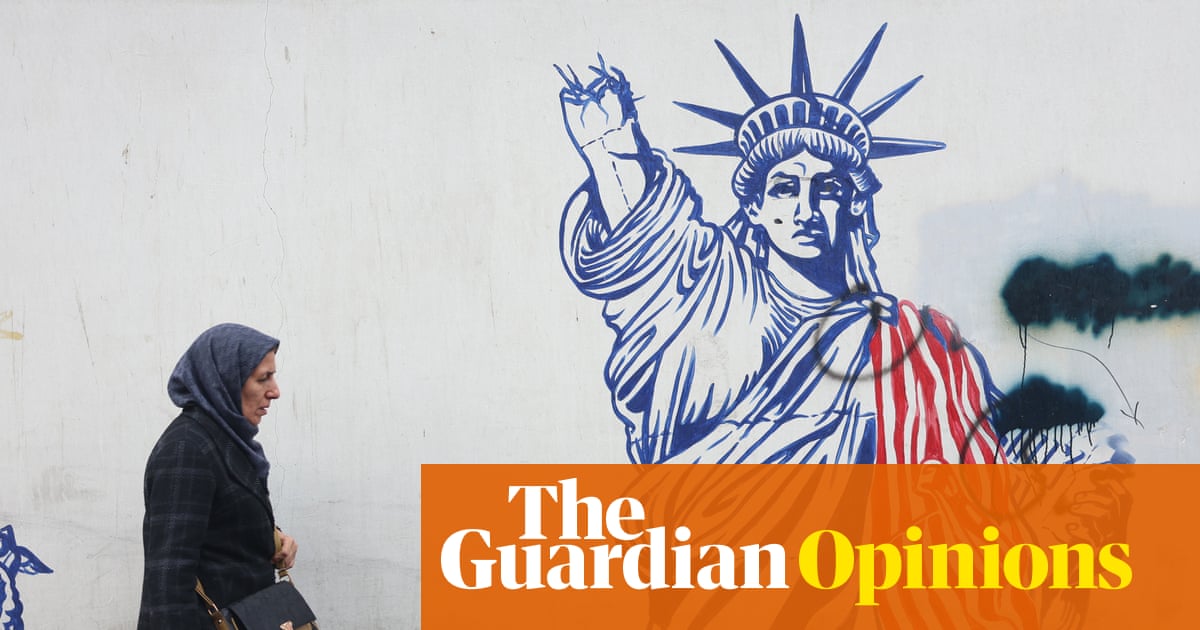
3 months agoIran's protesters need our support not another western-intervention disaster | Owen Jones
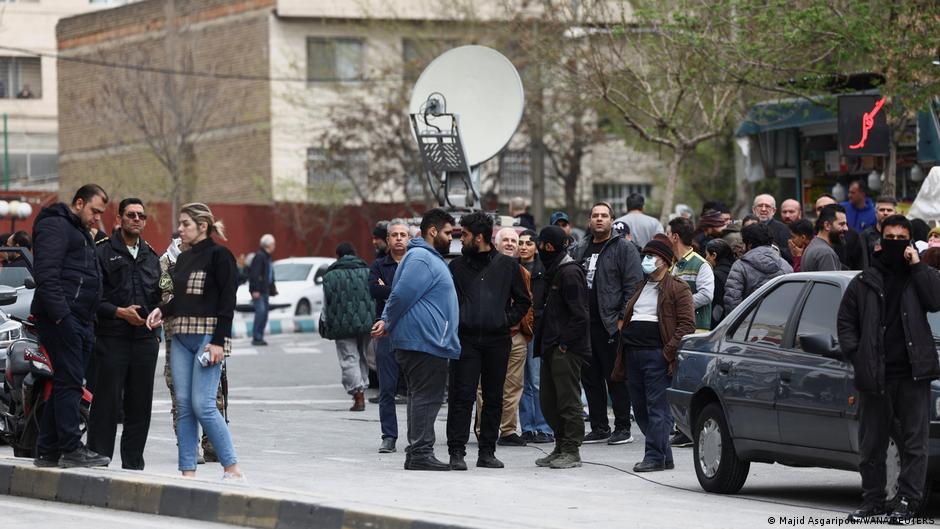
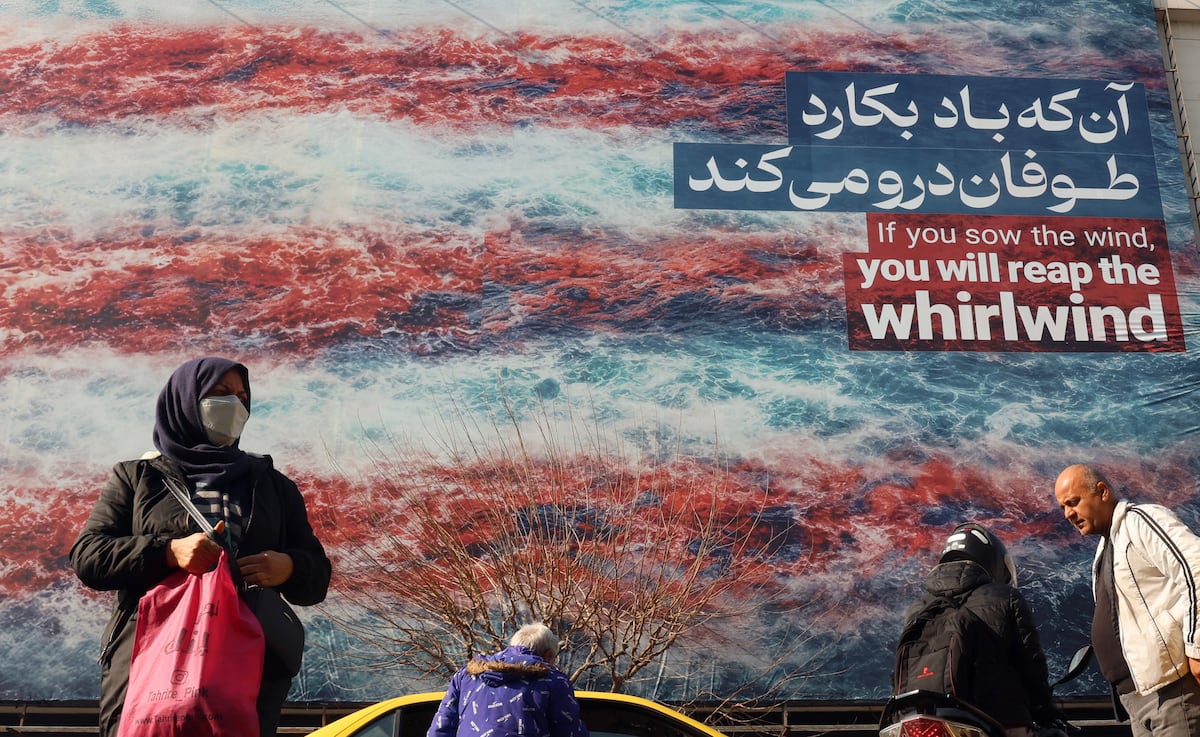
Western military intervention and past foreign support for repression have undermined Iranian freedoms and risk repeating catastrophic consequences instead of delivering liberation.

France politics
fromwww.aljazeera.com
1 month agoRepublic of Congo election: Who is running and what's at stake?
Congo Brazzaville's presidential election is largely ceremonial, with incumbent President Sassou Nguesso expected to win re-election after leading the nation for over 40 years despite severe political repression and economic challenges.
fromwww.theguardian.com
1 month agoA new wave of defiance: the Turkish film-makers standing up to autocracy
Ilker Catak's Yellow Letters and Emin Alper's Salvation, two politically outspoken films that examine Turkish president Recep Tayyip Erdogan's autocratic regime, shared the top prizes at this year's Berlinale: the Golden Bear for Catak and Silver for Alper. These striking works share a lot more. Both titles are co-produced by Liman, an indie film company from Turkey.
Film
Higher education
fromInside Higher Ed | Higher Education News, Events and Jobs
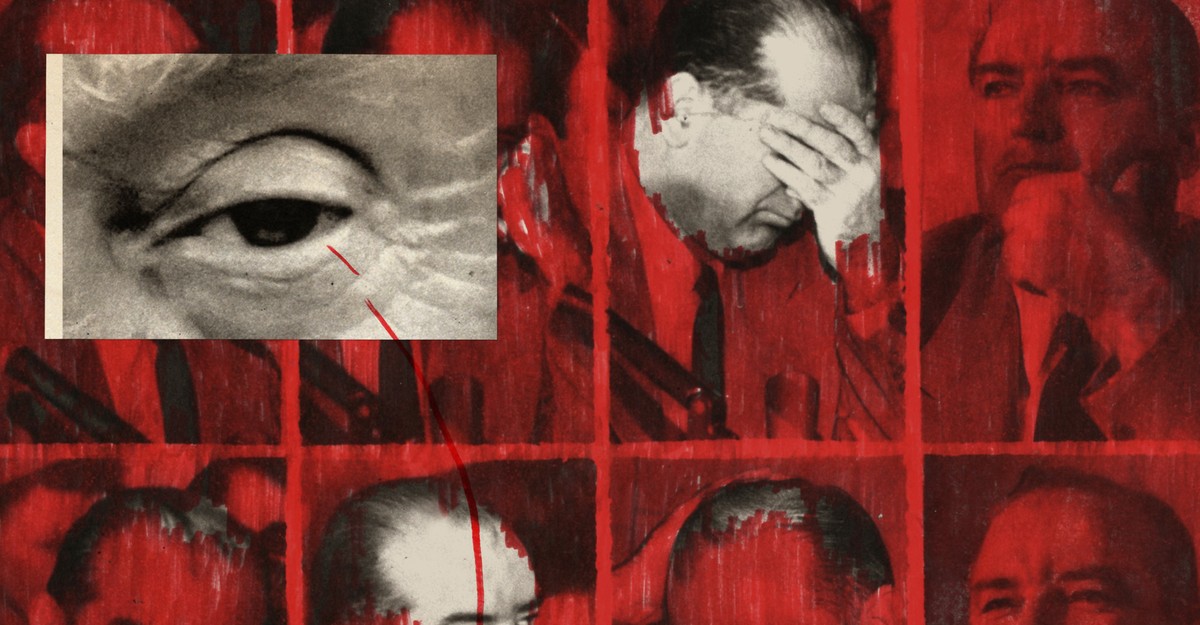
1 month agoThe Danger of Silence When Academic Freedom Is Under Threat
Clark Kerr's historical record shows he recommended firing colleagues unable to prove they weren't Communists, contradicting sanitized accounts portraying him as opposing the loyalty oath policy.
fromwww.aljazeera.com
1 month agoFear, uncertainty surround Iran women's football team's return home
The reality at the moment is that we're unable to get in touch with the players. That's incredibly concerning. That's not a new thing. That's really been since the repression really dialled up in February, January. So we're really concerned about the players, but our responsibility right now is to do everything within our power to try and make sure that they're safe.
Women
Women
fromwww.mediaite.com
1 month agoFears Grow for Iran Women's Soccer Team Who Sent Help' Message as They Return to Middle East After National Anthem Controversy
Iran's women's football team faces safety concerns after refusing to sing the national anthem at the 2026 AFC Women's Asian Cup, with FIFPRO unable to contact players as they return home amid political tensions.
fromwww.aljazeera.com
1 month agoOne party state': Guinea dissolves main opposition parties
The Ministry of Territorial Administration and Decentralisation issued the decree late on Friday, citing the parties' failure to meet their legal obligations. Beyond stripping them of their legal status, the order froze their assets and banned the use of their names, logos and emblems, with a government-appointed curator assigned to oversee the transfer of their holdings.
World news
Europe politics
fromwww.independent.co.uk
1 month agoEU suspends visa-free travel for Georgian diplomats and officials over democratic backsliding
The European Union suspended visa-free travel for Georgian diplomats and officials for at least one year due to democratic backsliding, crackdowns on protesters, and violations of fundamental rights commitments.
World news
fromwww.theguardian.com
1 month agoInternet blackout is tool of desperate regime to isolate Iranians, say experts
Iran implemented a near-total internet blackout following military strikes, primarily through intentional government action rather than infrastructure damage, to prevent coordinated opposition and maintain regime control.
World news
fromwww.npr.org
1 month agoFather of U.S.-based activist sentenced in Hong Kong under national security law
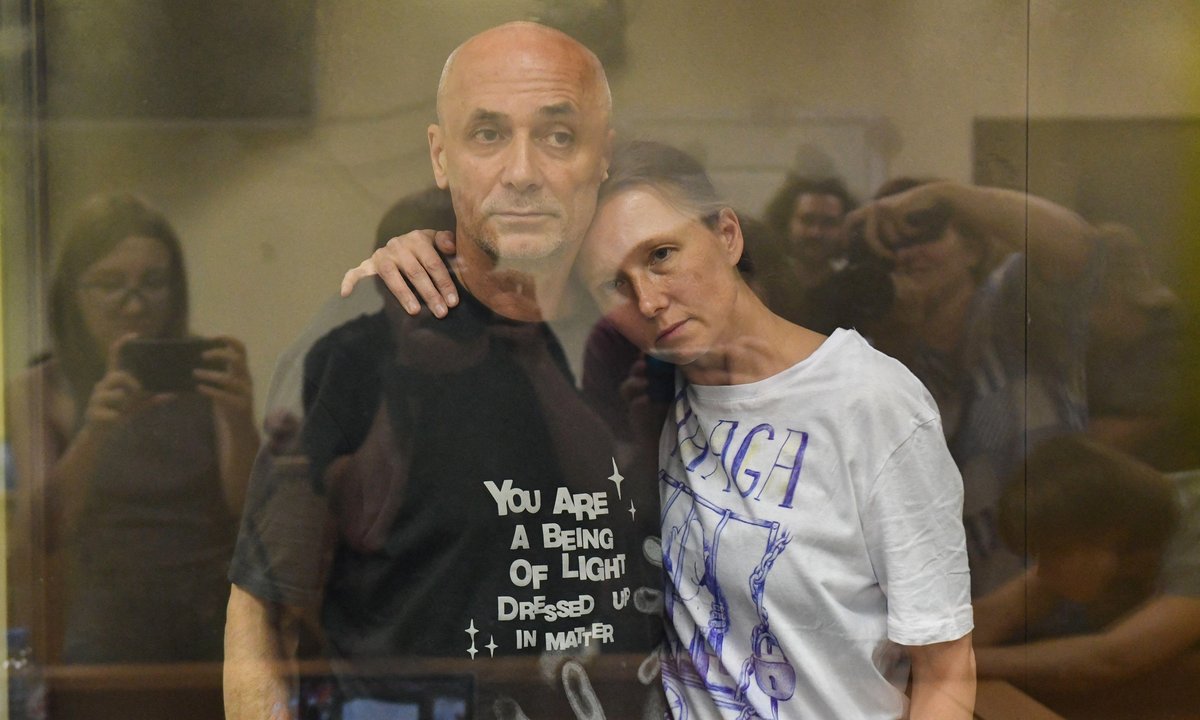
Hong Kong jailed a 69-year-old man for eight months under national security law for handling his daughter's financial assets, marking the first prosecution of a family member of a wanted pro-democracy activist.







World politics
fromwww.theguardian.com
2 months agoAfter years spent documenting state terror, I know it when I see it. And I see it now in the US and Israel | Janine di Giovanni
State terror uses arbitrary detention, torture, killings and fear, justified by rhetoric of security and order, to silence dissent and control populations.
fromwww.aljazeera.com
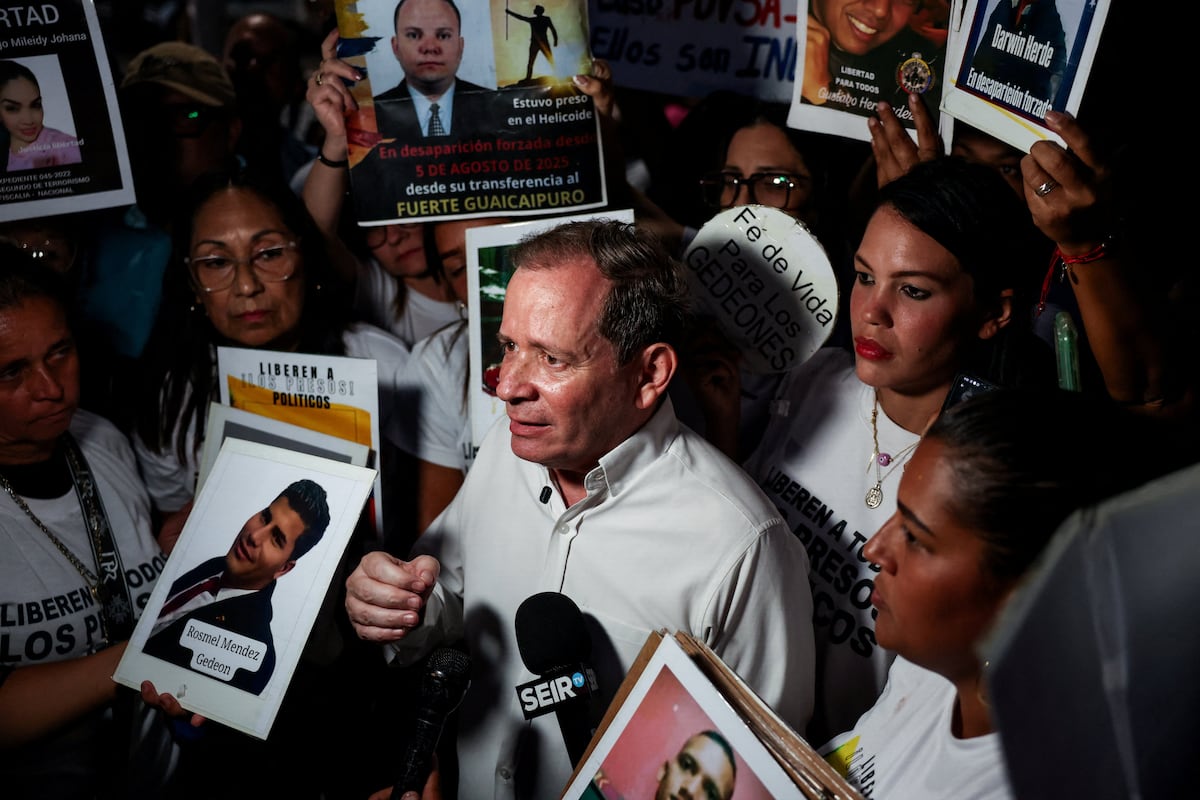
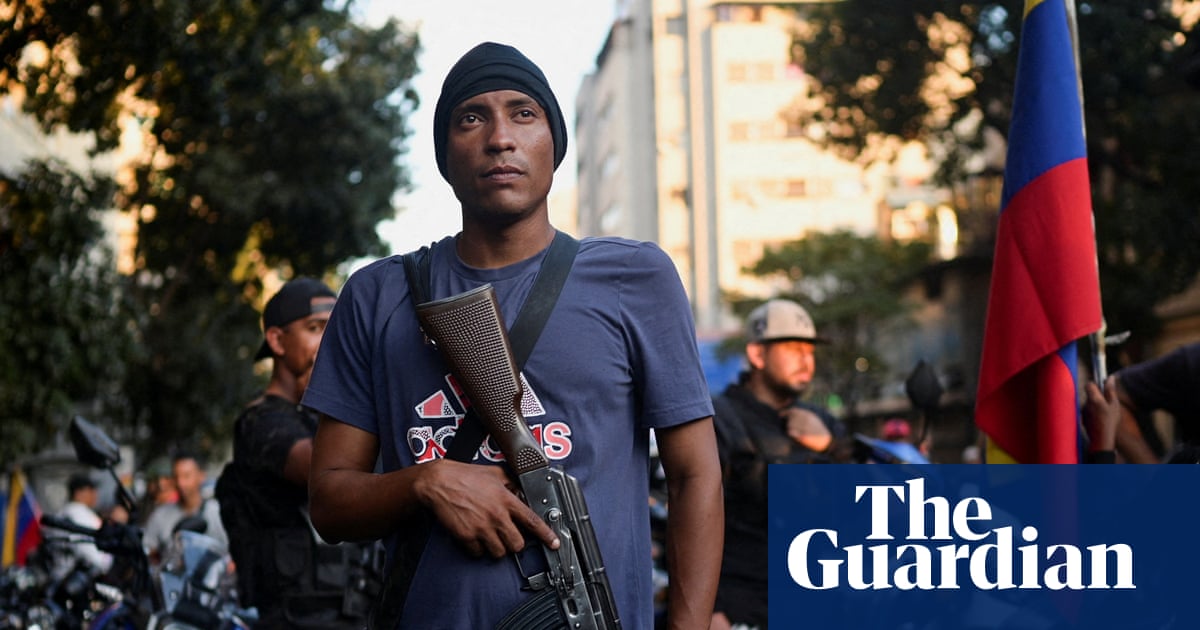
2 months agoExiled Venezuelans dream of returning home. What's stopping them?
For years, Luis Peche, a 31-year-old political consultant, dreamed of a Venezuela without its leader, Nicolas Maduro. Living under Maduro's rule, Peche saw friends flee the country for fear of hunger and repression. Others were imprisoned for their activism. Then, in May 2025, Peche himself was forced into exile after being tipped off that security forces were preparing to arrest him. He has lived in Colombia ever since.
World news
fromwww.dw.com
2 months agoBurkina Faso junta dissolves all political parties
"The government believes that the proliferation of political parties has led to abuses, fuelled divisions among citizens and weakened the social fabric," it said. A bill scrapping party statutes, financing rules and the post of opposition leader will be sent to the transitional council, according to cabinet minutes. All assets of the dissolved parties will be transferred to the state. Before the coup, Burkina Faso had more than 100 registered political parties, with 15 holding seats in parliament after the 2020 election.
World news
LGBT
fromAdvocate.com
2 months ago'We keep us safe': Thousands of LGBTQ+ activists and organizers gathered in D.C. for equality
About 2,000 LGBTQ+ activists convened in Washington, D.C., to build mutual safety, strengthen movement infrastructure, and resist intensifying political repression and disinformation.
Soccer (FIFA)
fromwww.theguardian.com
2 months agoIran football great Ali Karimi leads call for Infantino to speak up on protest deaths
Prominent Iranian football figures urge FIFA to condemn killings, arrests, and threats against Iranian footballers amid reported nationwide repression and mass casualties.


fromwww.theguardian.com
3 months agoUgandans to vote in election expected to extend Museveni's four-decade rule
Ugandans are preparing to vote in an election that is expected to result in Yoweri Museveni extending his nearly four-decade grip on power in the east African country, after a campaign beset by violence. Security forces have frequently clamped down on supporters of Museveni's main opponent, Bobi Wine, by teargassing and shooting bullets at events and detaining people. Authorities have also arrested civil society members and suspended rights groups.
World news
fromwww.aljazeera.com
3 months agoThousands of forced disappearances under Hasina rule in Bangladesh: Inquiry
A new report by the Commission of Inquiry on Enforced Disappearances on Sunday said a total of 1,913 complaints were filed with it over disappearances, of which 1,569 were considered to have disappeared by definition after verification selection. list of 3 itemsend of list Among these, 287 allegations have fallen in the Missing and Dead' category, the report, which was posted on Facebook by Bangladesh's Chief Adviser Muhammad Yunus, read.
World news
fromwww.theguardian.com
3 months agoAlaa Abd el-Fattah's tweets were wrong, but he is no anti-white Islamist'. Why does the British right want you to believe he is? | Naomi Klein
Alaa Abd el-Fattah came to global attention because he was a leading figure in the 2011 pro-democracy revolution that turned Cairo's Tahrir Square into a surging sea of young people. The demonstrators chanted Down with corruption, Down with autocracy and Down with dictators. When the uprising succeeded in toppling Egypt's dictator Hosni Mubarak, the world rejoiced, including Europe and North America. Abd el-Fattah was all over the media, a voice for the part of the movement that was committed to building an accountable, participatory democracy
World news



fromRadioFreeEurope/RadioLiberty
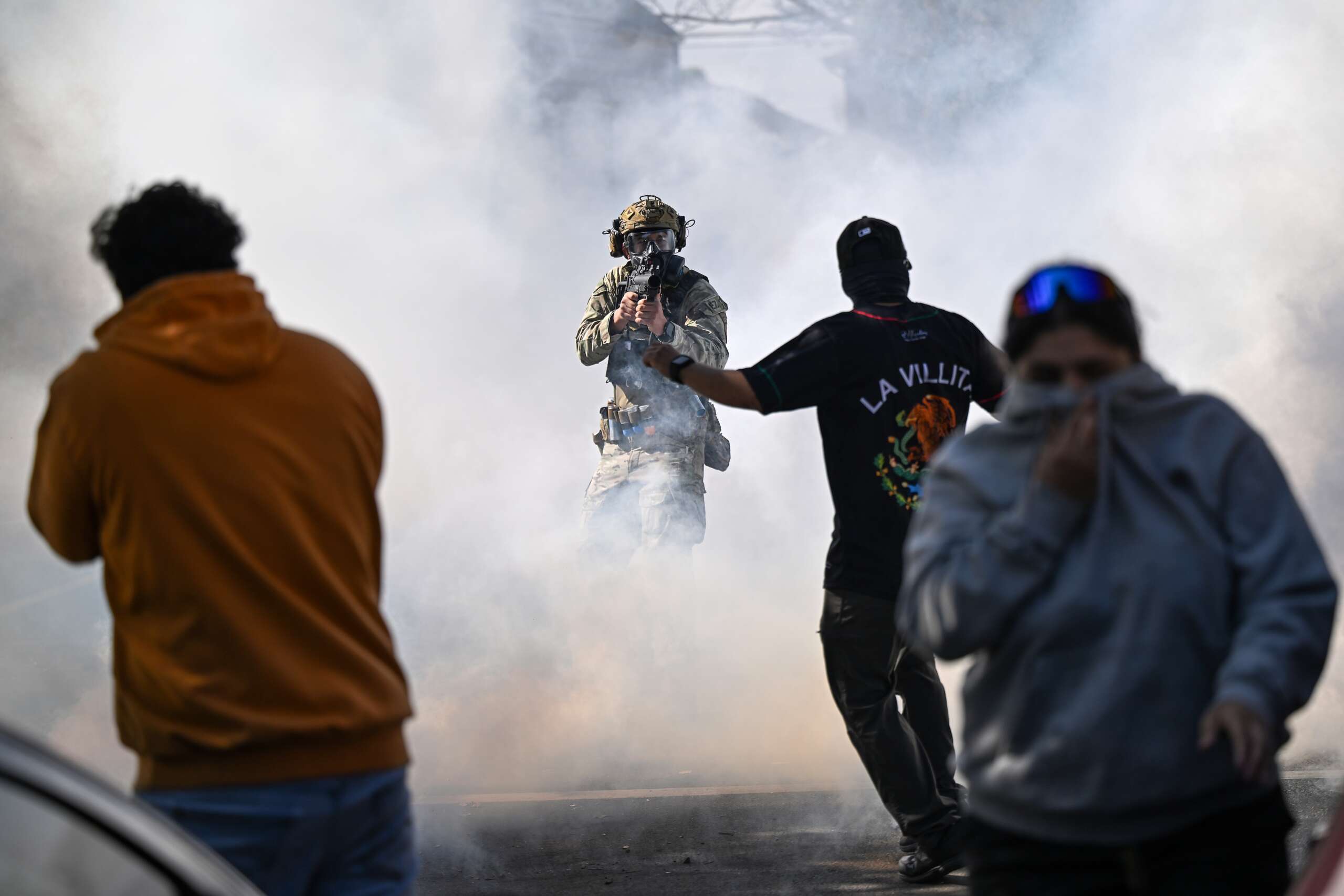
4 months agoLeading Azerbaijani Opposition Figure Missing After Raids By Security Services
Ali Karimli's whereabouts were unclear on November 30, a day after the raid on his Baku home, according to the Popular Front Party. Other officials with the party, known as AXCP, also reported their residences searched and had also gone missing. Turan Ibrahim, whose father Mammad serves as a member of the party's presidium, said in a post on Facebook that more than a dozen security agents searched his father's house, seizing his phone and computer and took him to undisclosed locations.
World news
fromwww.theguardian.com
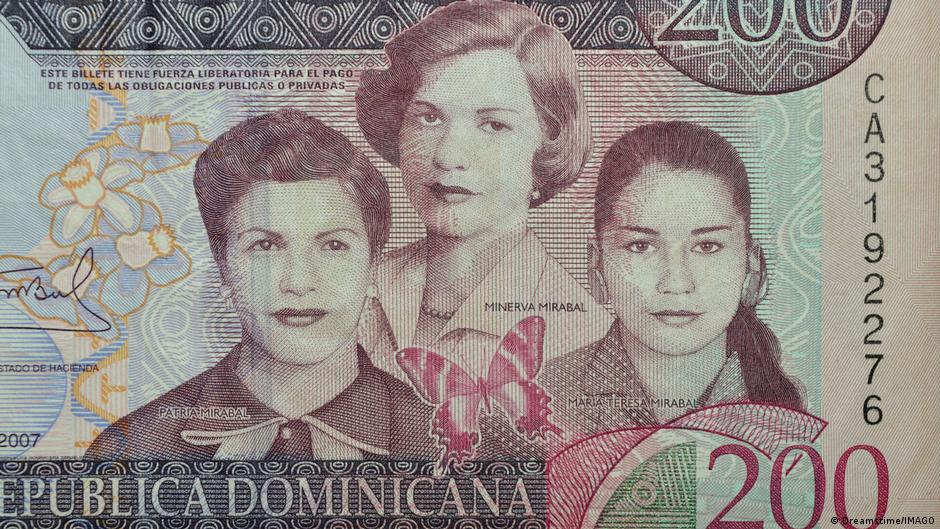
5 months agoAfD hails US ban on European leftwing groups as historians fear anti-fascist crackdown
The US state department announced on Thursday that the ban would apply to Germany's Antifa Ost, an anti-fascist group whose members have been prosecuted by German authorities for attacks on far-right figures; Italy's International Revolutionary Front, which sent explosive packages to the then president of the European Commission in 2003; and two organisations accused of planting bombs in Greece: Armed Proletarian Justice and Revolutionary Class Self Defense.
Miscellaneous
US politics
fromWIRED
5 months agoAn Anarchist's Conviction Offers a Grim Foreshadowing of Trump's War on the 'Left'
Federal prosecution treated Casey Goonan's campus and federal-building arson as terrorism-linked, resulting in a 19.5-year sentence and signaling broader DOJ targeting of leftist activists under NSPM-7.



fromwww.dw.com
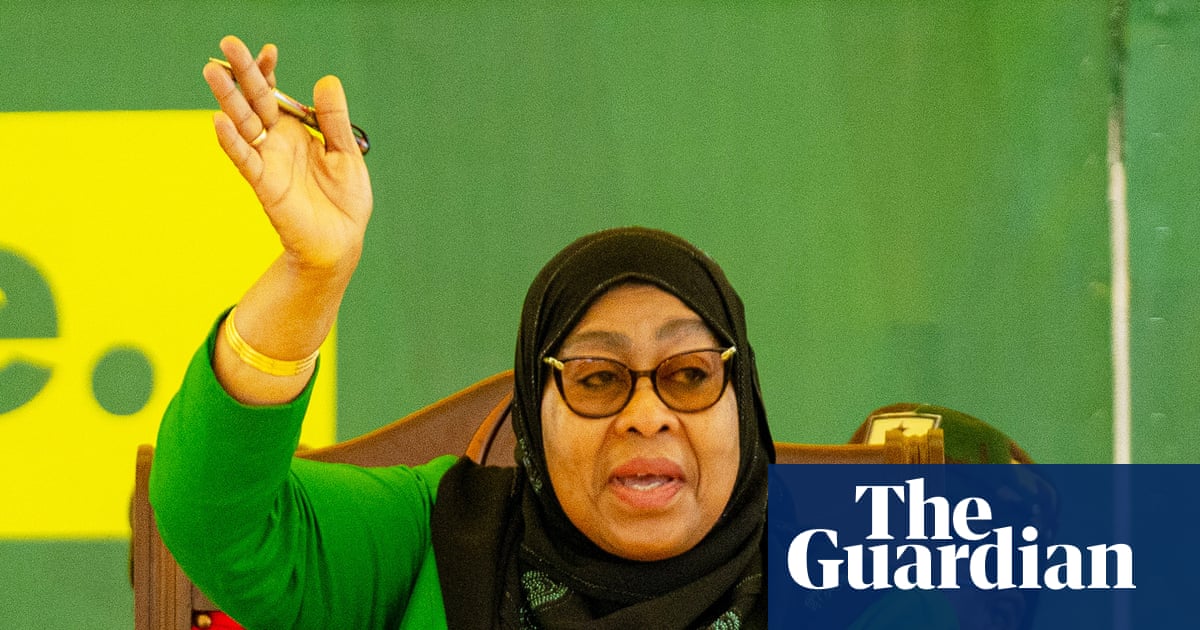
6 months agoGeorgia's government clamps down after Tbiilisi unrest DW 10/10/2025
Georgia's Interior Ministry has announced the arrest of 13 people in conjunction with anti-government protests following elections in the capital, Tbilisi, on October 4. The five organizers of the rally had already been arrested and accused of attempting to overthrow the government and violence against the state and law enforcement. The ruling Georgian Dream party claimed that the unrest was a coup attempt, and Prime Minister Irakli Kobakhidze warned that people who engaged in clashes with the police would be prosecuted.
Miscellaneous
Social justice
fromNon Profit News | Nonprofit Quarterly
6 months agoDeploying Capital Power to Defend and Build Movements - Non Profit News | Nonprofit Quarterly
Progressive movements face coordinated attacks on funding and infrastructure, requiring catalytic investments to defend and rebuild community-led, high-risk transformational models.
fromwww.dw.com
6 months agoThai hitman gets life in jail for killing Cambodian ex-MP DW 10/03/2025
The Thai defendant, who was arrested in Cambodia the day after the shooting, had faced a potential death sentence for the premeditated murder but his sentence was commuted to life as he confessed. Who was Lim Kimya? Kimya, 74, was a dual Cambodian and French citizen and a member of the Cambodia National Rescue Party (CNRP) from 2013 to 2017.
World news
[ Load more ]