#premier-league-spending
#premier-league-spending
[ follow ]
#premier-league #football #transfer-news #liverpool #arsenal #barcelona #manchester-united #manchester-city
#manchester-united
Manchester United
fromwww.caughtoffside.com
8 hours agoManchester United target Aurelien Tchouameni as Real Madrid consider summer sale
Manchester United targets Aurelien Tchouameni as a replacement for Casemiro amid competition from other clubs.
Manchester United
fromwww.caughtoffside.com
19 hours agoJust In: Premier League youngster making waves this season wants Man United move
Manchester United targets Bournemouth's Eli Junior Kroupi for summer transfer amid squad overhaul plans.
Manchester United
fromwww.caughtoffside.com
2 days ago100m bid prepared: Man United ready to beat Liverpool & Arsenal to attacker transfer
Manchester United is preparing a £100m bid for Newcastle winger Anthony Gordon amid speculation about his future and interest from other clubs.
#liverpool
Liverpool FC
fromwww.fourfourtwo.com
12 hours agoLiverpool looking to replace 2025 summer signing after just a year: report
Liverpool's summer signings in 2025 have underperformed, leading to disappointment and potential changes in their squad strategy.
fromSoccer News
9 hours agoReal Madrid
"I'm sure there's a few Liverpool not in talks with Alexis McAllister over a new deallayers who will be moving on from Liverpool this summer. "Alexis McAllister, there's been suggestions that he could move on as well, his future is not certain. "There's been no contract talks held with him over a new deal, that hasn't progressed at all, and there is ongoing talk of interest from Real Madrid. "There's uncertainty about a few players in that Liverpool squad, not just him, and it looks like it could be another


Real Madrid
fromSoccer News
9 hours ago"I'm sure there's a few Liverpool not in talks with Alexis McAllister over a new deallayers who will be moving on from Liverpool this summer. "Alexis McAllister, there's been suggestions that he could move on as well, his future is not certain. "There's been no contract talks held with him over a new deal, that hasn't progressed at all, and there is ongoing talk of interest from Real Madrid. "There's uncertainty about a few players in that Liverpool squad, not just him, and it looks like it could be another
Liverpool is not in talks with Alexis McAllister regarding a new contract.
#tottenham
English Premier League
fromwww.bbc.com
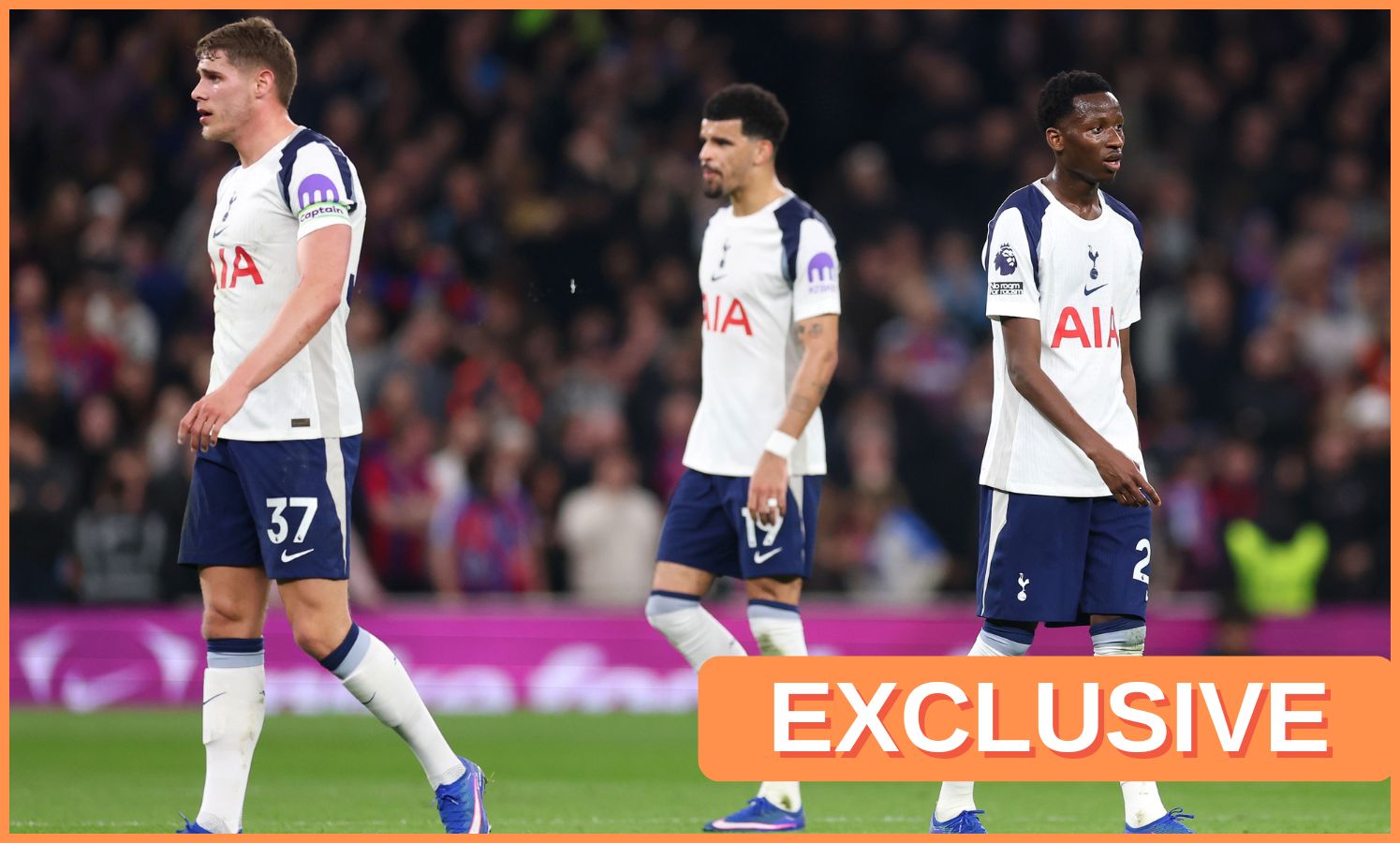
5 hours agoSpurs lifeline or good step for West Ham - who's favourite for drop?
Tottenham remains two points from safety after a draw with Brighton, while West Ham's draw prevents them from capitalizing on Spurs' struggles.
#arsenal
Arsenal
fromwww.caughtoffside.com
19 hours agoArsenal are ready to invest big money in world class attacker as Arteta eyes more signings
Arsenal aims to strengthen their attack by pursuing Julian Alvarez, facing competition from Barcelona for the versatile forward's signature.
Manchester City
fromwww.theguardian.com
14 hours agoArsenal are despondent, but the Premier League race is far from over | Jonathan Wilson
Arsenal's strong performance was overshadowed by a defeat that favored Manchester City in the title race, leaving both teams with crucial upcoming matches.

#ibrahima-konate
Liverpool FC
from101GREATGOALS.COM
14 hours agoLiverpool defender makes revelation over future as contract winds down
Ibrahima Konate is close to signing a new contract with Liverpool, aiming to remain at the club despite a challenging season.


#tottenham-hotspur
English Premier League
fromESPN.com
1 month agoRanked: The 10 worst Premier League teams, relative to spending
Tottenham Hotspur faces genuine relegation risk with nine games remaining, despite being the ninth-richest soccer club globally, challenging the notion that elite Premier League clubs are too big to fail.
English Premier League
fromwww.theguardian.com
1 month agoPremier League set to amend spending rules to give clubs more flexibility for transfers
The Premier League will amend its squad cost ratio rules to allow clubs to roll over up to 10% of unspent allowances over two seasons, enabling greater spending flexibility in the third year.
[ Load more ]