#presidential-busts
#presidential-busts
[ follow ]




fromThe Art Newspaper - International art news and events
1 week agoArt Institute of Chicago's first Norman Rockwell acquisition is a home run
The Dugout is the largest and most elaborate study in oil that Rockwell made for one of his most recognisable Saturday Evening Post covers. The image is partly credited with popularising the team's reputation as the 'lovable losers.'
Arts



fromFast Company
1 month agoAnother Trump-Epstein statue pops up on the National Mall
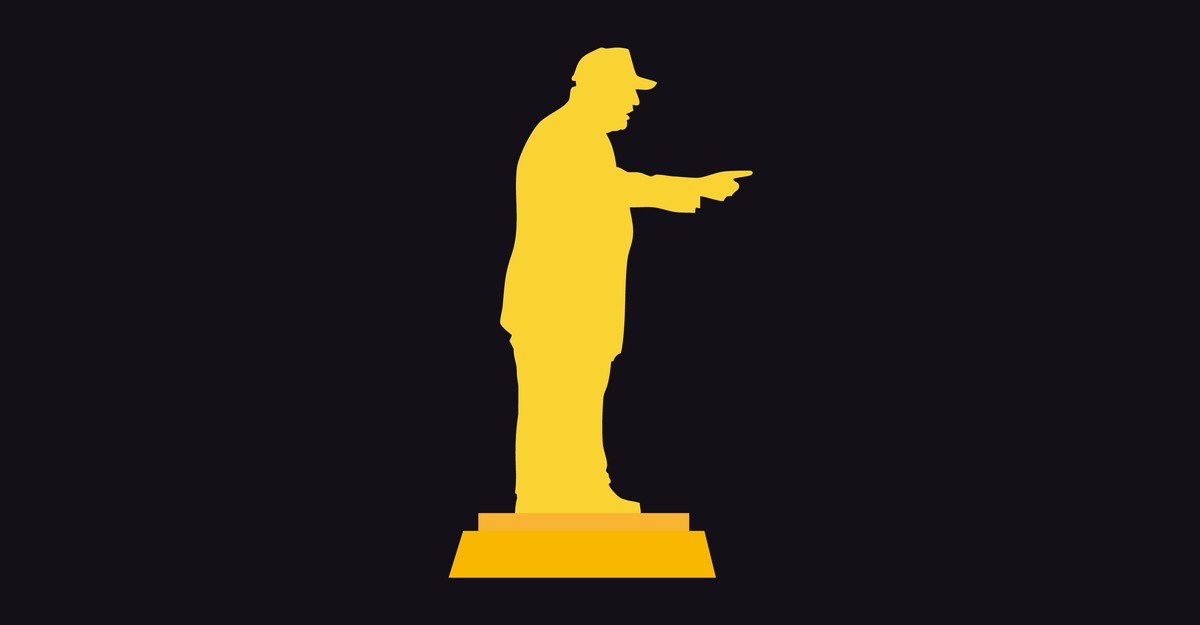
The tragic love story between Jack and Rose was built on luxurious travel, raucous parties, and secret nude sketches. This monument honors the bond between Donald Trump and Jeffrey Epstein, a friendship seemingly built on luxurious travel, raucous parties, and secret nude sketches.
NYC LGBT
History
fromFortune
1 month agoThe U.S. Mint just dropped the olive branch from the dime. What does that mean for the country? | Fortune
The U.S. Mint's 250th anniversary dime redesign omits the olive branch from the Great Seal, removing a founding symbol of peace preference that balanced the arrows of war.
Design
fromdesignboom | architecture & design magazine
3 months agowatch snhetta's theodore roosevelt presidential library take shape in north dakota
A rammed-earth, regenerative library with a native living green roof is rising above North Dakota’s Badlands, aiming for carbon neutrality and opening July 4, 2026.
fromThe Atlantic
2 months agoThe Real Fight for the Smithsonian
"The object of the Museum is to acquire power," announces a crusty old archaeologist in Penelope Fitzgerald's 1977 satire, The Golden Child. It isn't a goal he respects. He wants the museum where he's settled into semiretirement to genuinely devote itself to educating its visitors. Instead, he correctly charges, its curators act like a pack of Gollums, hoarding "the art and treasures of the earth" for their own self-aggrandizement and pleasure.
Books
fromThe Washington Post
2 months agoWhat 42 massive and decaying presidential heads say about America
She'd pulled on rain boots, driven about an hour and trudged through the mud of what her tour guide called "an industrial dump" early Saturday with dozens of other tourists to see "The Presidents Heads," a private collection of every ex-POTUS's sculpted likeness from Washington to George W. Bush. They're arranged in haphazard rows, with Andrew Jackson occupying a prime front spot simply because the owner likes his hair. The vibe is Stonehenge-meets-"The Walking Dead."
US news
fromFast Company
1 month agoTrump's design appointee wants to change the White House columns to be more ornate
Corinthian is the highest order [of column], and that's what our other two branches of government have. Why the White House didn't originally use them, at least on the north front, which is considered the front door, is beyond me.
Washington DC
fromPsychology Today
2 months agoPresidential Words for Presidents Day
From George Washington's first presidential "administration" to Donald Trump's promises to cut taxes "bigly," U.S. presidents have played a big role in shaping the direction of the country, including the words we use to talk about everything from national politics to everyday objects and actions.
US politics
Washington DC
fromThe Atlantic
1 month agoThe Wrecking of the Kennedy Center
Ric Grenell's departure from the Kennedy Center after 13 months ends a controversial period, with facilities expert Matt Floca replacing him as Trump continues his planned two-year renovation and restructuring of the institution.
fromSmithsonian Magazine
2 months agoCommemorate Presidents' Day With 15 Images That Celebrate the Founding Fathers
Observed on February 22, George Washington's birthday, Presidents' Day became a holiday in 1885. In 1971, the day evolved to recognize all presidents, namely Abraham Lincoln, who was born on February 12. Still a federal holiday 140 years later, Presidents' Day is a time to reflect on the nation's leaders, who have shaped life for its citizens and affected the world in immeasurable ways-for better or worse.
Washington DC
fromwww.theguardian.com
1 month agoNew satirical statue depicts Trump and Epstein as doomed lovers from Titanic
Anonymous guerrilla art collective The Secret Handshake installed a 12-foot golden statue on the National Mall depicting Trump and Epstein as Titanic lovers, part of ongoing public interventions keeping Epstein-related allegations visible.
History
fromSmithsonian Magazine
1 month agoHow to Fit 250 Years of American History and Culture Into One Map
Smithsonian magazine celebrates America's 250th birthday with an interactive map featuring 250 notable places across ten categories, while historians contextualize this anniversary amid current domestic challenges.
Washington DC
fromFast Company
1 month agoRepublics didn't install a Jan. 6 plaque because of a 'design problem.' A simple workaround fixed it
A commemorative plaque honoring Capitol police officers from January 6 remained uninstalled for nearly four years due to partisan disputes, finally being placed in a restricted hallway with a QR code in March 2026.
fromHyperallergic
2 months agoTrump Targets New Deal-Era Art
As the administration continues its attacks on culture, the president is targeting a building near the National Mall with several remarkable New Deal-era murals about social security, which remain as relevant as the day they were painted. Reporter Aaron Short brings us inside the fight to save this gem of a building, which a new petition describes as a "Sistine Chapel" of artworks centering working-class communities that the government abandoned during the Great Depression (and continues to neglect today).
Arts

US politics
fromLGBTQ Nation
6 months ago12-foot gold statue of Donald Trump erected in DC: "Remember God killed people for doing this" - LGBTQ Nation
A 12-foot gold statue of Donald Trump holding a Bitcoin was installed near the U.S. Capitol by cryptocurrency investors and drew widespread social media criticism.
fromArtnet News
2 months agoWhy Collectors Are Clamoring for Frederic Remington's Cowboy Art | Artnet News
Known for his romanticized depictions of the American West, the wildly successful 19th-century painter and sculptor captured cowboy culture in its nascency, helping to etch its ethos of rugged individualism into the American psyche. This nocturne, created toward the end of this career, represented a shift in his style from narrative depictions of frontier battles to more atmospheric renderings of the North American landscape.
Arts

fromArtnet News
1 month agoA Washington Relic, Royal 'Diamond'-and Other Collectibles Up for Grabs
The snippet carries the phrase "Fathers of the Senate!" which is nowhere found in surviving Washington documents. The expression is borrowed from ancient Roman Senate-specifically the Latin patres conscripti , or "Conscript Fathers"-and quite possibly wasn't the patrician tone Washington intended to set for a young republic. It is unknown why or how it was used in this case as the manuscript from which the fragment was cut is long lost.
Arts
Arts
fromThe Art Newspaper - International art news and events
1 month agoArchitect Edwin Lutyens's bust removed from Indian president's house as government reshapes nation's image
India's president removed Edwin Lutyens's bust from Rashtrapati Bhavan, replacing it with a statue of Chakravarti Rajagopalachari to distance the nation from colonial architectural legacy.
Washington DC
fromwww.nytimes.com
1 month agoHow President Trump's Image Permeates the White House and Beyond
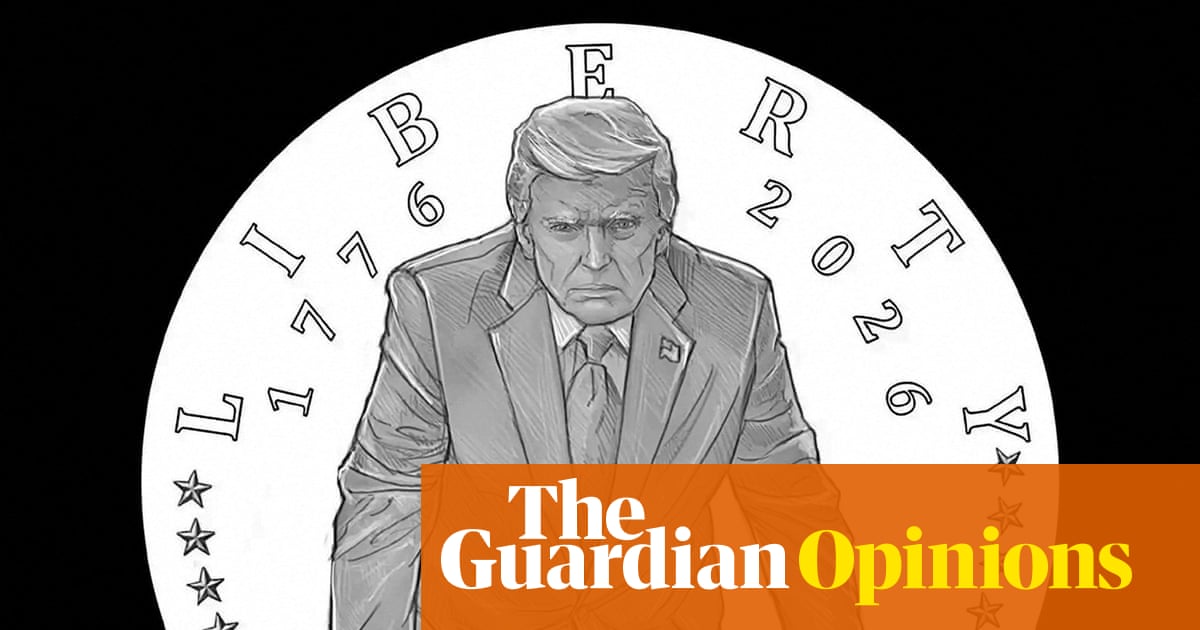
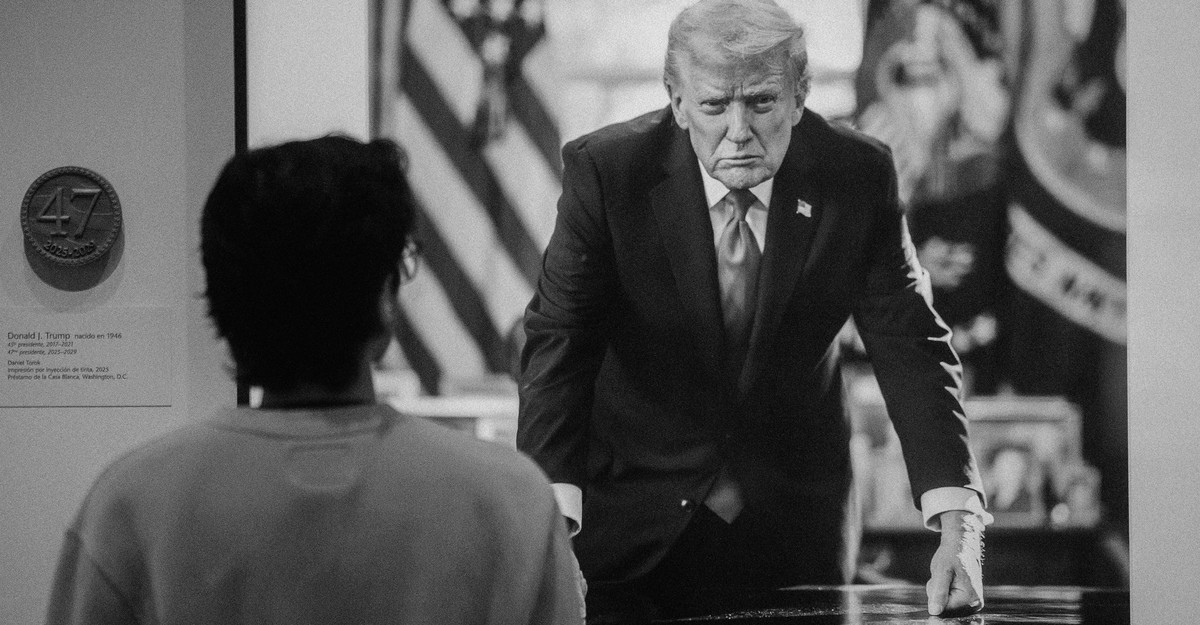
President Trump has significantly increased displays of his own image throughout the White House, including paintings, posters, and mugshots, marking a departure from typical presidential art curation practices.
[ Load more ]