At first glance, the GIA looks like it time-traveled from a 1960s Italian design studio, stopped briefly in 2026 to pick up some modern tech, and landed on your desk with a personality. The inspiration comes from Olivetti typewriters, those gorgeous mechanical machines that made office work feel like an art form. Remember when tools had character? When objects didn't just function but made you feel something? That's what Bedrina is tapping into here.
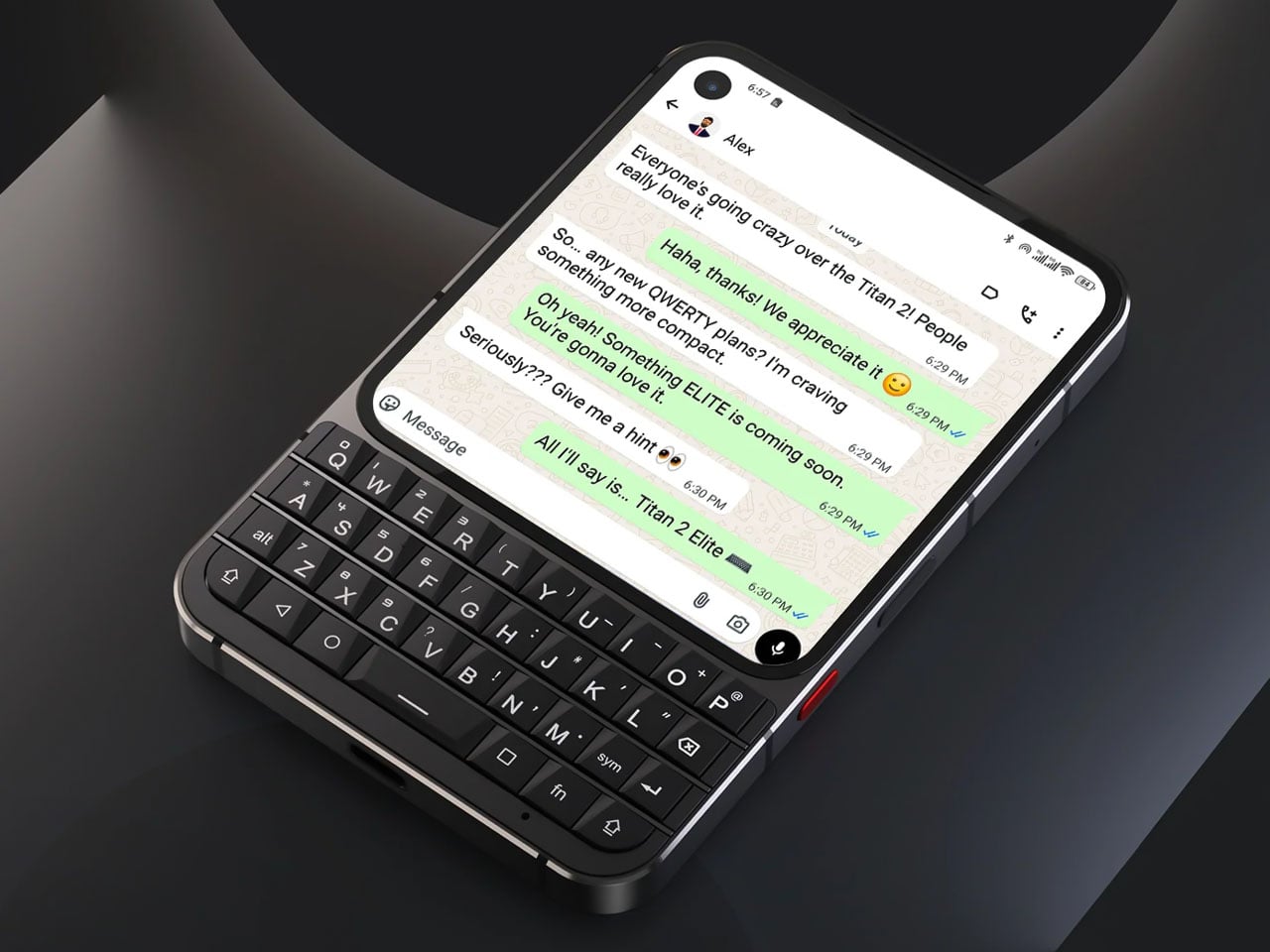
The Titan 2 Elite feels light in the hand and eminently pocketable. There's a programable key on the side as well as a physical SIM slot. Sadly, there is no headphone jack, which was disappointing after I mistook the IR control for one at first glance.
Keyboard shortcuts have been a staple feature in Windows for decades, but most users only know the basics. At first glance, they don't seem all that useful since you can also do these actions with your mouse, but I challenge you to try them over the course of a workday; I bet you'll notice a boost in productivity.
Naya, the brand that makes split keyboards and out-of-the-box computing accessories, just announced the latest product in its lineup: a low-profile modular keyboard it's calling the Naya Connect. After launching on Kickstarter, Naya told me the plan is to list the device on the brand's official website once the crowdfunding had met its numbers. Naya's previous Create product -- its modular split keyboard -- was funded this same way and became available on the site after being crowdfunded.
With a cultlike following and a fairly simple construction, it can be easy to assume that these keyboards aren't worth the high price-and they aren't for most people. However, the HHKB brings something unique to the table: A design that has been refined over the years, creating an out-of-the-box experience that can't be improved. In an age of planned obsolescence and enshittification, a mechanical keyboard like this is hard to find.
Tech moves fast, breaks things, ships updates, iterates. The entire industry is built on the assumption that this year's product will be obsolete by next year, and that's fine because next year's version will be better anyway. Then you see someone in Fukui Prefecture spending twenty minutes hand-sanding a single wooden keyboard key, checking it by touch, and the whole paradigm feels suddenly optional.
As simple as it might sound, getting a wireless mouse design right is not a simple task. The number of variables involved due to hand shapes, finger sizes, and the preferred hand for operating the accessory makes it impossible to design a mouse that suits all.