Medicine
fromPsychology Today
4 hours agoHow Cognitive and Social Forces Shape Medical Decisions
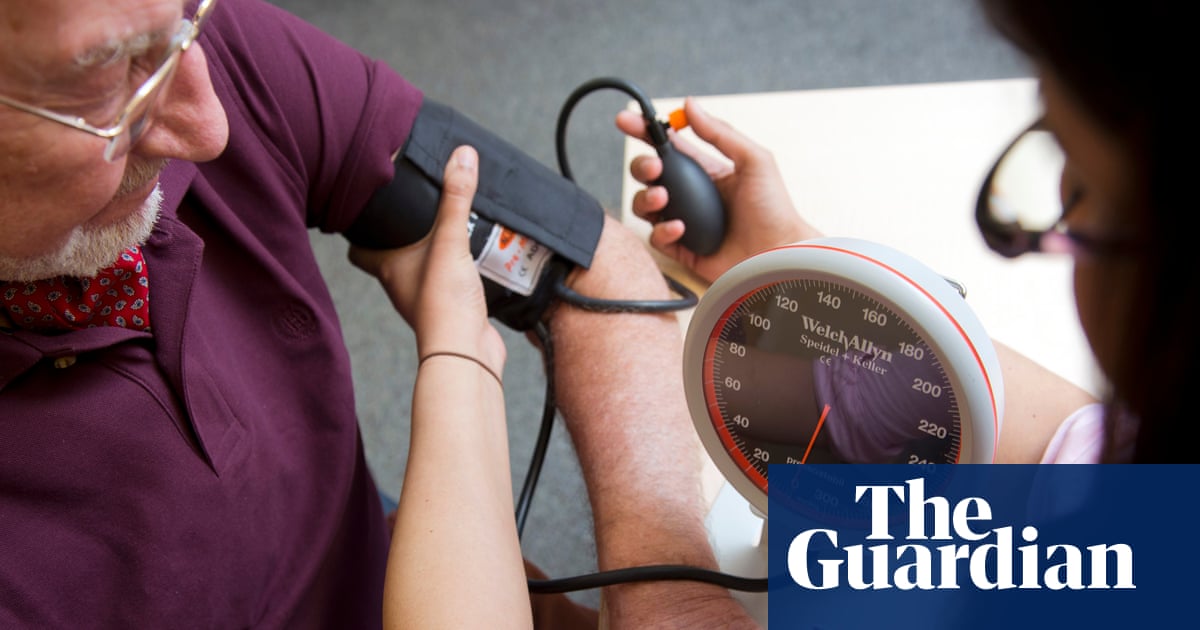
Medical decisions are influenced by how options are framed, presented, and the dynamics of the situation.
Naturalization is often the best, most logical path forward for those without the necessary family ties or funds. It involves living legally in the country for a set number of years, demonstrating familiarity with the language, and sometimes passing a test on history, culture, and the political system.
NACIQI members expressed that the accreditor had 'fundamentally compromised its integrity as a reliable authority on education quality by officially citing student demographics as justification for substandard program outcomes.'
The HIV ward, the scene of graphically ill patients when I was training, is long closed because it's no longer needed in most rich countries. When my young neighbour had a stroke, doctors cleverly retrieved the clot suffocating his artery, not just saving his life but also returning it to its full potential.
Psychotherapy and counselling psychology, however, did not emerge from institutional logic. The field was forged within relational, psychoanalytic, and depth-oriented traditions that prioritize lived experience, symbolic meaning, cultural complexity, and human nuance over procedural standardization. Bureaucracy seeks predictability, yet psychotherapy was built upon a disciplined engagement with uncertainty.
Doctors who have done their medical studies in an EU or EEA country can have their professional qualifications recognised in France - but since Brexit that no longer includes the UK. British-trained doctors must now follow the lengthy, complicated and expensive process of all non-EU medics who wish to practise in France - the 'autorisation individuelle d'exercice', which involves up to two years of hospital training and retaking exams to prove their skills.
At its best, police education and training prepare law enforcement officers with the knowledge and skills-including principles of constitutional law, active listening and verbal de-escalation techniques, implicit bias awareness, how to recognize signs of mental illness or substance abuse, use of force standards, and ethical decision-making and professional conduct-that they will need to protect and serve the public as safely and effectively as possible.
A GP accused of professional misconduct over his criticism of Covid-19 vaccines and other pandemic measures has told a medical inquiry that believed he could adhere to public health guidelines in his medical practice while still challenging them on social media.
The directive goes even further, ordering any public health worker who owns or partly owns a private facility to divest within 30 days or face dismissal and possible legal action. The move follows the publication of an investigative report by the Nyasa Times newspaper that uncovered a coordinated system of corruption documented across multiple public hospitals, where patients were routinely forced to pay illegal 'fees' for services that should be free.
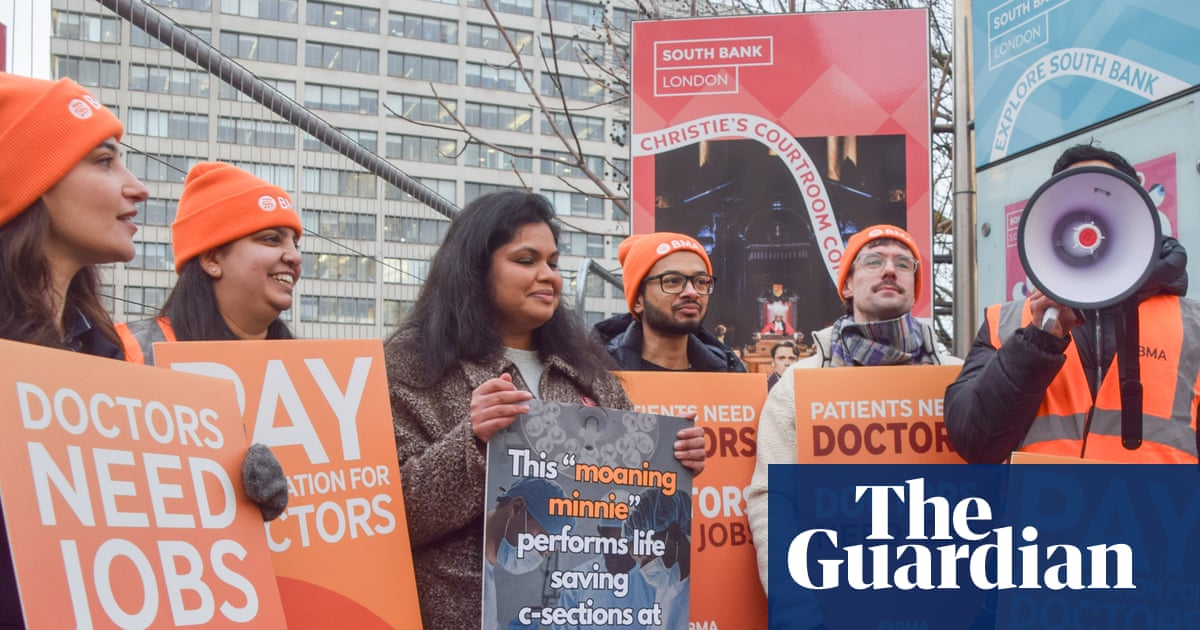
Nearly 7,000 Irish medical professionals are now registered to work in Australia, sparking concerns about the impact on the Irish health service as the number seeking a better working life down under has risen by 86pc in six years.
Between March 2020 and March 2022, over 100 million telemedicine services were delivered to approximately 17 million Australians. The Australian government invested $409 million to make telehealth permanent, whilst the UK announced £600 million for digital health infrastructure in April 2025. Patient adoption is equally impressive: 60% find telemedicine more convenient than in-person appointments, 55% report higher satisfaction with teleconsultations, and 74% of millennials prefer virtual appointments for routine care. These aren't temporary shifts; they represent a fundamental transformation in healthcare delivery.
As Theresa Defino recently reported, HHS OCR will prioritize risk assessments and expand its investigations into risk management in 2026. Alisa Chestler and Layna Cook Rush of Baker Donelson have summarized some recent recommendations from HHS OCR's January 2026 Cybersecurity Newsletter that regulated entities may want to pay increased attention to at this point: Patching Is a Required Risk Management Activity Legacy Systems and Unpatchable Vulnerabilities Are Not Excuses Unnecessary Software and Default Accounts Create Hidden Risk