#right-to-repair
#right-to-repair
[ follow ]
#legislation #consumer-advocacy #repairability #consumer-rights #e-waste #defense-contractors #colorado


fromWIRED
3 weeks agoJohn Deere Is Paying Farmers $99 Million for Allegedly Monopolizing Repair
John Deere has kept tight control over how its customers can fix or tinker with its equipment by disallowing access via software restrictions or requiring machines to be brought to approved shops for repair. That has left thousands of farmers to deal with delayed harvests and millions of dollars in lost profits while waiting for an approved fix.
Intellectual property law
fromThe Verge
1 month agoJohn Deere, Garmin, and Philips may have undermined military right to repair
Companies such as John Deere, Garmin, and Philips have collectively spent millions on lobbying efforts related to the National Defense Authorization Act, particularly concerning repair issues.
SF politics
fromYanko Design - Modern Industrial Design News
1 month agoThe Brax open_slate is a modular tablet that lets you actually own what you buy - Yanko Design
Inside the chassis sits an M.2 2280 slot, a standard used in laptops and desktops, allowing owners to swap in faster storage, add capacity, or eventually slot in a network card. There's also a user-replaceable battery, which sounds mundane until you consider how few tablet makers have bothered to include one in years.
Gadgets



Apple
fromMedium
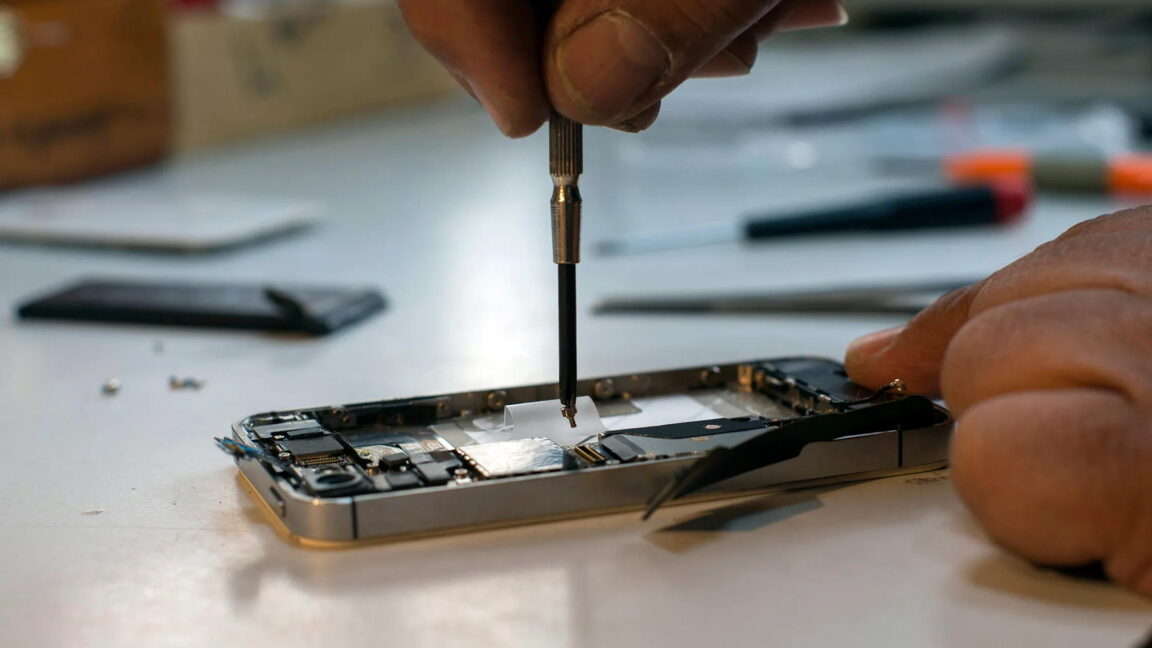
3 months agoWhy you can't fix your iPhone, and how the entire tech industry learned to profit from it
Phone makers stagger frequent models, enforce long contracts, limit repairs, and sometimes throttle older devices — practices that can accelerate perceived obsolescence and push replacements.
fromThe Verge
3 months agoMeet the new tech laws of 2026
As usual, 2025 was a year of deep congressional dysfunction in the US. But state legislatures were passing laws that govern everything from AI to social media to the right to repair. Many of these laws, alongside rules passed in past years, take effect in 2026 - either right now or in the coming months. As of January 1st, Americans should have the right to crypto ATM refunds in Colorado, wide-ranging electronics repairs in Colorado and Washington, and AI system transparency in California, among other things.
US politics
fromElectronic Frontier Foundation
4 months agoStates Take On Tough Tech Policy Battles: 2025 in Review
Washington became the eighth state to enshrine the right to repair. Several states stepped up to protect the privacy of location data, with bills recognizing your location data isn't just a pin on a map-it's a powerful tool that reveals far more than most people realize. Other state legislators moved to protect health privacy. And California passed a law making it easier for people to exercise their privacy rights under the state's consumer data privacy law.
Privacy professionals


fromGSMArena.com
4 months agoSamsung Galaxy XR teardown reveals a very interesting construction
Samsung launched the Galaxy XR headset back in October, and today the repairability experts over at iFixit have taken one apart, revealing its innards for us all to see in the video embedded below. The Galaxy XR is lighter than Apple's Vision Pro, and has magnetic face cushions and light seals. The headset's entry point is from the front, so the plastic shell needs to be removed first.
Mobile UX
fromYanko Design - Modern Industrial Design News
4 months agoStudent Team Builds Modular EV You Can Actually Repair Yourself - Yanko Design
A student team in the Netherlands decided that design logic works against long-term sustainability and affordability, so they built ARIA, a compact electric city car that treats owner repair as a core feature rather than an afterthought. The bright blue prototype with its upward-opening doors represents the tenth vehicle from TU/ecomotive at Eindhoven University of Technology, and it carries a philosophy that feels almost countercultural in 2025: if you own it, you should be able to fix it.
Cars

fromBikeMag
5 months agoDitch Bad Shifting and Broken Derailleurs for This Repairable Alternative
If you know me, you know I love aftermarket components that honor the right to repair, and there has been a recent boom in brands offering derailleur solutions beyond the big names in the industry (SRAM and Shimano). While there's nothing wrong with the OEM, having a more serviceable and repairable derailleur is very welcome, since 1x derailleurs (MTB derailleurs in particular) can be so finicky when they take a lot of abuse.
Bicycling


fromWIRED
6 months agoNeed Something Repaired? Now There's an App for That
Through lobbying efforts and consumer advocacy campaigns, right to repair folks argue that when somebody buys a piece of technology, they should have the legal right to fix it, replace broken parts, or upgrade it using services, tools, and replacement parts accessed on the open market.
Gadgets


fromiRunFar
8 months agoRepairing Your GPS Watch: Current Options from Coros, Garmin, and Suunto
Buying a GPS watch isn't a casual purchase. Most runners are dropping somewhere between $300 and $800 on a device they expect to last years. At that price, you're not just paying for battery life or training metrics. You're buying into a promise of reliability, toughness, and support if something goes sideways. But when things do break - and they do - the story often falls apart. Cracked screens. Busted buttons. Dead batteries. None of these issues should mean a watch is done for,
Wearables


[ Load more ]