#route-expansion
#route-expansion
[ follow ]
#transportation #infrastructure #last-mile-delivery #new-york-city #public-transportation #urban-logistics
fromSustainable Bus
9 hours agoMarket, policy and operations in focus for zero-emission intercity buses, at Sustainable Bus Tour session in Bus2Bus - Sustainable Bus
Intercity bus transport in Europe is characterized by a fragmented operator landscape, including a high number of small and medium-sized companies, alongside less standardized operational patterns and frequent dual-use vehicle profiles.
Alternative transportation

London startup
fromLondon Business News | Londonlovesbusiness.com
4 days agoHow digital technology is making road freight operations more efficient - London Business News | Londonlovesbusiness.com
Digital technologies enhance operational efficiency and transparency in UK logistics, addressing rising costs and customer expectations.
#transportation


SF politics
fromStreetsblog USA
6 days ago"Why Do We Do This Bill?": Preparing Congressional Staff for Surface Transportation Reauthorization - Streetsblog USA
Federal surface transportation reauthorization lacks institutional knowledge, leading to skepticism about its effectiveness and the need for reevaluation.
Alternative transportation
fromStreetsblog San Francisco
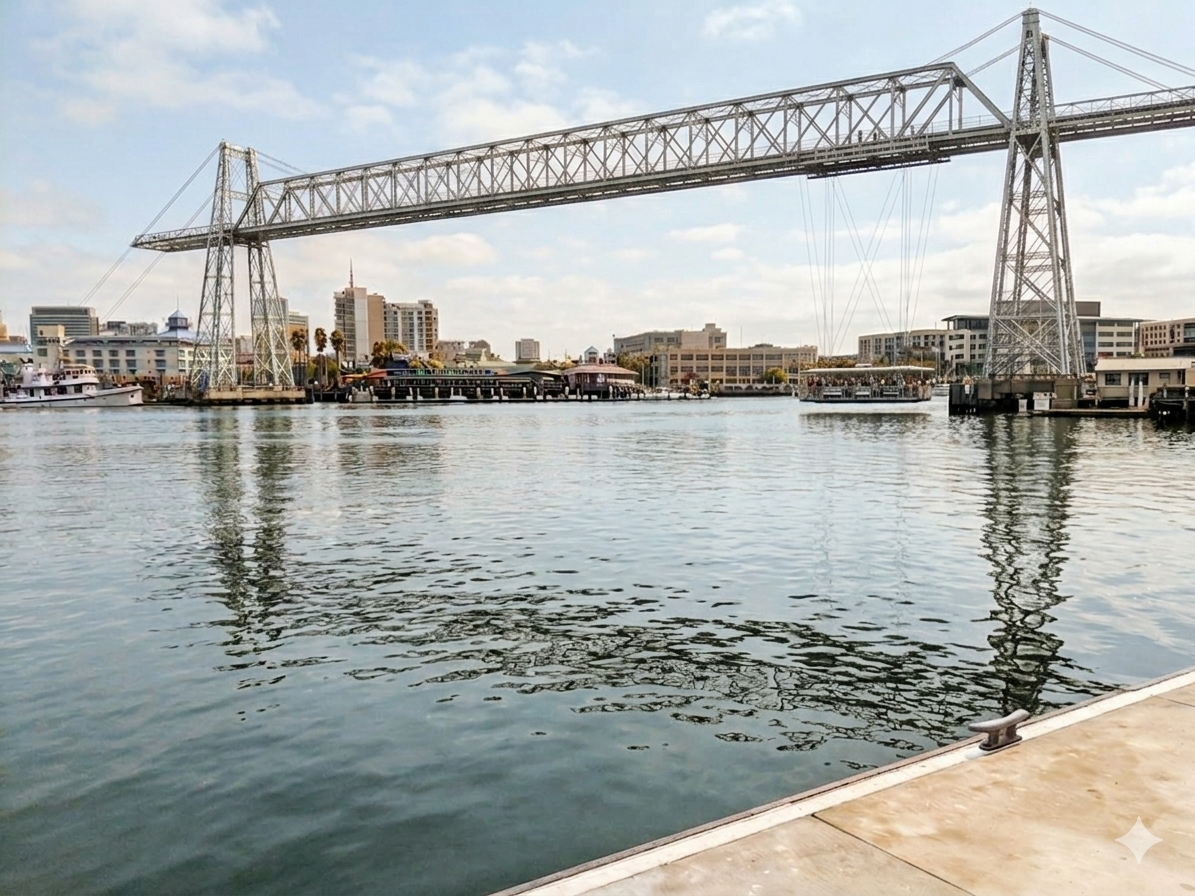
5 days agoCommentary: Is a Transporter Bridge the 100-Year-Old Solution for the Estuary Crossing We've all been Looking for? - Streetsblog San Francisco
A transporter bridge could provide a cost-effective solution for pedestrian and cyclist access between Western Alameda and Jack London Square.
fromSustainable Bus
16 hours agoFrom Mauritius to Mumbai-Pune: Switch Mobility delivers 100 urban buses and 25 intercity coaches - Sustainable Bus
The delivery follows an initial batch of 10 buses introduced in August 2025, bringing the total number of vehicles supplied under the programme to 100. The buses have been integrated into the NTC fleet, which has historically operated an ageing vehicle base.
Alternative transportation
Alternative transportation
fromStreetsblog USA
4 days agoFlorida Town Gives New Residents Free Golf Carts to Replace Their Cars - Streetsblog USA
Babcock Ranch incentivizes residents to drive less by offering free golf carts with new home purchases, promoting a community focused on alternative transportation.
fromBusline News
5 days agoENC Named To Washington State DES Statewide Transit Bus Contract - Busline News
Being named to the Washington State DES contract is a significant milestone for ENC and a testament to the strength of our product portfolio. This contract gives transit agencies across the region a streamlined path to American-made, Altoona-tested heavy-duty buses in every major propulsion category.
Alternative transportation
#urban-logistics


Alternative transportation
fromLondon Business News | Londonlovesbusiness.com
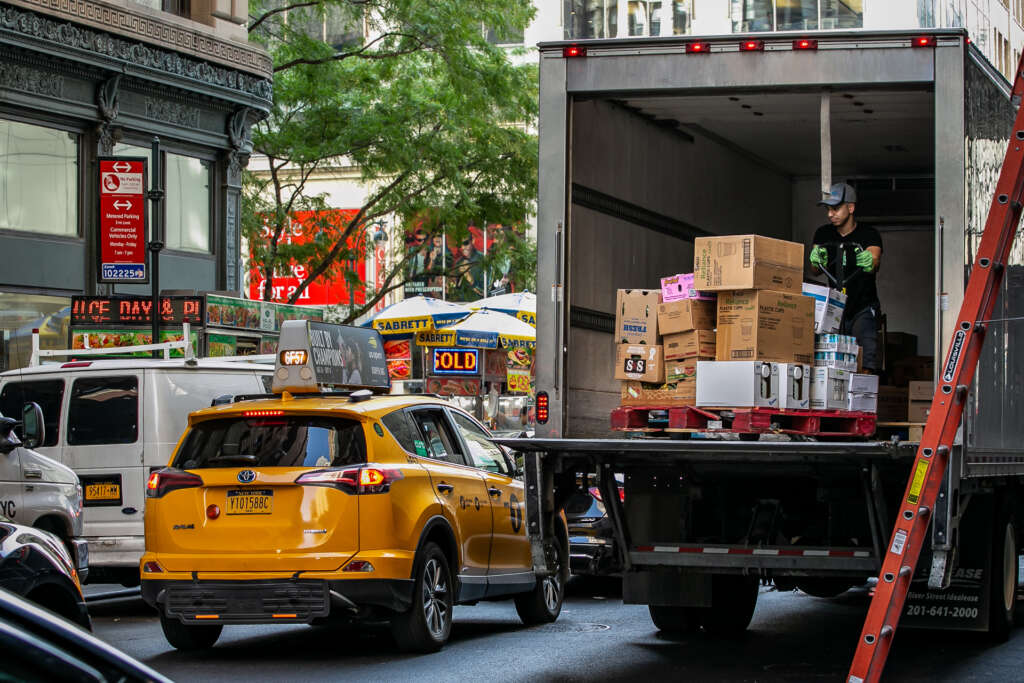
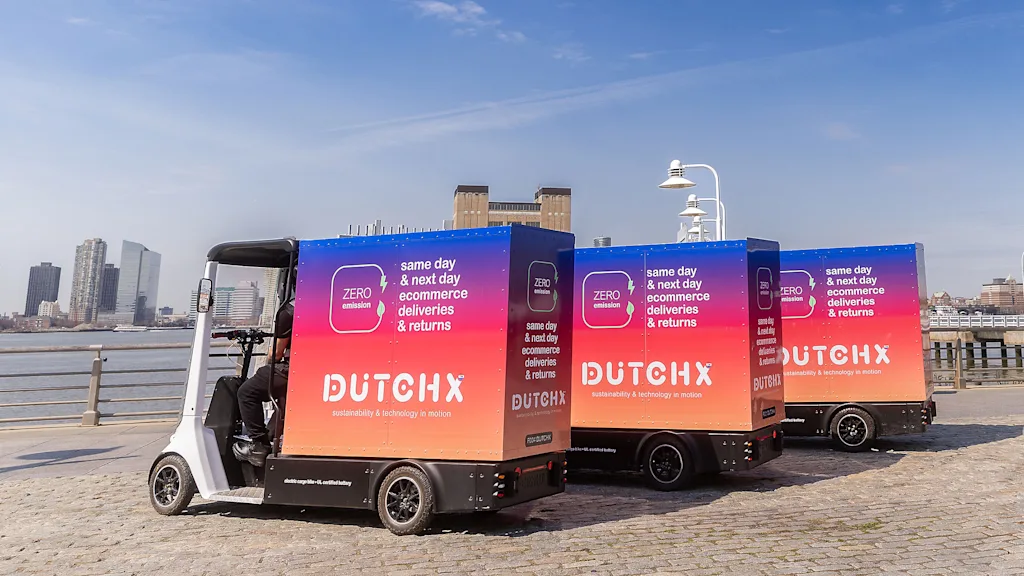
1 week agoThe 2026 urban logistics challenge: Managing delivery hubs in the city - London Business News | Londonlovesbusiness.com
Cities are becoming critical for delivery management due to e-commerce growth, requiring innovative logistics solutions to meet consumer expectations.
Real estate
fromInc
1 month agoWhy Connectivity Is the New 'Location' in Commercial Real Estate
Digital infrastructure and connectivity now rival or surpass traditional location as the primary factor determining real estate value for business properties, with 96% of U.S. business leaders willing to pay premium prices for reliable connectivity.
UK news
fromComputerWeekly.com
1 month agoUnreliable fleet connectivity driving employee exodus | Computer Weekly
UK fleet operators face significant connectivity challenges that threaten competitiveness, with unreliable networks causing customer complaints and operational disruptions despite limited failover protections.
fromTravel + Leisure
2 weeks agoAmerica's Fastest Trains Are Here-but Rail Experts Say High-speed Travel Is Still Years Away
True high-speed rail in the U.S. is still years away despite recent advancements and public support. Rail experts emphasize that actual high-speed rail requires dedicated infrastructure and faster trains, similar to systems in Europe and Asia.
Alternative transportation
Alternative transportation
fromSustainable Bus
3 weeks agoWhy MENA region matters for public transport: UITP's Hashem Alhendawi highlights strategic, financial and mindset shifts - Sustainable Bus
The UITP Global Public Transport Summit 2026 in Dubai was canceled, but international dialogue in public transport will continue through ongoing collaboration and partnerships.
fromArchDaily
2 months agoMoving Capitals Across Global Contexts: From Strategic Planning to Environmental Necessity
Across history, the relocation of capital cities has often been associated with moments of political rupture, regime change, or symbolic nation-building. From Brasília to Islamabad, new capitals were frequently conceived as instruments of centralized power, territorial control, or ideological projection. In recent decades, however, a different set of drivers has begun to shape these decisions. Rather than security or representation alone, contemporary capital relocations are increasingly tied to structural pressures such as demographic concentration, infrastructural saturation, environmental risk, and long-term resource management.
World news
from24/7 Wall St.
2 months agoTop 5 Railroad Equipment & Railcar Leasing Stocks: Picks & Shovels of Logistics
The railroad industry is a logistics artery, but the companies supplying the equipment that moves freight are where the real money gets made. Locomotives, railcars, tank cars, and digital rail systems are the picks and shovels of modern logistics. These companies capture recurring revenue from manufacturing, leasing, and maintenance contracts, benefiting from regulatory replacement cycles, nearshoring tailwinds, and the simple reality that freight must move.
Business
fromSustainable Bus
2 months agoEvolution: the practical path to autonomous buses - Sustainable Bus
It's tempting to frame autonomous driving as a single leap. In public transport, adoption tends to be incremental - because the system is built for reliability, and new capabilities have to fit into daily operations without disrupting service. That is why a practical strategy is evolution, not revolution: introduce autonomy in a defined domain, learn safely in real operations, and expand capability step-by-step.
Artificial intelligence

fromStreetsblog
1 month agoOpinion: The Federal Railroad Administration's Proposed Amtrak Restructuring is Worth Considering - Streetsblog USA
While dozens of other countries have delivered fast, modern train networks, we are stuck with a skeletal system built largely on slow, 19th-century alignments. Even developing nations are passing us by. There is growing recognition at the federal level that things need to change, but substantial and comprehensive reform would require an act of Congress.
Alternative transportation
Alternative transportation
fromStreetsblog
1 month agoWhy Some Congresspeople Want to Go Big on Greenways - Streetsblog USA
The Parks to People Act proposes $300 million in federal funding for walking and biking infrastructure as essential transportation tools, despite political opposition dismissing them as distractions.
US news
fromWSB-TV Channel 2 - Atlanta
2 months agoARC commuter survey reveals new traffic conditions in wake of telework, flexible hours, hybrid jobs
Telework in metro Atlanta increased to 60% occasionally and 20% full-time, reducing average commute times by about five minutes and spreading rush hour.
UK news
fromBusiness Matters
2 months agoTransport Committee urges action to secure skills pipeline for UK transport manufacturing
UK transport manufacturing faces urgent skills shortages; the shift to cleaner technologies requires rapid reform of vocational training, apprenticeships and workforce development.
Artificial intelligence
fromeLearning Industry
2 months agoArtificial Intelligence In Transportation Training And Education
AI enables individualized transportation training by evaluating trainee performance, tailoring instruction, simulating real scenarios, and measuring performance for targeted improvement.
fromThesanjoseblog
2 months agoNew Transportation Options Enhance Mobility in East San Jose
The Bay Wheels bikeshare program, operated by Lyft, expands into East San Jose this summer. This move links areas like Mayfair and Alum Rock to Downtown San Jose and the Berryessa BART Station, creating seamless routes for work, school, or leisure. Eligible residents can access an annual membership for just $5, with each ride costing $1, making it a practical choice for short trips that also encourage outdoor activity and reduce traffic congestion.
Environment
fromSustainable Bus
1 month agoRiga set to order up to 100 new trolleybuses
The planned order is expected to include 12-meter and 18-meter vehicles, and potentially also 24-meter bi-articulated trolleybuses. All units will be equipped with traction batteries enabling off-wire operation. The new trolleybuses are expected to cover at least 20 kilometers without overhead wires, while remaining fully compatible with Riga's extensive existing trolleybus infrastructure.
Alternative transportation
fromForbes
1 month agoTransit-Oriented Housing On Track For Continued Growth
Once a nice-to-have niche urban design concept, TOD has become an essential part of many urban neighborhoods. It has helped address the shortage of housing by enabling the development of higher-density residential communities near transit stations. It has helped revitalize countless once-deteriorating or static urban enclaves near transit hubs by activating sidewalks near the developments. And it has spurred walking and transit use, enabling residents of TODs to reduce or eliminate automobile dependency.
Real estate
fromArchDaily
1 month agoMobility Justice: Urban Equity in an Era of Innovation
Every city contains two transportation systems. One is the visible network of roads, rail lines, sidewalks, and bus routes mapped in planning documents. The other is the invisible geography of privilege and exclusion embedded within it: the neighborhoods that received highways instead of parks, the communities whose bus routes were cut, the sidewalks that abruptly end at the edge of a district.
Alternative transportation
fromBusiness Matters
1 month agoThe impact of road signs on economic development
When routes are well organized, there are clear directional signs, and speed limits become reasonable. The early installation of warning signs allows transport companies to plan deliveries more accurately and avoid delays. For businesses, time is money. When a truck carrying goods does not spend hours detouring due to an unclear traffic scheme or stuck in traffic where it could have been avoided thanks to competent traffic management, fuel costs, driver wages, and vehicle maintenance costs are reduced.
Alternative transportation
Alternative transportation
fromArchDaily
1 month agoRural Transportation Hubs: Infrastructure Design, Access, and Regional Mobility
Rural transportation hubs are vital national infrastructure anchors that require distinct architectural and operational models reflecting dispersed populations and freight-dominant needs, not urban replicas.
Alternative transportation
fromFast Company
1 month agoThe 'time is money' mantra is a terrible starting point for planning and designing infrastructure
Using productivity and time-as-money frameworks to justify transportation planning decisions is economically flawed and oversimplifies the complex nature of traffic congestion and urban mobility.
[ Load more ]