#slice-out-hunger
#slice-out-hunger
[ follow ]
#food-insecurity #new-york-city #homelessness #snap #food-security #food-assistance #community-support #california
Social justice
fromNonprofit Quarterly | Civic News. Empowering Nonprofits. Advancing Justice.
1 hour agoThe Politics of Loving Kindness: Insights from a Birth Equity Initiative | Nonprofit Quarterly | Civic News. Empowering Nonprofits. Advancing Justice.
American politics increasingly tolerates brutal policies, widening inequality, while a vision of loving kindness could foster solidarity and community welfare.
Fundraising
fromNonprofit Quarterly | Civic News. Empowering Nonprofits. Advancing Justice.
1 day agoWhat If I Freeze with a Major Donor Ask? | Nonprofit Quarterly | Civic News. Empowering Nonprofits. Advancing Justice.
Silence after making a major gift ask is often the hardest part for fundraisers, leading to self-negotiation and smaller donations.
#homelessness
Fundraising
fromNonprofit Quarterly | Civic News. Empowering Nonprofits. Advancing Justice.
1 day agoGetting $750 a Month Didn't End Homelessness-but Our Study Shows It Still Improved the Lives of Homeless People | Nonprofit Quarterly | Civic News. Empowering Nonprofits. Advancing Justice.
Providing $750 monthly to homeless individuals can help, but many still find housing without financial assistance.
#food-insecurity
Women in technology
fromwww.amny.com
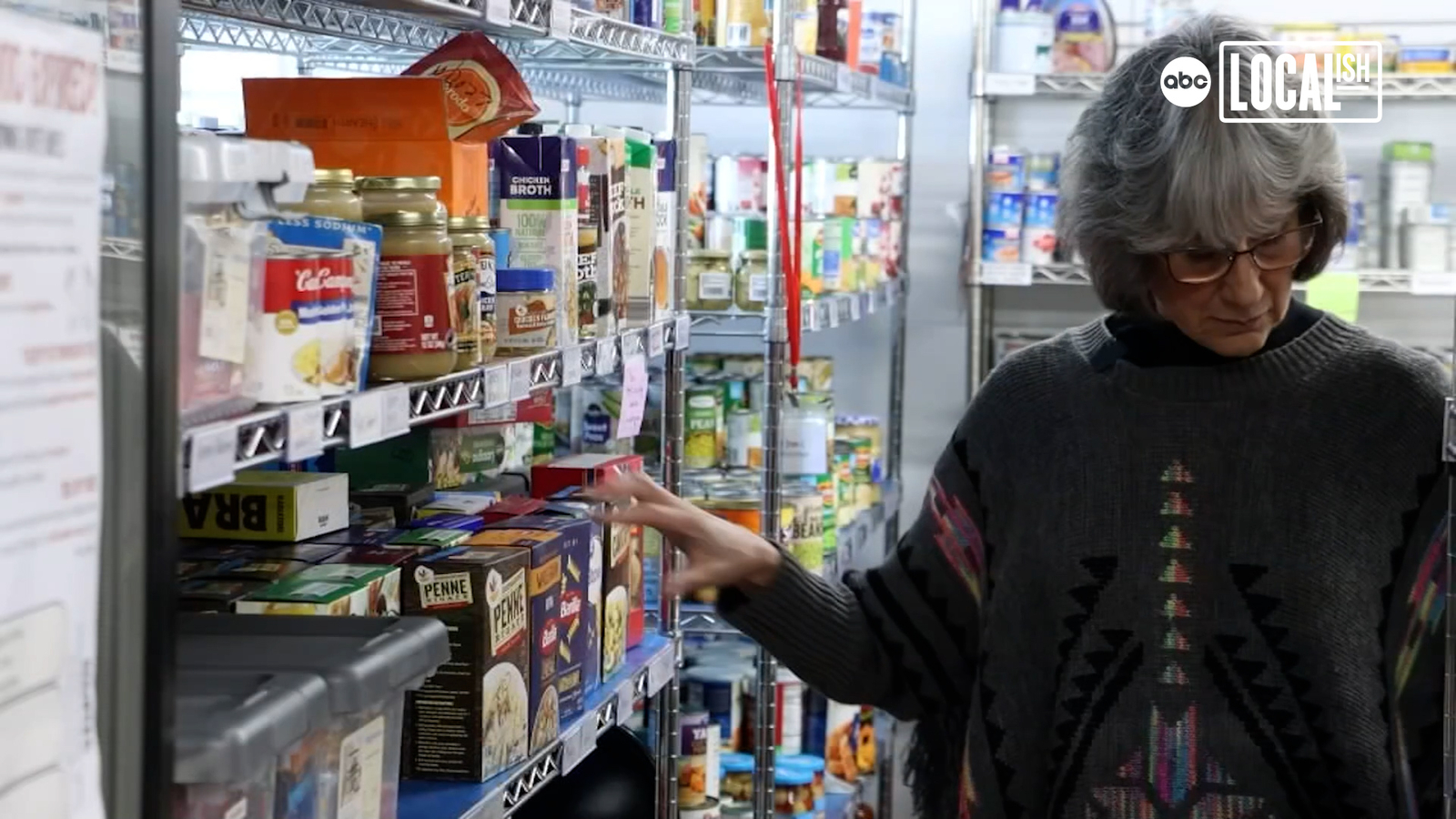
3 weeks agoFood Bank for New York City President & CEO Leslie Gordan on giving back and empowering New Yorkers | amNewYork
Leslie Gordan leads the Food Bank for New York City, significantly increasing food distribution during the COVID-19 pandemic while empowering women.



Women in technology
fromwww.amny.com
3 weeks agoFood Bank for New York City President & CEO Leslie Gordan on giving back and empowering New Yorkers | amNewYork
Leslie Gordan leads the Food Bank for New York City, significantly increasing food distribution during the COVID-19 pandemic while empowering women.
fromEntrepreneur
2 days agoWhy Passion Isn't Enough to Scale a Nonprofit
Most nonprofits begin with passion, and for good reason. A founder identifies a critical need and brings together a team that cares deeply enough to act. That kind of energy is what makes the early days possible. It drives long hours, resourceful problem-solving and a deep commitment to impact.
Non-profit organizations
fromPsychology Today
3 days agoHow Community-Based Healthcare Builds Engagement
Most people leave doctor visits with prescriptions, but still feel unsure—instructions make sense, but no one asks about their life. In contrast, when a provider knows your name, remembers your story, and explains care in a way that fits you, the experience feels different—and that difference matters.
Healthcare
fromScary Mommy
2 days agoWhat's The Average Grocery Bill For A Family Of Four In 2026? Parents Weigh In
We generally average about $250 a week on food and a Costco trip every six to eight weeks that hits between $500 and $600. We've been shopping primarily at Aldi's & Trader Joe's because we go through so much fruit. A year ago, that $250 a week would actually last close to two weeks.
Everyday cooking
fromTasting Table
3 days agoFor Cheaper Gas, Look For Stations That Serve Fresh Food - Tasting Table
Gasoline doesn't have a particularly high profit margin, which is partly why most gas stations double as convenience stores or offer fresh food. If chains like Buc-ee's and Sheetz can make more money by selling food, they can afford to lower their margins on gasoline.
Food & drink


fromwww.theguardian.com
1 day agoChef Jose Andres warns of multi-year world famine from Iran war
Jose Andres emphasizes the urgency of addressing the fertilizer supply crisis, stating, 'When fertilizers don't arrive in time for key planting windows, yields can fall in the following harvest cycle.' He highlights the severe consequences for poorer countries, noting, 'In places like Haiti, they don't serve you a kilo of rice, they serve you one ounce at a time.'
Agriculture
Online Community Development
fromwww.housingwire.com
6 days agoCDFIs could draw institutional capital for climate projects
There is a strong desire for collaboration between institutional investors and community development financial institutions, but barriers exist due to perceived risks and lack of standardization.
Non-profit organizations
fromNonprofit Quarterly | Civic News. Empowering Nonprofits. Advancing Justice.
3 days agoWhy Americans Give: New Research Finds 5 Distinct Profiles for Generosity | Nonprofit Quarterly | Civic News. Empowering Nonprofits. Advancing Justice.
Generosity in the U.S. is diverse and varies by individual motivations and demographics, contrary to the belief that it has eroded.
fromBronx Times
1 week agoOUR FORGOTTEN BOROUGH | Did the Bronx's local supermarkets and delis make the safety grade? - Bronx Times
The Bronx Times found that the majority of Bronx food businesses received an A in their most recent inspection, with about six times as many passing than failing scores.
NYC food
Fundraising
fromNonprofit Quarterly | Civic News. Empowering Nonprofits. Advancing Justice.
3 days agoBridging Funders to the Front Lines: Pluralism and Greater Philanthropic Opportunity | Nonprofit Quarterly | Civic News. Empowering Nonprofits. Advancing Justice.
Movement-rooted philanthropic intermediaries are essential for addressing future challenges in the nonprofit sector and advancing equity.
Non-profit organizations
fromNonprofit Quarterly | Civic News. Empowering Nonprofits. Advancing Justice.
3 days agoThe Meaningful Reset: Designing Nonprofits to Survive Board-Staff Conflict | Nonprofit Quarterly | Civic News. Empowering Nonprofits. Advancing Justice.
Nonprofit organizations face unique challenges due to emotional investment, leading to conflicts that require careful analysis and intentional resolution.
fromNew York Post
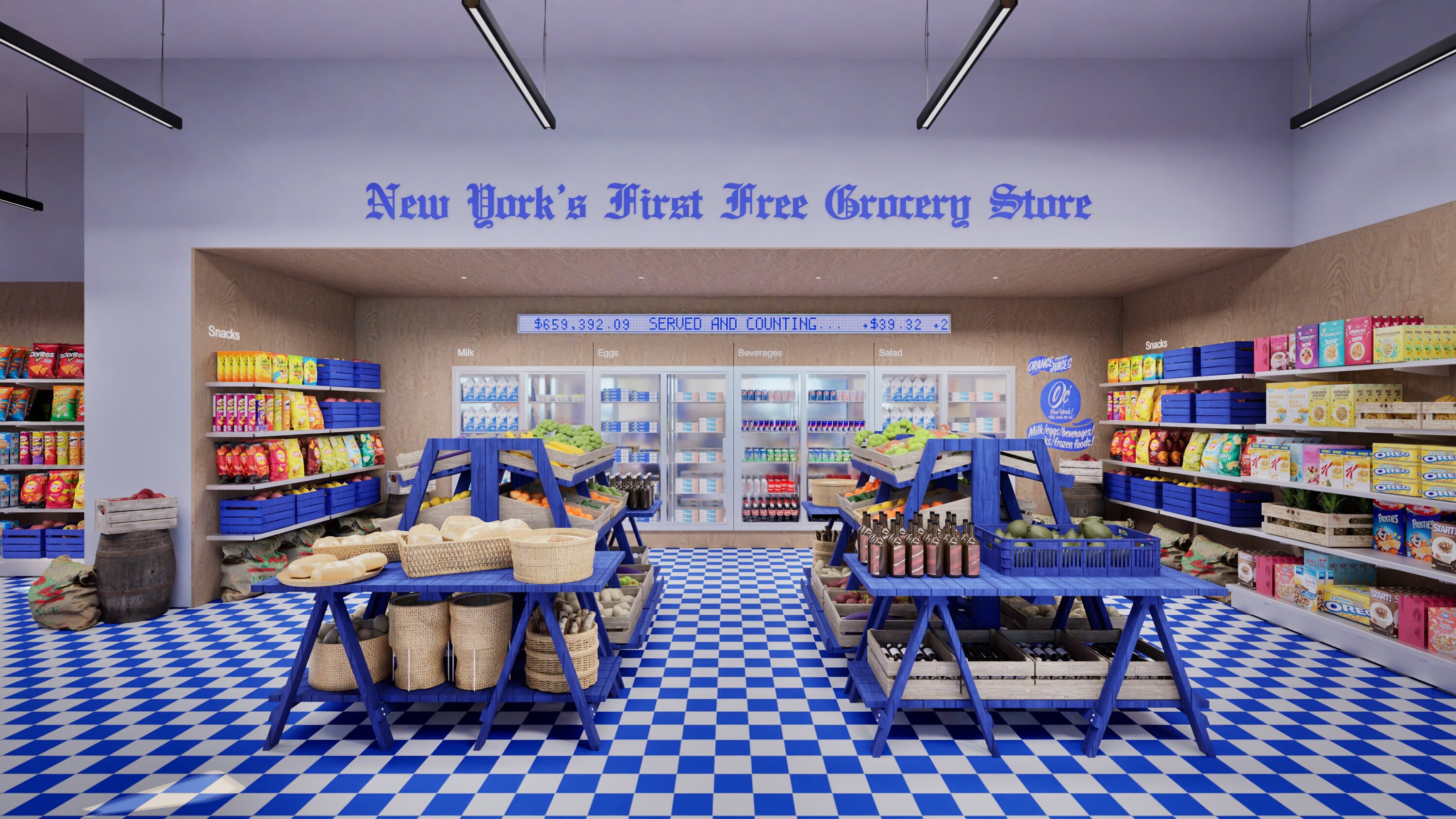
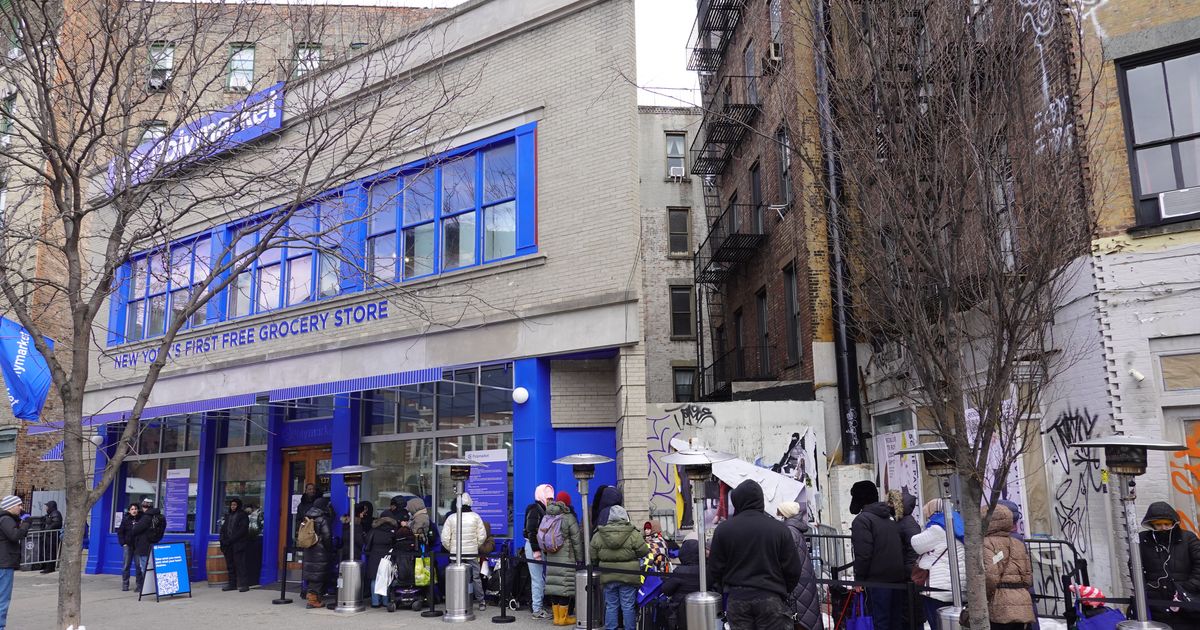
3 days agoStaggering 8-figure sum NYC taxpayers will pay to fund Mamdani's first city-owned grocery revealed
"We will continue his legacy," Mamdani said, referring to former Mayor Fiorella La Guardia's establishment of La Marqueta as a marketplace for affordable food in the 1930s.
New York City
fromDaily Coffee News by Roast Magazine
3 weeks agoStudy: Social Enterprises Beat Corporate Sustainability in Farmer Well-Being
The study frames each of the models as 'emerging strategies' that can either complement or serve as alternatives to well-known sustainability certification schemes such as Organic, Fairtrade or Rainforest Alliance.
Online Community Development

Food & drink
fromwww.theguardian.com
1 month agoWhy food justice isn't being served in America
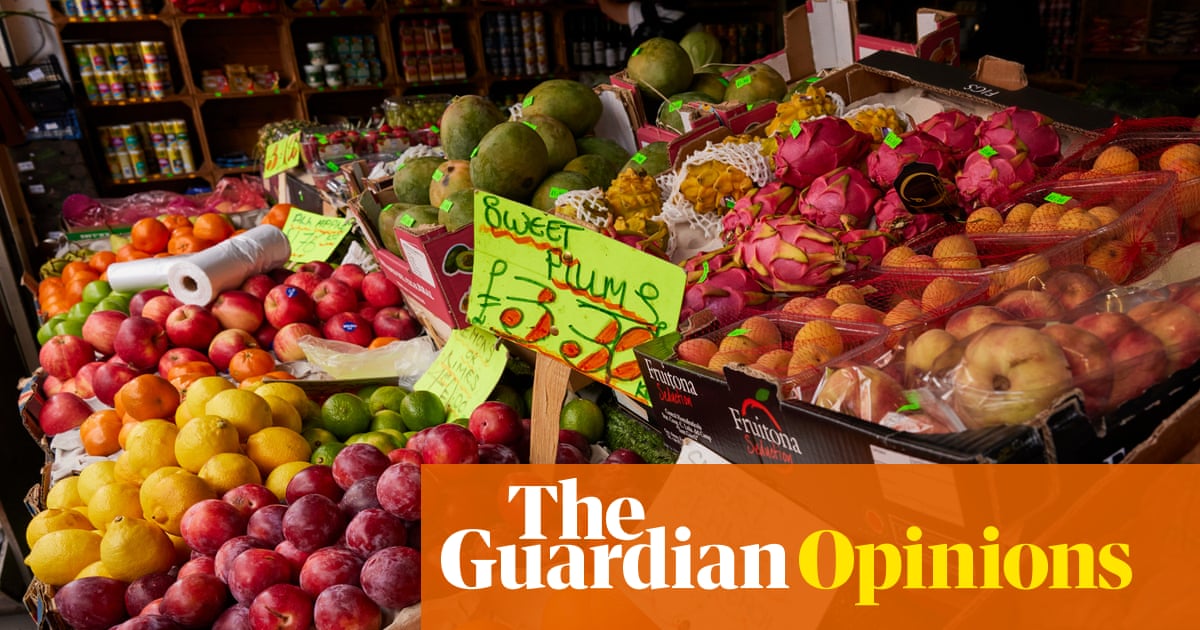
Food justice advocates often misrepresent South Central Los Angeles as a resource-depleted food desert lacking grocery stores and knowledgeable residents, contradicting anthropological research documenting abundant food retail and community food practices.
fromFortune
2 months agoHow to fight child hunger in a time of foreign aid cuts | Fortune
Already, 2026 is proving to be a challenging year for global hunger. Last year, the global development sector faced enormous upheavals, with the United States and other donor countries slashing aid budgets even as low-income countries struggled with debt burdens. Steep aid cuts have exacerbated existing food security crises-whether from Russia's war with Ukraine disrupting international food supplies or farmers losing tens of billions of dollars due to climate change.
World news

[ Load more ]