#smartphone-cameras
#smartphone-cameras
[ follow ]
#samsung-galaxy-s25-ultra #battery-life #camera-comparison #oneplus-13 #oppo-find-x8-ultra #hasselblad
fromGSMArena.com
2 months agoSamsung teases the Galaxy S26 Ultra's nighttime photography chops
The teaser is all about "vibrant night even in low light", and while Samsung doesn't explicitly mention which device it's talking about, we assume it's the Galaxy S26 Ultra, since that one will have the best cameras of the trio. Of course, Samsung's competitors from China may rightly point out that you need big sensors for nighttime photography, since they can take in more light,
Gadgets



fromZDNET
3 months agoI took 500 photos with the best Android camera phones at Grand Canyon - this model wins it for me
One of the key components of a modern-day phone is the camera setup. Most phones have multiple cameras, and their quality can vary, which is why, when we get the opportunity, we like to take multiple phones out and shoot side by side. While photos and photo quality are often subjective, it helps us determine which phones can really deliver, from a megapixel perspective.
Gadgets
fromwww.gsmarena.com
3 months agoHonor Magic8 Pro Air camera specs emerge
Honor revealed that its upcoming flagship will feature a 50MP main cam armed with a 1/1.3 sensor. It will be paired with a 64MP periscope telephoto lens. Tipster UniverseIce chimed in with more details, claiming the main cam will feature an f/1.6 aperture and 23mm equivalent focal length. The periscope telephoto will apparently get an f/2.6 aperture and 74mm equivalent focal range. The module will also offer 3.2x optical zoom and up to 100x digital zoom.
Mobile UX





fromDesign You Trust - Design Daily Since 2007
4 months agoSpectacular Award-Winning Landscape and Wildlife Photos from the Mobile Photography Awards
The 14th Annual Mobile Photography Awards unveiled breathtaking winners, proving that phone cameras can rival pro gear. With sheer talent, photographers transformed everyday scenes into extraordinary works of art, especially in landscape and wildlife categories. Their 38 winning shots showcase crisp textures, vibrant colors, and storytelling compositions that freeze powerful moments in time.
Photography


Photography
fromwww.gsmarena.com
5 months agoThe Ricoh GR-inspired Realme GT 8 Pro wants to be the best smartphone for street photography
Realme GT 8 Pro, co-developed with Ricoh, targets street photography with GR-inspired modes, 50MP main, 200MP telephoto, upgraded ultra-wide, and pro video features.
fromGSMArena.com
5 months agoThe image sensor competition is on: LOFIC sensors will see wider adoption starting in 2026
LOFIC stands for Lateral Overflow Integration Capacitor - it's a capacitor that takes in the charge that goes over the photodiode's full well capacity. This enables things like single-exposure HDR and longer exposures. We've already seen a LOFIC sensor from OmniVision - the OV50K inside the Honor Magic6 Ultimate. But the Ultimates have always been experimental, this is about wider adoption. More recently, OmniVision unveiled the OV50X, a 1" sensor with 8K HDR video.
Mobile UX
fromGSMArena.com
6 months agoWeekly poll: which one do you want, the Xiaomi 17, 17 Pro or 17 Pro Max?
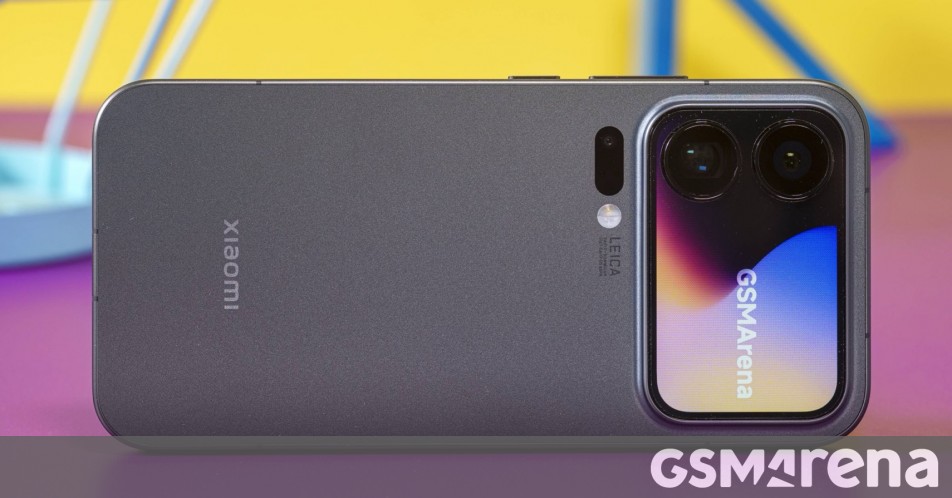
The 6.3" 1-120Hz LTPO display on the front is similar enough to the previous model - it is brighter at 3,500 nits peak and has slimmer 1.18mm bezels, but the major upgrade this generation is the improved power efficiency. And then there is 2.7" display on the back (904 x 572px) with the same 3,500 nits peak brightness (it even has DC dimming and up to 120Hz refresh rate).
Gadgets
fromwww.esquire.com
7 months agoThe 4 Best Android Phones of 2025, Reviewed by Esquire
If you're looking for a quick easy answer, it's the Pixel 9a. Released last spring, between the Pixel 9 and 10 generations, the 9a is Google's "entry-level" phonebut it's still got excellent battery life that will last you most days from the moment you get up until bedtime. All the while you'll be looking at an OLED screen and taking stunning pictures with its 48 megapixel camera. Even compared to the most popular alternatives from Nothing and OnePlus, the Pixel 9a undercuts them on price. But there's nothing budget about it.
Gadgets


[ Load more ]