#supercomputer
#supercomputer
[ follow ]
#ai #ai-investment #microsoft #tesla #elon-musk #fc-barcelona #uefa-champions-league #atletico-madrid


Miscellaneous
fromIT Pro
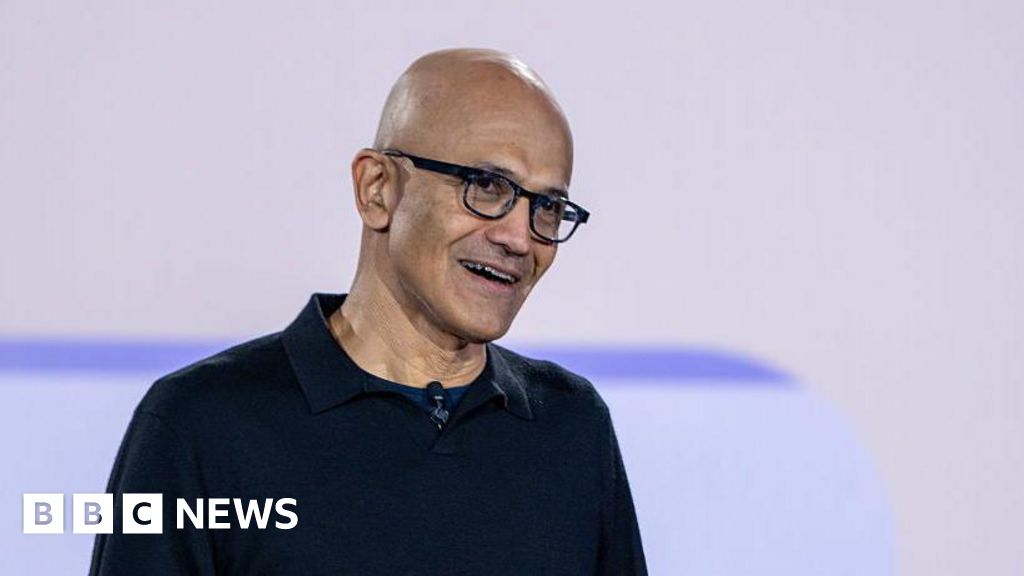
8 months agoMicrosoft CEO Satya Nadella says UK ties are 'stronger than ever' as tech giant pledges $30bn investment
Microsoft will invest £22 billion across the UK to expand cloud and AI infrastructure, including building the country's largest supercomputer with over 23,000 Nvidia GPUs.
fromTheregister
9 months agoTsunami forecasting to get faster thanks to El Capitan
"Conventional tsunami warning systems often rely on seismic and geodetic data to infer earthquake magnitude and location, but typically use simplistic models that fail to capture the complexity of fault ruptures, which can lead to false alarms or dangerously late warnings."
Science
#elon-musk

Artificial intelligence
fromMail Online
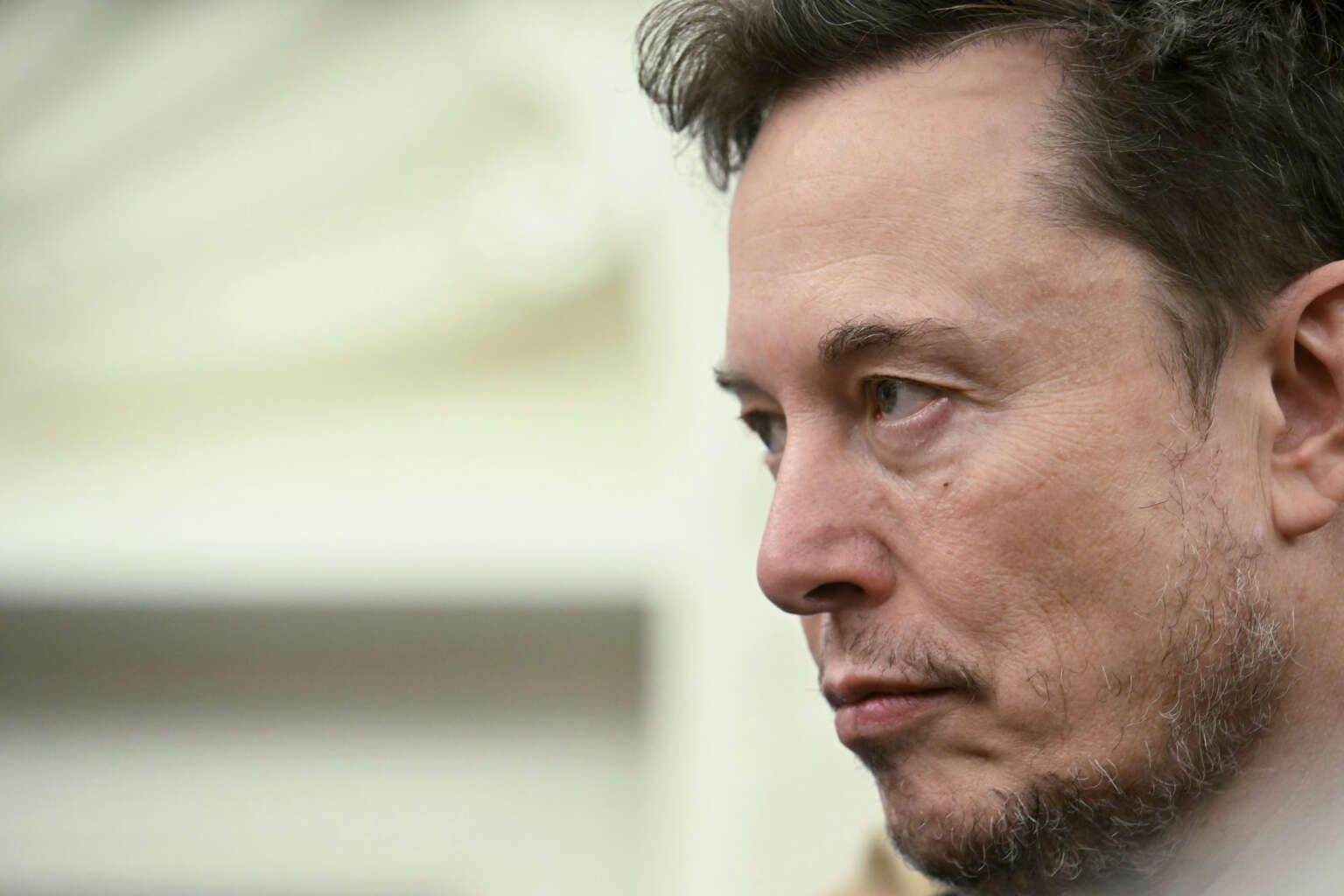
11 months agoElon's poison-spewing crown jewel faces shutdown that could reshape US
Elon Musk's AI supercomputer project faces public backlash amid health concerns, threatening its future and engagements.
Tesla shares drop as Musk's ventures entangle with Trump feud and local health issues.
[ Load more ]