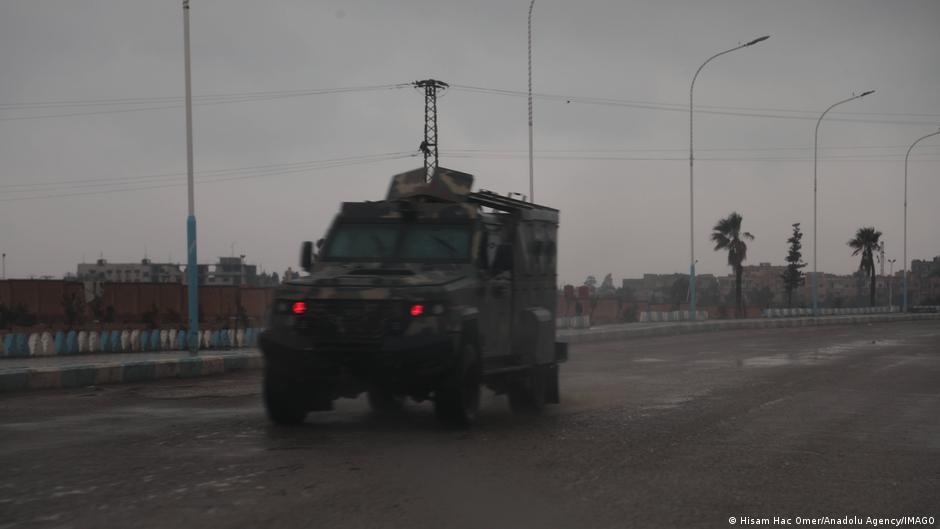
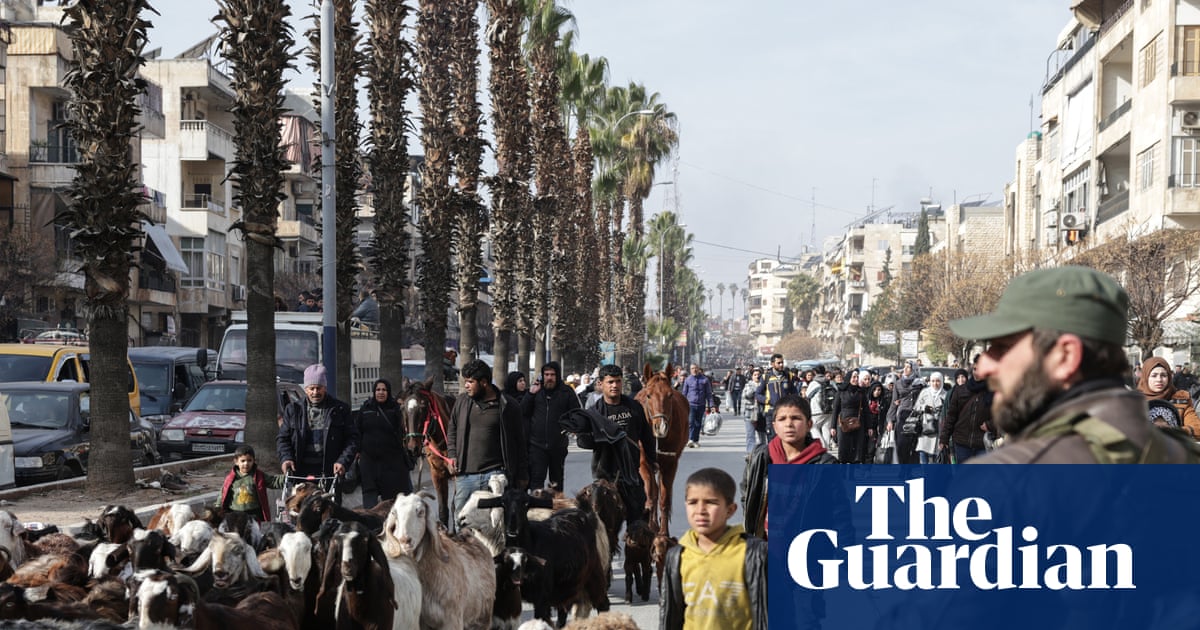
On December 8, 2024, as the regime of Bashar al-Assad collapsed, Mukhtar was at his home in Idlib Governorate, in northwestern Syria. (For safety reasons, he asked to use a pseudonym.) A researcher with the Syria Justice and Accountability Centre (SJAC), he watched videos of rebel forces rolling into the Syrian capital, led by Hayat Tahrir al-Sham, or HTS, whose precursor had been affiliated with Al Qaeda.
By the time the red sun slipped beyond the horizon, the playground was empty except for one little girl, nine-year-old Fouziah Alalawi, who stood staring at the bend where her father always appeared to pick her up from school. It was February 20, 2013, and war had become the background of her childhood: the distant thunder of shelling, the sharp percussion of gunfire, and the sudden quiet that made the adults tense.
With the fallout from the war in Syria as a backdrop, director Nour Alkheder longs for her father through memories, imagination and the fragments of a life uprooted by conflict. As Alkheder reflects on what was lost and what remains, she confronts the emotional weight of nostalgia and the love that binds her to her father and her homeland. I Love You More explores what it means to long for someone,
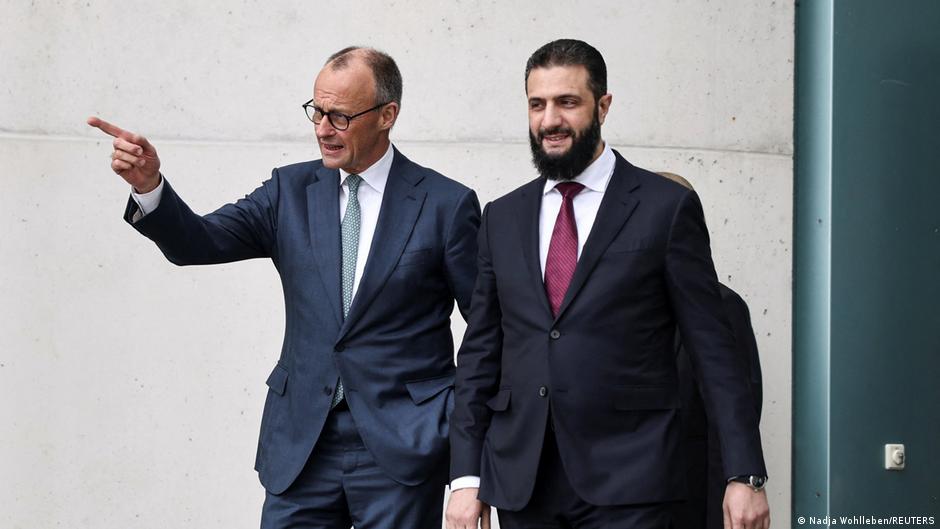
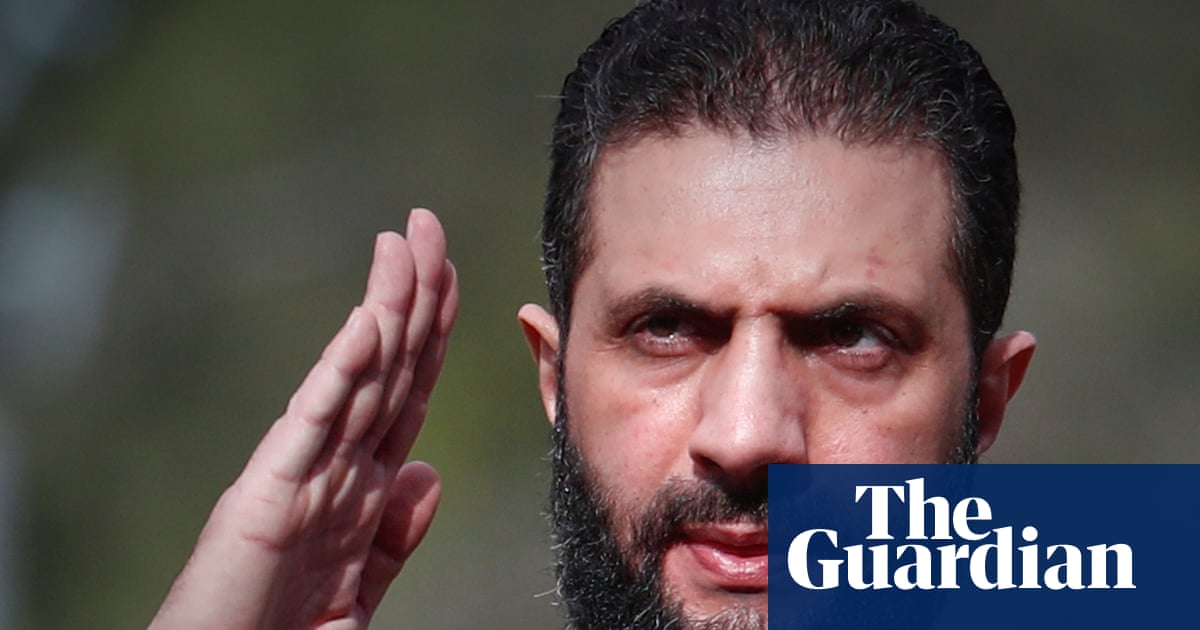
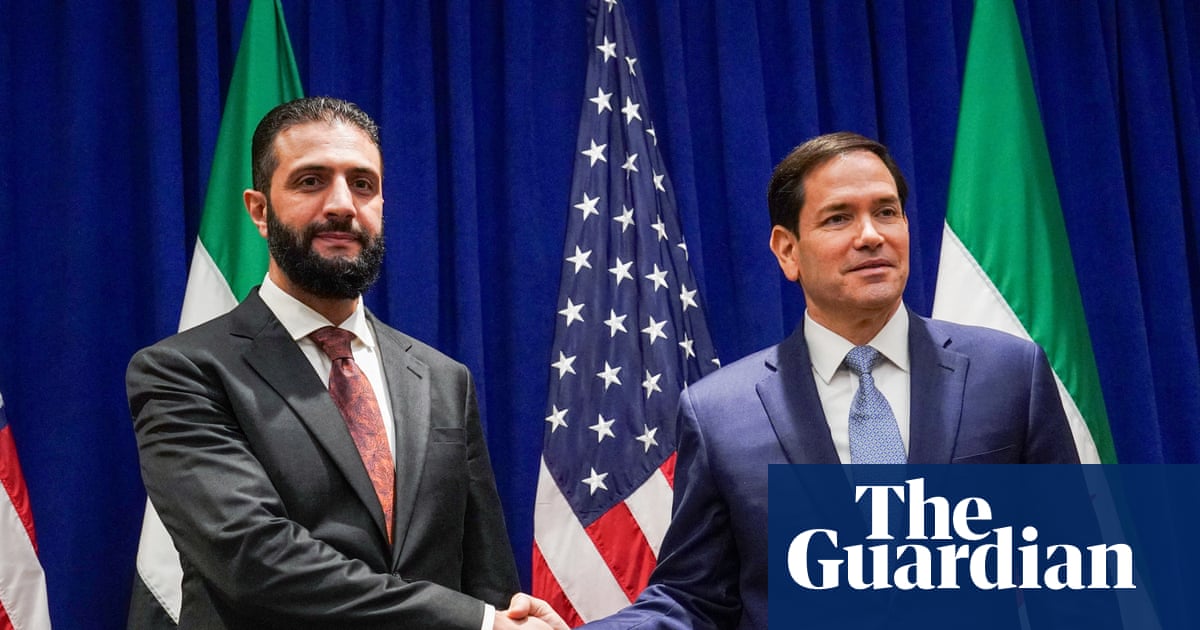
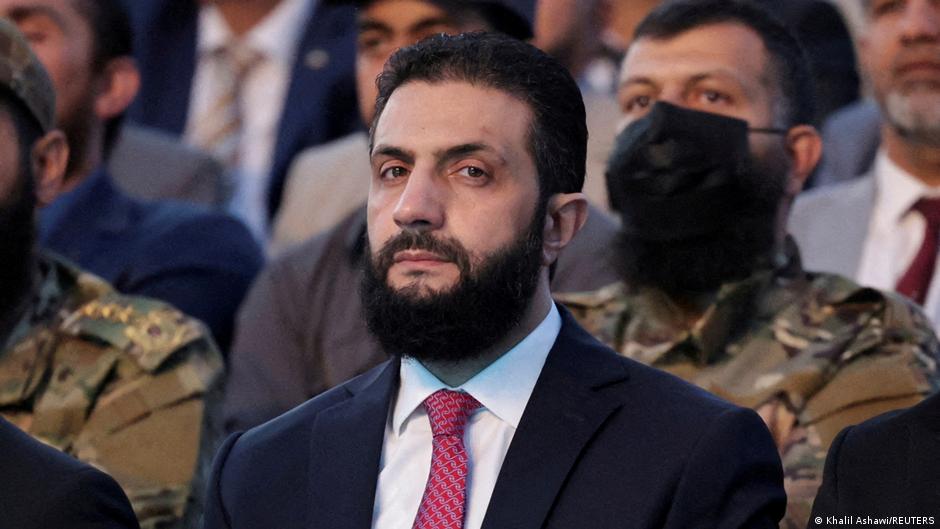
If ubiquity and handshakes were the only measures of success, Ahmed al-Sharaa would be diplomat of the year. Since he formally became president of Syria on 29 January 2025, the former leader of Hayat Tahrir al-Sham a jihadist group with an al-Qaida lineage has made a total of 21 public international trips to 13 countries. These include a visit to the UN general assembly, the climate change conference in Brazil, and numerous Arab summits.
When the al-Assad regime falls, Ammar, a Syrian lawyer and former Sednaya prison detainee, is determined to uncover the truth about Syria's missing. Haunted by the disappeared and his own imprisonment, he searches for answers in the ruins of Sednaya prison. Among classified documents, he discovers records of enforced disappearances and deaths, exposing the regime's brutality. With each case, Ammar pursues justice and closure, offering families a chance to grieve and heal.
Lying in bed recovering after his latest surgery, Ayman Ali retells the story of Syria's revolution through his wounds. His right eye, lost in an attack on a rebel observation post he was manning in 2012, is covered by yellow medical tape. Propped against the wall is a cane he uses to walk, after a rocket attack in 2014 left him with a limp. For 14 years, Ali dreamed of freedom and of justice.
December 8 marks the first anniversary of the fall of Syrian dictator Bashar Assad. The Assad family ruled Syria for over 50 years, with Hafez Assad in power from 1971 and then, after his death, his son Bashar taking over in 2000. The Assads' autocratic rule led to a popular uprising in 2011, then a brutal civil war that lasted almost 14 years.
United States President Donald Trump has called on Israel to maintain strong and true dialogue with Syria, adding it is very important that nothing takes place that will interfere with Syria's evolution into a prosperous state. The statement on Truth Social on Monday came days after Israel launched its latest incursion and strikes on Syria, killing 13 people in the countryside outside of Damascus in what the fledgling government of President Ahmed al-Sharaa decried as a war crime.
Hundreds of people from the Alawite religious minority, to which ousted President Bashar al-Assad belonged, were killed in the massacres in March. The violence erupted after attacks on the new government's security forces by armed groups aligned with the deposed autocrat. Counterattacks soon spiralled out of control to target civilians in the coastal regions that host the Alawite population. Seven of the defendants in the court on Tuesday were al-Assad loyalists, while the other seven were members of the new government's security forces.
Al-Mustafa said a political cooperation declaration signed by Damascus with the international coalition confirms Syria's role in combating terrorism and supporting regional stability. The agreement is political and until now contains no military components, he wrote in a post on X. The agreement makes Syria the 90th country to join the coalition, which aims to prevent foreign fighters from joining ISIL's ranks and eliminating the remaining elements of the group from across the Middle East.
Some commentators described the murders as motivated by sectarian hatred and blamed the new Syrian government. Others blamed remnants of the Assad regime, who want to inflame community tensions. But further investigation later found that one of the dead men was known to be associated with an Assad-affiliated militia responsible for the deaths of as many as 700 people during the country's 14-year civil war.
Al-Sharaa's trip, planned for November 10, will be first-ever visit by a Syrian president to the White House. United States President Donald Trump is to host Syria's interim leader for talks this month in what would mark the first visit by a Syrian president to the US capital. Syrian Foreign Minister Asaad al-Shaibani said in a speech on Sunday that the visit will help open a new chapter in relations between Damascus and Washington.
"First of all, quotas are so important," she said in conversation with Hala Gorani, a contributing correspondent at NBC News. "If you don't have quotas, women always will be excluded. So we need to put quotas in from the beginning." She estimated that her industry is 70% female, and most of her new appointees are women, not because of their gender but because they're highly qualified.
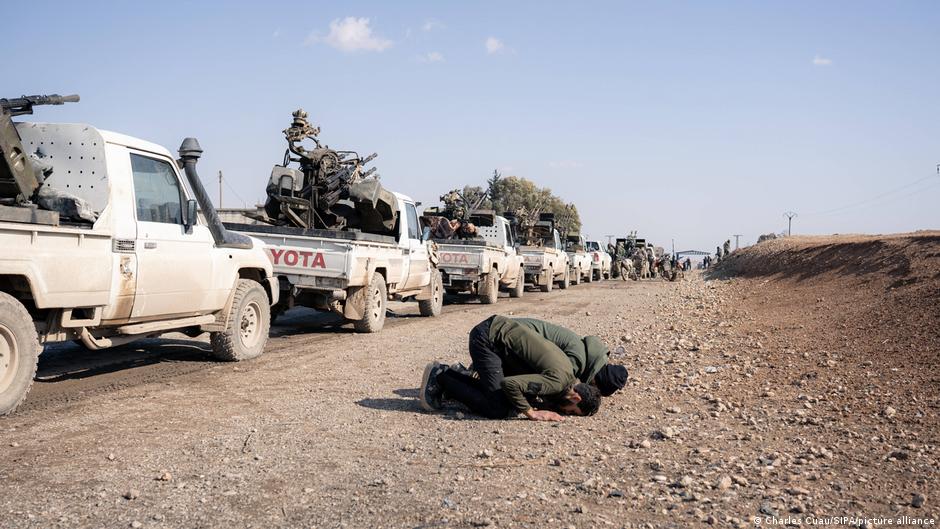
Wadephul said it was "in the understandable interest of the Syrian government to create the conditions for as many Syrians as possible to return". However, this was currently "only possible to a very limited extent, because a great deal of infrastructure in this country has been destroyed", he added. "Anyone who wants to return to Syria will be given a tearful send-off by us. But we will understand that perfectly well."
For more than 11 years, I told myself it was too early to grieve. My father, Ali Mustafa, was arrested by Bashar al-Assad's forces in Syria on 2 July 2013 and disappeared. Since that day, we have had no word, no trace, nothing. Every morning since he was taken I made my first thought after waking up: He is alive. Every night I went to sleep repeating it.