#temporary-remediation
#temporary-remediation
[ follow ]
#sustainability #climate-change #public-health #pfas #epa #environmental-policy #waste-management #biodiversity

fromEast Bay Express | Oakland, Berkeley & Alameda
22 hours agoFrom totally harsh to thriving marsh
The transformation of Pacheco Marsh from a scarred dumping ground into a pristine wetland represents a significant achievement in environmental restoration, showcasing the potential for nature to reclaim industrial sites.
Mission District
fromHigh Country News
2 days agoWildfires make soil poisonous - High Country News
Researchers have known since at least 2008 that wildfires can create chromium-6, but a new study, published in the journal Environmental Science and Technology in November, is the first to report details such as how long it might persist in groundwater.
Environment
fromDefector
1 month agoDam It All To Hell | Defector
Hoppers, like Pixar's pre-Disney films, is a delight. The beavers' world is immersive and richly realized, grounded in science but never dry. The plot zigs and zags between moments of absurdity and emotional heft to stirring effect; I cried multiple times, and not just because of the low-hanging fruit of grandma death.
Independent films
fromLos Angeles Times
1 month agoIndustry groups sue California over Truth in Recycling law
SB 343 forces dairy product manufacturers to remove vital recycling guidance from the very cartons Californians rely on every day. This law ignores the reality of our recycling infrastructure and unconstitutionally restricts our right to provide transparent recycling instructions to consumers. We are seeking to stop this policy before it leads to more waste and disrupts our ability to deliver milk to California families and schools.
Intellectual property law
NYC real estate
fromNew York Post
1 month agoExclusive | Most landlords in trendy NYC nabe-turned-Superfund site refuse free testing - because of property values: pol
Only 26% of 1,000 properties in Brooklyn's Meeker Avenue Plume Superfund site have undergone free EPA air testing for toxic contamination since 2022, with landlords avoiding testing due to property value concerns.
Agriculture
fromEarth911
1 month agoConvenience Comes at the Environment's Expense
Fast delivery convenience carries significant environmental costs through packaging waste, carbon emissions, and resource consumption, but individual yard management choices can meaningfully reduce environmental impact at a local scale.
fromFast Company
1 month agoHow silicone wristbands can help scientists monitor 'forever chemicals'
Environmental monitoring has traditionally relied on snapshots of exposure from a water sample collected on a single day, a blood sample drawn at one point in time, or soil tested from a specific location. But exposure unfolds gradually as people move through different environments and come into contact with air, dust, and surfaces throughout the day.
Wearables
Portland food
fromwww.mercurynews.com
1 month agoCalifornia park's use of human compost draws outcry
A California conservation trust using human compost at a public park faces criticism from officials who claim it violates regulations, while the trust maintains the practice is environmentally beneficial.
Miscellaneous
fromwww.theguardian.com
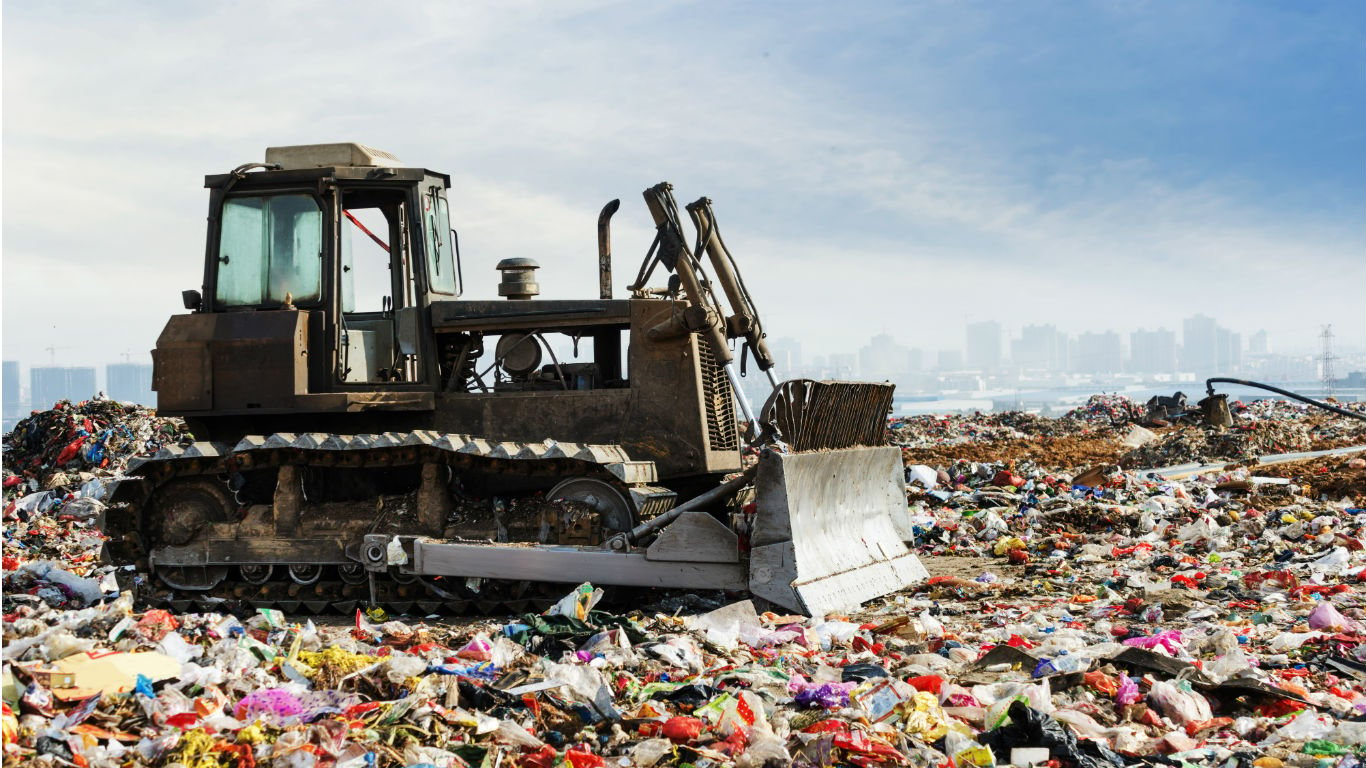
1 month agoA delightful day at the dump: The trick is not to leave with more stuff than I arrived with!'
A recycling centre's ReUse shop in London salvages discarded items including unusual specimens like embalmed animals, vintage furniture, and antiques to resell rather than send to landfill.
fromTheregister
2 months agoUS Army seeks autonomous bio, chemical cleanup bots
The Army recently published a Request For Information on Autonomous Decontamination Systems (ADS) to see what might be out there in the existing commercial market to help its Chemical, Biological, Radiological and Nuclear (CBRN) troops more easily clean up contaminated vehicles, infrastructure, and terrain. "ADS will reduce manpower and optimize resources required for decontamination operations while mitigating the risk of exposure of warfighters to Chemical and Biological Warfare Agents through robotic means," the Army said in its RFI.
US news
fromLos Angeles Times
1 month agoFear that herbicides are poisoning Orange County creeks blows up on social media
We want an end to the use of herbicides in our creeks. This idea that we're just going to spray, hose down these creeks and leave them dead is unacceptable. Linas and other residents have filed requests for records detailing the chemicals the county uses to control vegetation in the waterways, such as glyphosate, triclopyr and imazapyr.
California
fromwww.theguardian.com
1 month agoTrump officials move to kill system that protects US from chemical disasters
The Trump administration is slowly dismantling the federal disaster management system that protects the nation from chemical catastrophes, such as fires and explosions at high-risk facilities. The US Environmental Protection Agency's Response Management Program (RMP) requires more than 12,500 high-risk facilities to develop protocols to prevent catastrophes, or limit fallout, and was largely designed to protect workers, first responders, and fence-line communities.
US politics
Environment
fromEarth911
1 month agoHow You Can Help Keep Recycling Workers Safe
Recycling reduces waste and resource extraction, but material recovery facility workers face significant safety hazards, with nine deaths in 2023 and waste collection ranking as the fourth most dangerous job in the United States.
California
fromLos Angeles Times
2 months agoNotoriously hazardous South L.A. oil wells finally plugged after decades of community pressure
State regulators permanently closed the AllenCo Energy drill site in South Los Angeles, plugging 21 wells to prevent dangerous gas leaks and protect community health.
fromLos Angeles Times
2 months agoA push to end a fractured approach to post-fire contamination removal
The patchwork efforts to identify and safely remove contamination left by the 2025 Eaton and Palisades fires has been akin to the Wild West. Experts have given conflicting guidance on best practices. Shortly after the fires, the federal government suddenly refused to adhere to California's decades-old post-fire soil-testing policy; California later considered following suit. Meanwhile, insurance companies have resisted remediation practices widely recommended by scientists for still-standing homes.
Public health
Environment
fromwww.npr.org
1 month agoMaking wastewater drinkable is a growing trend as water resources become more strained
Treated wastewater recycling for drinking water is becoming a viable solution in water-scarce regions, with Florida, Arizona, California, and Colorado now allowing direct potable reuse through regulated pilot programs.
Public health
fromNonprofit Quarterly | Civic News. Empowering Nonprofits. Advancing Justice.
2 months agoThe Polluters Down the Street-EPA Changes Put Lives at Risk | Nonprofit Quarterly | Civic News. Empowering Nonprofits. Advancing Justice.
Air quality monitoring and Clean Air Act regulations have reduced PM2.5, prevented hundreds of thousands of early deaths, and improved average life expectancy.
Public health
fromwww.mercurynews.com
2 months agoEvacuations, shelter in place order in effect while hazardous materials removed from Berkeley home
Residents near Colusa and Tacoma in Thousand Oaks were ordered to shelter in place or evacuate while hazardous photography chemicals including picric acid were removed.
Environment
fromwww.theguardian.com
1 month agoMining's toxic timebomb: dams full of poisonous waste are dotted around the world. What happens when they burst?
A tailings dam collapse at a Chinese copper mine in Zambia released over 50 million cubic liters of acid and heavy metals into the Kafue River, causing widespread environmental devastation, water supply shutdowns, and agricultural destruction affecting millions of people.
Environment
fromTruthout
1 month agoHouse Bill Could Weaken EPA Oversight of Hazardous Chemicals
House conservatives propose rolling back 2016 reforms to the Toxic Substances Control Act, weakening EPA authority to regulate hazardous chemicals despite ongoing groundwater contamination cases like Jones Road.




fromEarth911
1 month agoHow to Recycle or Dispose of Single-Use Alkaline Batteries
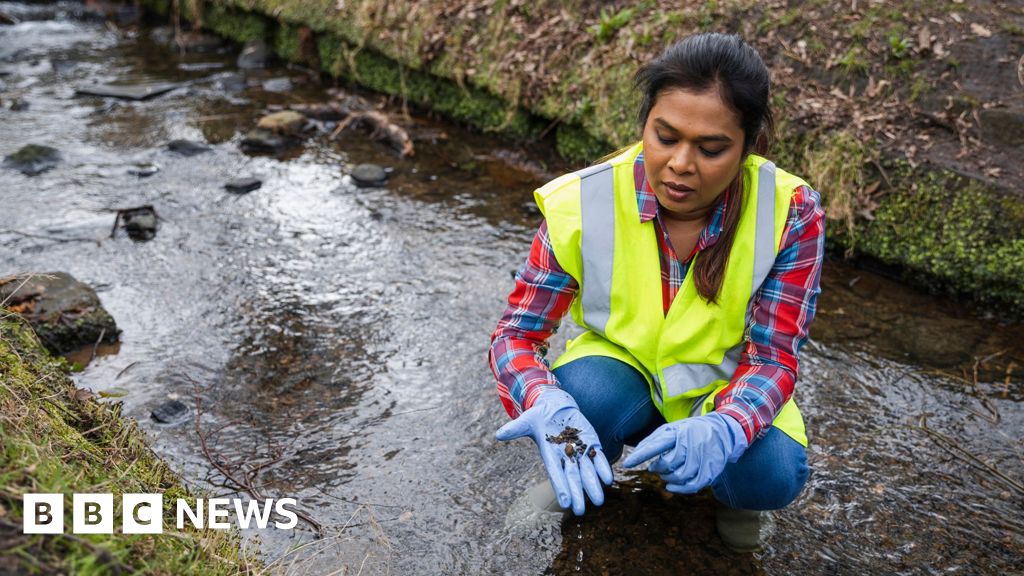
Never place batteries of any type in your curbside recycling bin. Batteries can damage recycling equipment and, if lithium batteries are mixed in, cause fires. Always use designated battery collection programs.
Environment
fromwww.theguardian.com
2 months agoEnforcement of laws against polluters nearly non-existent in US, analysis finds
Enforcement of environmental laws against major polluters has virtually ground to a halt under the Trump administration, a new analysis of Environmental Protection Agency records from January 2025 to January 2026 shows. Major polluters typically include companies that are among the largest in the oil, gas, coal and chemical industries. Records show the EPA filed just one Clean Air Act consent decree compared with 26 in the first year of Trump's first term, and 22 during Biden's first year.
Environment
Environment
fromEarth911
1 month agoHow to Recycle Nitrile, Latex, and Vinyl Sterile Gloves
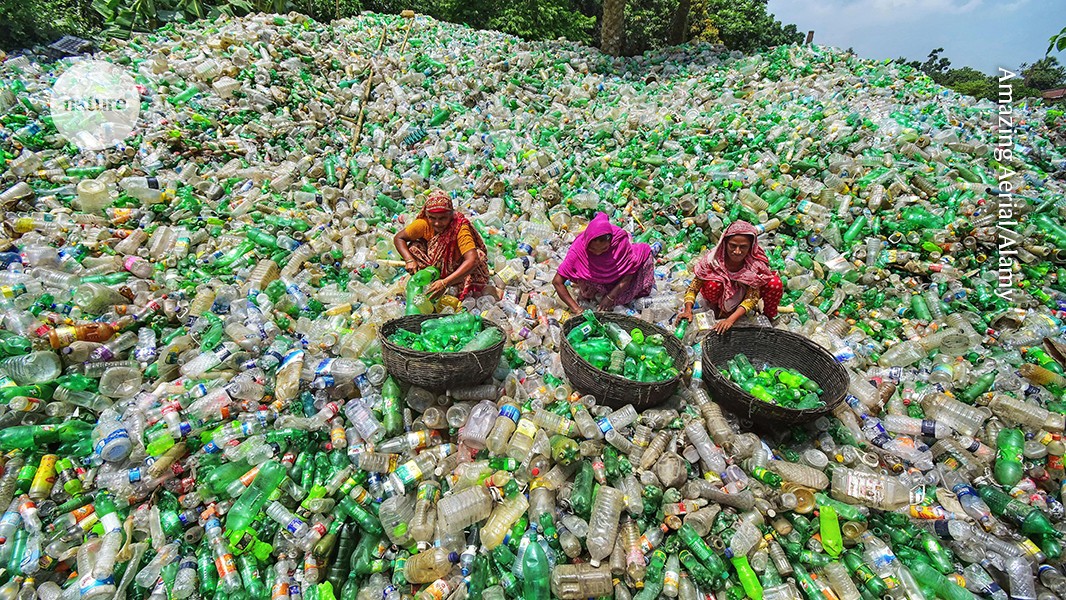
Disposable gloves cannot go in curbside recycling due to equipment tangling and contamination risks; mail-in programs and manufacturer recycling offer proper alternatives for turning gloves into downcycled products.

Environment
fromGlobal IP & Technology Law Blog
2 months agoGreenhushing: The Indirect Consequence of the Crackdown on Greenwashing?
Regulators increasingly enforce against vague or unsubstantiated environmental claims; advertisers must provide clear, high-level substantiation for "green" or "sustainable" statements.
[ Load more ]