#un-charter
#un-charter
[ follow ]
#international-law


World politics
fromwww.aljazeera.com
1 month agoWhy international law is still the world's best defence
The post-World War II international legal order faces erosion from ultranationalism, great-power rivalries, and norm violations, risking a return to force-based politics where power supersedes principle.
fromThe Atlantic
3 months agoA New International Law Can Rise From the Ashes
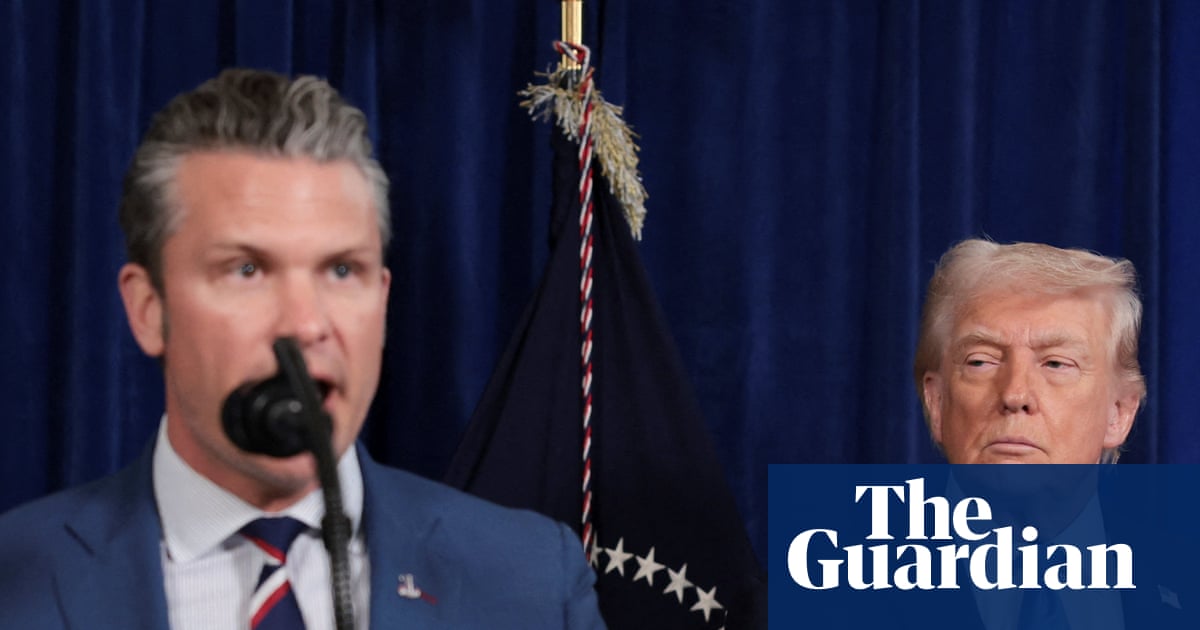
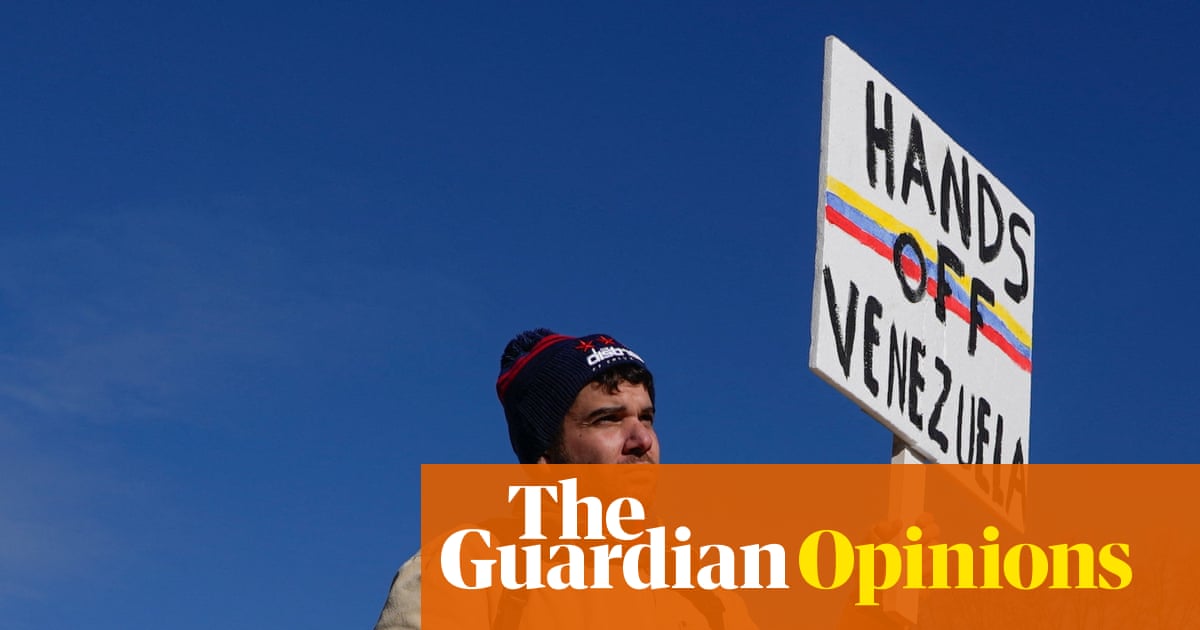
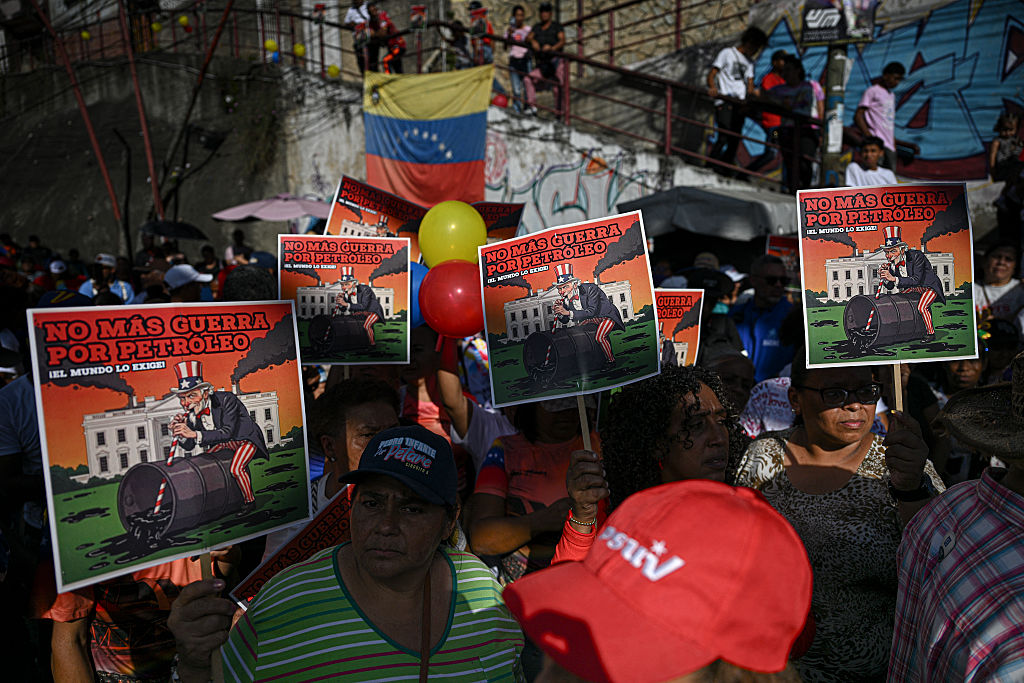
In the early hours of January 3, the United States armed forces executed an astounding operation. American air, land, and sea units destroyed Venezuela's air defenses, sent in Special Forces that took out President Nicolás Maduro's security team, and brought the dictator and his wife back to the U.S. for trial. But rather than applaud the removal of an illegitimate dictator and his wife, many foreign leaders quickly condemned the snatch-and-grab.
fromwww.theguardian.com
3 months agoDoJ deemed it unnecessary' to conclude whether seizing Maduro violated law, memo reveals
In a 22-page memo, T Elliot Gaiser, the top lawyer at the office of legal counsel (OLC) briefly discussed international law and the UN charter, which says a nation cannot use force inside another country without its consent, a self-defense rationale or the permission from the UN security council. But Gaiser stopped short of deciding whether the operation violated international law, arguing it did not matter as long as Donald Trump had the authority under domestic law to authorize the operation.
US politics
fromwww.aljazeera.com
3 months agoCongress's role questioned as Democrats vow to rein in Trump on Venezuela
There are a lot of angles where you can come at this to say why it's a clear-cut case, Janovsky told Al Jazeera. He pointed out that, under the US Constitution, Congress alone wields the authority to allow military action. He also noted that the Venezuela attack is in direct contravention of the UN Charter, which is, as a treaty, law in the United States.
US politics
fromenglish.elpais.com
4 months agoRebeca Grynspan: The UN must sit at the most important negotiating tables in the world'
Grynspan, who is the current secretary-general of United Nations Trade and Development (UNCTAD), faces a long and intense campaign that will take her around the world for months. In a London hotel cafe, surrounded by papers and sitting in front of her laptop, while bland, unsolicited music plays in the background typical of a Sunday afternoon she speaks to EL PAIS.
World politics
[ Load more ]