Philosophy
fromPsychology Today
13 hours agoEducation to Improve the Planet's Health, and Our Own
Nature enhances human health, but environmental degradation now negatively impacts well-being, necessitating education reform for Planetary Health.
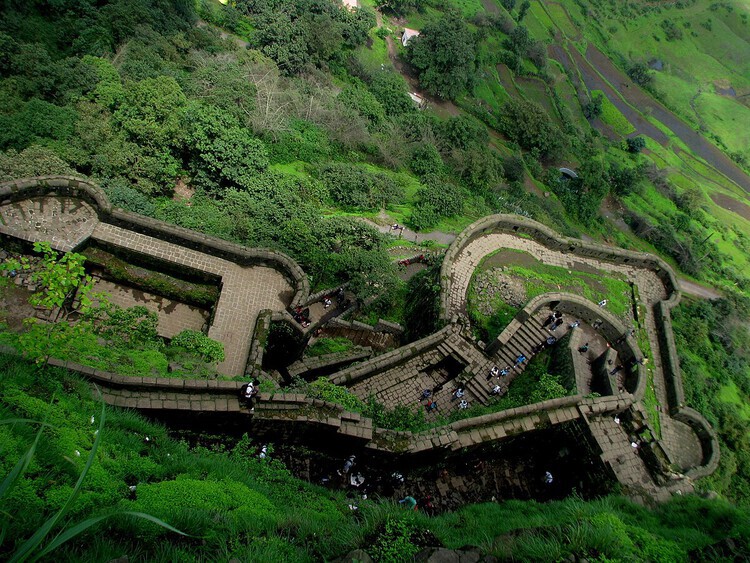
Lebanese authorities contacted Unesco officials to express their 'deepest concerns' over reports indicating the 'destruction and complete demolition of the Citadel of Chama' by military bulldozing operations.'
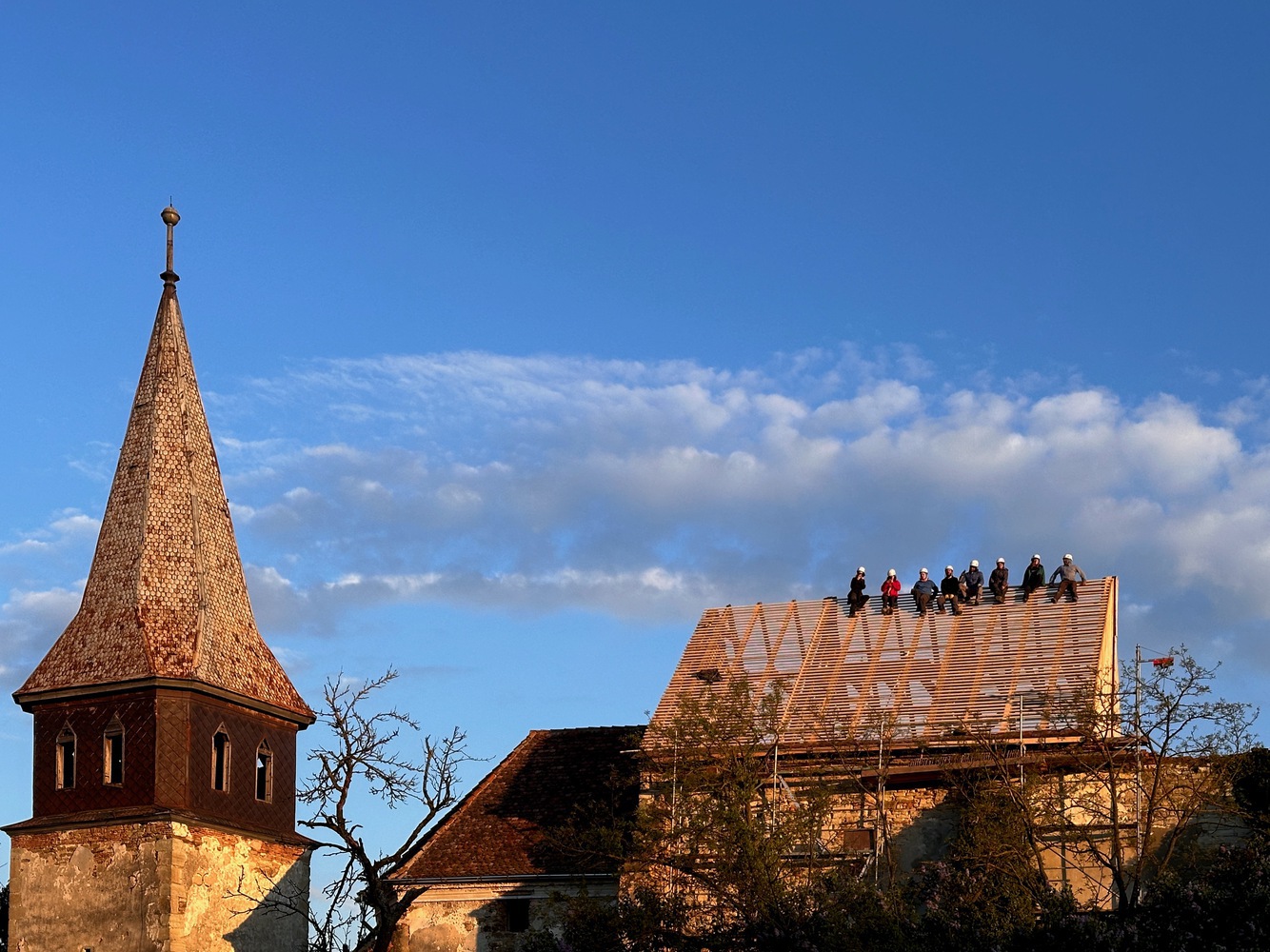
"The ruins from the Middle Ages are part of our common history. With these grants, we are strengthening the work that makes it possible to preserve them, not only as historical traces, but also as living sources of knowledge for both researchers, craftsmen and local communities."
Modern scientific societies are increasingly vulnerable due to their dependence on membership fees and journal subscriptions, which are being challenged by the rise of virtual networking and open-access publishing.
Twenty-five years ago, the UK made the bold and generous gesture of making its national museums free to all. Suddenly, anyone from anywhere in the world could gaze at iconic works of art by the greatest artists in history without having to pay a penny.
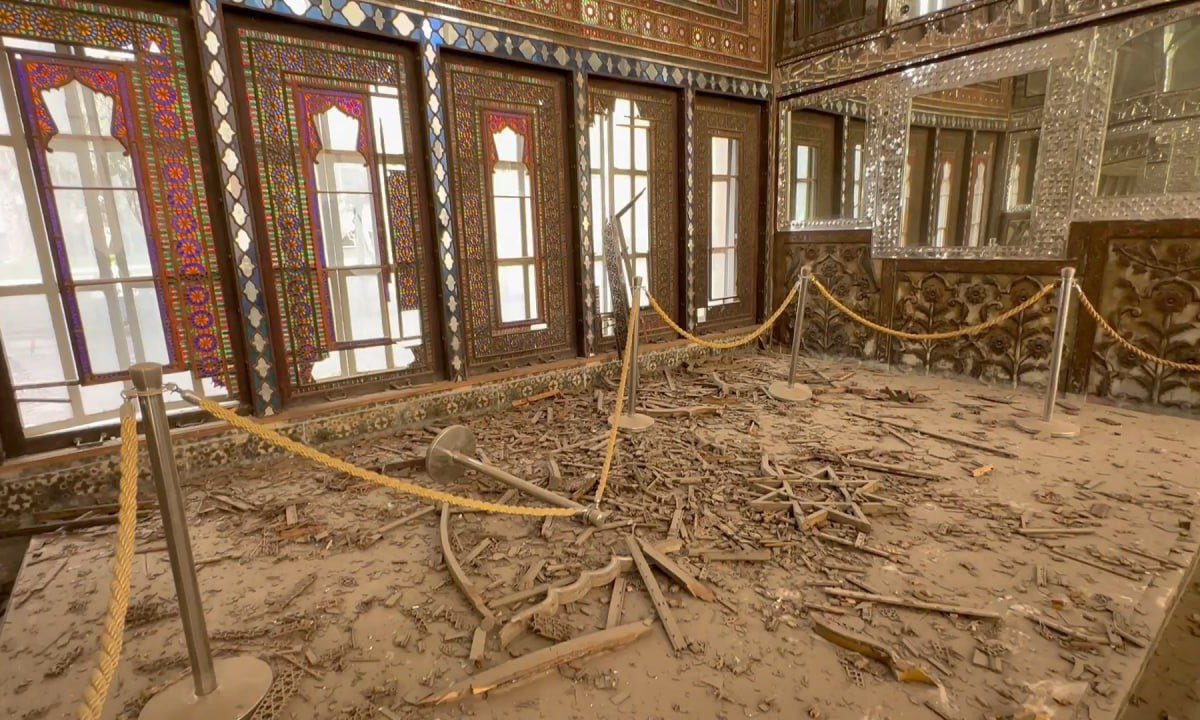
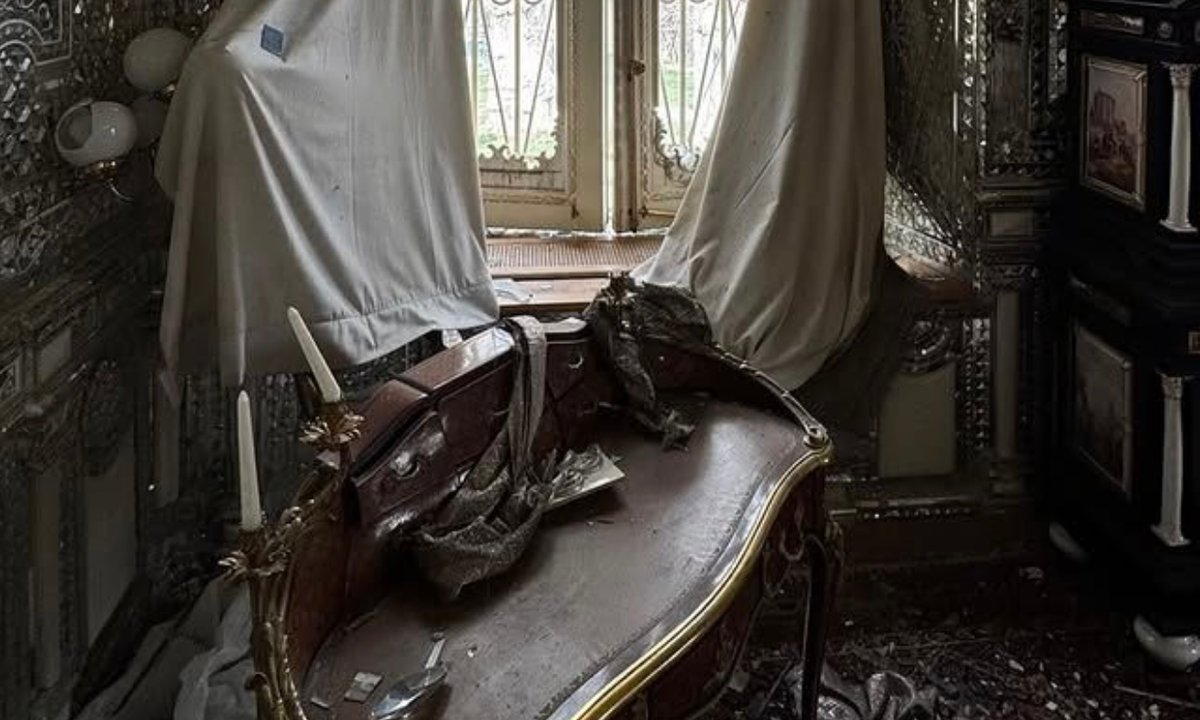
The designation prohibits the sites from being targeted or used for military purposes, with violations potentially constituting serious breaches of the 1954 Hague Convention and grounds for criminal responsibility.
Bregman claims, 'Today the whole of Europe risks turning into one big Venice, a beautiful open-air museum. A great destination for Chinese and American tourists. A place to admire what was once the centre of the world.' This statement encapsulates the concern that Europe is losing its cultural significance.
Singapore has a special way of blending old traditions with modern life, especially evident in its historic neighborhoods like Chinatown, Little India, and Kampong Glam. There, colorful shophouses, temples, and mosques sit alongside cafes and boutiques, while long-standing food and craft traditions remain part of daily life.
Communities make museums and museums make communities. Part of the establishment of M+ was a public consultation where people were asked what kind of museums they wanted. The recommendation was not to build lots of little museums, but to create a big museum that was cross-disciplinary, unburdened by labels like "modern" or "contemporary". It was to be a museum plus more, and that was how we became M+.
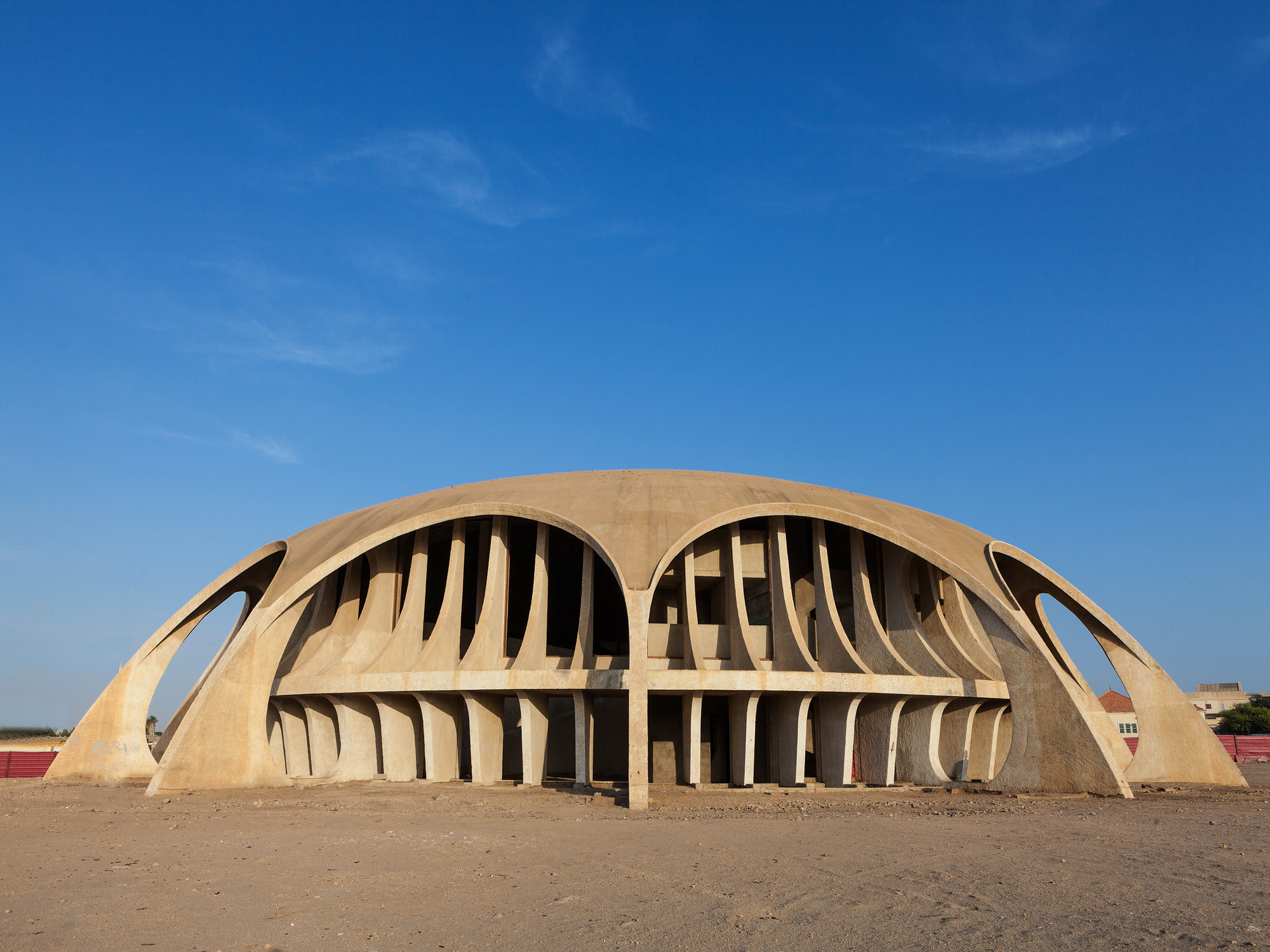
The contemporary technology museum has emerged as a performative participant in the systems it seeks to document. The architecture of these institutions has become increasingly fluid and bold, often mirroring the velocity and complexity of the systems it houses. They operate as mediators between the human, the ecological, and the technological realms, transforming from encyclopedic warehouses into active educational engines.
There are some variations. So we know yodeling with text. But we have also - mostly we have yodeling without text, and this yodel we call naturjodel. And this kind of yodel works like dialects. So it depends on the region you grow up. So if you grew up in eastern part, it sounds very melancholic. When you grow up in middle part, center part of Switzerland, it's quite loud and sometimes also a little bit fast.
Education has long been understood as a cornerstone of social development, shaping not only individual futures but also the collective capacity of societies to respond to change. Observed annually on 24 January, the International Day of Education invites reflection on the role education plays in addressing global challenges and sustaining social progress. As the world confronts overlapping challenges, from technological transformation to deepening inequalities, the question of how education is imagined, governed, and experienced has become increasingly urgent.
A new law empowering Turkey's central government to seize historic properties from local authorities is raising fears that heritage sites are becoming the latest front in a wider campaign against opposition-led municipalities. Among the sites at stake are cultural venues run by the Istanbul municipality, whose mayor Ekrem İmamoğlu launched an ambitious conservation drive and expanded cultural programming before he was jailed last year after announcing plans to run for president.
His message is clear: our world is built on abundant energy, around 80% of which has come from fossil fuels over the past 50 years. Because supplies are limited, energy consumption will peak in decades - sooner if humans attempt to limit climate change. To keep global warming below 1.5 °C by 2100, the use of fossil fuels must fall by 5-8% each year - a pace that is too fast for low-carbon energy to keep up with.
Cities around the world share a common goal: to become healthier and greener, supported by civic infrastructure that restores ecosystems and strengthens public life. The question is how to reach this. Global climate targets, local building codes, and municipal standards increasingly guide designers and planners toward better choices. Still, many cities struggle to translate these frameworks into everyday, street-level comfort and long-term ecological protection.
Of the approximately 5,000 houses built in the International Style in Tel Aviv, most are privately owned and 'the owners do not want to invest in restoration at the moment.' The most significant damaged building was the 'Froma Gurvitz' house, built in 1937 by the architectural firm Zabrodsky and Blacks, which had an additional floor and a half constructed on the roof.
When Thomas Jefferson wrote about the "inalienable" rights of man in the US Declaration of Independence 250 years ago, it's possible he lifted the term from the French. And long before it was ever used as an adjective to describe human rights, it defined royal property. To this day, "inalienability" remains a cornerstone of public collections in France-and many other countries-impacting museums and their ability to deaccession, including for purposes of restitution.