#vaccine-advisory-panel-acip
#vaccine-advisory-panel-acip
[ follow ]
#public-health #vaccination #vaccine-policy #cdc #meningitis-outbreak #measles #vaccines #trump-administration


#measles-outbreak

Public health
fromwww.npr.org
1 month agoAs the risk of measles grows, why are parents so divided on vaccines?
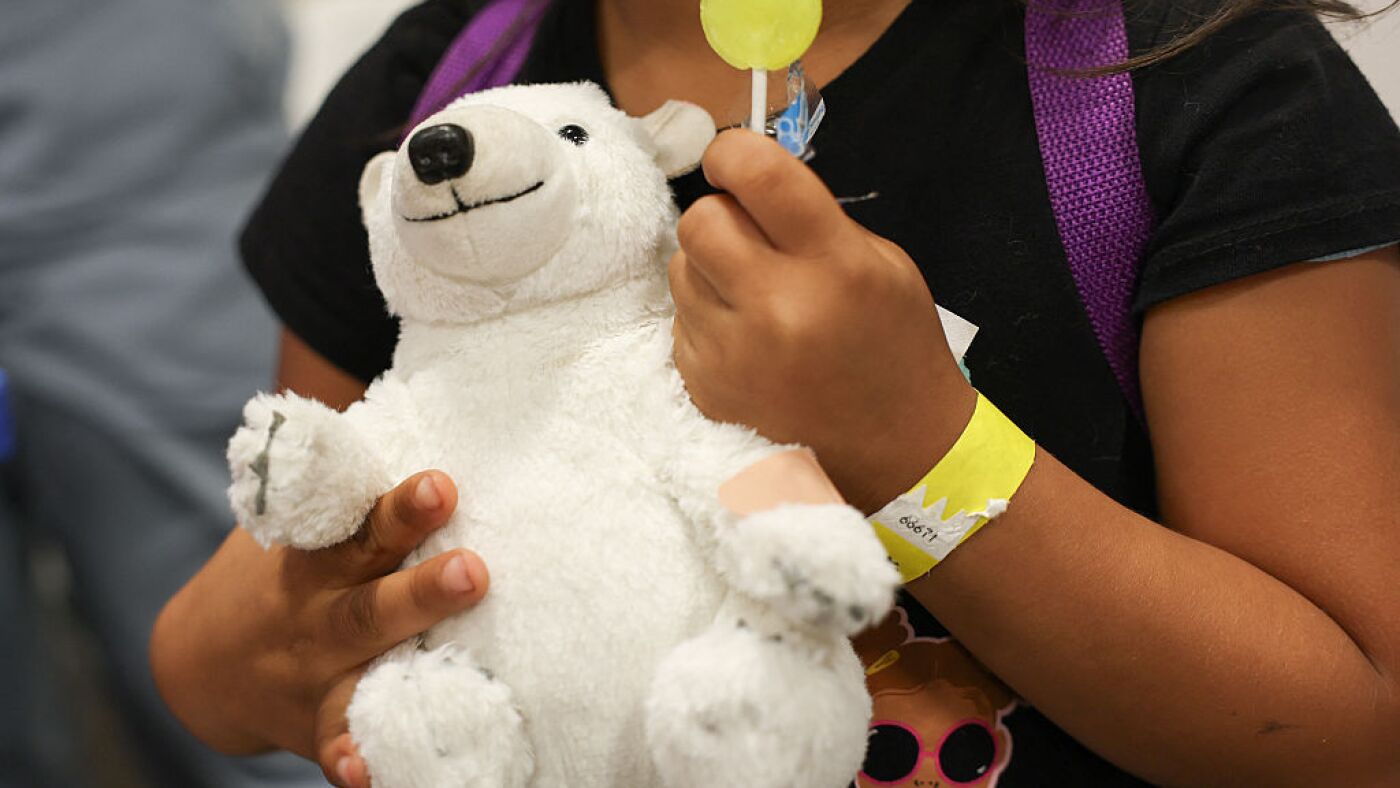
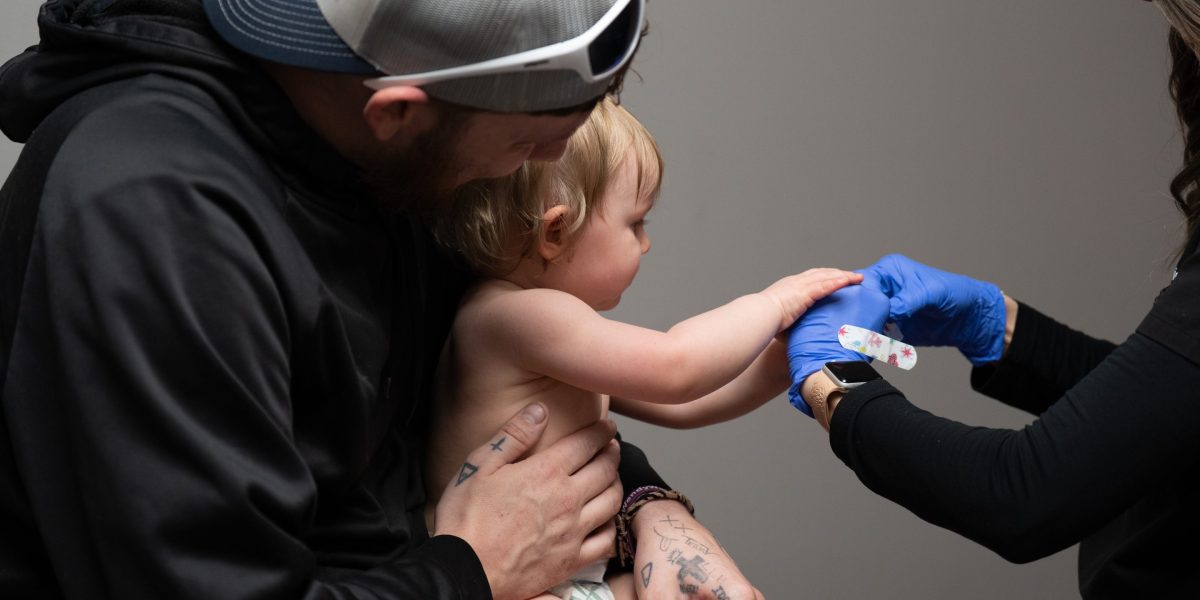
Measles outbreak in Spartanburg County, South Carolina has reached nearly 1,000 cases due to vaccination rates falling below the 95% threshold needed for community protection, threatening the U.S. elimination status achieved in 2000.
Public health
fromwww.theguardian.com
1 month agoTrump administration is failing to address spread of measles, experts say
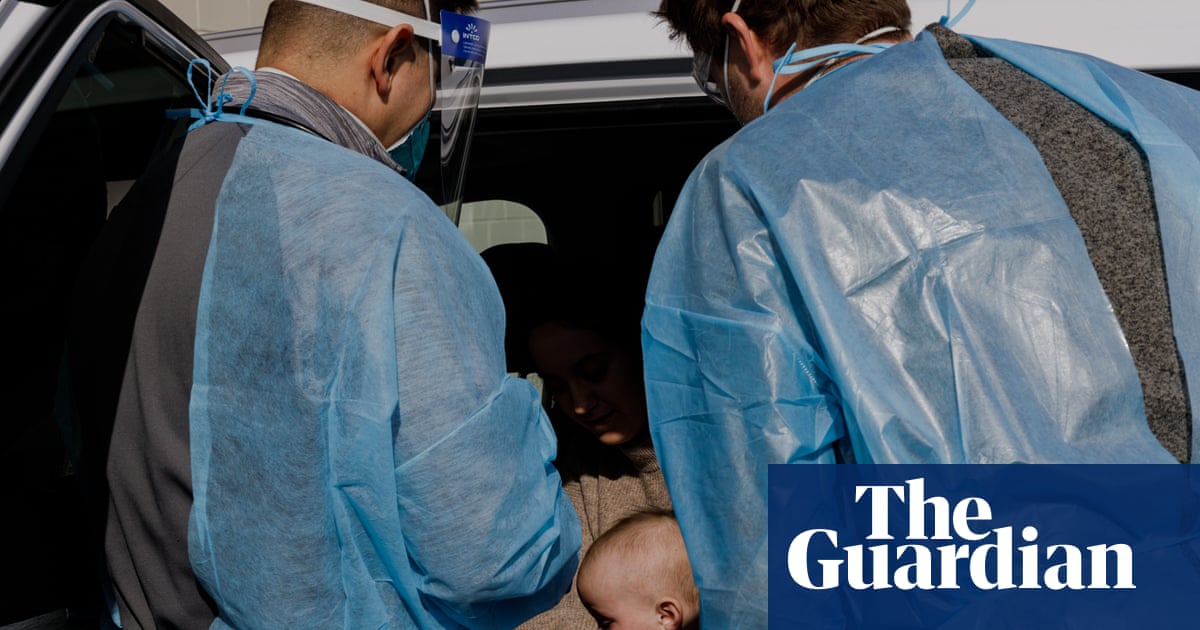
The Trump administration has inadequately responded to accelerating measles spread exceeding 1,000 cases, with CDC leadership dismissing the outbreak as routine business costs while messaging confusion undermines vaccine confidence.
US politics
fromThe Atlantic
3 weeks agoWho's In Charge of Vaccines Now?
A federal judge ruled the Trump administration likely violated the law by dismissing the CDC's vaccine advisory panel and replacing it with vaccine-skeptical members, then altering childhood immunization schedules without proper input.

Law
fromArs Technica
4 weeks agoRFK Jr's changes to CDC vaccine guidance, advisory board blocked by judge
A court ruled that the reconstitution of ACIP and January 2026 childhood immunization schedule changes likely violate the Administrative Procedure Act, rejecting claims that the health secretary's actions are unreviewable.
#meningitis-outbreak
Public health
fromwww.bbc.com
3 weeks agoPeople don't need to buy a meningitis vaccine, Streeting says
Private meningitis vaccination is unnecessary for the general public despite an unprecedented outbreak in Kent; targeted vaccination and antibiotics are being provided to affected university students.
fromThe Atlantic
4 weeks agoI Remember a World Without Vaccines
I am open-minded; I believe in integrative practices, and I agree that the medical establishment can be arrogant and unduly influenced by the pharmaceutical industry, which now funds so much of medical research. But I fully understand Scherer's frustration with his interminable discussions with Kennedy about scientific articles.
Coronavirus
Public health
fromwww.theguardian.com
4 weeks agoOfficials missed 99% of data' on Covid vaccines before making recommendation, memos reveal
Internal memos used to end Covid vaccine recommendations for pregnant people and children overlooked hundreds of studies, prioritizing ideology over evidence-based decision-making.
fromwww.scientificamerican.com
1 month agoFirst-of-its-kind vaccine protects children from deadly intestinal infections
In children below the age of five, whose immune systems are still developing, the infections can lead to malnourishment; they cause up to 42,000 deaths annually. Soon there may be a vaccine to protect against these infections. In the Lancet Infectious Diseases last month, scientists shared the results of the first study to evaluate the safety and efficacy of an ETEC-controlling vaccine in a large pediatric population in Gambia.
Public health
fromThe Atlantic
1 month agoWhat Jay Bhattacharya Wants From the CDC
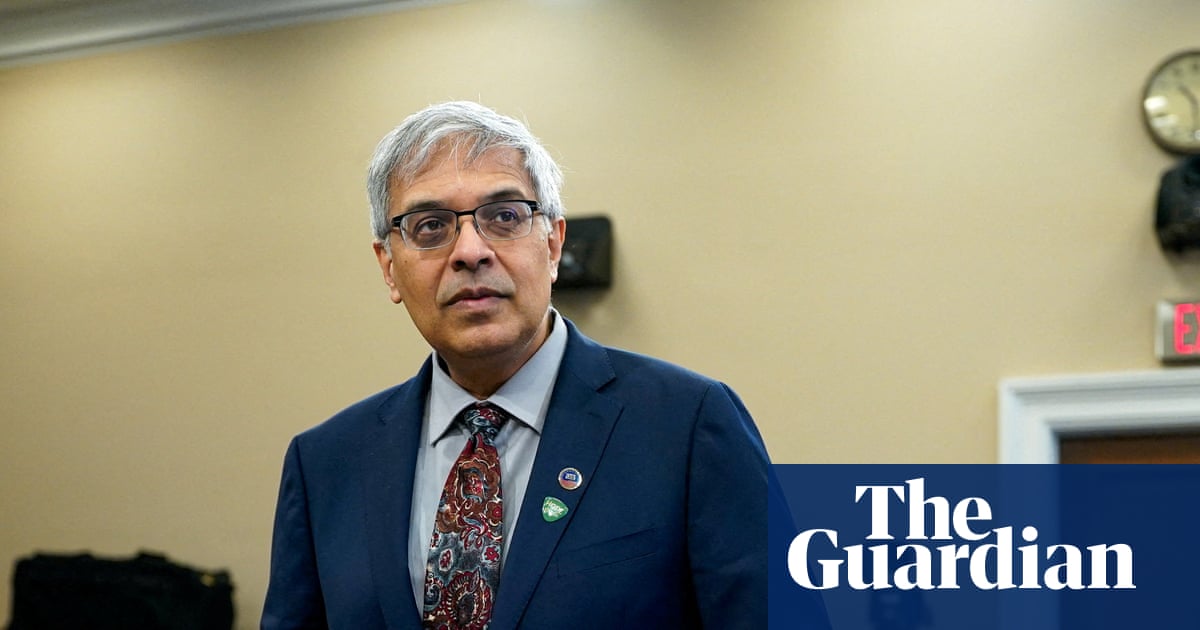
In his first email to CDC staff, he wrote that the federal government's "decisions, communications, and processes" broke the public's trust during the pandemic, and that "acknowledging this reality is a necessary step toward renewal." In practice, the CDC has been undergoing a kind of forced renewal for months.
Public health
Public health
fromLos Angeles Times
2 months agoPediatricians urge Americans to stick with previous vaccine schedule, despite CDC's recent changes
The AAP and CDC now present different childhood vaccine schedules after federal changes reduced CDC recommendations from 17 to 11 diseases while AAP endorses 18.
fromwww.npr.org
1 month agoWhy it's a bit surprising that the U.S. is attending a key global flu meeting
Each day, they pore over reams of data about how the virus is evolving worldwide, how well last year's shot performed, and which strains might be easiest to mass produce for a vaccine. The meeting, convened by the World Health Organization twice a year, is a critical moment for the WHO's Global Influenza Surveillance and Response System.
Public health
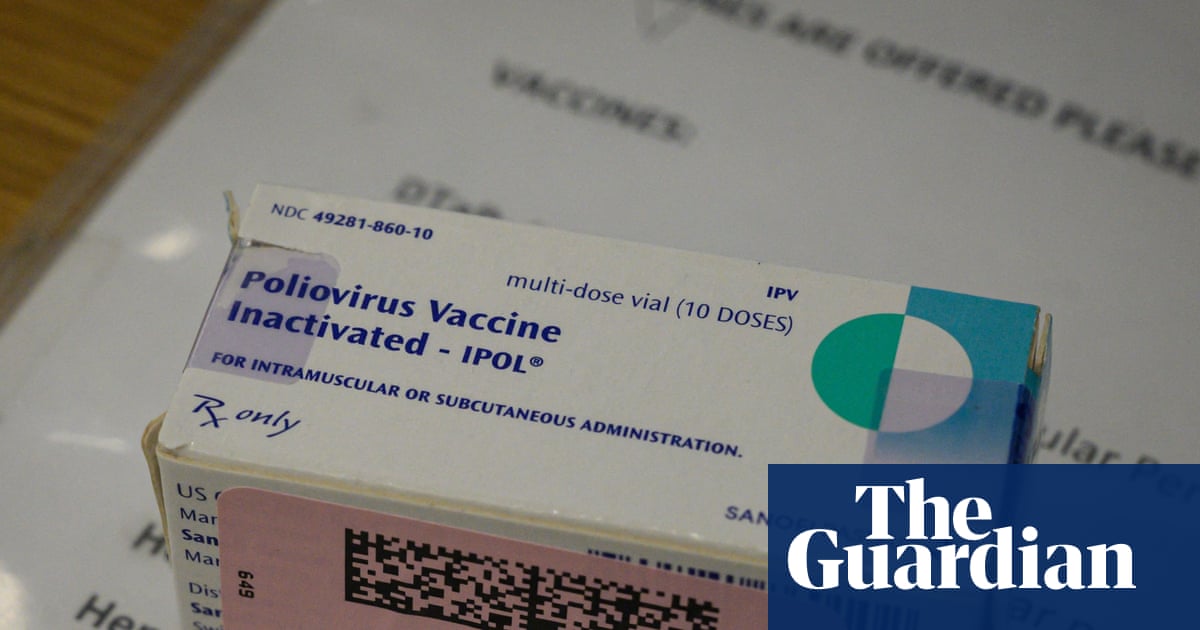
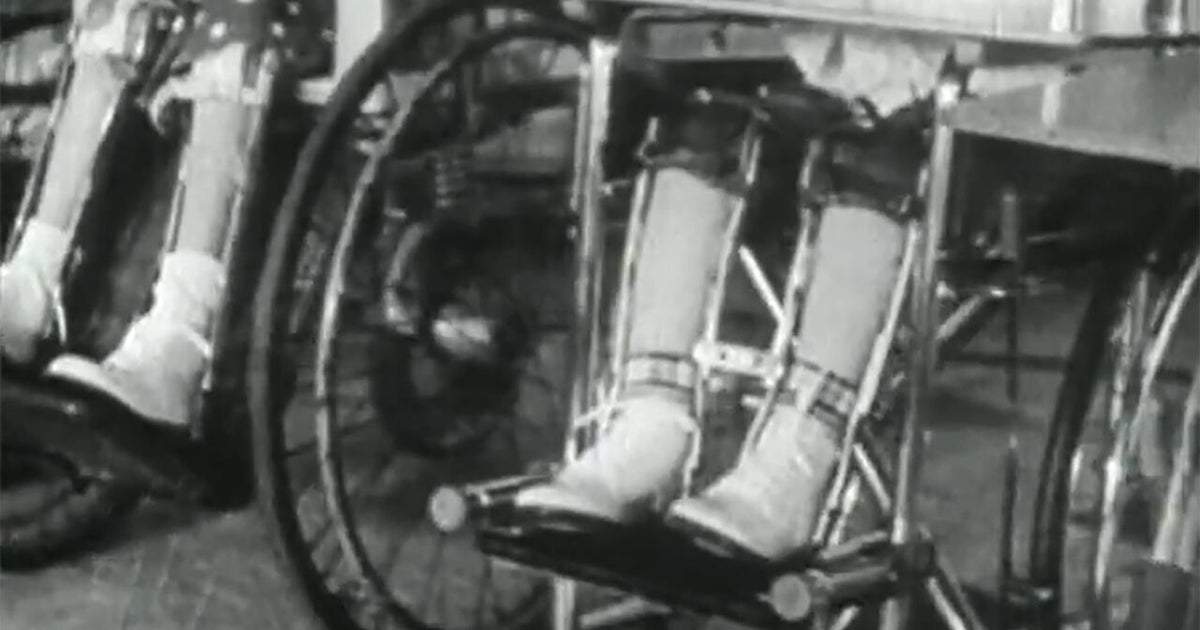
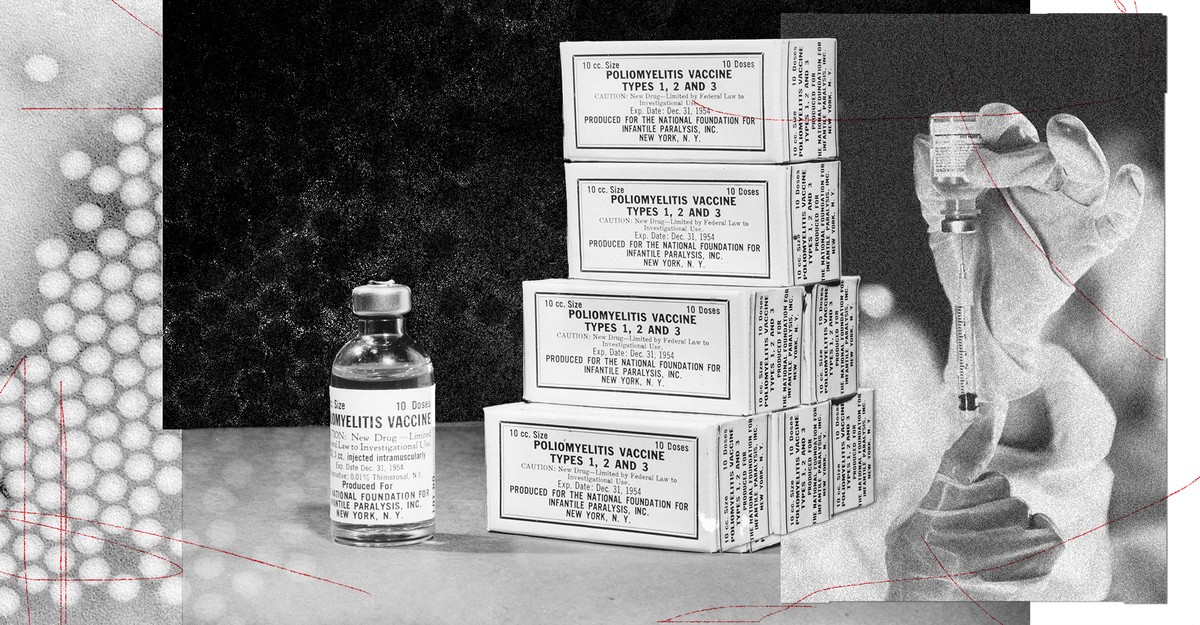
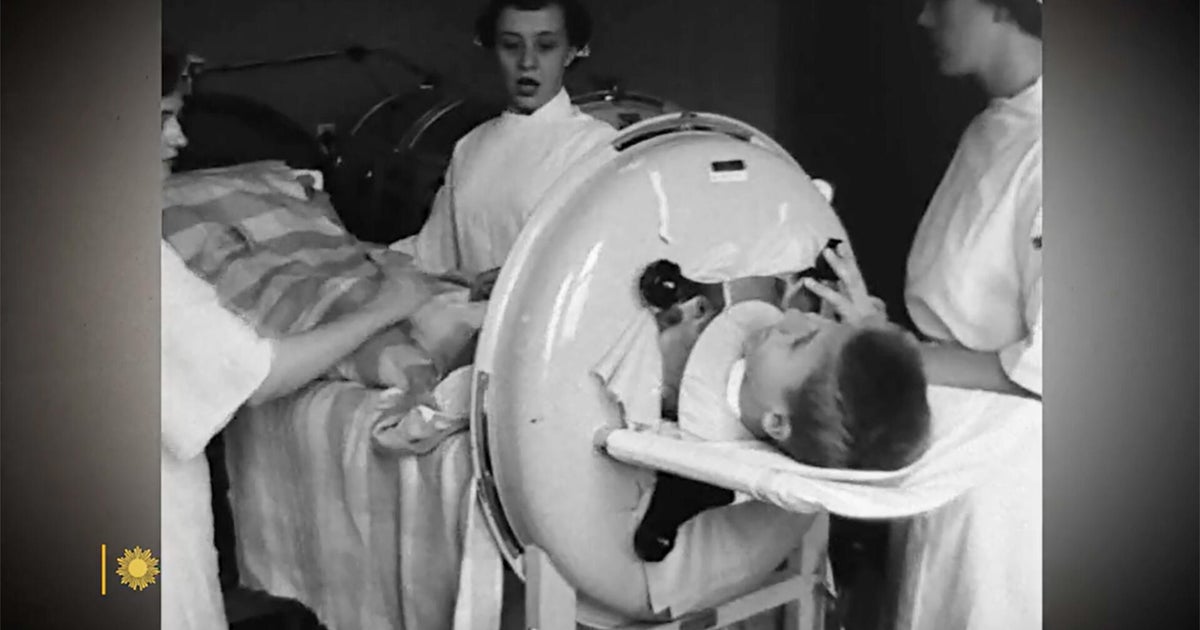
Public health
fromwww.scientificamerican.com
2 months agoTop medical groups join forces to review vaccine science as CDC faces criticism
The American Medical Association and the Vaccine Integrity Project will independently review vaccine safety and effectiveness to provide evidence-based guidance to doctors and families.
fromInsideHook
2 months agoWhat Happens When the CDC Issues Fewer Alerts?
If you're based in the United States, you've probably gotten used to government bodies issuing nationwide alerts - including ones that relate to public health. These have, historically, been good ways for health-conscious people to know what to look out for and for regional public health experts to develop strategies to help keep potential outbreaks contained.Unfortunately, now both individuals and institutions are reckoning with a big question: what to do when those warnings are much smaller in number?
Public health

Public health
fromwww.scientificamerican.com
2 months agoWhy CDC's Vaccine Rollback Comes at the Worst Possible Time
CDC narrowed universal childhood vaccine recommendations from 17 to 11 diseases, removing routine influenza and rotavirus recommendations and potentially lowering vaccination and increasing disease rates.
[ Load more ]