#vaccine-trial
#vaccine-trial
[ follow ]
#public-health #moderna #covid-19 #vaccination #fda #trump-administration #cdc #mrna-vaccine #healthcare





fromenglish.elpais.com
3 weeks agoFollowing the initial trials in Africa of the groundbreaking drug that could put an end to AIDS
On that sunny March morning, in a small health center in Lobamba, a rural area of Eswatini, this 32-year-old sex worker has just become one of the first people in the world to receive lenacapavir, a drug that, administered twice a year, offers nearly 100% protection against HIV.
Medicine
from24/7 Wall St.
3 weeks ago5 Biotechs That Big Pharma Could Snap Up as Oncology M&A Heats Up
Incyte tops this list due to its rare combination of commercial scale, cash generation, and pipeline depth. The company posted FY2025 revenue of $5.14 billion, up 21.2% YoY, anchored by Jakafi generating $828.2 million in Q4 2025 alone (+7% YoY) and Opzelura delivering $207.3 million (+28% YoY). With $3.58 billion in cash and 14 pivotal clinical trials underway, Incyte offers an acquirer immediate revenue, margin expansion potential, and a deep oncology pipeline spanning KRASG12D, CDK2 inhibition, and mutCALR.
Venture
fromJezebel
1 week agoWhat If the FDA Vaccine Chief Was Required to Be Someone with a Background in Vaccines?
The Trump-era patronage system has affected us all, by so often thrusting inexperienced randos with obvious political mandates into important positions that have previously always been occupied by career civil servants or specialized leaders.
Coronavirus
US politics
fromThe Atlantic
1 month agoWho's In Charge of Vaccines Now?
A federal judge ruled the Trump administration likely violated the law by dismissing the CDC's vaccine advisory panel and replacing it with vaccine-skeptical members, then altering childhood immunization schedules without proper input.
fromwww.npr.org
1 month agoInside a rare lab that's blazing a bold trail as it hunts for new drugs
Kelly Chibale describes the drug discovery process as a fairy-tale quest, stating, 'It doesn't mean that there aren't surprises or miracles. They do happen, but you have to kiss many frogs before you meet the prince.' This metaphor illustrates the challenges and unpredictability in finding effective medicines.
US news
#meningitis-outbreak
Public health
fromwww.bbc.com
1 month agoPeople don't need to buy a meningitis vaccine, Streeting says
Private meningitis vaccination is unnecessary for the general public despite an unprecedented outbreak in Kent; targeted vaccination and antibiotics are being provided to affected university students.
fromArs Technica
2 months agoNIH head, still angry about COVID, wants a second scientific revolution
At the end of January, Washington, DC, saw an extremely unusual event. The MAHA Institute, which was set up to advocate for some of the most profoundly unscientific ideas of our time, hosted leaders of the best-funded scientific organization on the planet, the National Institutes of Health. Instead of a hostile reception, however, Jay Bhattacharya, the head of the NIH, was greeted as a hero by the audience, receiving a partial standing ovation when he rose to speak.
US politics


fromBoston.com
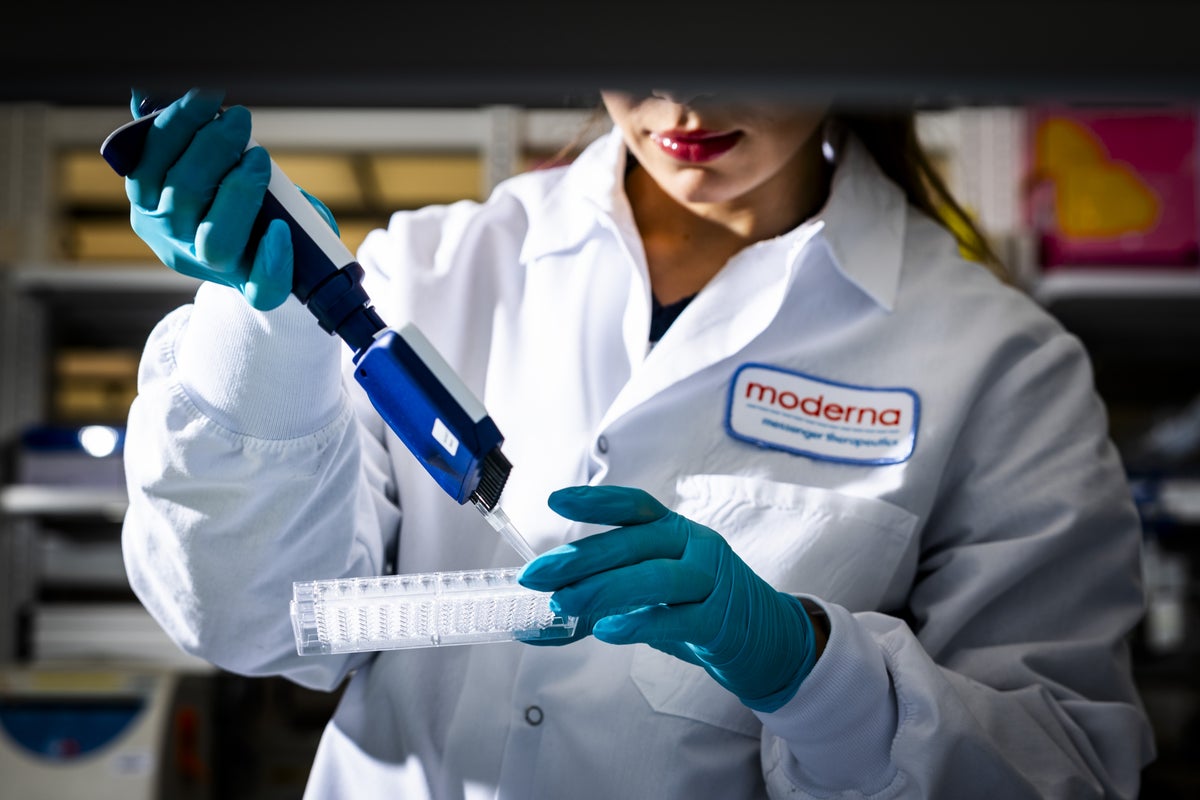
2 months agoModerna says FDA refuses its application for new mRNA flu vaccine
The news is the latest sign of the FDA's heightened scrutiny of vaccines under Health Secretary Robert F. Kennedy Jr., particularly those using mRNA technology, which he has criticized before and after becoming the nation's top health official. Moderna received what's called a "refusal-to-file" letter from the FDA that objected to how it conducted a 40,000-person clinical trial comparing its new vaccine to one of the standard flu shots used today.
US news


fromArs Technica
2 months agoFDA refuses to review Moderna's mRNA flu vaccine
While the move came as a surprise to the high-profile vaccine maker, it is just the latest hostility toward vaccines-and mRNA vaccines in particular-from an agency overseen by the fervent anti-vaccine activist Robert F. Kennedy Jr. In his first year in office, Kennedy has already dramatically slashed childhood vaccine recommendations and canceled $500 million in research funding for mRNA vaccines against potential pandemic threats.
Public health
fromwww.scientificamerican.com
1 month agoFirst-of-its-kind vaccine protects children from deadly intestinal infections
In children below the age of five, whose immune systems are still developing, the infections can lead to malnourishment; they cause up to 42,000 deaths annually. Soon there may be a vaccine to protect against these infections. In the Lancet Infectious Diseases last month, scientists shared the results of the first study to evaluate the safety and efficacy of an ETEC-controlling vaccine in a large pediatric population in Gambia.
Public health
fromThe Atlantic
1 month agoI Remember a World Without Vaccines
I am open-minded; I believe in integrative practices, and I agree that the medical establishment can be arrogant and unduly influenced by the pharmaceutical industry, which now funds so much of medical research. But I fully understand Scherer's frustration with his interminable discussions with Kennedy about scientific articles.
Coronavirus
fromLGBTQ Nation
2 months agoThe amazing cases of 9 people "cured" of HIV each contain clues about a possible cure - LGBTQ Nation
For more than a decade, doctors and researchers have announced that a handful of people around the world have been cured of HIV. Each of these patients has experienced long-term viral control - in some cases for over a decade - without antiretroviral therapy (ART), as AIDSMap notes, though some doctors describe them as being in "remission." While the patients have shown no signs of HIV since stopping ART, at least some uncertainty remains as to whether the virus could eventually rebound in them.
Medicine
Medicine
fromLGBTQ Nation
2 months agoThese 4 promising breakthroughs are bringing HIV researchers closer to a cure - LGBTQ Nation
Significant scientific advances have produced promising combination therapies and experimental approaches that have eliminated HIV in rare cases but no widely scalable cure exists yet.
Coronavirus
fromArs Technica
1 month agoWe study pandemics, and the resurgence of measles is a grim sign of what's coming
Measles outbreaks impose substantial economic costs through containment, medical expenses, and productivity losses, while declining vaccination coverage threatens control of multiple infectious diseases.
fromwww.npr.org
1 month agoWhy it's a bit surprising that the U.S. is attending a key global flu meeting
Each day, they pore over reams of data about how the virus is evolving worldwide, how well last year's shot performed, and which strains might be easiest to mass produce for a vaccine. The meeting, convened by the World Health Organization twice a year, is a critical moment for the WHO's Global Influenza Surveillance and Response System.
Public health
Public health
fromkffhealthnews.org
2 months agoTrump policies at odds with emerging understanding of COVID's long-term harm
SARS-CoV-2 can produce diverse, long-term health harms while federal policy has narrowed vaccine recommendations and paused development contracts despite calls for sustained research and monitoring.
[ Load more ]