Marketing
fromForbes
2 months agoAI Creators Can Go Viral. They Just Can't Close The Sale
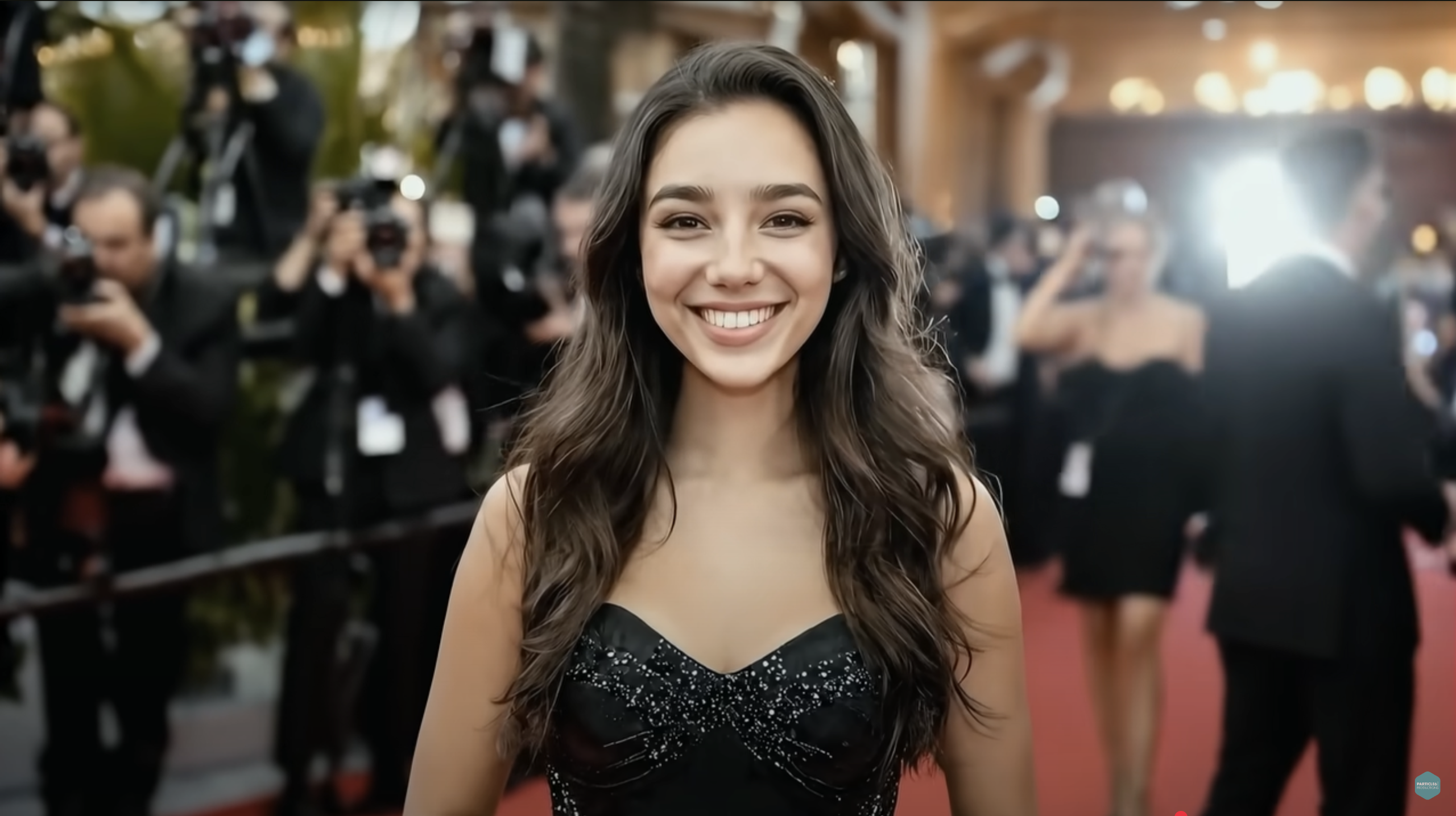
AI-generated influencers like Baddie Betty are reshaping marketing with full control, lower costs, and projected market growth to $45.8 billion by 2030.
Beauty and fashion influencer Eni Popoola first learned she'd been deepfaked the way many creators do: from her audience. A YouTube ad sent by a follower featured her face and her voice, promoting an online course she had never heard of. "People were sending screenshots saying, 'Hey, there's this video of you, and we obviously know it's not you, because this is not something that you would talk about,'" Popoola said. She's far from alone, as the experience of finding one's AI doppelganger - promoting unknown supplements, self-help content or beauty products - is becoming increasingly commonplace in the creator economy.
Retail's AI-driven digital transformation is well underway. In 2026, more than ever, customers are looking to technology for smoother, hassle-free shopping experiences, while businesses harness it to drive efficiency and hone their competitive edge. At the same time, the barriers between physical retail and e-commerce are blurring, and shifts in the way algorithms put products in front of us are shaking up the industry.
TTD's stock entered 2025 with shares above $120. After a catastrophic Q4 earnings report in February, shares dropped like a stone to as low as $46 before bouncing into the $70 to $80 range. The company picked up a much-needed attaboy in July when it was promoted to the . The Trade Desk is insulated, though. Tons of different industries compete head-on with Amazon - from electronics and apparel to CPG and entertainment - whereas TTD operates in a distinct space.
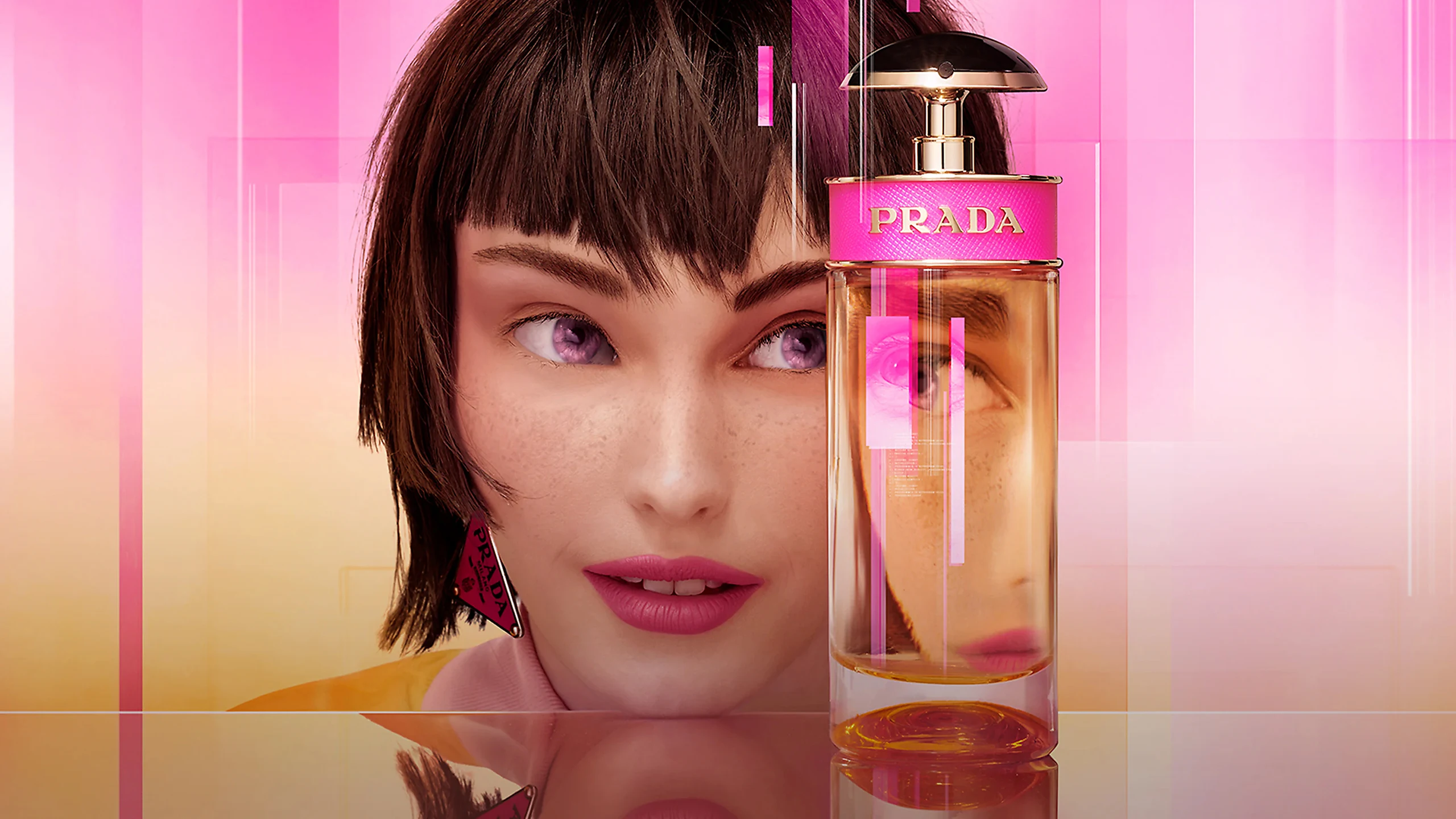
Vodafone made a commercial starring an AI avatar posing as a real lady. This is interesting because Vodafone is a major global brand and not a fly-by-night TikTok company using a ridiculous deepfake of Jackson Galaxy to sell cat toys. The tells in the commercial are obvious and what one would expect. The AI avatar's hair is a bit off, which ruins the charade that this is a real person.