#vladyslav-heraskevych
#vladyslav-heraskevych
[ follow ]
World news
fromThe Art Newspaper - International art news and events
3 months ago'He is a hero to me': artist speaks out after Ukrainian athlete barred from Winter Olympics for commemorative helmet
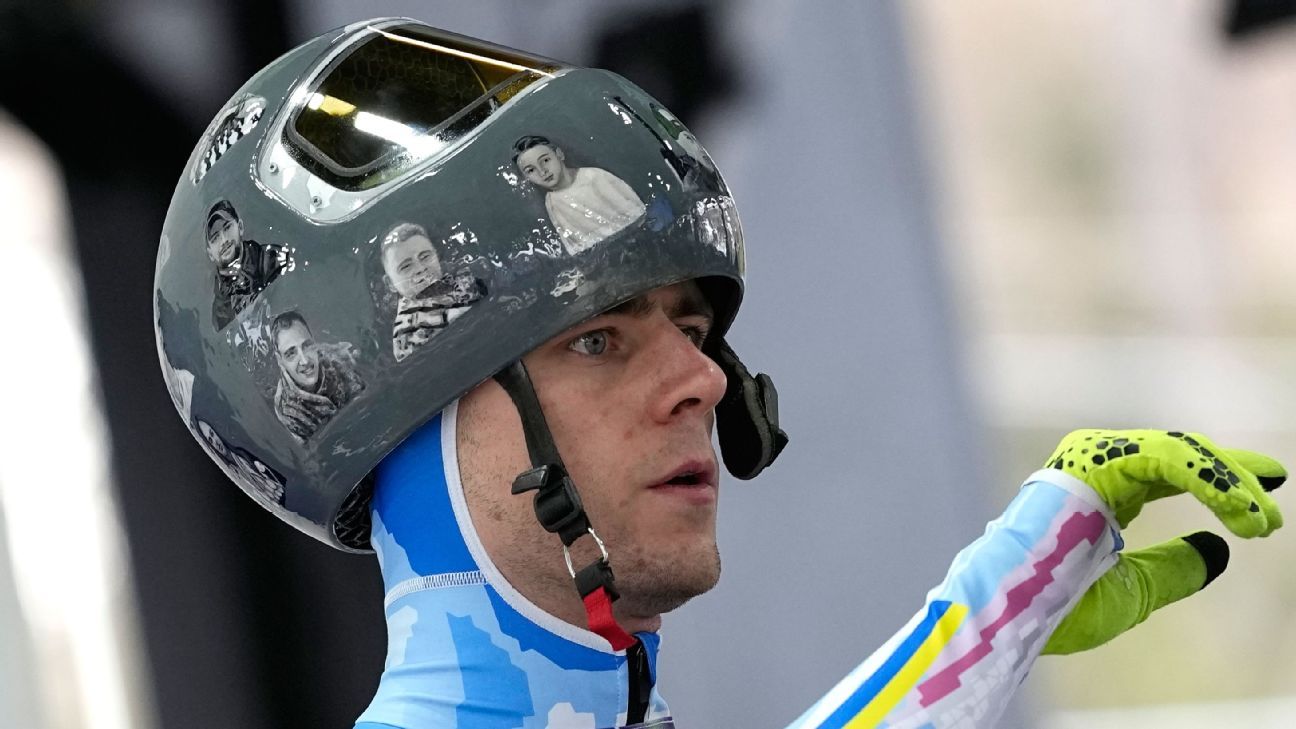
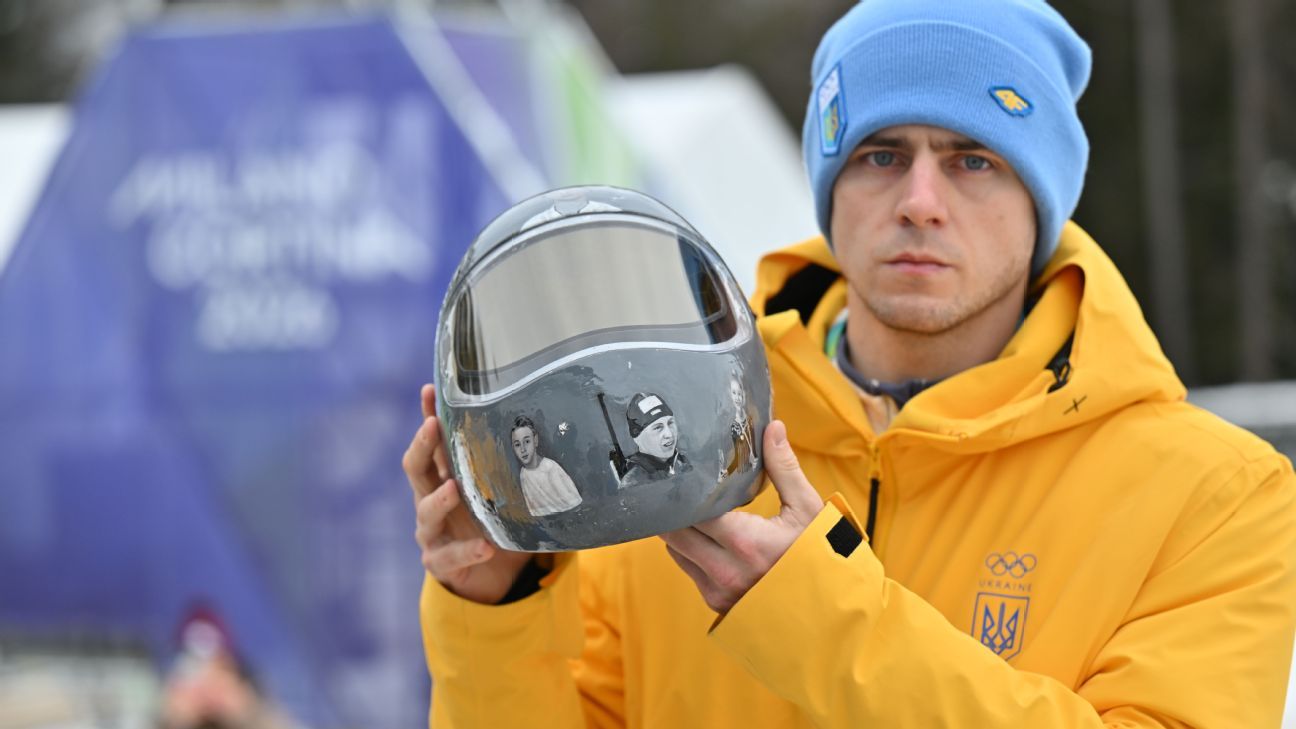
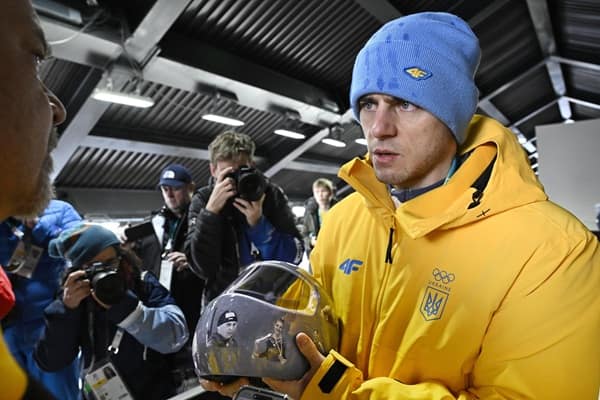
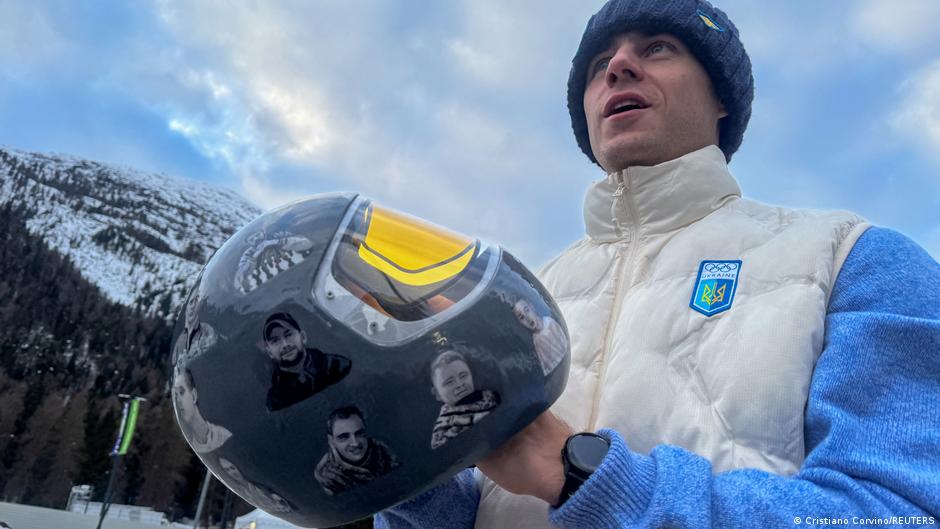
Ukrainian skeleton racer Vladyslav Heraskevych was barred from the Winter Olympics for refusing to remove a helmet honoring athletes killed in the war.
fromwww.dw.com
3 months agoOlympic racer Heraskevych fights on after disqualification
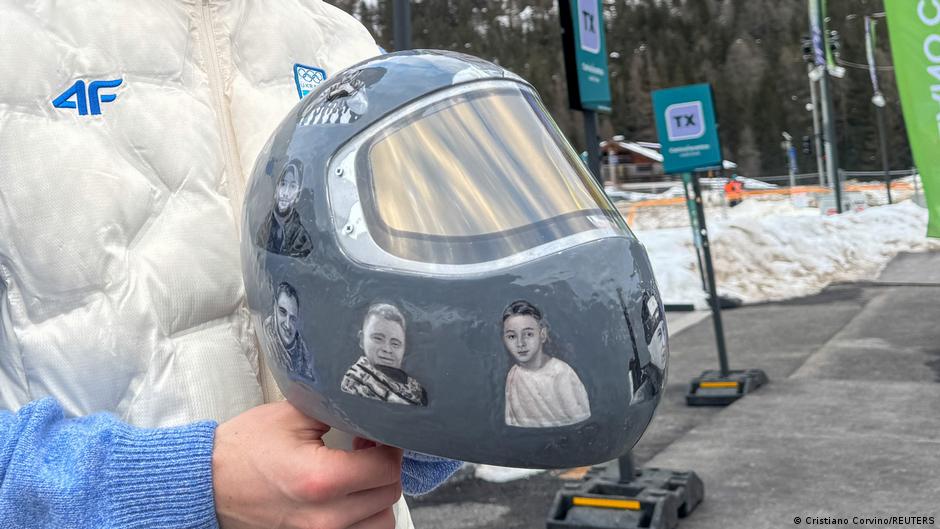
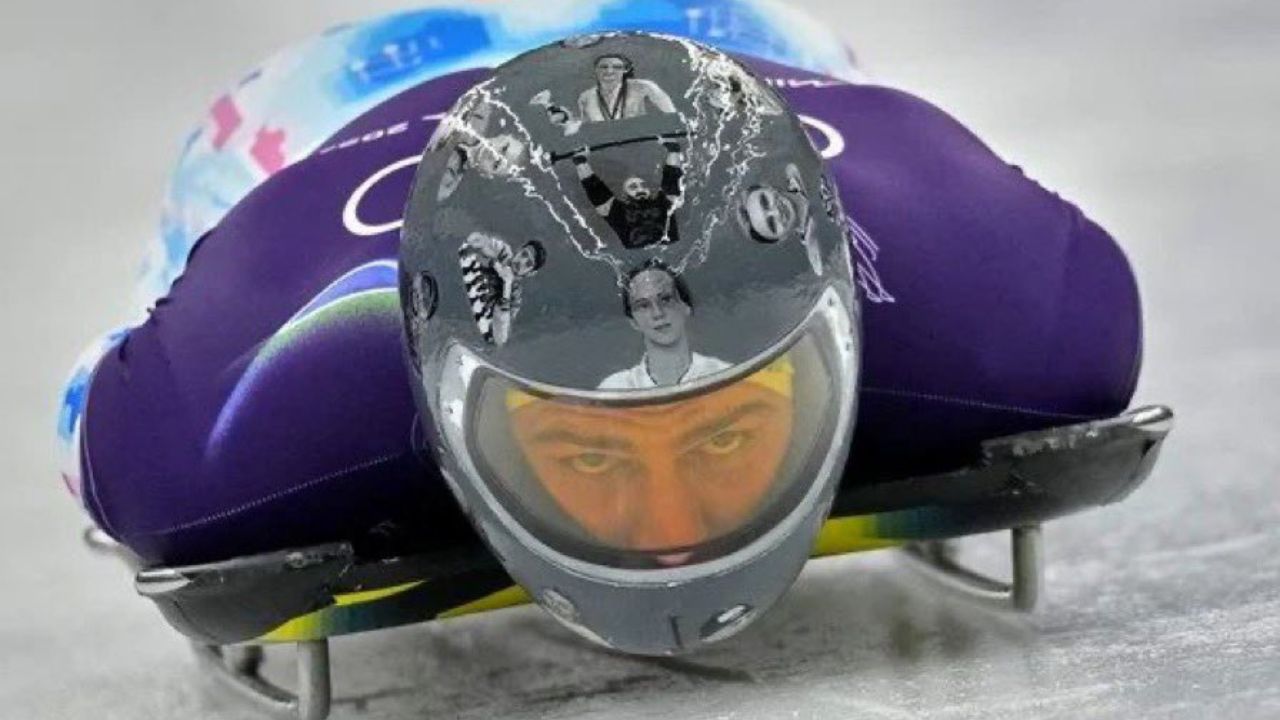
"It's our goal. Our goal was always to compete," the 27-year-old told a press conference late on Thursday, hours after International Olympic Committtee (IOC) President Kirsty Coventry had informed him that he had been disqualified from the competition. This came after he insisted on competing while wearing a helmet that bears portraits of more than 20 Ukrainian athletes killed in the ongoing war. He had worn the helmet in his five training runs each time placing among the top six.
World news
fromwww.theguardian.com
3 months agoOlympic chiefs have got it badly wrong over Heraskevych ban and owe him an apology | Lizzy Yarnold
I'm deeply saddened by the IOC banning skeleton athlete Vladyslav Heraskevych from the Winter Olympics. His helmet depicting images of athletes and children who died in Russia's invasion of Ukraine, some who he knew personally, was a human display of remembrance. The IOC's response was not an appropriate one. One only needed to look at the image of Heraskevych's father when he was told the news of his son's disqualification doubled over with his head in his hands to know the emotional toll.
World news
fromwww.dw.com
3 months agoOlympics: Ukrainian athlete banned over 'political' helmet
After the third of four runs there, he held up a sign with the English inscription "No war in Ukraine" for the cameras at the finish line of the run. Thirteen days later, Russia launched its full-scale invasion of Ukraine. Since then, Heraskevych has tirelessly used his sport to draw attention to the suffering of the people in Ukraine and to urge further strict sanctions against Russian sports.
World news
World news
fromwww.theguardian.com
3 months agoHeraskevych's helmet of memory' forces IOC into PR fiasco at Winter Olympics | Sean Ingle
Vladyslav Heraskevych prioritized honoring fallen Ukrainian athletes over complying with IOC restrictions by wearing a memorial helmet, accepting any resulting ban or sanction.
fromwww.theguardian.com
3 months agoWinter Olympics 2026: Ukrainian athlete disqualified from skeleton over helmet tribute live
International Olympic Committee President Kirsty Coventry was waiting for Heraskevych at the top of the track when he arrived at around 8.15am Thursday, or roughly 75 minutes before the start of the men's skeleton race. They went into a private area and spoke briefly, and Coventry was unable to change Heraskevych's mind. He was holding the decision from the International Bobsled and Skeleton Federation when he briefly addressed reporters and said he would appeal to the Court of Arbitration for Sport.
World news
Miscellaneous
fromwww.theguardian.com
3 months agoUkrainian skeleton athlete urged by IOC to ditch helmet protest or face Olympics ban
Ukrainian skeleton racer Vladyslav Heraskevych risks disqualification for wearing a 'Memory Helmet' honoring war dead after the IOC banned political statements in competition.
[ Load more ]